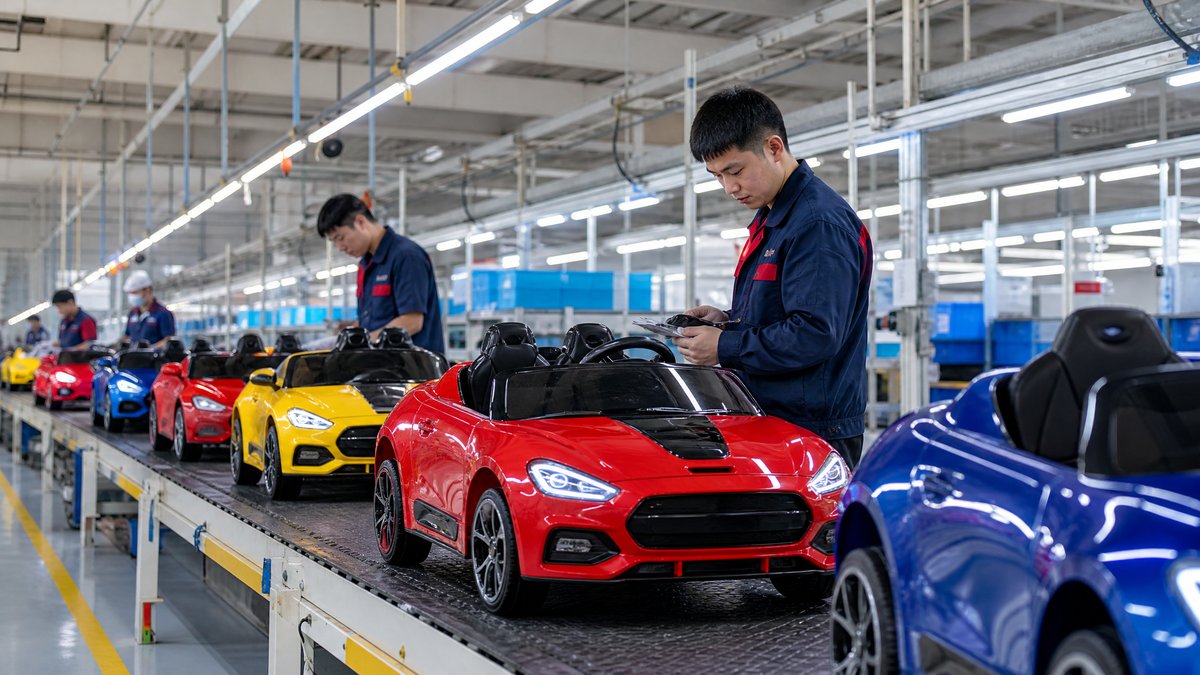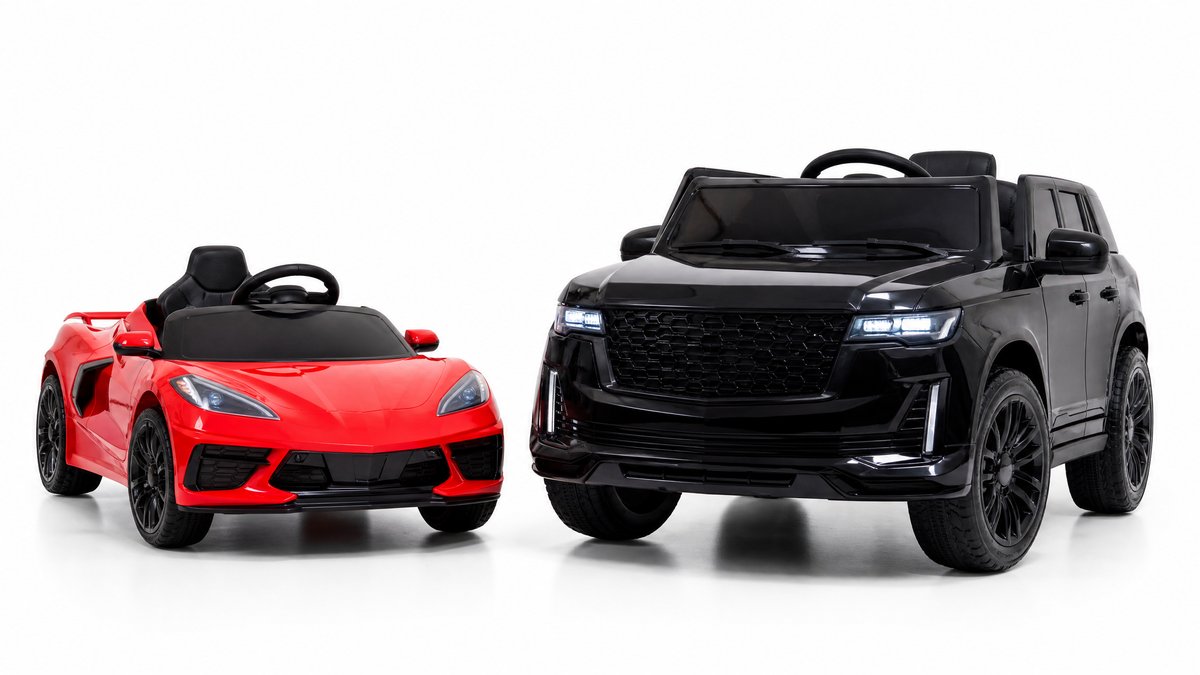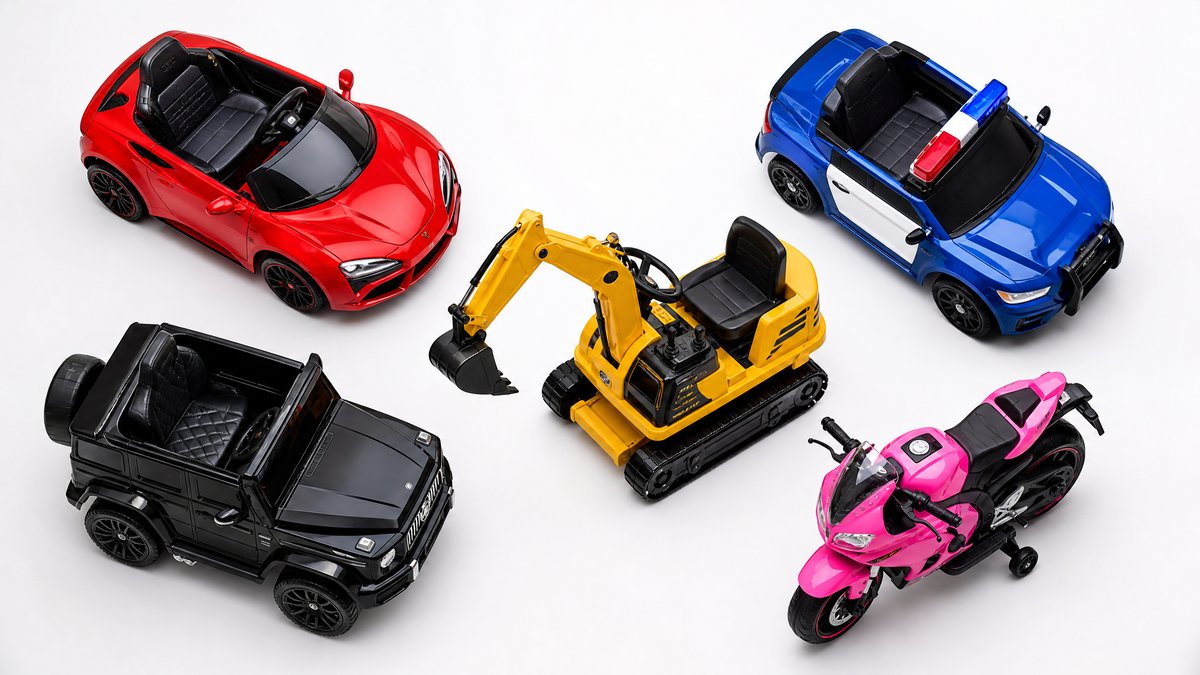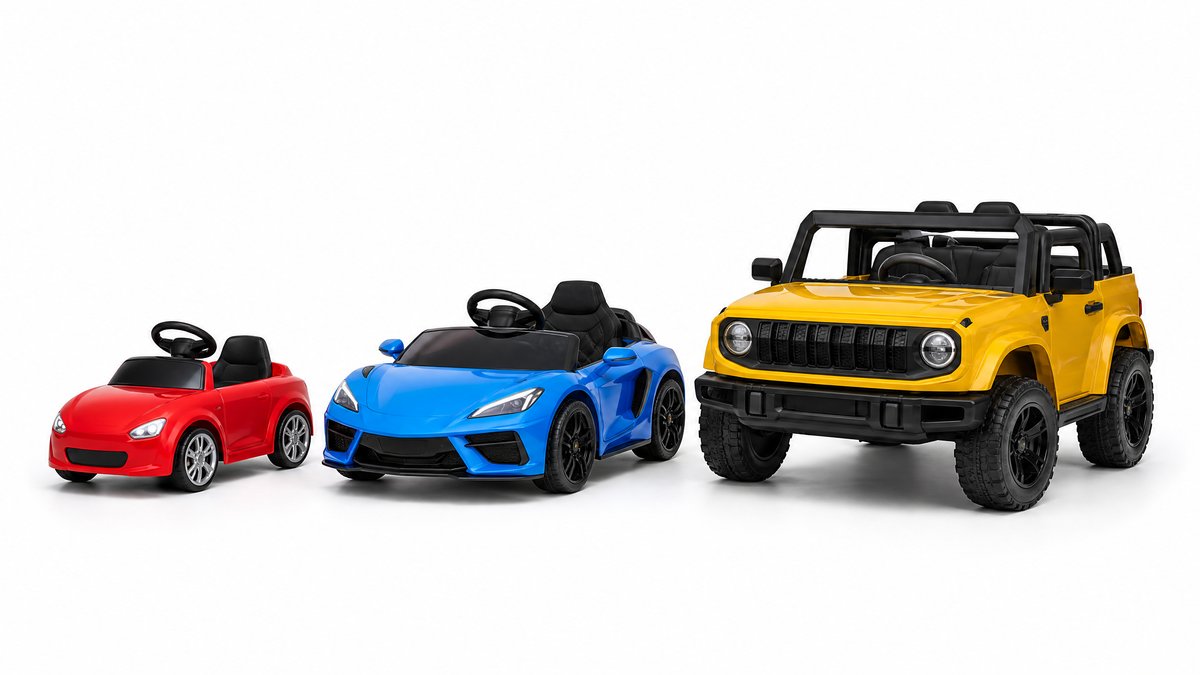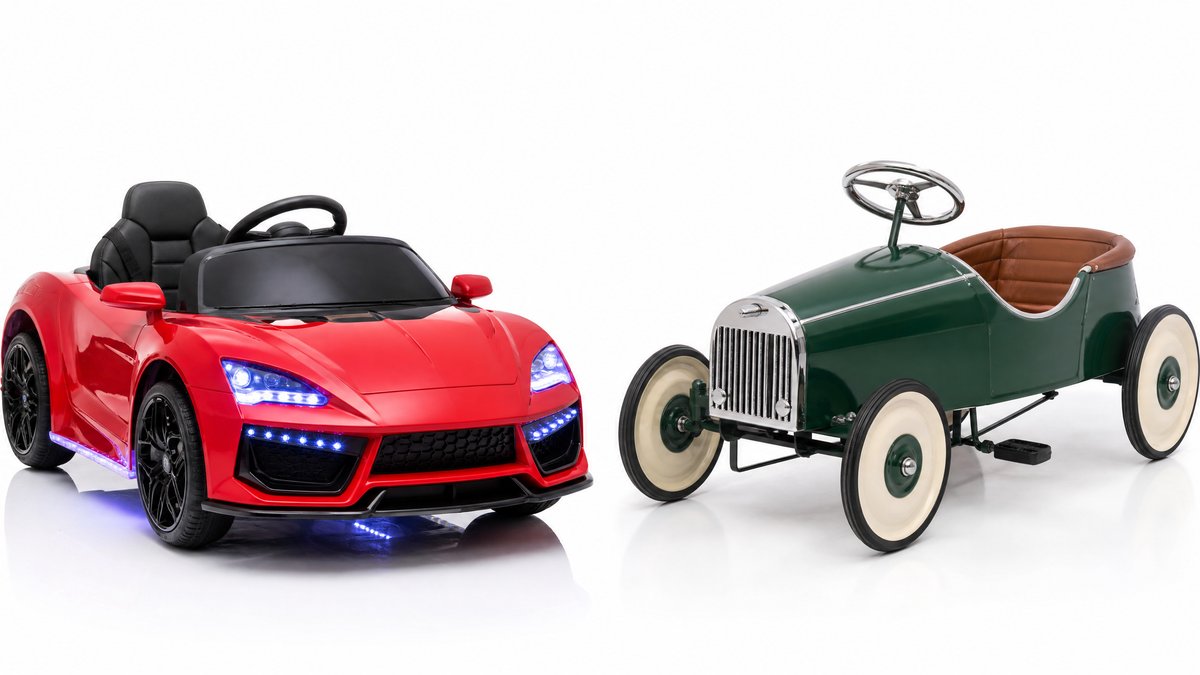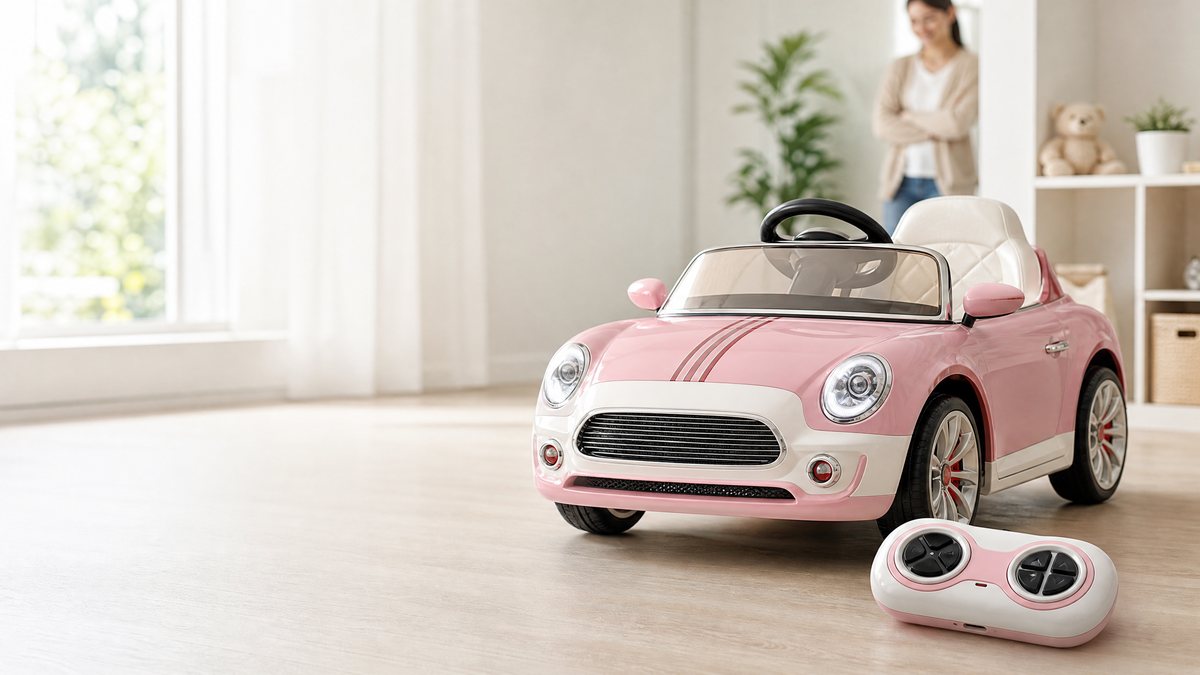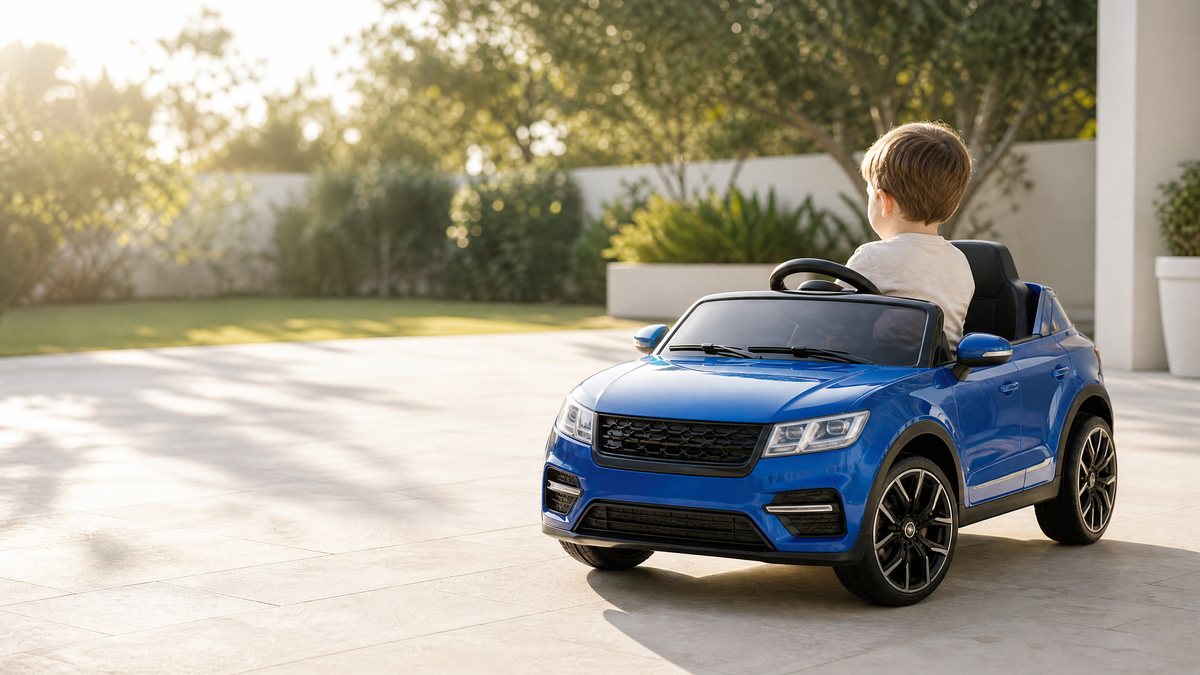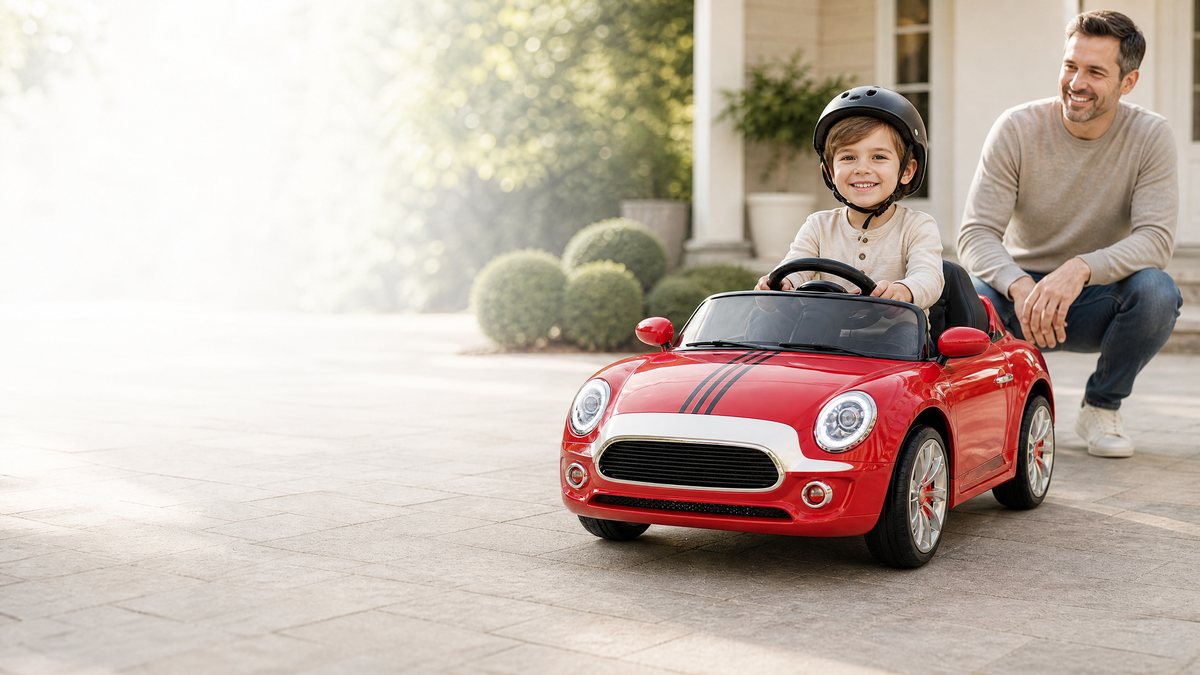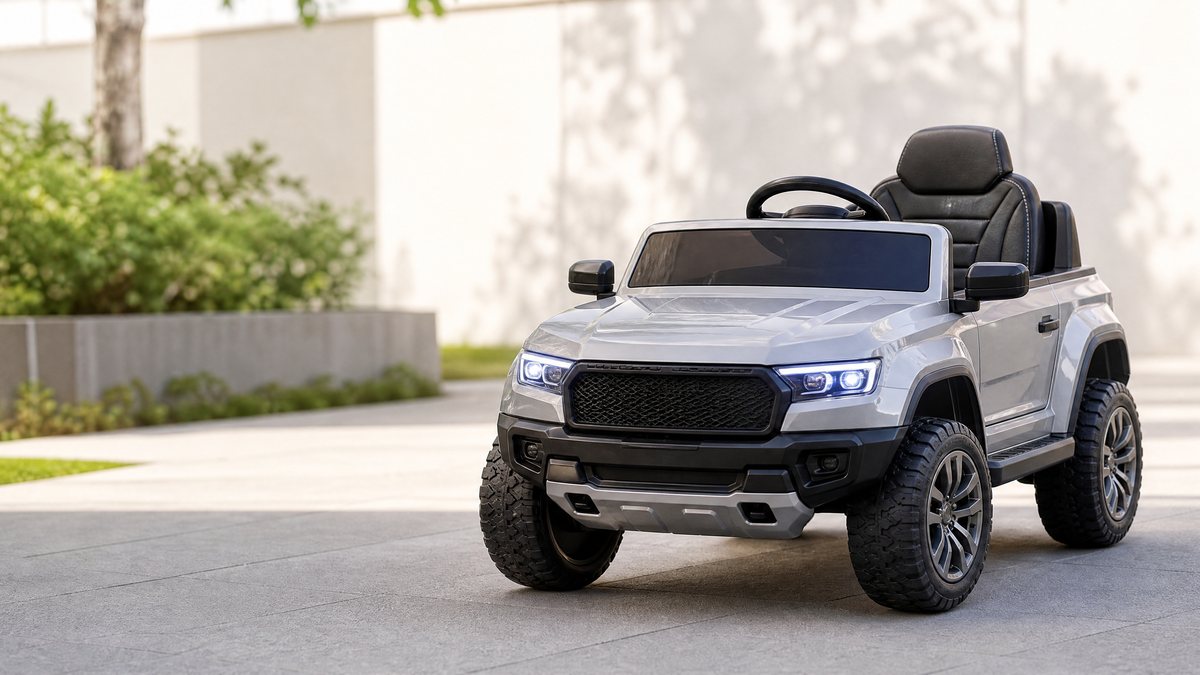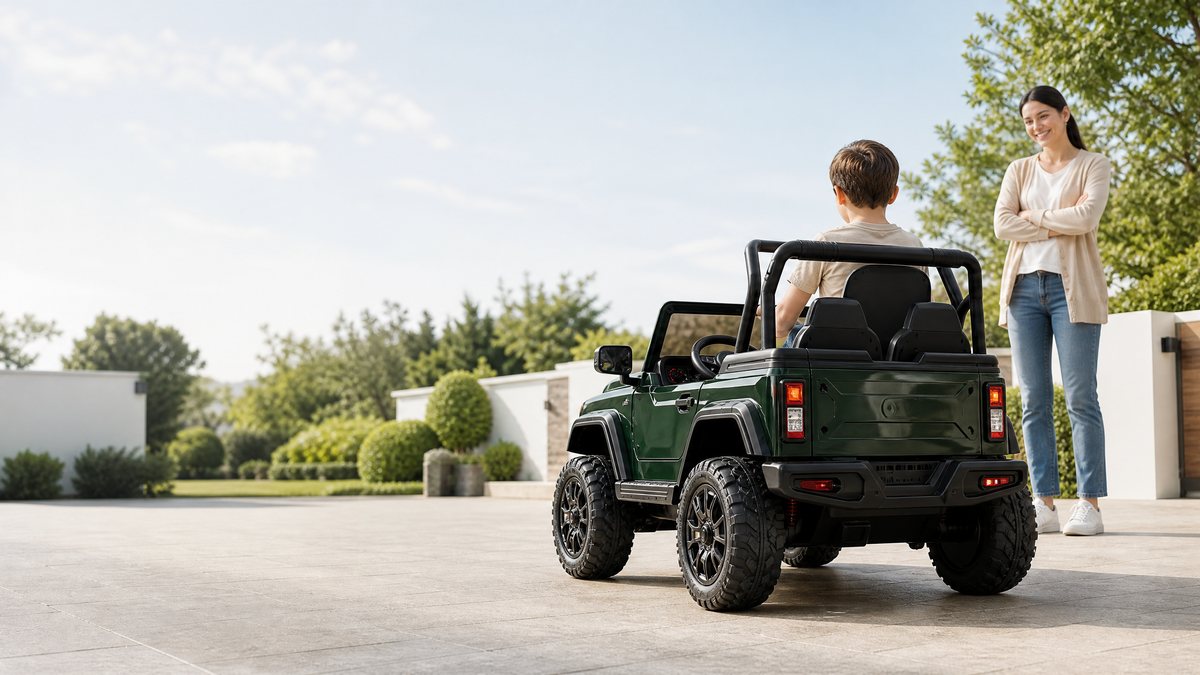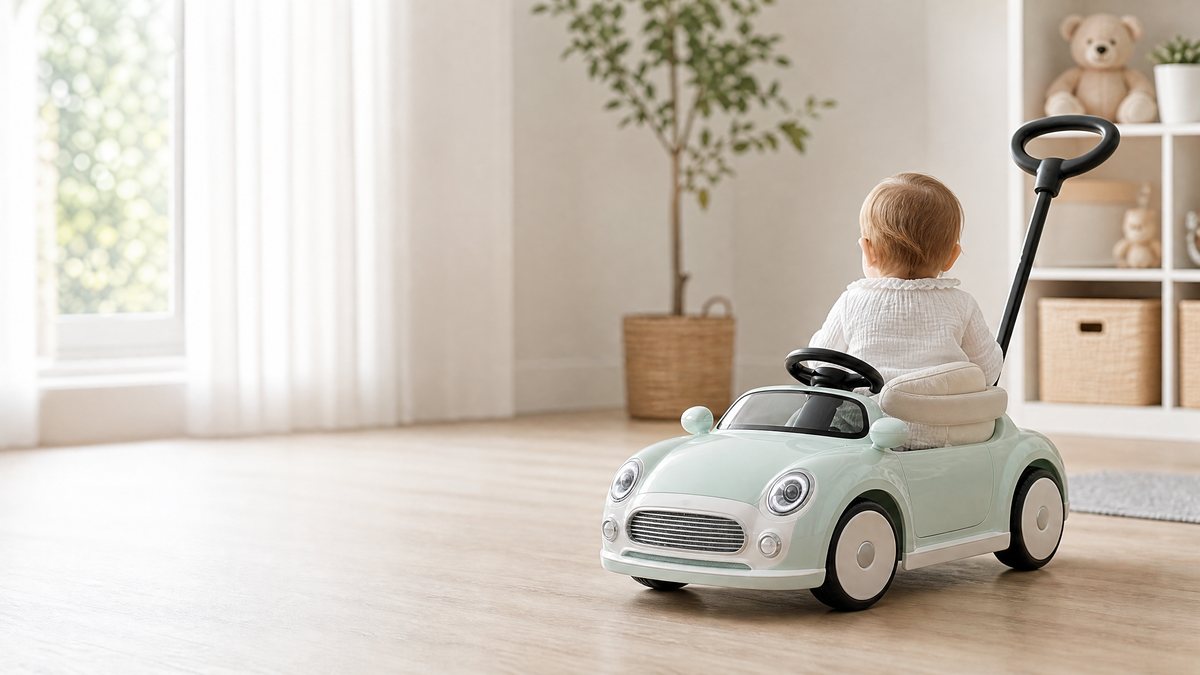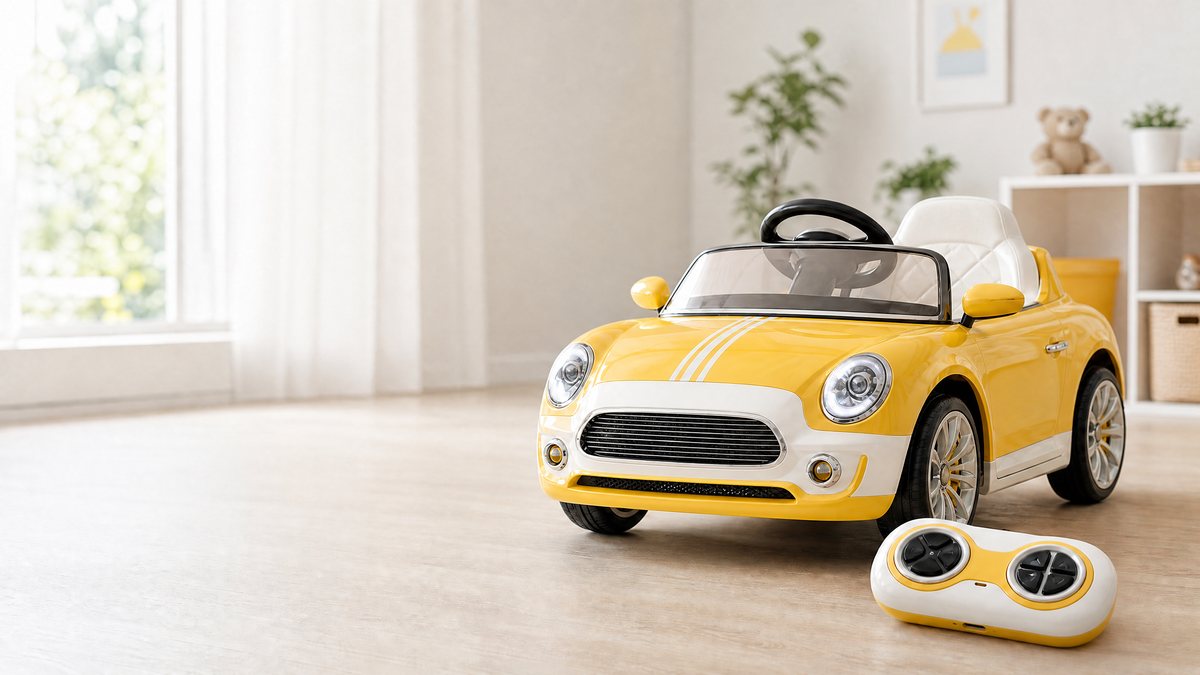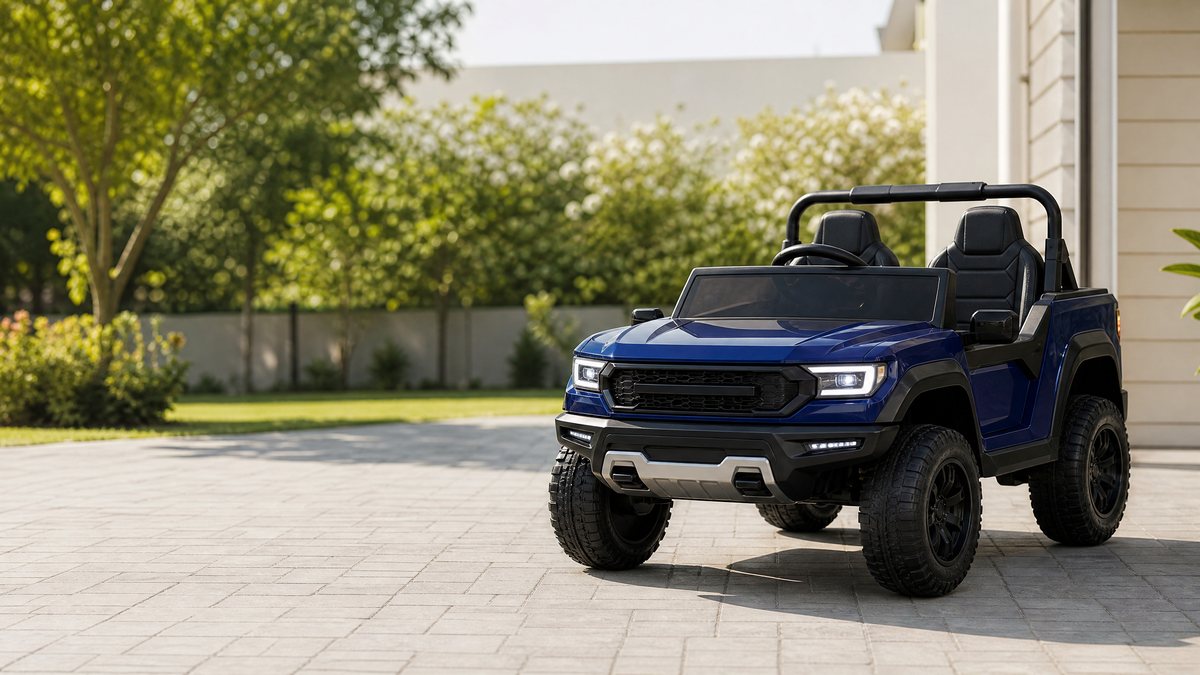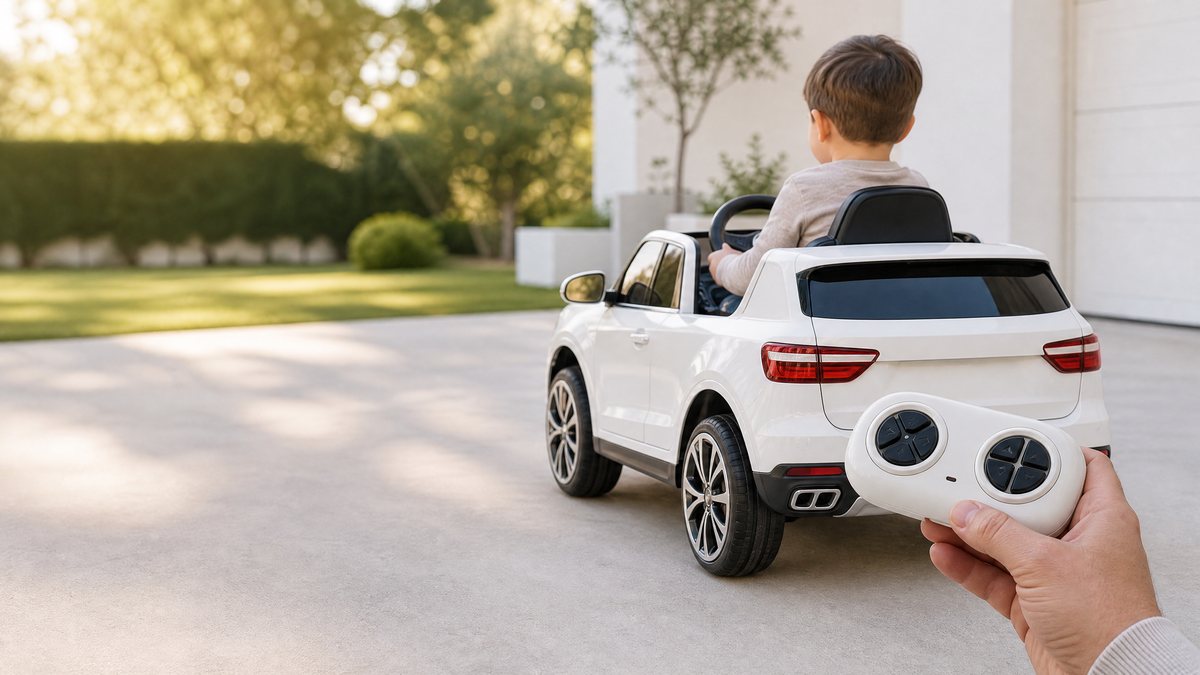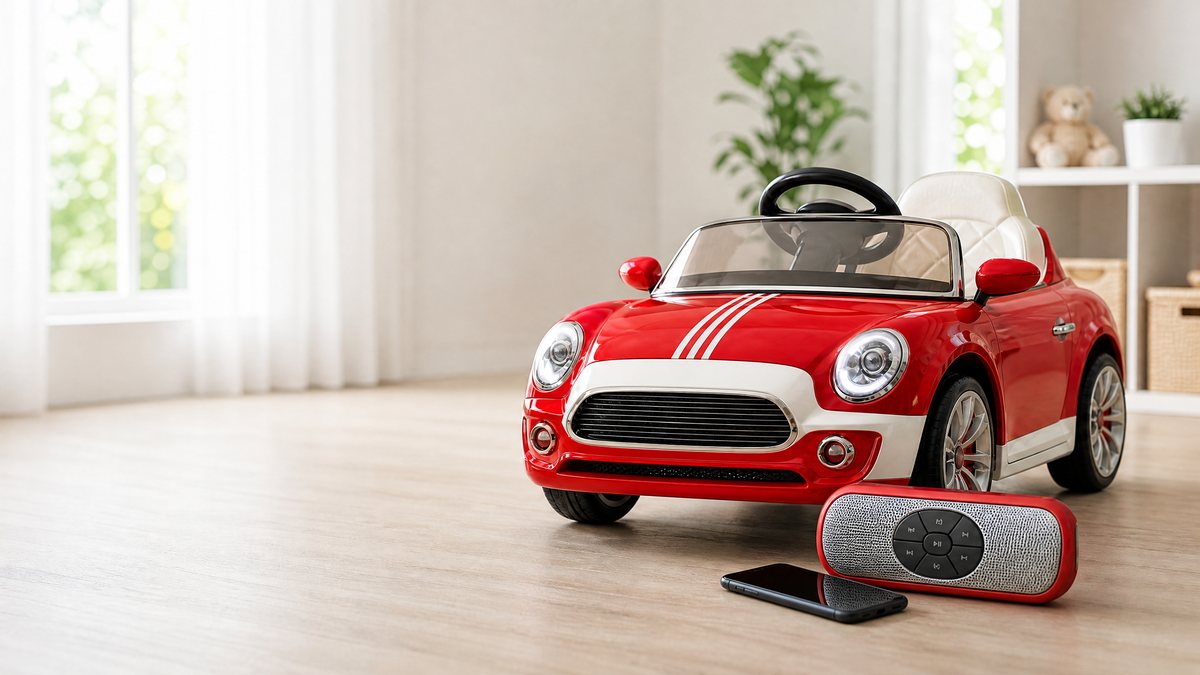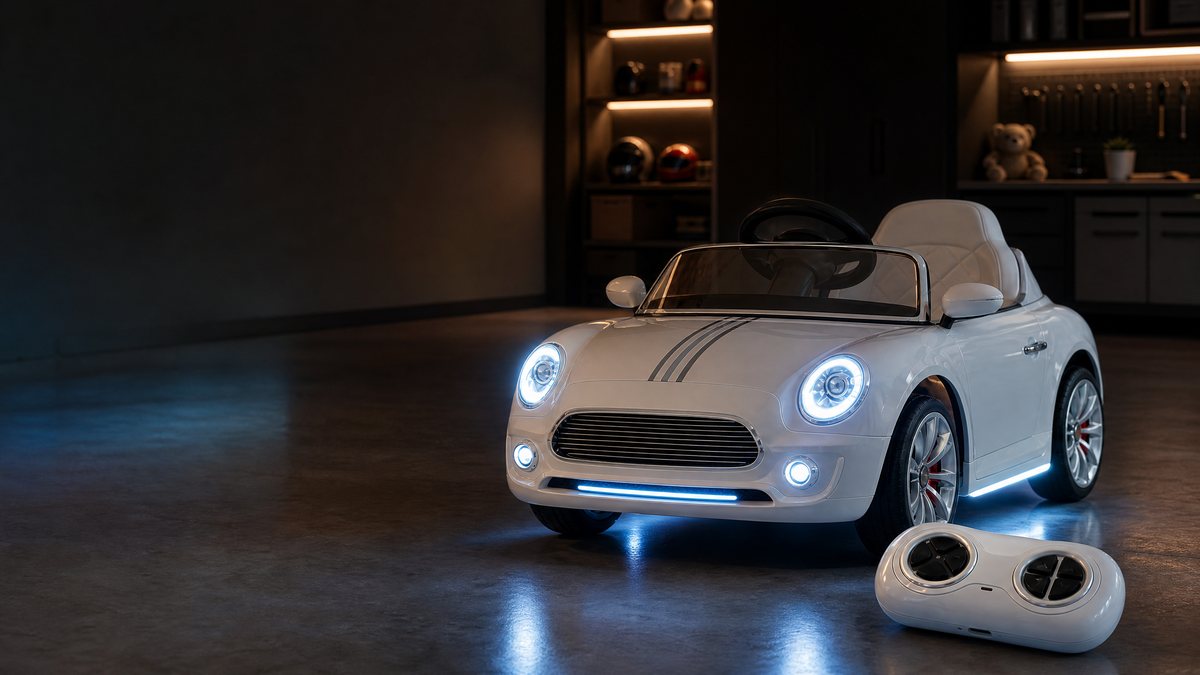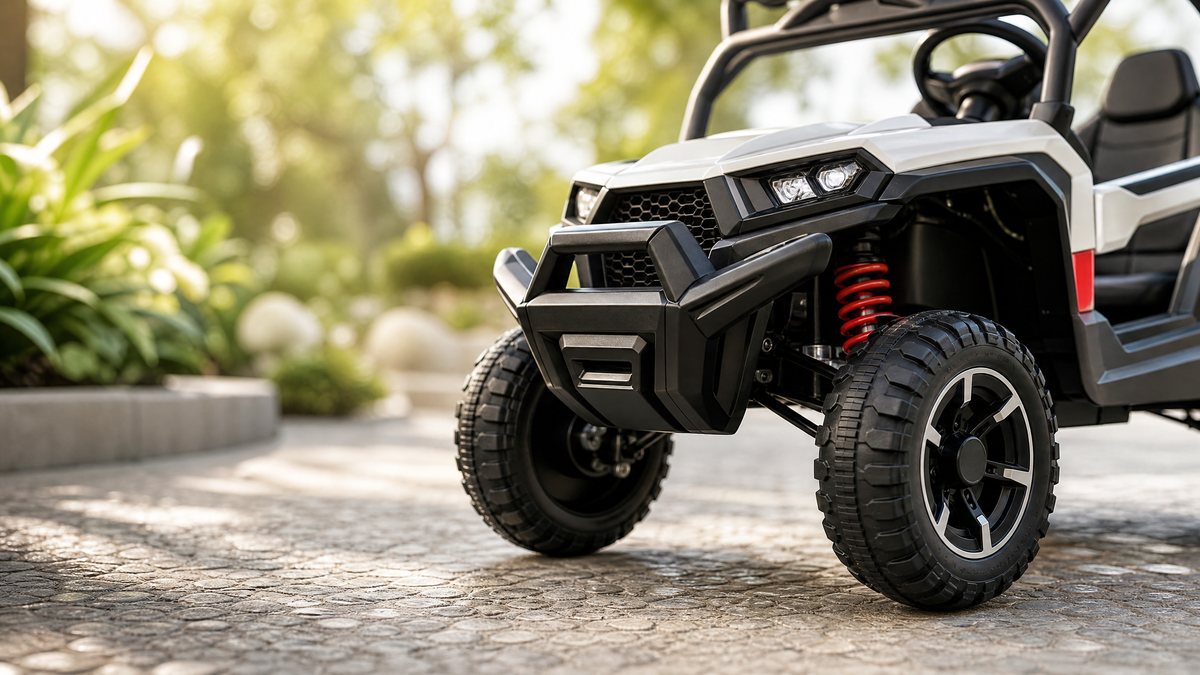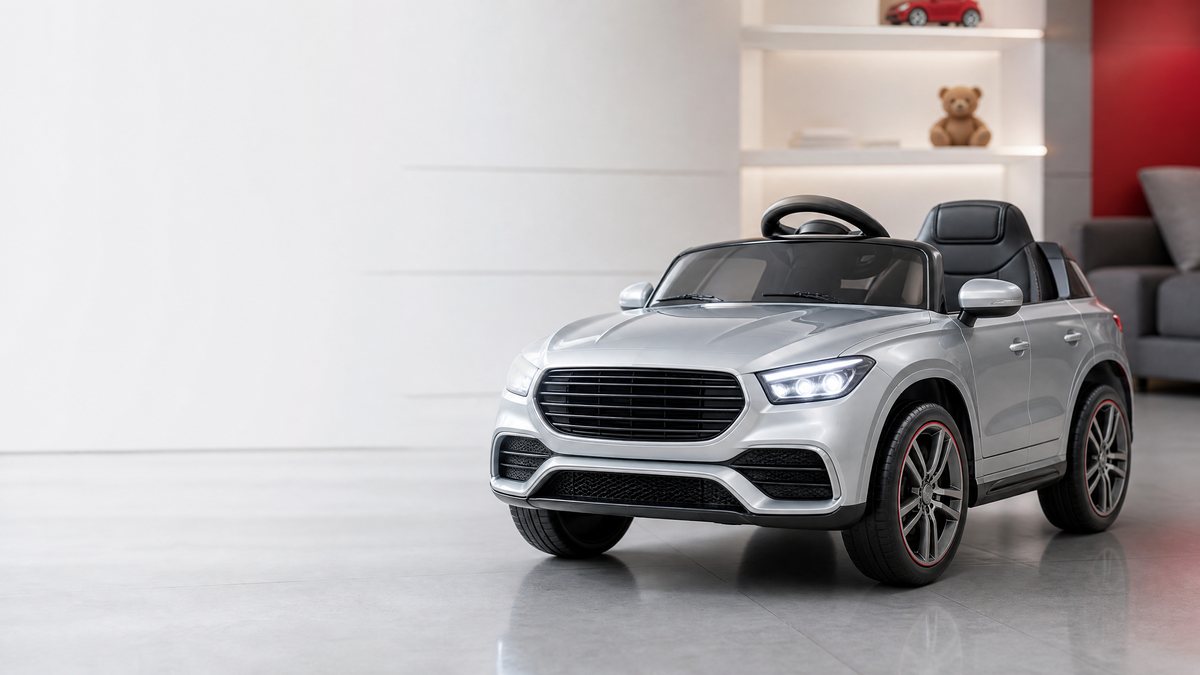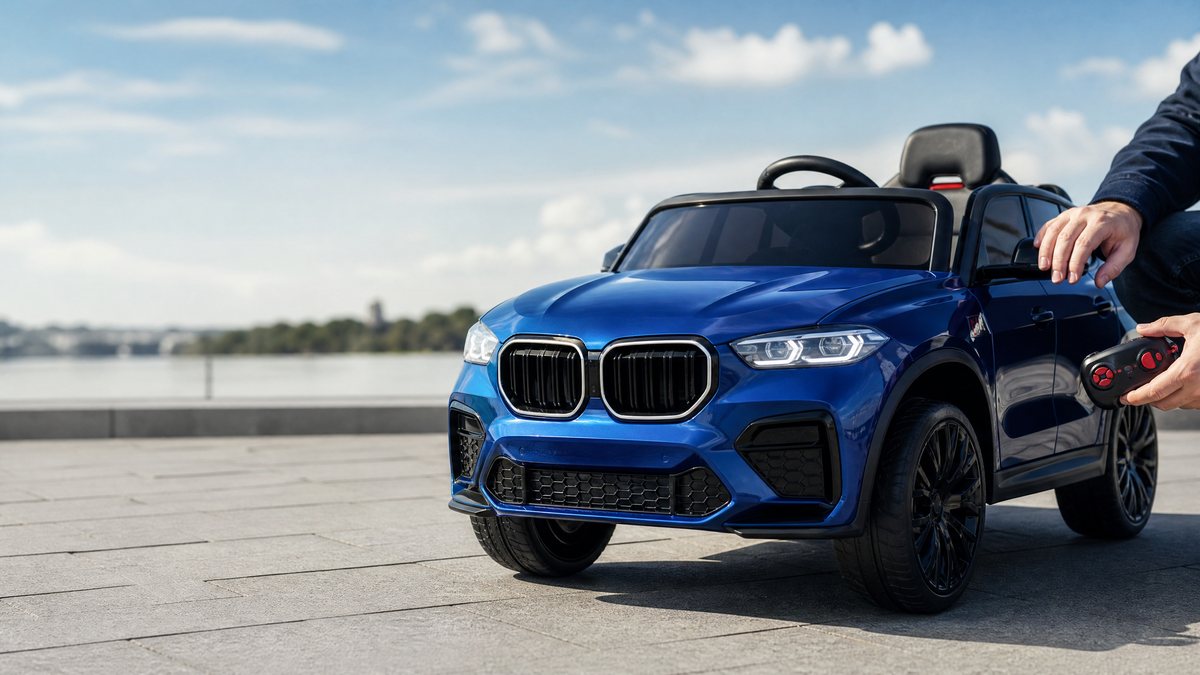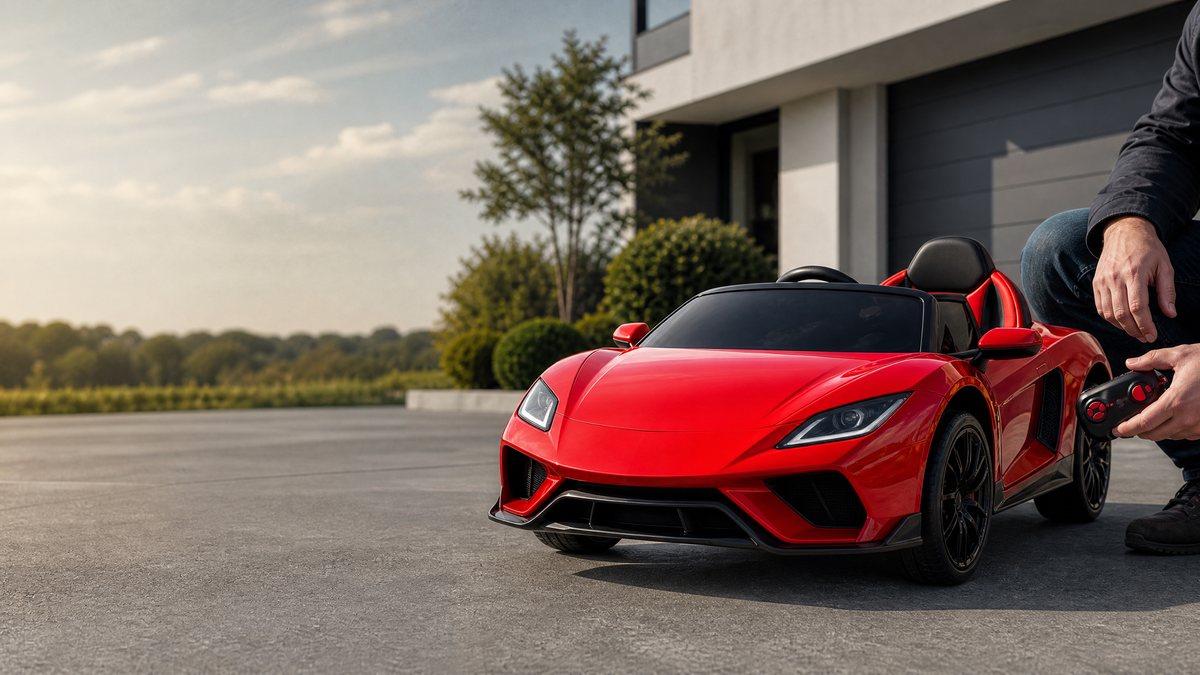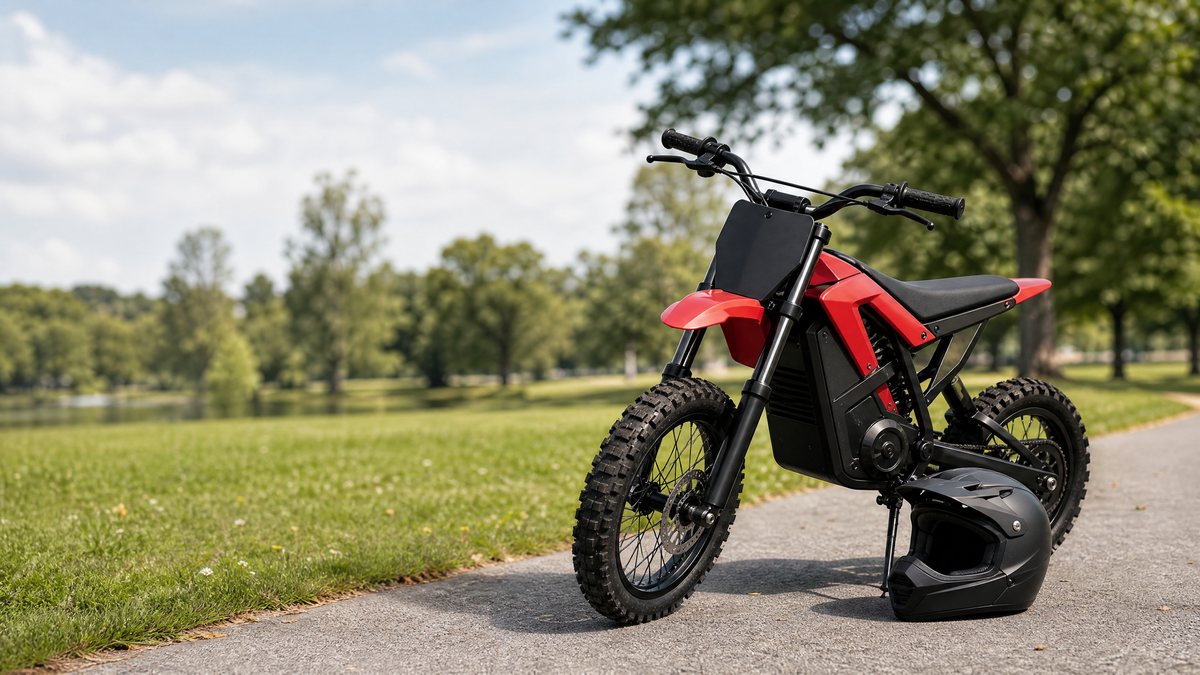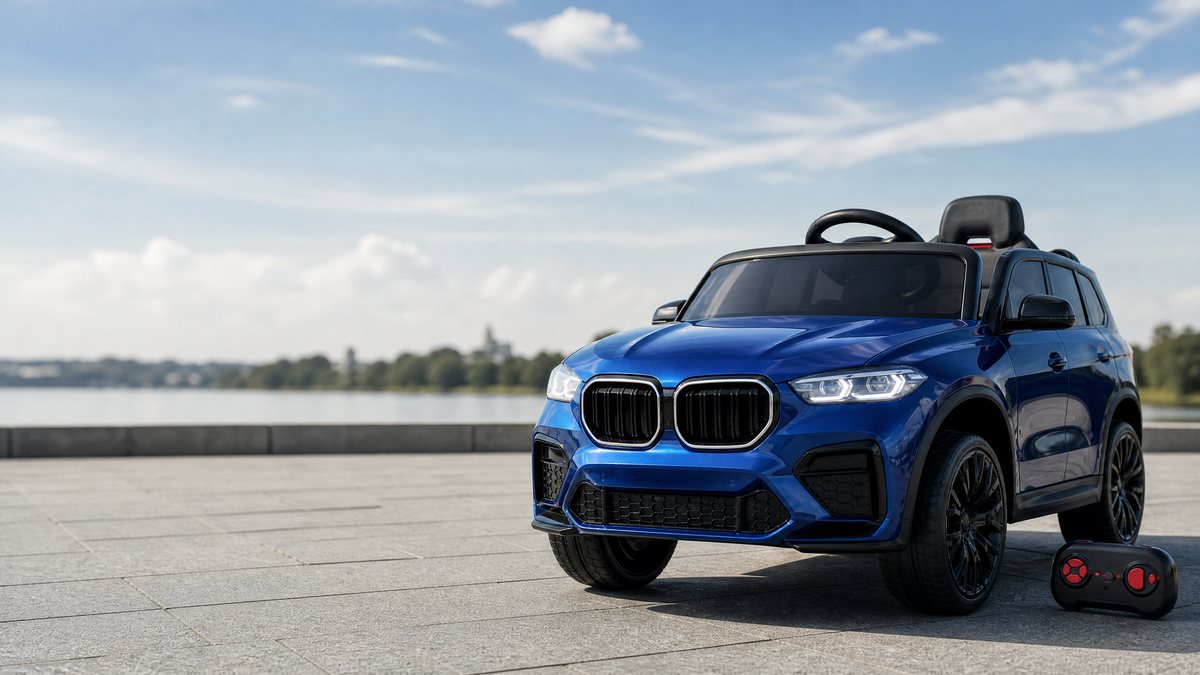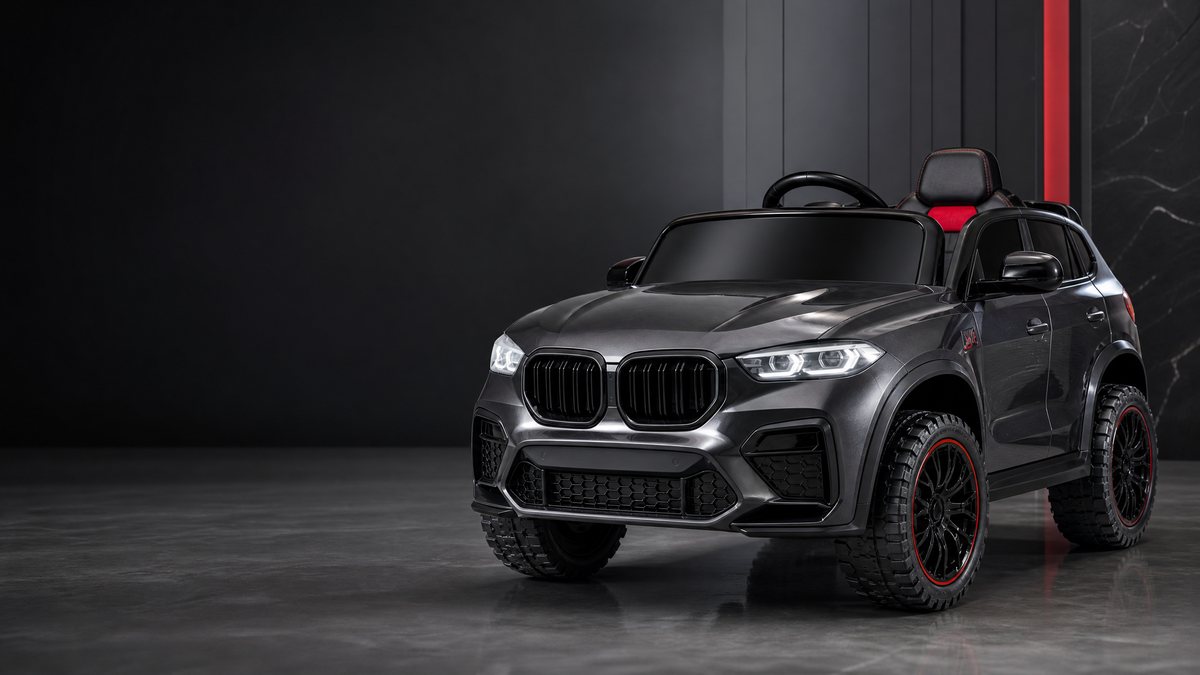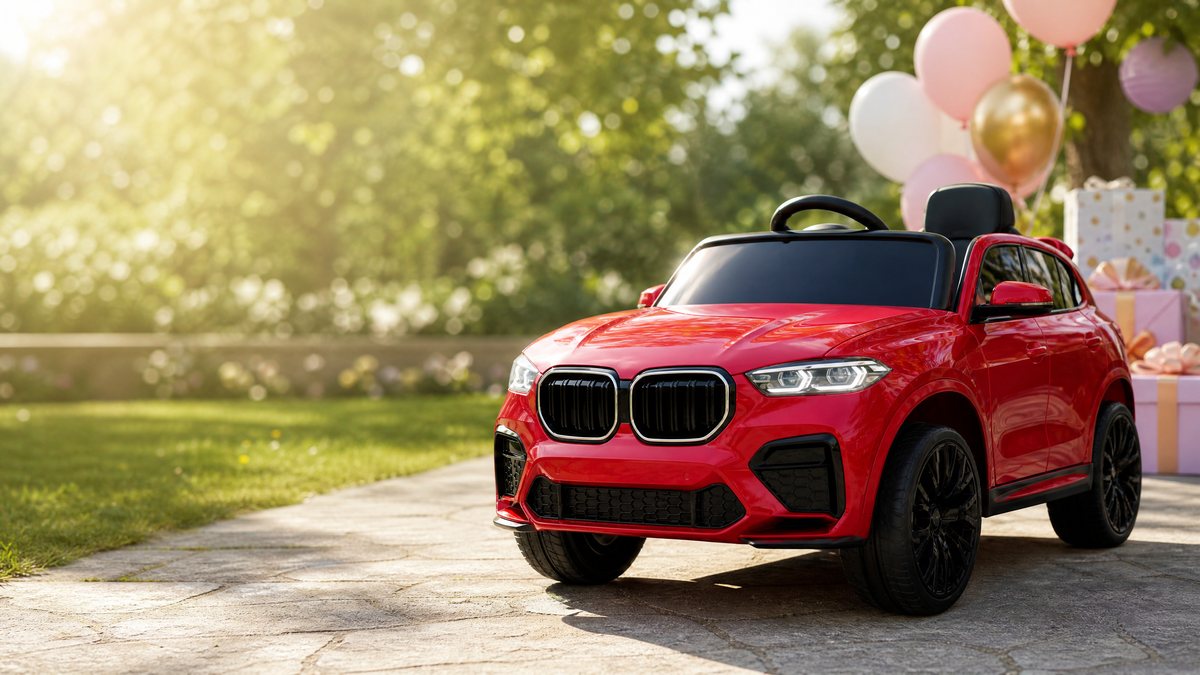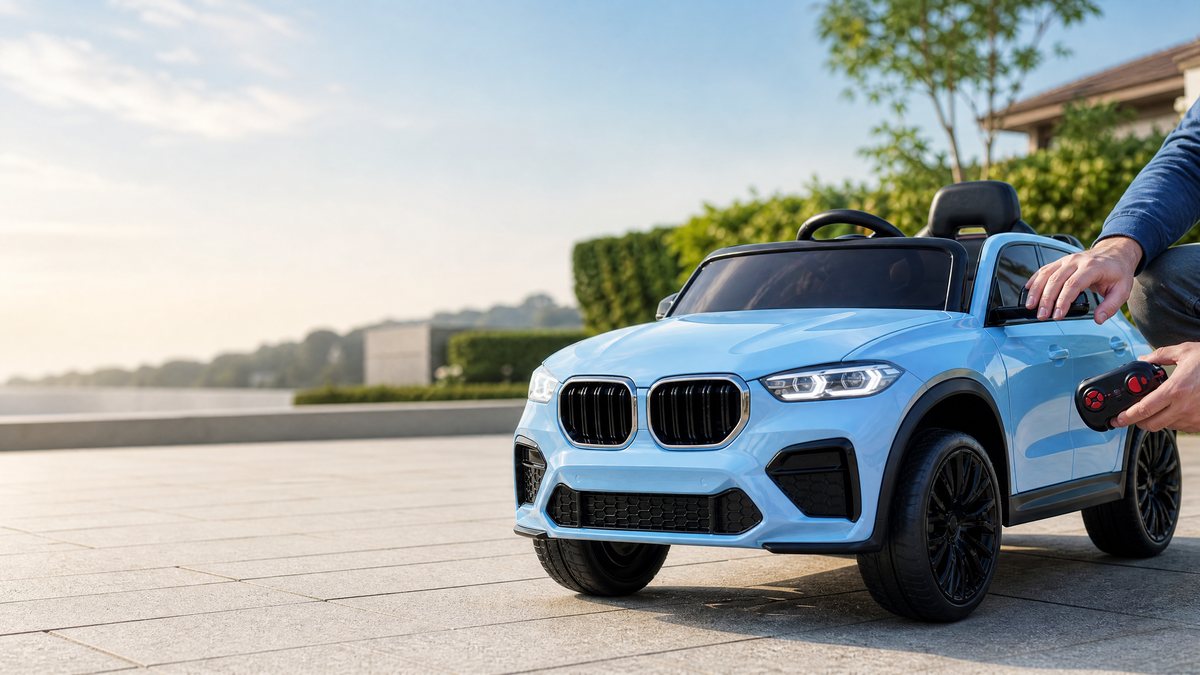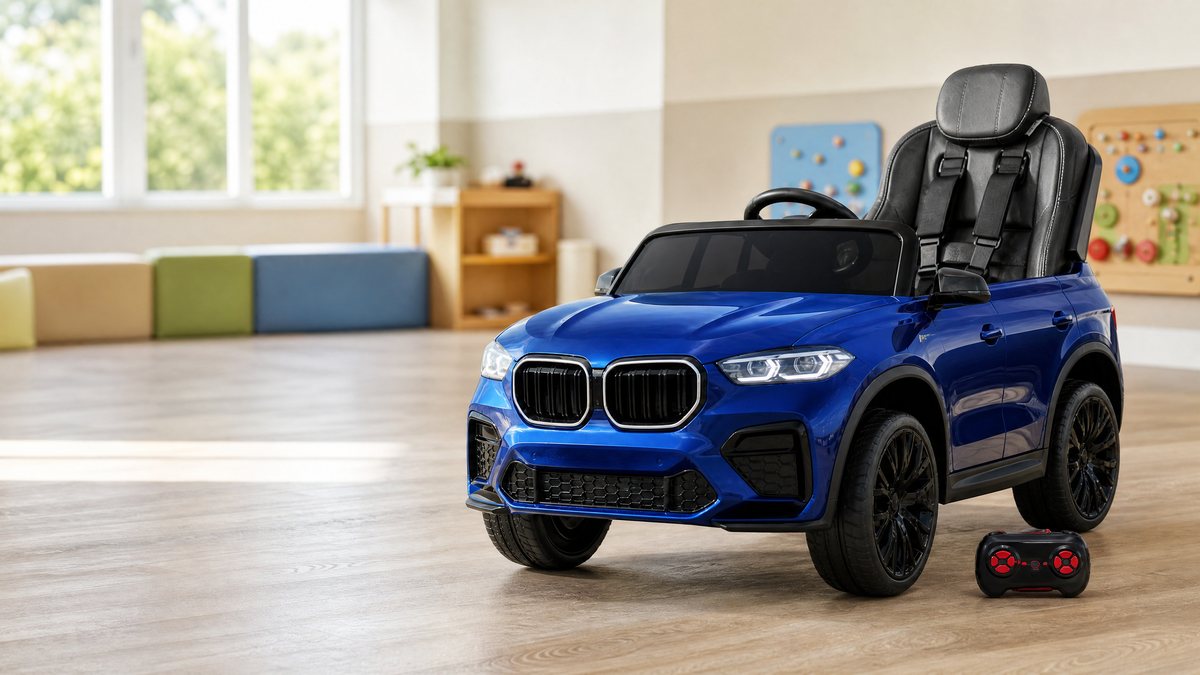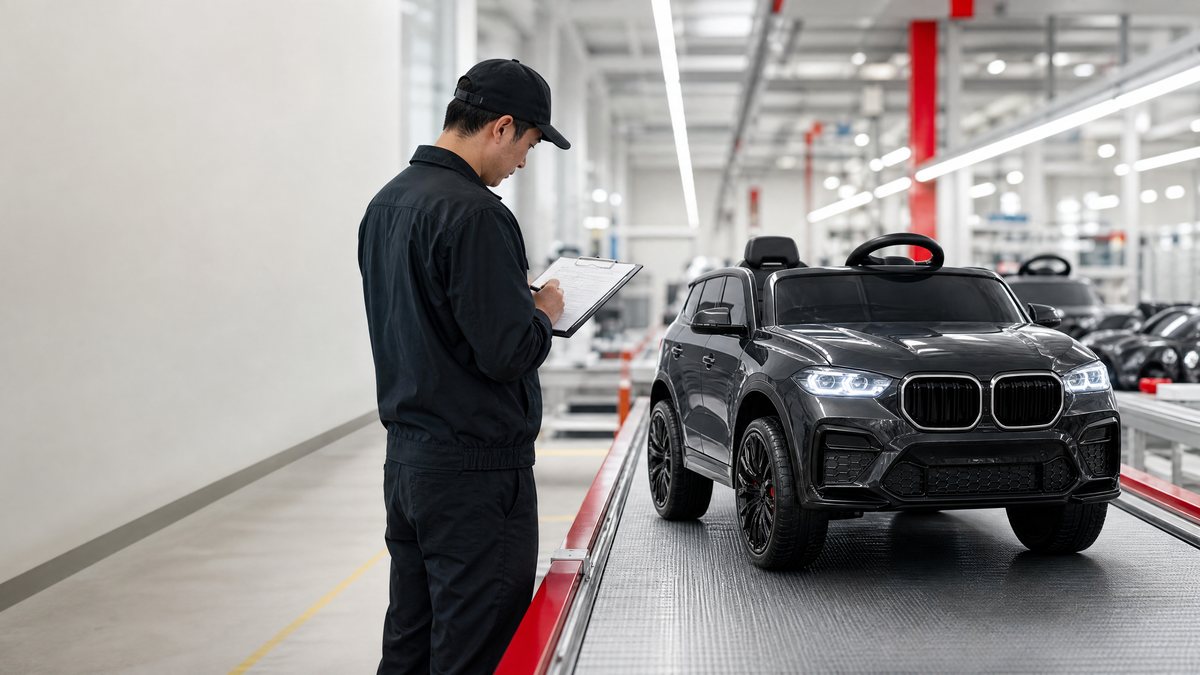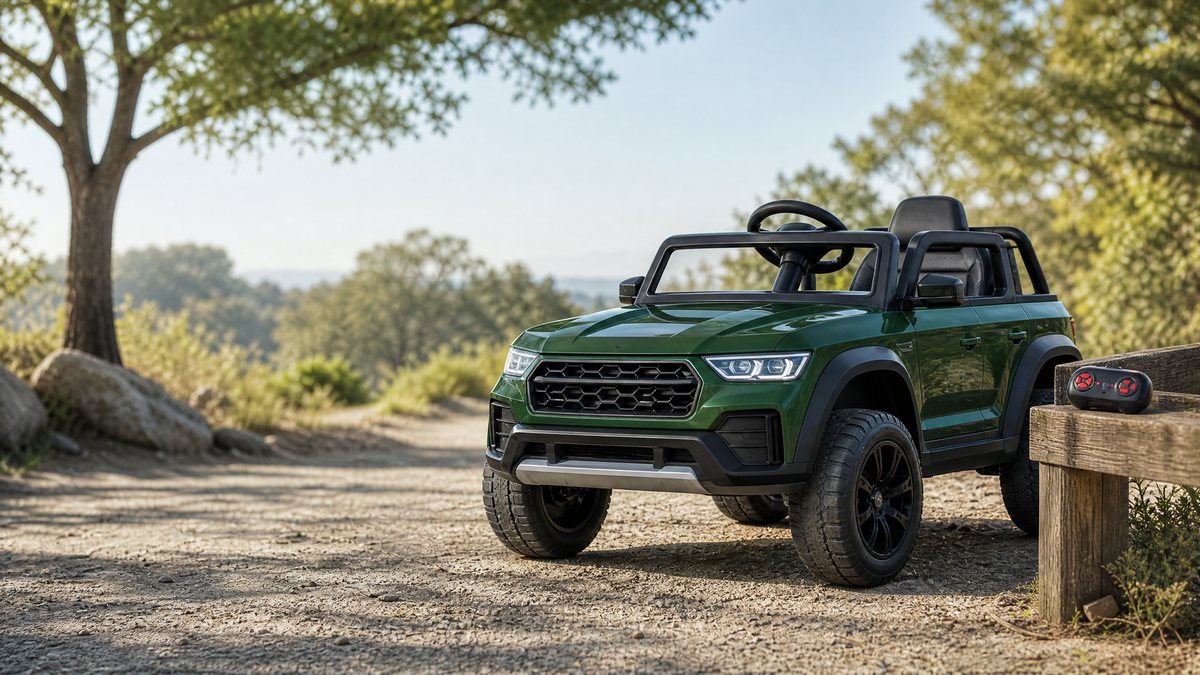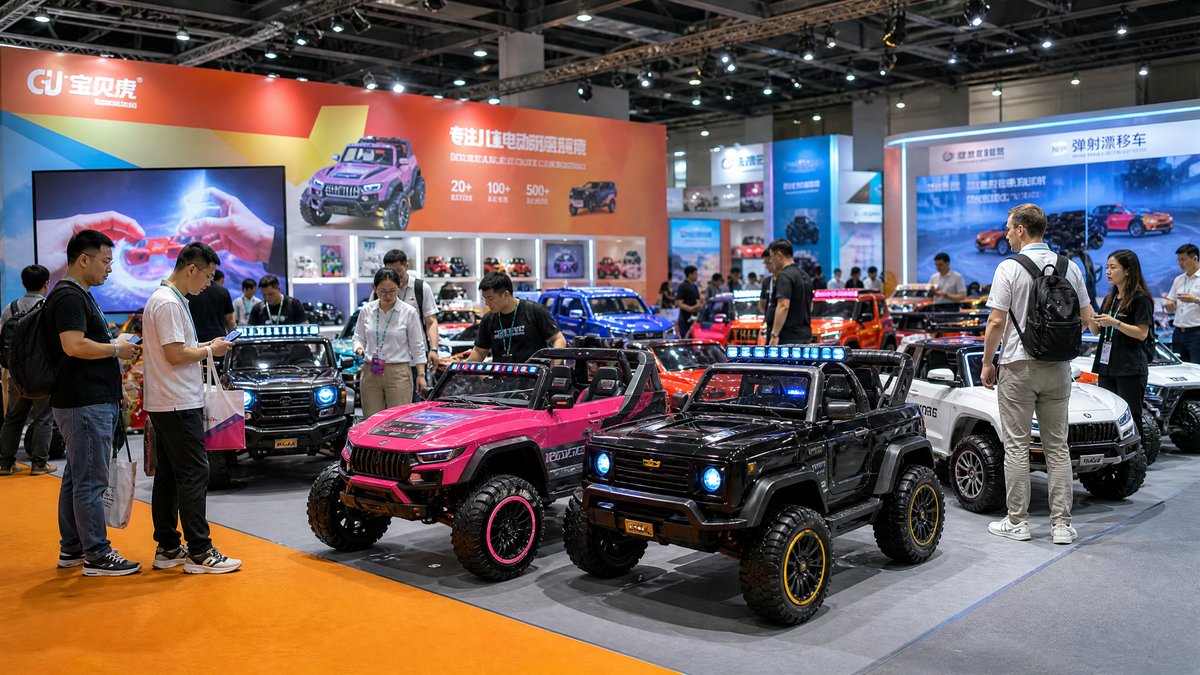
In contemporary discussions surrounding early childhood development, physical literacy, and active play, educators, pediatricians, and industry experts increasingly emphasize the importance of movement-rich environments. As parents, educators, and B2B distributors seek innovative ways to encourage children to step away from sedentary screens and engage with the physical world, ride-on cars have emerged as much more than simple recreational novelties. When integrated thoughtfully into daily routines, motorized and pedal-powered ride-on vehicles serve as valuable catalysts for gross motor skill enhancement, spatial awareness, vestibular stimulation, and cardiovascular health. At KidsRideCar, our commitment to supporting wholesale partners and retail customers extends far beyond manufacturing premium mobility toys; we also strive to provide comprehensive educational resources on how these products can be utilized safely and effectively to promote active, healthy lifestyles in growing children across international markets.
Understanding the intersection of play and physical exercise requires looking closely at how children naturally interact with their surrounding environment. Unlike passive entertainment options that keep children seated indoors in front of digital displays, operating a ride-on car demands active physical participation, constant neuromuscular coordination, and proactive environmental scanning. Whether a child is navigating a backyard obstacle course in a pedal go-kart or operating a battery-powered SUV under strict adult supervision, their bodies are continually engaged in dynamic stabilizing, steering, and postural control. For retail buyers, toy store owners, and institutional purchasers, highlighting these active play benefits can significantly elevate product value propositions in competitive global markets. For wholesale inquiries, bulk purchasing assistance, or custom fleet requirements, partners are encouraged to Request a wholesale quote today.
The Evolution of Active Play and Mobility Toys in Modern Retail
The modern retail landscape for children's goods is heavily influenced by digital devices and sedentary entertainment systems. Pediatric health organizations across the globe consistently emphasize the critical necessity of daily physical activity for healthy growth, bone density development, and emotional well-being during formative years. However, motivating young children to engage in physical exercise can sometimes prove challenging for parents and caregivers. Traditional sports equipment or standard playground structures may not always capture the sustained interest of every child, leading to declining outdoor activity rates and rising concerns over childhood inactivity.
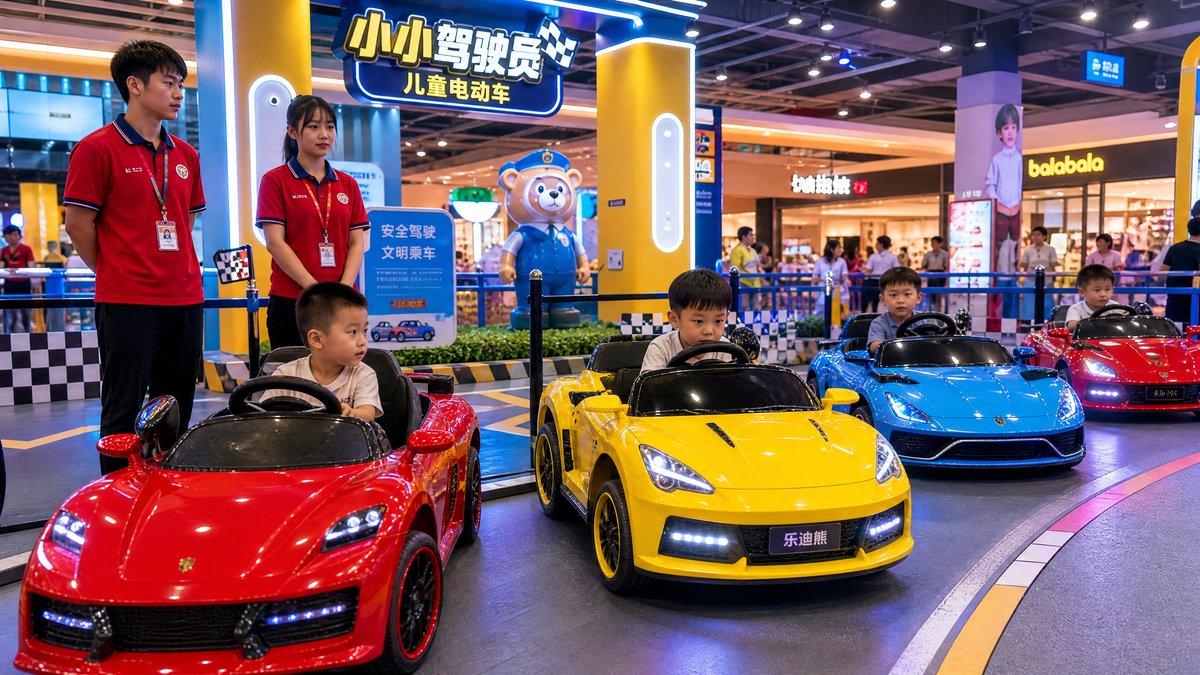
This is where motorized and foot-to-floor ride-on cars successfully bridge the gap between imaginative role-play and physical exertion. By combining driving scenarios with physical mobility, ride-on vehicles transform ordinary outdoor spaces into exciting exploration arenas. A standard residential driveway becomes a winding highway, and a local community park transforms into an adventurous expedition zone. This imaginative framing motivates children to spend significantly more time outdoors, running alongside the vehicle, pushing foot-to-floor models, or adjusting their posture and steering inputs while operating battery-powered cars. For B2B clients looking to curate inventories that resonate with health-conscious modern parents, stocking diverse categories of ride-on vehicles represents a forward-thinking commercial strategy that aligns perfectly with contemporary wellness trends.
Furthermore, the commercial appeal of ride-on cars lies in their versatility across various age groups and developmental stages. From early toddler push-cars that encourage independent walking and leg muscle engagement to advanced multi-speed ride-on trucks that require sophisticated hand-eye coordination and spatial reasoning, these products offer a continuous spectrum of developmental value. Wholesalers and specialty retailers who understand these underlying dynamics are uniquely positioned to educate consumers, build lasting brand loyalty, and drive consistent sales volume throughout the retail calendar.
Gross Motor Skills, Balance, and Core Stability in Young Riders
Operating a ride-on car is far more complex than simple entertainment; it constitutes an active physical exercise session disguised as play. When children engage with ride-on cars, several key physiological and biomechanical systems are simultaneously activated. Balance, core stability, spatial orientation, and upper-body coordination all come into play as the child maneuvers the vehicle across various terrains under adult supervision.
Core stability is particularly engaged during steering maneuvers, cornering, and acceleration events. Even in battery-powered models equipped with foot pedals or hand throttles, children must stabilize their trunk muscles to maintain an upright posture while turning or navigating uneven surfaces. Foot-to-floor models, on the other hand, require continuous lower-limb propulsion, directly strengthening the quadriceps, hamstrings, and calf muscles while building cardiovascular endurance. Proprioceptive feedback—the body's ability to sense movement, action, and location—is constantly stimulated as children gauge steering wheel resistance, pedal pressure, and vehicular momentum. Wholesalers and commercial buyers looking to provide detailed product specifications and developmental benefits to their retail networks will find that emphasizing these biomechanical advantages adds substantial commercial depth to their product catalogs.
In addition to muscular strengthening, active ride-on vehicle play contributes significantly to vestibular system development. The vestibular system, located in the inner ear, is responsible for maintaining balance and spatial orientation. As children steer through curves, navigate slopes within manufacturer-specified limits, and stop and start their vehicles, their vestibular systems process dynamic motion inputs, enhancing overall motor planning, coordination, and physical confidence.
Designing Structured Physical Exercise Routines with Ride-On Cars
To maximize the physical exercise benefits of ride-on cars, parents, caregivers, and institutional operators can establish structured, engaging activity routines. Rather than allowing children to drive aimlessly without direction, introducing gentle structure turns playtime into a rewarding physical workout session. Outdoor obstacle courses, timed navigation challenges, and designated exercise circuits can be easily established using safe, soft boundary markers in controlled environments such as enclosed backyards or community parks.
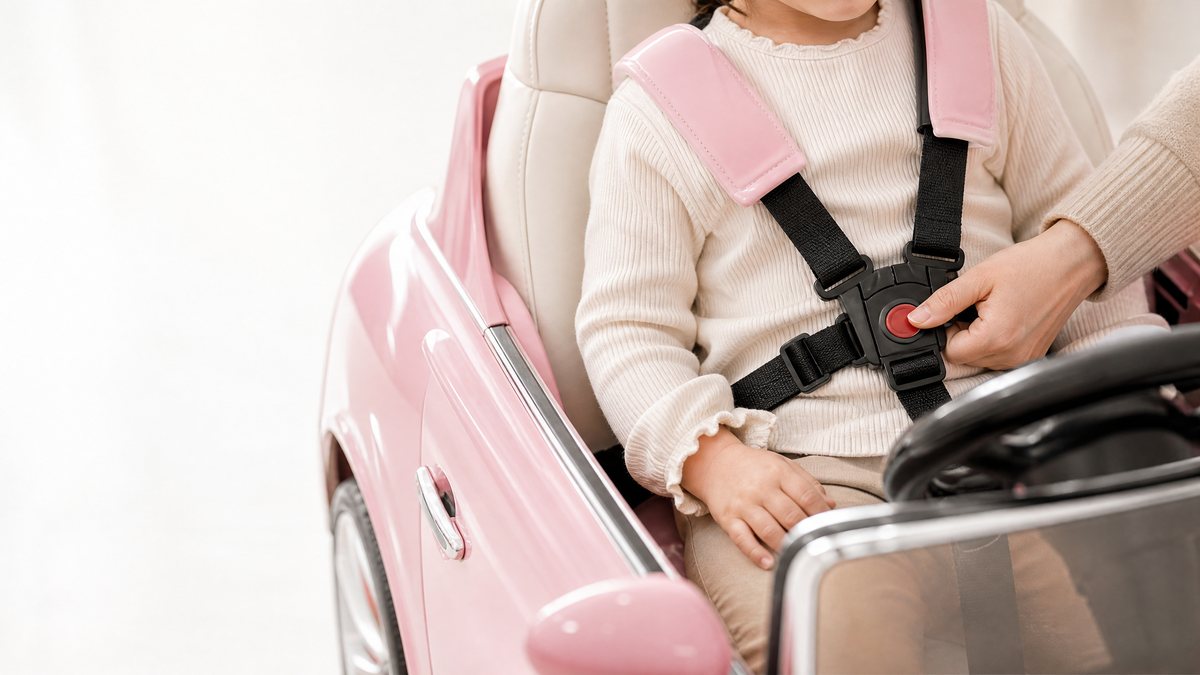
When organizing an active play session with ride-on vehicles, it is essential to tailor the intensity and duration of operation to the individual child's age, physical capacity, and comfort level, always adhering strictly to the manufacturer nameplate and operational manual. Caregivers should ensure that sessions include adequate warm-up and cool-down periods, alongside regular hydration breaks. Furthermore, adult supervision must remain constant throughout every phase of play. By establishing clear guidelines, such as designated driving lanes, speed limits within the play zone, and mandatory helmet use where applicable, caregivers create a secure environment where children can freely test their physical limits and coordination skills without compromising safety.
| Feature / Activity Type | Sedentary Screen Play | Passive Toy Play | Structured Ride-On Active Play |
|---|---|---|---|
| Physical Exertion Level | Minimal (seated, stationary) | Low (occasional handling) | Moderate to High (steering, core stabilization, propulsion) |
| Gross Motor Engagement | Virtually none | Limited hand-eye coordination | Dynamic trunk control, spatial coordination, limb movement |
| Cardiovascular Impact | Negligible | Low | Elevated heart rate through active outdoor movement |
| Environmental Awareness | Restricted to 2D displays | Isolated spatial interaction | Active 360-degree environmental scanning and navigation |
| Social & Imaginative Depth | Isolated or passive observation | Standard toy manipulation | Active role-play, cooperative sharing, and outdoor exploration |
Commercial and Retail Value for B2B Partners and Fleet Operators
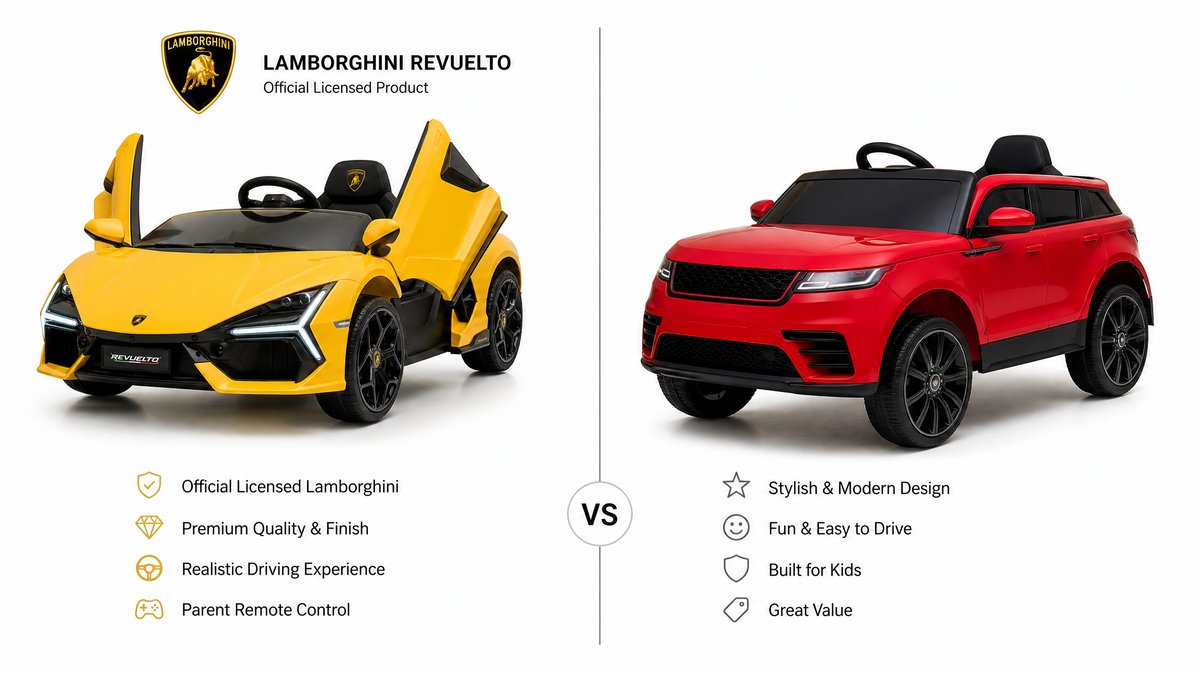
For B2B distributors, toy importers, and specialty retail chains, understanding how consumers utilize ride-on cars for physical exercise opens up powerful marketing angles and merchandising opportunities. Modern retail buyers are increasingly seeking products that offer holistic value, combining entertainment, durability, and developmental support. Positioning ride-on cars not merely as luxury gifts, but as functional tools for active outdoor play and motor skill development, allows retailers to differentiate their offerings in crowded marketplaces.
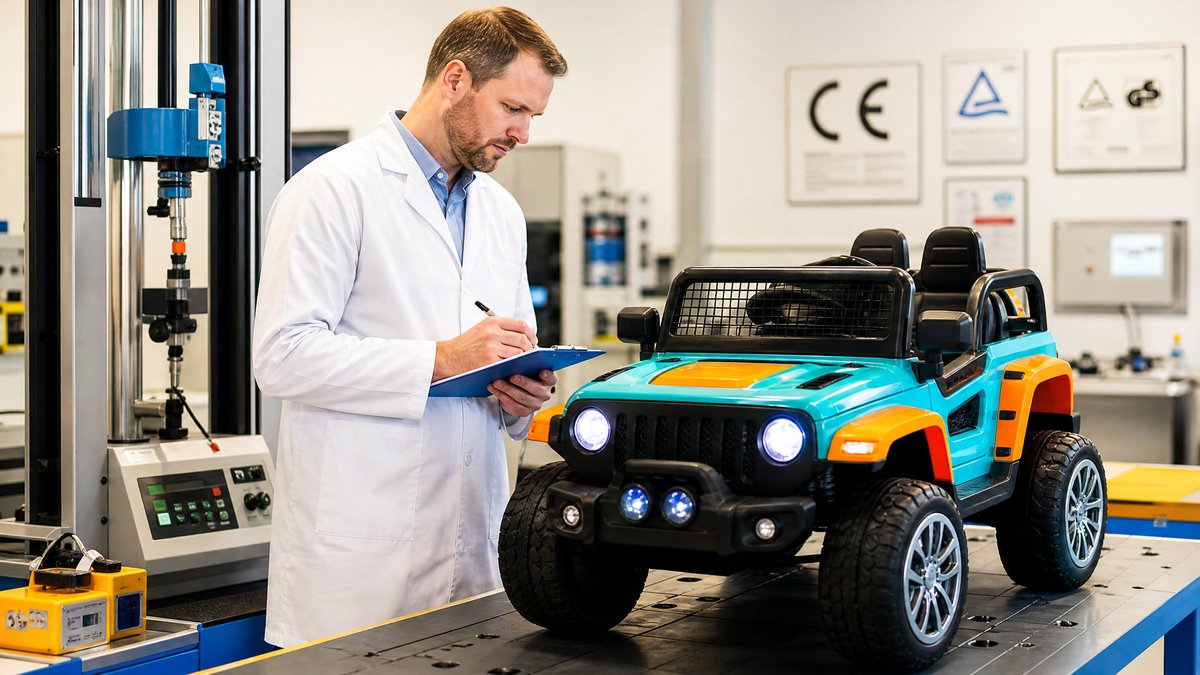
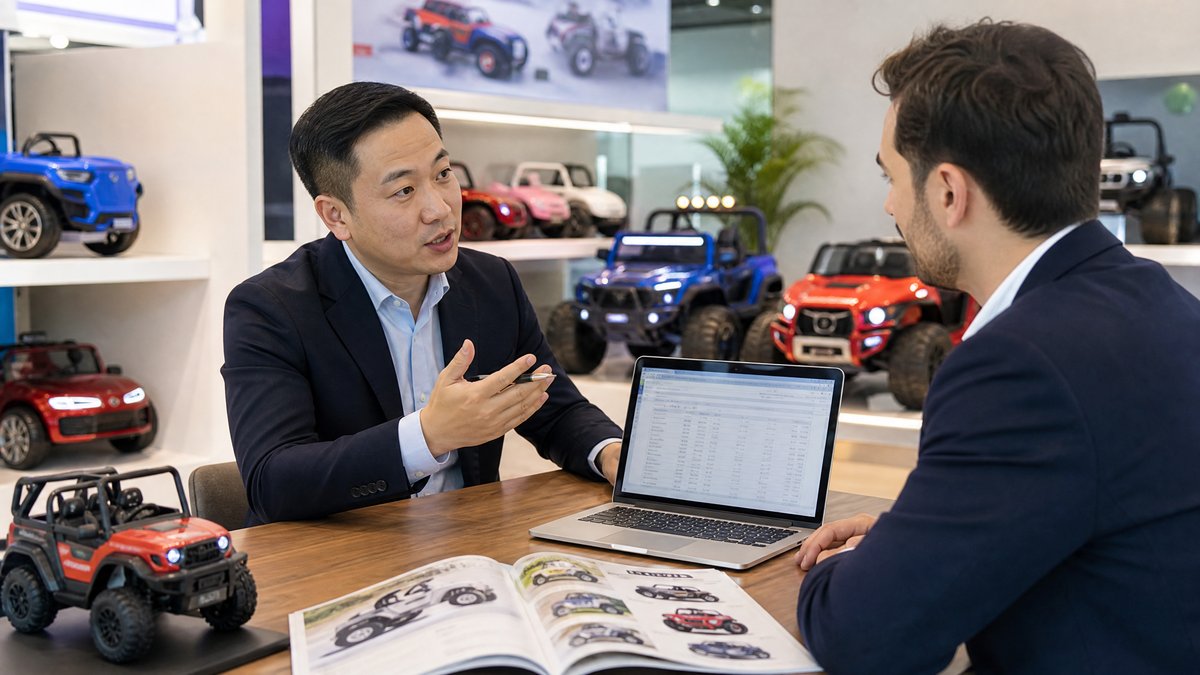
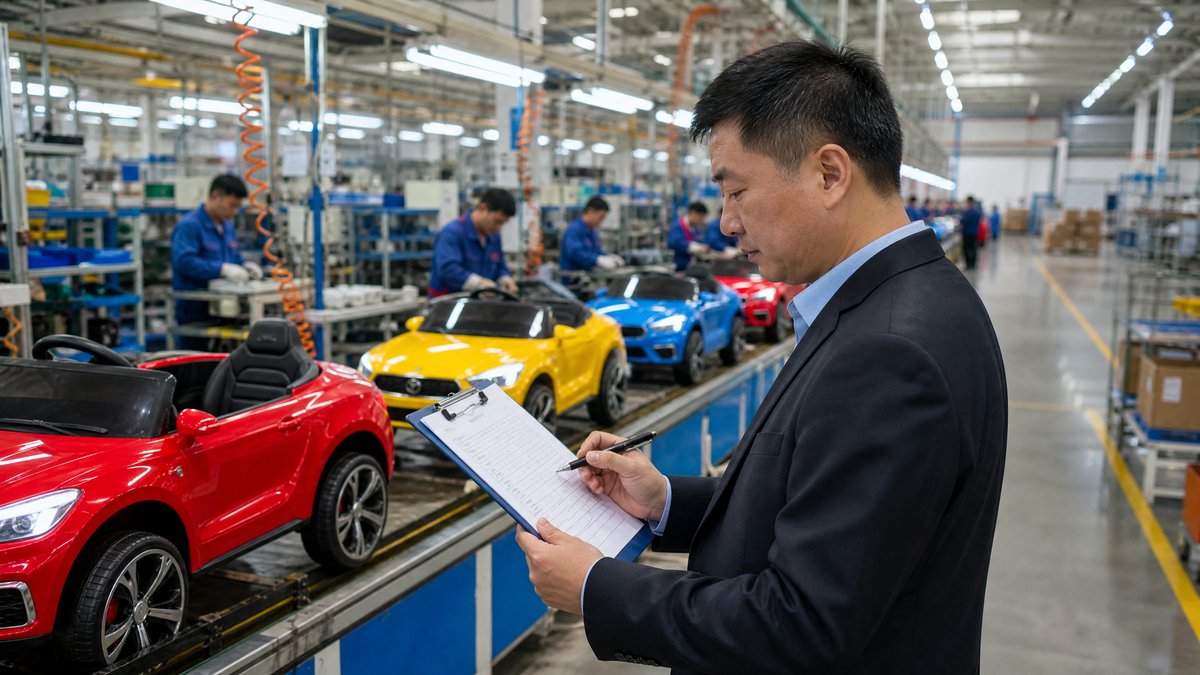
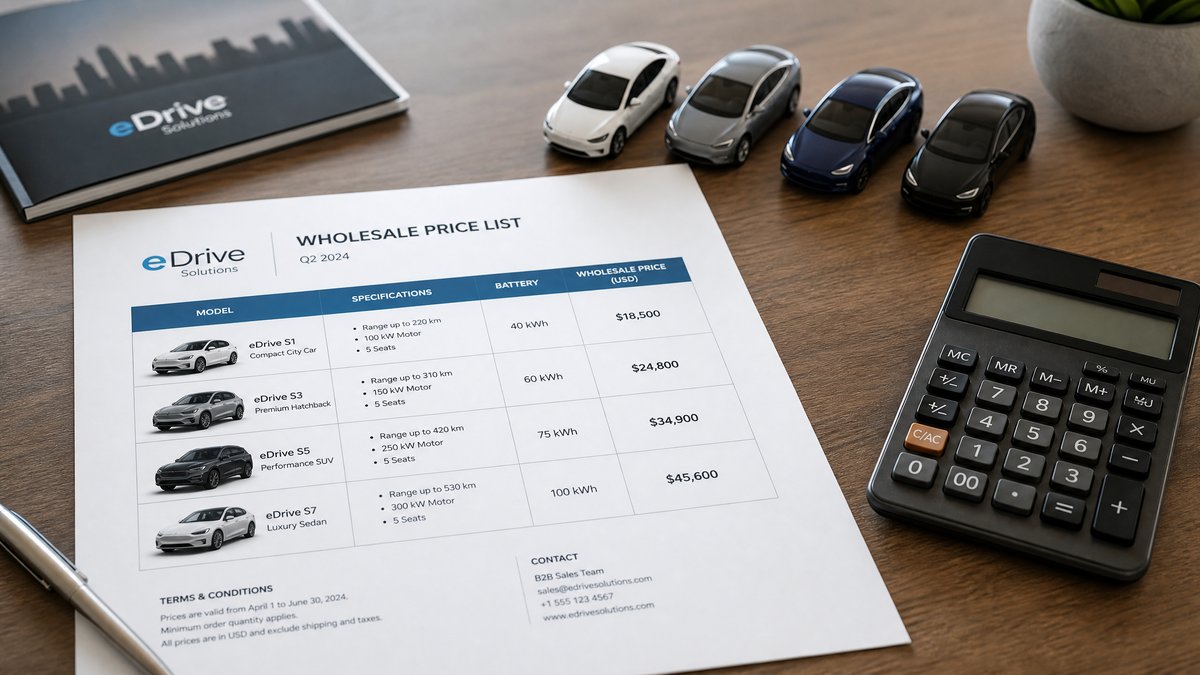
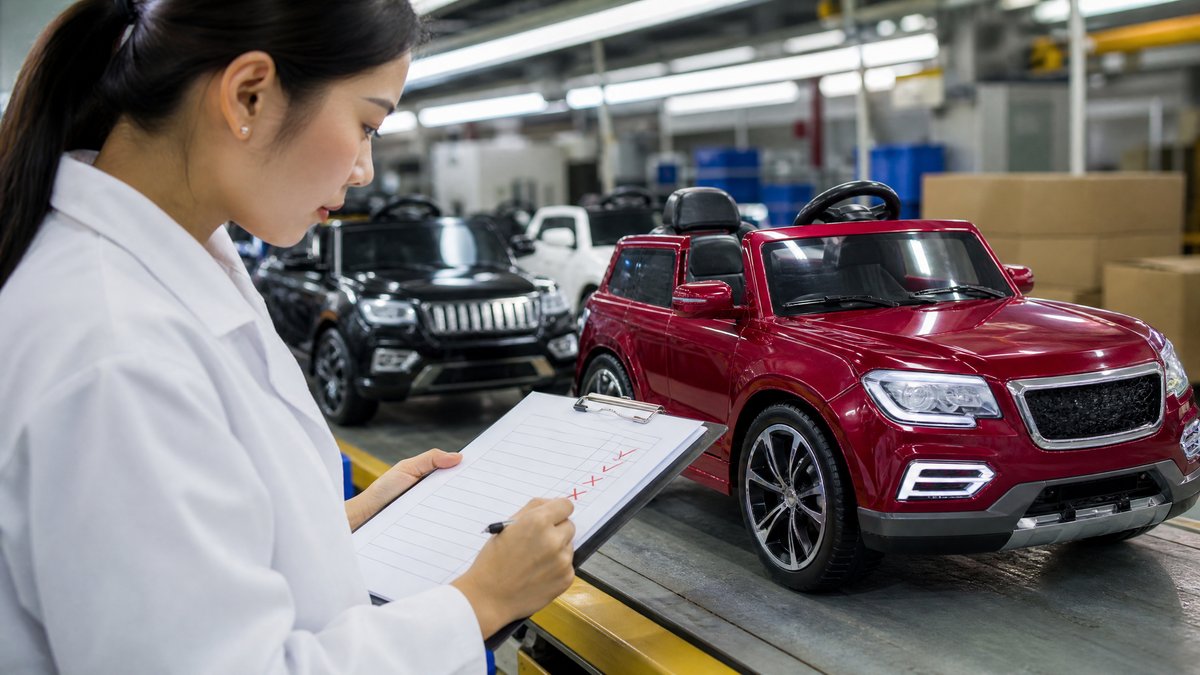
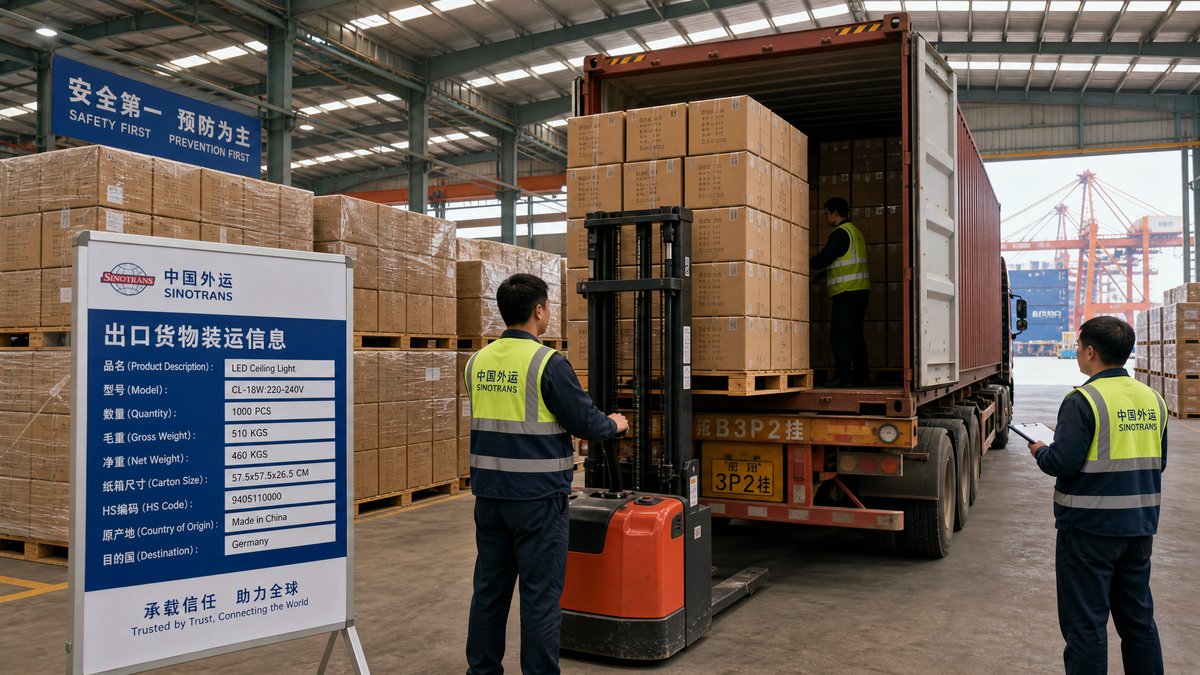
Wholesale buyers partnering with trusted manufacturers can leverage comprehensive product documentation, safety certifications, and clear operational guidelines to build long-term consumer trust. By ensuring that all supplied inventory complies with international safety standards and includes explicit user manuals detailing supervision protocols, B2B partners safeguard their brand reputation while meeting the growing demand for health-conscious children's goods. Institutional buyers, such as daycare facilities, kindergarten playgrounds, and family entertainment centers, also benefit greatly from curating durable, commercial-grade ride-on fleets that withstand rigorous daily use while supporting children's physical education curriculums. To explore partnership opportunities, custom catalog requests, or container-load wholesale pricing, get in touch with our team directly today.
Safety, Supervision, and Manufacturer Guidelines
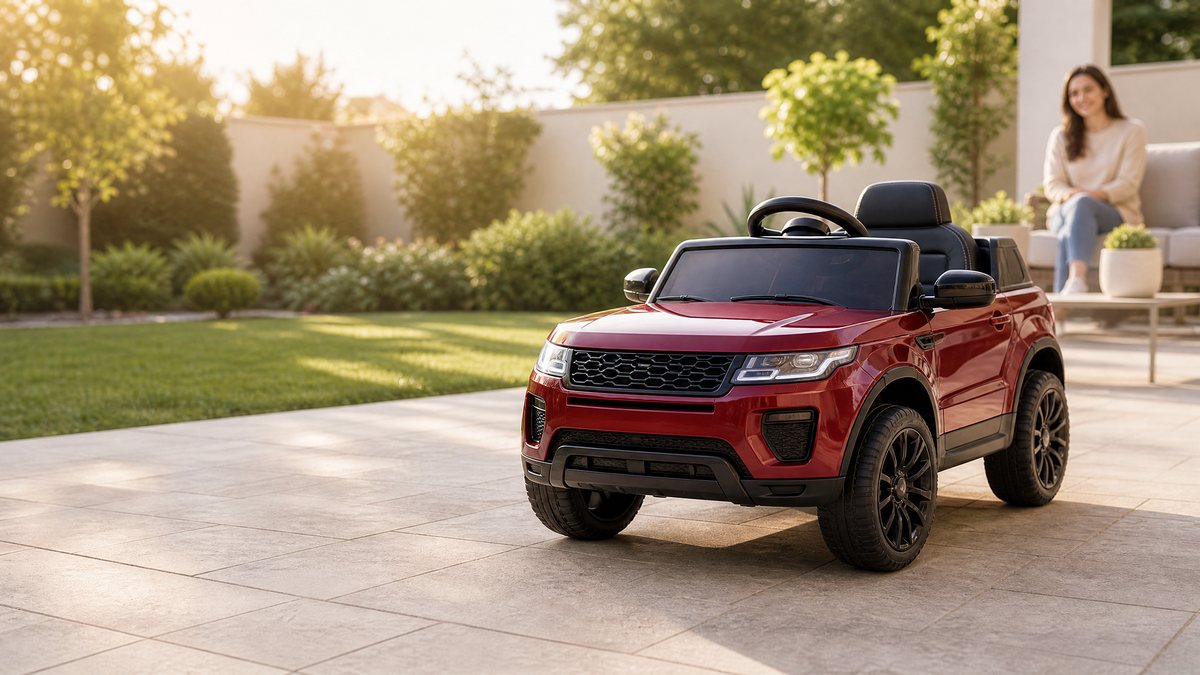
The integration of physical exercise and ride-on vehicles must always be underpinned by rigorous safety protocols and unwavering adult supervision. Whether dealing with foot-to-floor scooters, push-cars, or advanced battery-powered ride-on cars, adult oversight is non-negotiable. Caregivers must ensure that playtime occurs in safe, enclosed environments well away from public streets, traffic, steep inclines, bodies of water, or uneven hazards.
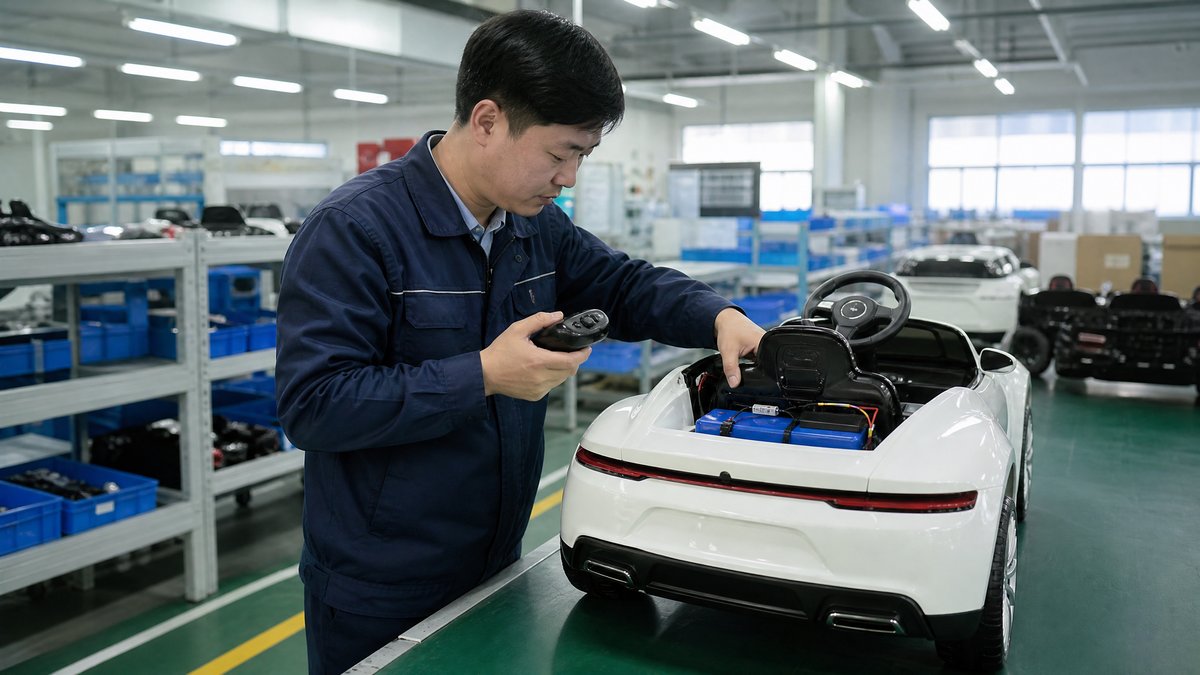
All operational practices must strictly adhere to the manufacturer's written instructions, safety warnings, and nameplate ratings. Under no circumstances should users attempt unauthorized modifications, such as bypassing internal protection circuits, altering wiring harnesses, modifying motors, or tampering with battery terminals. Doing so invalidates warranties and introduces severe safety hazards. In the event of any operational anomalies—such as unusual odors, smoke, excessive heat, liquid leakage, water ingress, exposed wiring, damaged charging cables, erratic braking behavior, or persistent electrical failures—users must immediately cease operation, power down the vehicle, disconnect the power source, keep children at a safe distance, and contact the manufacturer or qualified service personnel for professional evaluation.
Frequently Asked Questions
How do ride-on cars contribute to a child's physical development?
Operating ride-on cars encourages active outdoor movement, spatial awareness, core stability, and gross motor coordination. Whether through foot propulsion or steering control under adult supervision, children engage multiple muscle groups while improving their balance and reaction times in dynamic environments.
Are ride-on cars suitable for daily physical exercise routines?
Yes, when used as part of supervised outdoor play, ride-on cars can be a fun and engaging component of a child's daily physical activity routine. Caregivers should always ensure appropriate activity duration, monitor fatigue levels, and strictly follow the manufacturer's operational guidelines outlined in the product manual.
What safety precautions are necessary when children use ride-on cars outdoors?
Constant adult supervision is mandatory at all times. Play must take place in secure, enclosed areas away from traffic, steep slopes, swimming pools, and rough terrain. Children should wear appropriate protective gear, such as certified helmets, and all usage must comply with the specific safety instructions provided by the manufacturer.
How can B2B retailers effectively market ride-on cars to health-conscious parents?
Retailers can emphasize the holistic benefits of ride-on vehicles by highlighting their role in promoting active outdoor play, gross motor skill development, and screen-free engagement. Providing clear safety documentation, transparent product specifications, and comprehensive user manuals further builds consumer confidence and trust.
What should be done if a ride-on car exhibits unusual mechanical or electrical behavior?
If a vehicle shows signs of abnormal behavior, such as smoke, strange odors, excessive heating, exposed wires, damaged plugs, or unexpected braking failure, users must immediately turn off the unit, cease all operation and charging, move children away, and consult the manufacturer or authorized service technicians.
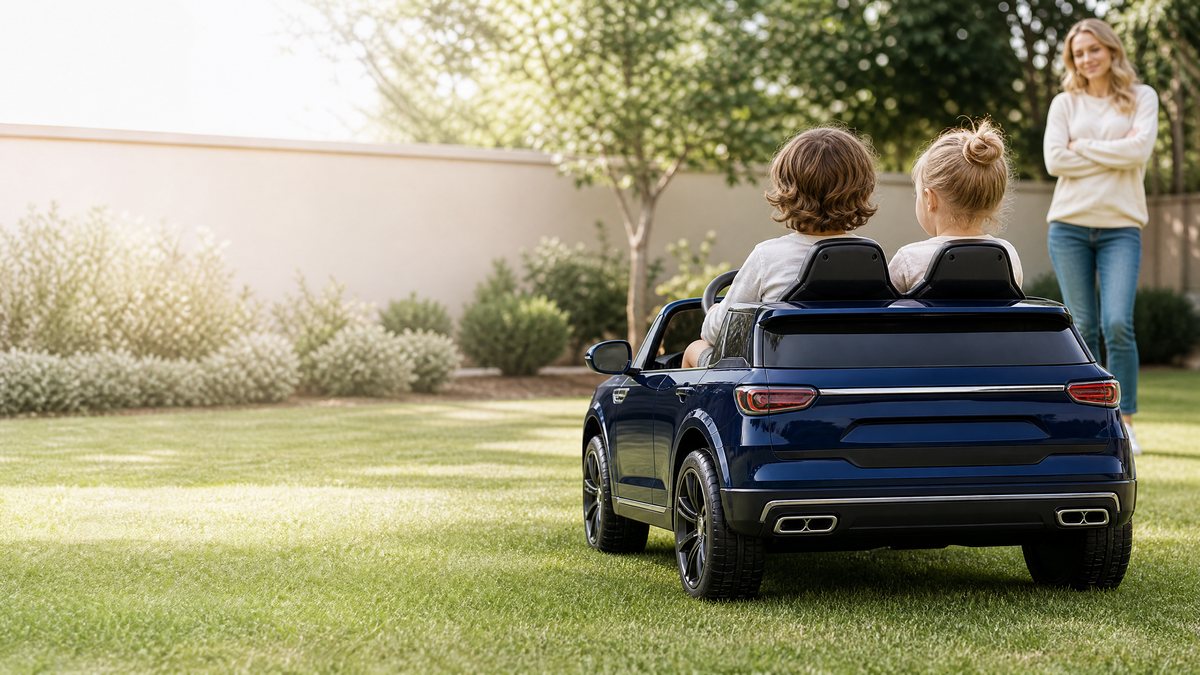
Additionally, fostering a supportive community environment around active play encourages children to view physical exercise as a joyful, social experience rather than a chore. When multiple children engage in supervised group activities with ride-on cars—such as relay games or cooperative driving courses—they build vital communication skills, learn patience, and practice sharing space safely. For commercial fleet operators and educational institutions, designing expansive, secure outdoor tracks with clear directional signage ensures that children can enjoy maximum physical exertion while remaining fully protected. Wholesalers who provide comprehensive guidelines on course setup and supervision best practices empower their retail clients to deliver exceptional value to end consumers worldwide.
Conclusion
Integrating ride-on cars into children's physical exercise and active play routines represents a harmonious blend of recreation and developmental support. By encouraging children to step outdoors, engage in imaginative spatial navigation, and exercise their gross motor skills, ride-on vehicles offer enduring value that extends far beyond standard toy entertainment. For B2B partners, distributors, and retail buyers, offering high-quality mobility toys backed by transparent safety protocols and comprehensive documentation provides a distinct competitive advantage in the global market. To discuss bulk orders, custom distribution agreements, or catalog details, please Request a wholesale quote to connect with our dedicated commercial team today.
Official References
1. U.S. Consumer Product Safety Commission (CPSC) - Toy Safety Education and Public Guidance Materials. Available at: https://www.cpsc.gov (Note: Official CPSC educational resources provide general toy safety guidance and do not replace specific manufacturer instructions, nameplate ratings, or model-specific safety certifications).
2. Pediatric Active Play and Developmental Guidelines - General overview of gross motor skill acquisition and childhood physical activity frameworks.
Official references
Explore these external resources for current regulatory and trade guidance. Confirm requirements with the relevant authority before placing an order.
Ready to Start?
Factory-Direct · CE & ASTM Certified · MOQ from 50 Units
Our export team works with buyers in 60+ countries. Get a quote within 24 hours.
KR
Written by KidsRideCar
China's leading kids electric ride-on car manufacturer. 500,000+ units shipped annually to 60+ countries. CE, ASTM & EN71 certified.