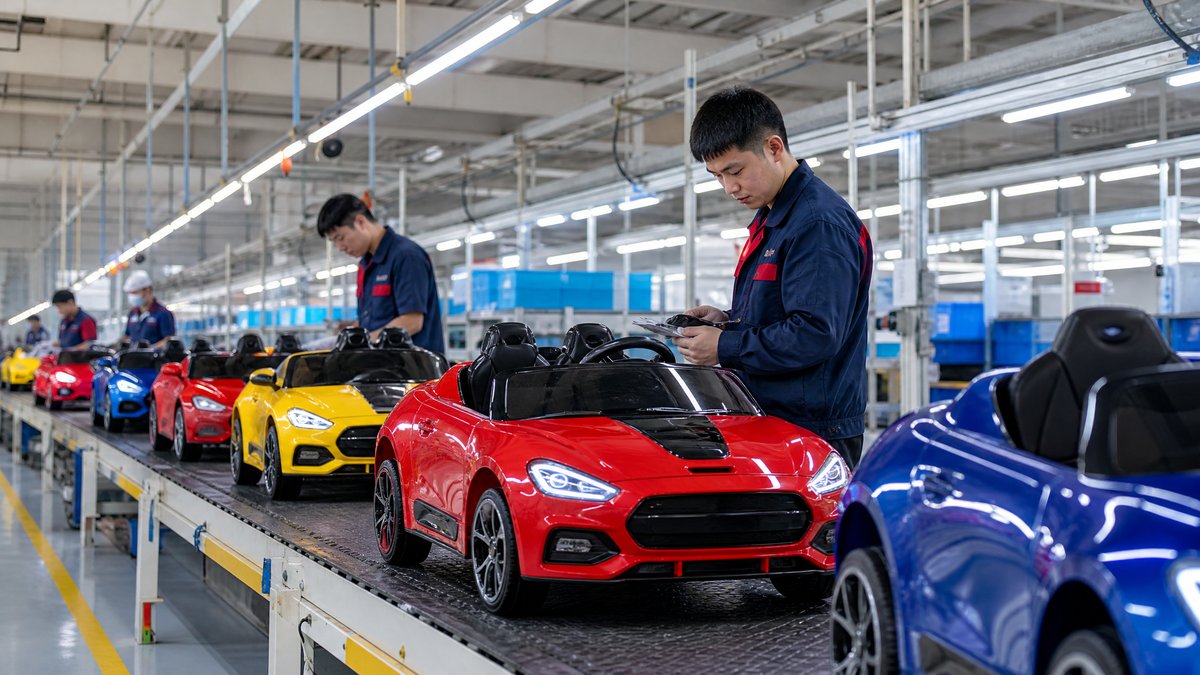
Distributors can build a stronger kids ride-on car launch kit by treating it as one controlled package of product facts, sales materials, customer-support resources, and release controls—not simply a box of promotional files. Start with an approved product-data master, then create retailer-facing and consumer-facing assets from that source. Add a clear order-and-service process, assign owners, and do not release a model until the information, packaging, and destination-market requirements have been checked. This approach helps dealers present the product consistently while giving the distributor a practical way to manage questions after launch.
A launch kit should be model-specific and easy to update. Its purpose is to give every channel current materials to sell, support, and represent the product responsibly.
Define the launch scope before producing assets
Create a one-page brief for each SKU or related SKU group. State the target channel, launch window, approved configuration, carton version, owner, and changes that require written approval.
Decide the model’s role in the range, such as an entry option, feature-led upgrade, or retailer-exclusive color. This guides comparisons, imagery, training, and allocation. Do not claim suitability for a user group or application unless supporting documentation and applicable requirements allow it.
Establish one approved product-data master
The version-controlled product-data master feeds every listing, quotation, brochure, and training sheet. Include only supplier-confirmed details for the launch configuration:
- Model/SKU identifiers, colors, and included accessories.
- Product and carton dimensions, weights, assembly status, and carton quantity.
- Supplier-stated battery, charger, controls, seating, load, or age information.
- Manual languages, labels, artwork status, approved images, document links, and change history.
Never copy features from a prototype or different model. Flag any variable detail and reconfirm it before shipment.
Build the core sales and retailer materials
Retailers need concise, usable content. Use a digital folder with a named owner, access permissions, and a visible current-version date so dealers know which asset and manual applies.
Provide a sales sheet and comparison tool
Create a one-page sales sheet covering approved features, package contents, dimensions, colors, assembly expectations, selling points, and order contact. Tell retailers to use supplied safety information rather than add their own claims.
Compare similar models only on confirmed fields, such as seating, controls, body style, package size, or supplied accessories. Do not imply that a feature is automatically safer, faster, or better for every child or surface.
Prepare listings and visual assets for each channel
A listing pack can include approved names, descriptions, feature bullets, dimensions, carton data, image files, image guidance, and an approved video link. Keep wholesale pricing and operational notes separate from public copy.
Use images of the production-approved configuration. Show scale, seating, controls, supplied items, and carton presentation without unverified claims. Child-use imagery must align with manufacturer instructions. Adult supervision remains essential; use must stay within stated age, weight, surface, and environment boundaries.
For help selecting assets, contact the KidsRideCar team.
Add compliance, safety, and release controls
Commercial assets never replace a compliance review. Identify destination countries and request current, model-specific supplier documents. Requirements may vary by destination, classification, battery transport, labeling, language, and channel. Verify current destination-market requirements with appropriate qualified parties before placing products on the market.
Keep controlled copies with model references, dates, and limits. Check that identifiers, variants, labels, and manuals match the launch SKU. Route requests for compliance claims or marks to the responsible contact.
Include the correct user manual, charging information, assembly materials, label artwork, and after-sales route. Do not casually rewrite technical instructions. Retail staff and end users should follow manufacturer instructions. Children require appropriate adult supervision and must remain within stated age and use conditions. Do not encourage battery rewiring, protective-feature bypasses, or unapproved repairs.
Equip sales and service teams for the first customer questions
Give sales, dealer-support, and service teams the same current FAQ and escalation path. An internal issue log can record the model, available order reference, question type, evidence, owner, and resolution.
Include an operational handover pack
A handover pack links commercial release to fulfillment and service. Include price and ordering rules, allocation notes, stock status, shipping contacts, carton-handling guidance, and transit-damage reporting. Add spare-parts information when available, without promising availability or outcomes unless documented.
Define which questions dealers may answer from the manual and which require escalation. Ask them to retain photos, product identifiers, carton markings, and purchase information—never to disassemble a unit or attempt unsafe repair.
Run a short launch readiness review
Before publication or retailer orders, hold a cross-functional review. Confirm that the product, data master, artwork, manual, labels, documents, and fulfillment plan refer to the same approved configuration. Check links, filenames, order codes, and contacts. Assign unresolved items; hold release for critical safety, documentation, or identity mismatches.
After launch, review retailer questions, rejected assets, damage reports, and common support topics. Update the controlled kit rather than circulate ad hoc attachments.
FAQ
What is the minimum content for a distributor launch kit?
At minimum, include an approved product-data master, sales sheet, current images, listing copy, product manual, packaging and carton details, ordering contacts, service escalation instructions, and destination-market review status. The exact content should expand when channels need multilingual materials, dealer training, or additional documentation.
Should every retailer receive the same materials?
The factual product information should remain consistent, but the format may differ. A marketplace seller may need structured listing fields and image files, while a physical retailer may need a sales sheet, display guidance, and staff briefing. Maintain one approved source and create channel versions from it rather than letting each retailer alter core specifications.
When should launch assets be finalized?
Finalize public-facing assets only after the sellable configuration, packaging, manual, and approved product information have been confirmed. If a decision is still pending, use an internal draft label and do not publish it as final. Recheck key details before replenishment orders because product changes can affect assets and documentation.
How should distributors handle retailer questions about safety or compliance?
Give retailers the approved manual and product information, then route market-specific or technical questions to the designated compliance or sourcing contact. Avoid legal conclusions and unsupported assurances. Verify the current requirements for the destination market and the exact model before making a statement.
What should be measured after the launch?
Track practical signals such as asset requests, recurring product questions, order-entry errors, carton-damage reports, service case categories, and the time needed to resolve dealer issues. Review these findings with the supplier and internal teams. The purpose is to improve content accuracy and operational readiness, not to assign blame based on incomplete information.
Conclusion
A well-built kids ride-on car launch kit turns a model approval into a controlled commercial release. It aligns the product record, retail content, safety boundaries, delivery handover, and support process around the same approved configuration. By assigning owners, checking market-specific obligations, and maintaining a single current source of truth, distributors can give retailers better tools while reducing preventable confusion.
To discuss a model-specific asset pack or launch documentation needs, email KidsRideCar.
Official references
Explore these external resources for current regulatory and trade guidance. Confirm requirements with the relevant authority before placing an order.
Ready to Start?
Factory-Direct · CE & ASTM Certified · MOQ from 50 Units
Our export team works with buyers in 60+ countries. Get a quote within 24 hours.
KR
Written by KidsRideCar
China's leading kids electric ride-on car manufacturer. 500,000+ units shipped annually to 60+ countries. CE, ASTM & EN71 certified.