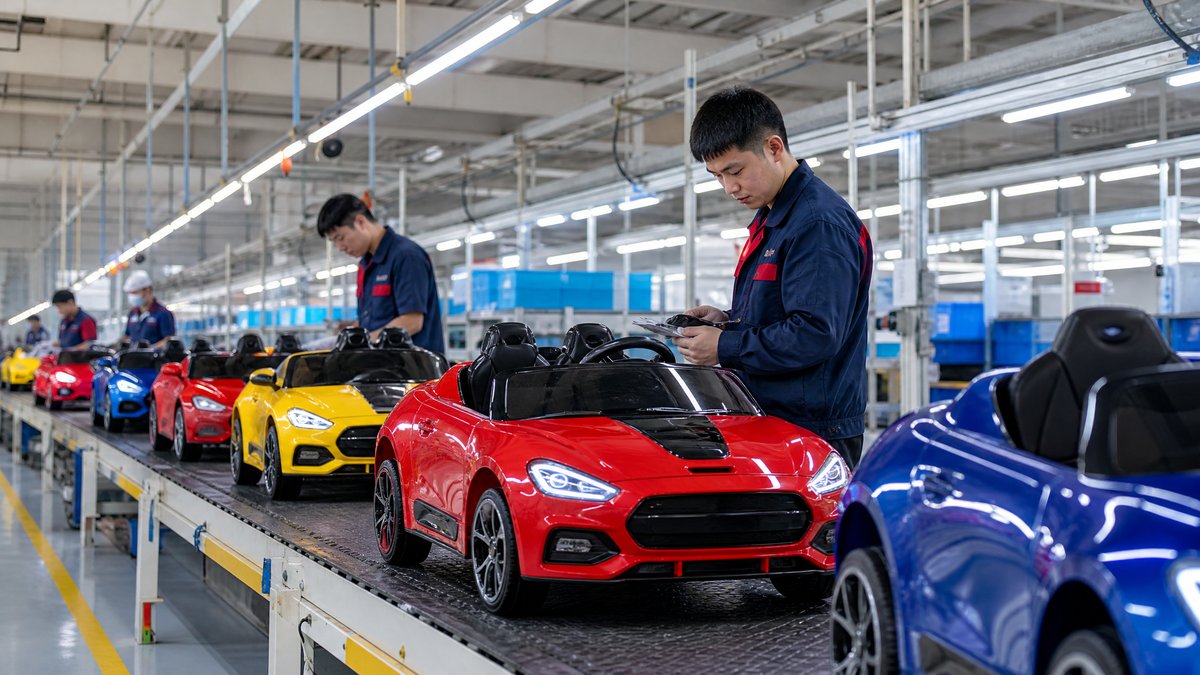
For professional importers and global distributors focusing on children’s electric vehicles, the evaluation of a product’s mechanical and electrical foundation is a critical step in building a successful inventory. When sourcing four-wheel ride-on vehicles, the technical specifications provided by manufacturers serve as the primary roadmap for assessing quality and market fit. However, a professional procurement process requires looking beyond the surface-level marketing materials to understand how various components interact. The relationship between the propulsion units, the electrical potential of the system, the energy volume stored within the cells, and the resulting operational duration defines the vehicle’s performance and its appeal to the end consumer.
To address the core inquiry of this guide, comparing these vital components necessitates a comprehensive approach where every specification is cross-referenced with written model documentation and current supplier evidence. A professional buyer must evaluate the powertrain as a unified ecosystem rather than a list of isolated parts. For instance, a high-performance motor requires a corresponding level of electrical potential to function at its peak, while the total endurance of the vehicle depends heavily on the efficiency of the connection systems and the quality of the energy storage. This guide provides a model-neutral framework for business-to-business professionals to audit these specifications, ensuring that every sourced unit meets the rigorous expectations of their respective markets through non-destructive assessment and manual-led setup.
The Propulsion Core: Torque and Mechanical Efficiency
In the professional sourcing landscape, the motor is the engine of value. While retail discussions often center on simple velocity, distributors must prioritize torque, thermal stability, and mechanical efficiency. Most children’s vehicles utilize direct current brushed motors, but the industry is seeing an evolution toward brushless technology in premium segments. When comparing motors, the focus should be on their ability to maintain a steady pace under various conditions without overheating the propulsion assembly.
Motor Series and Selection Framework
The industry typically categorizes motors into several series based on their physical size and power output. Importers should select these based on the intended use case and target demographic:
* Entry-Level Propulsion Units: These are suitable for lightweight vehicles intended for younger children. They offer a gentle pace and are best for indoor use or smooth surfaces. For high-volume retailers, these units provide an accessible entry point but require clear communication regarding their limitations on uneven terrain.
* Standard Performance Units: Often found in the most popular models, these motors offer a significant increase in torque. For distributors sourcing versatile vehicles, a dual-motor configuration is the industry benchmark for reliable performance on grass or slight inclines.
* High-Torque Utility Units: Reserved for larger vehicles or those designed for multiple passengers. These units provide the necessary strength to move a significant mass without strain. They require robust cooling systems and are essential for vehicles with a high weight allowance.
Continuous Output vs. Peak Performance
A vital distinction for professional buyers is the difference between continuous rated power and peak output. A propulsion unit that frequently operates at its maximum limit will experience excessive heat, which can lead to a shorter service life. When evaluating suppliers, always request written supplier confirmation regarding the continuous output levels. This ensures the vehicle can handle the intended weight allowance without putting undue stress on the mechanical core.
The Rise of Brushless Technology
For advanced portfolios, brushless motors represent a significant technological leap. These units are more efficient than their brushed counterparts, allowing for a longer active period from the same energy volume. Although they require more sophisticated electronic controllers, their long-term reliability and superior motion rate make them an excellent choice for premium models. Importers should look for current supplier evidence that supports the efficiency claims of these advanced propulsion systems.
Electrical Potential: Defining the Performance Ceiling
Electrical potential, often referred to as the energy pressure within the system, is the primary factor that determines the maximum velocity and overall strength of the vehicle. For global importers, selecting the appropriate power level is a strategic decision that impacts both safety and marketability.
Market Segmentation by Power Intensity
* Low-Intensity Systems: These are designed for the youngest riders, focusing on a safe and controlled pace. From a procurement perspective, these vehicles have low complexity and fewer maintenance requirements, making them ideal for budget-conscious markets.
* Mid-Intensity Systems: The global standard for the majority of children’s ride-on cars. These systems provide a balanced tempo that is exciting for children while remaining easy for adults to manage. This category typically offers the highest turnover for distributors.
* High-Intensity Systems: The premium choice for older children or vehicles designed for two passengers. These systems allow for a faster motion rate and are necessary for vehicles intended for off-road use. They require more robust connection systems and sophisticated controllers to manage the increased energy flow.
Connection Integrity and Thermal Management
As the electrical potential increases, the importance of the connection systems becomes even more important. Importers must verify that the manufacturer uses high-quality leads and that all energy connection points are secure and well-insulated. The use of professional-grade connectors is a hallmark of a high-quality manufacturing process. Buyers should seek appropriate product markings and written model documentation to ensure that the vehicle’s internal systems are designed to handle the rated power level. Any concerns regarding heat during operation should be addressed by stopping use and seeking manufacturer-approved support.
Energy Volume: The Strategic Storage Comparison
If the electrical potential defines the velocity, then the energy volume represents the size of the fuel tank. This specification is often one of the most debated in the industry. For a professional distributor, ensuring the accuracy of these ratings is essential for maintaining brand reputation and customer satisfaction.
Comparing Storage Technologies
The choice of energy storage technology has a direct impact on the vehicle’s weight, charging time, and overall longevity:
* Lead-Based Storage: These cells offer a low upfront cost and a well-established safety profile. However, they are relatively heavy, which can increase shipping costs, and they have a shorter cycle life. They require regular maintenance and should be stored with a full charge to prevent degradation.
* Lithium-Based Storage: These systems are significantly lighter, which improves the vehicle’s handling and reduces logistics expenses. They offer faster charging and a much longer service life. However, they require a sophisticated management system to monitor the state of each cell. Importers should request current supplier evidence to verify the quality of the cells used in these packs.
Inventory and Logistics Considerations
For distributors, managing inventory is a key part of the business. Lead-based systems can lose their charge over time, so a first-in, first-out inventory strategy is highly recommended. Furthermore, the transport of high-energy storage systems is subject to applicable destination-market requirements. Importers must ensure that all shipments are accompanied by the necessary documentation and that the products carry the appropriate product markings for their region.
Operational Duration: The Intersection of Specs and Reality
The active period of a vehicle is the result of the entire electrical and mechanical system working together. While manufacturers often provide an estimated usage time based on ideal conditions, professional buyers must apply a more critical lens to these claims.
Factors Influencing the Active Period
Several variables can significantly impact how long a vehicle can operate on a single charge. Importers should educate their partners on these factors to manage consumer expectations:
* Passenger Mass and Total Load: A vehicle carrying a greater weight will consume more energy, reducing the total endurance.
* Terrain and Surface Resistance: Driving on grass, gravel, or up inclines requires more power than driving on smooth pavement.
* Driving Habits: Frequent stopping and starting is less efficient than maintaining a constant pace. Features like gradual acceleration can help improve efficiency.
* Environmental Conditions: Extreme temperatures can affect the performance of the energy storage cells, particularly in colder climates.
Verifying Performance Claims
Instead of relying on theoretical calculations, professional importers should look for evidence of non-destructive assessment and real-world testing. Requesting detailed reports from the supplier that show the vehicle’s performance under various load conditions is a best practice. This information allows for a more accurate comparison between different models and manufacturers.
Business-to-Business Comparative Framework: Electrical Systems
When auditing potential suppliers, use the following framework to compare their offerings. This table focuses on qualitative benchmarks rather than specific numerical figures to ensure a broad and safe comparison.
| Feature | Entry-Level Models | Mid-Range Models | Premium Models |
|---|---|---|---|
| Propulsion Unit | Single small motor | Dual standard motors | Multiple high-torque motors |
| Velocity Profile | Gentle and steady | Balanced and versatile | Dynamic and powerful |
| Energy Storage | Standard volume | Enhanced volume | High-end endurance systems |
| Charging Needs | Basic charger | Fast-recovery charger | High-efficiency charger |
| Usage Environment | Indoor/Smooth surfaces | Versatile outdoor use | Rugged off-road terrain |
| Documentation | Basic manual | Detailed technical guide | Comprehensive support pack |
Quality Assurance and Safety Boundaries
In the children’s vehicle industry, safety is the most important consideration. The electrical system must be designed with multiple layers of protection to prevent issues. As an importer, your role is to ensure that every product you bring to market is backed by written supplier confirmation and current supplier evidence.
Navigating Global Requirements
Business-to-business buyers must be aware of the different requirements in their target markets. Some regions focus heavily on the physical durability of the energy storage, while others prioritize the protection of the connection systems and electromagnetic compatibility. Always ensure that the products you source meet the applicable destination-market requirements and carry the appropriate product markings.
Thermal Monitoring and Stress Assessment
During the production process, it is essential to monitor the temperature of the internal components. Identifying areas of high heat in the connection points or the propulsion assembly can help prevent future problems. A non-destructive assessment using thermal imaging is a highly effective way to verify the efficiency of the system. Any component that feels excessively warm to the touch during operation should be a signal to stop use and consult with qualified support.
The Importance of Independent Audits
Never rely solely on a manufacturer’s internal documentation. Professional importers should commission periodic audits from independent laboratories. These assessments should include a review of the construction to ensure that the materials and components used in mass production match those that were originally approved. This level of due diligence is essential for protecting your brand and ensuring the long-term success of your product line.
Frequently Asked Questions
Q: Is it possible to request a larger energy storage unit for a vehicle to increase the active period?
A: Yes, increasing the energy volume is a common way to extend the play period without changing the vehicle's motion rate. However, you must ensure that the internal housing has enough space for the larger unit and that the charger is capable of handling the increased storage within a reasonable time. Always seek written supplier confirmation before making these changes.
Q: Why do some high-power vehicles seem to start more slowly than expected?
A: This is often a deliberate design choice known as gradual acceleration. It is intended to protect the mechanical core and provide a smoother experience for the rider. A vehicle designed for heavy-duty use may also have its gear ratios optimized for torque rather than top velocity. You can verify this by checking the written model documentation provided by the manufacturer.
Q: How can we verify the quality of the energy storage cells provided by a supplier?
A: Verification requires a thorough due diligence process. Request the cell manufacturer’s official documentation and the latest evidence of non-destructive assessment. During a factory visit, you can also perform an external visual check of the assembly area to ensure that the connection systems are clean and professional. For further peace of mind, consider commissioning a random assessment from qualified support.
Q: What are the requirements for managing the end-of-life of these electrical systems?
A: Many markets have specific rules regarding the recycling and disposal of high-energy storage units. Importers should ensure they are familiar with the applicable destination-market requirements and participate in the necessary take-back programs. The product packaging should also include the appropriate product markings to guide consumers on how to dispose of the items responsibly.
Request a wholesale quote
Official references
Explore these external resources for current regulatory and trade guidance. Confirm requirements with the relevant authority before placing an order.
Ready to Start?
Factory-Direct · CE & ASTM Certified · MOQ from 50 Units
Our export team works with buyers in 60+ countries. Get a quote within 24 hours.
KR
Written by KidsRideCar
China's leading kids electric ride-on car manufacturer. 500,000+ units shipped annually to 60+ countries. CE, ASTM & EN71 certified.