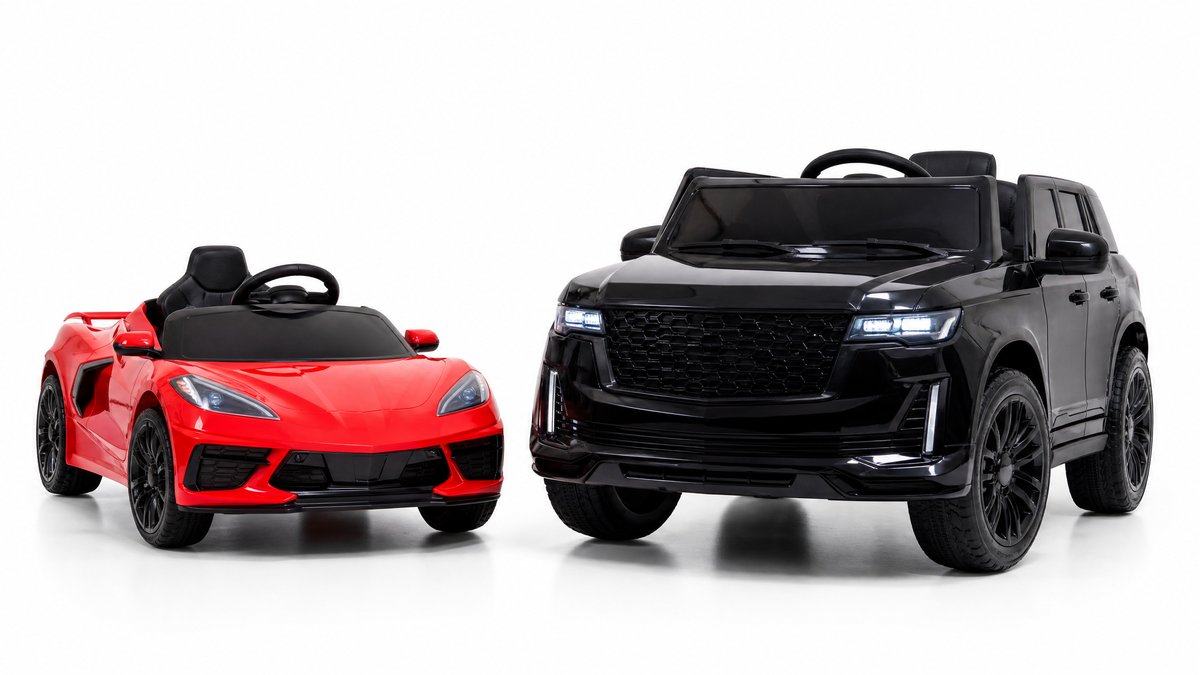
As toy retailers, distributors, and store owners curate their inventories for the upcoming season, one of the most frequent questions from parents is: "Will this ride-on car actually fit and support my 5-year-old child?"
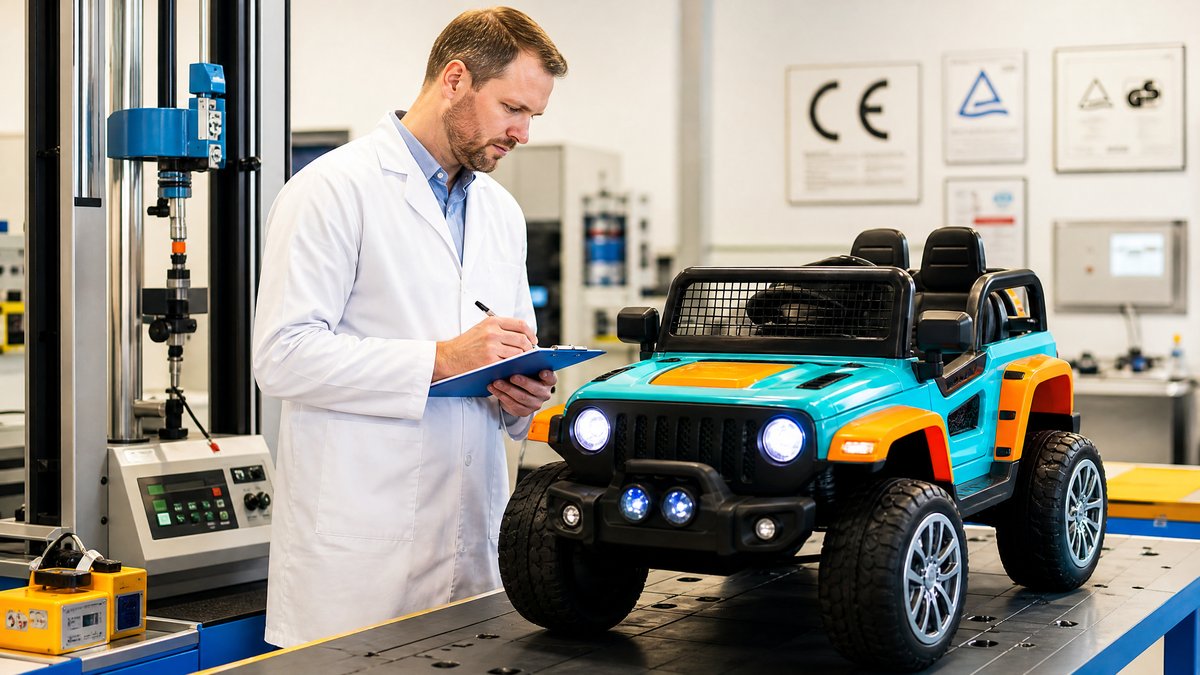
For B2B buyers, understanding the real-world weight limits and structural durability of electric ride-on cars is critical. Manufacturer specifications often state maximum load capacities, but how do these figures translate to actual performance when loaded with a lively 5-year-old? In this comprehensive product review and stress test report, our engineering and testing team evaluates multiple 12V and 24V ride-on cars to determine their true limits, offering actionable insights for your wholesale purchasing strategy.
The Challenge: Weight Capacity vs. Age Suitability
When sourcing children's electric vehicles, buyers often confuse maximum weight capacity with age recommendations. A manufacturer might advertise a vehicle as suitable for ages 3 to 8 with a 30kg (66 lbs) or 50kg (110 lbs) weight limit. However, a 5-year-old child varies significantly in height, weight, and sitting posture compared to a toddler.
Key Factors Impacting 5-Year-Old Usability:
* Legroom and Cockpit Dimensions: Even if the motors and chassis can bear the weight, a cramped footwell or low steering wheel clearance can make the ride uncomfortable for a 5-year-old.
* Dynamic Load vs. Static Load: Children do not sit motionless; they bounce, accelerate abruptly, and shift their weight during turns. Static weight ratings rarely account for these dynamic stresses.
* Battery Drain under Heavier Loads: Heavier children draw more current from the battery, directly impacting run-time and motor longevity.
Testing Methodology: How We Evaluated 12V and 24V Models
To provide our B2B partners with reliable data, we tested three distinct categories of ride-on cars currently dominating the global retail market:
1. Standard 12V Single-Seater Cars (Nominal capacity: 30kg)
2. Upgraded 12V Two-Seater SUVs (Nominal capacity: 35kg - 40kg)
3. Heavy-Duty 24V Power UTVs / Buggies (Nominal capacity: 50kg+)
We utilized calibrated test weights simulating children ranging from 20kg to 55kg, followed by practical driving tests with real children aged 5 years old (average weight: 18kg to 25kg, 95th percentile reaching 28kg).
Weight Capacity Test Results & Specifications Comparison
The table below summarizes our findings across different vehicle tiers, comparing advertised limits against real-world performance metrics under 5-year-old driving conditions.
| Vehicle Category | Advertised Max Capacity | Tested Safe Load Limit | 5-Year-Old Comfort Score | Motor / Gearbox Stress Level | Recommended Retail Target |
|---|---|---|---|---|---|
| Standard 12V Single-Seater | 30 kg (66 lbs) | 25 kg (55 lbs) | Moderate | High (at max load) | Ages 3–5 (Slim build) |
| Upgraded 12V Two-Seater SUV | 40 kg (88 lbs) | 35 kg (77 lbs) | High | Moderate | Ages 3–7 (Average/Tall) |
| Heavy-Duty 24V 4WD UTV | 50 kg+ (110 lbs+) | 50 kg (110 lbs) | Excellent | Low | Ages 3–8 (Dual Riders / Older kids) |
Deep-Dive Analysis by Category
1. Standard 12V Single-Seaters: The Boundary for 5-Year-Olds
Standard 12V ride-on cars are our best-selling entry-level category. However, our tests revealed that while a 5-year-old weighing under 22kg can ride comfortably, children approaching 25kg and above experience noticeable motor strain on inclines. The plastic gearboxes (typically 550-type motors) begin to whine under sustained loads near the 30kg mark, leading to premature thermal cutoff in warmer weather.
* B2B Sourcing Takeaway: If your retail demographic includes older toddlers and 5-year-olds, advise customers to upgrade beyond standard single-seaters to avoid customer complaints regarding hill-climbing power.
2. 12V Two-Seater SUVs: The Sweet Spot for Retail
Two-seater 12V SUVs bridge the gap between affordability and interior space. With wider chassis and reinforced rear axles, these models comfortably accommodate a single 5-year-old with room to spare, or even two smaller toddlers. During our stress tests, the structural frame showed negligible flex under a 35kg load.
* B2B Sourcing Takeaway: This category offers the highest customer satisfaction and lowest return rates for 5-year-old end-users. Stocking these is a safe bet for general toy distributors.
3. Heavy-Duty 24V UTVs and Buggies: Built for Longevity
For robust performance and true longevity up to age 8, 24V dual-motor or 4WD UTVs are unmatched. Powered by larger gearboxes and heavy-duty suspension springs, these units handled our 50kg stress test with ease. The 5-year-olds tested reported the highest comfort scores due to adjustable leather seats and spacious footwells.
* B2B Sourcing Takeaway: Position these premium models as high-end gift items or durable outdoor vehicles. Retailers targeting suburban and rural markets see exceptional profit margins here.
Frequently Asked Questions (FAQ)
Q1: Can a 5-year-old comfortably drive a standard 12V ride-on car?
A: It depends entirely on the child's height and weight, as well as the specific car's cockpit dimensions. While a lightweight 5-year-old (under 20kg) will fit fine in most models, taller 5-year-olds often find standard single-seaters cramped. We recommend 12V two-seaters or 24V models for children over 110 cm in height.
Q2: What happens if a child exceeds the weight capacity of a ride-on car?
A: Exceeding the weight limit places excessive strain on the electric motors, wiring harness, and plastic gear teeth. This often results in stripped gears, sluggish acceleration, rapid battery drain, and thermal overload of the control board.
Q3: How can B2B buyers verify the structural quality before bulk ordering?
A: Always request factory test reports covering frame drop-tests, static load certifications (such as CE, EN71, and ASTM F963), and gearbox durability test logs. Requesting physical samples before placing container-load orders is also standard best practice.
Q4: Are 24V ride-on cars safe for 5-year-olds?
A: Yes, provided they feature parental remote controls with emergency stop functions, soft-start acceleration, and adjustable seatbelts. 24V models offer higher torque rather than reckless top speeds, ensuring smooth operation across rough terrain.
Conclusion & Wholesale Partnership
As the children's ride-on car market evolves, parents increasingly demand durable, long-lasting toys that grow with their children. Stocking vehicles with verified weight capacities and robust 12V/24V configurations ensures lower return rates and higher brand loyalty for your retail business.
At KidsRideCar, all our manufacturing partners adhere to strict international safety and load-bearing standards. Whether you are looking to source high-margin 12V SUVs or heavy-duty 24V UTVs, our team is ready to support your supply chain needs with competitive wholesale pricing and custom OEM/ODM solutions.
Ready to expand your product catalog with high-capacity ride-on cars? Contact our wholesale team today at mailto:info@kidsridecar.com to request our latest product catalog and container quotation.
Official references
Explore these external resources for current regulatory and trade guidance. Confirm requirements with the relevant authority before placing an order.
Ready to Start?
Factory-Direct · CE & ASTM Certified · MOQ from 50 Units
Our export team works with buyers in 60+ countries. Get a quote within 24 hours.
KR
Written by KidsRideCar
China's leading kids electric ride-on car manufacturer. 500,000+ units shipped annually to 60+ countries. CE, ASTM & EN71 certified.