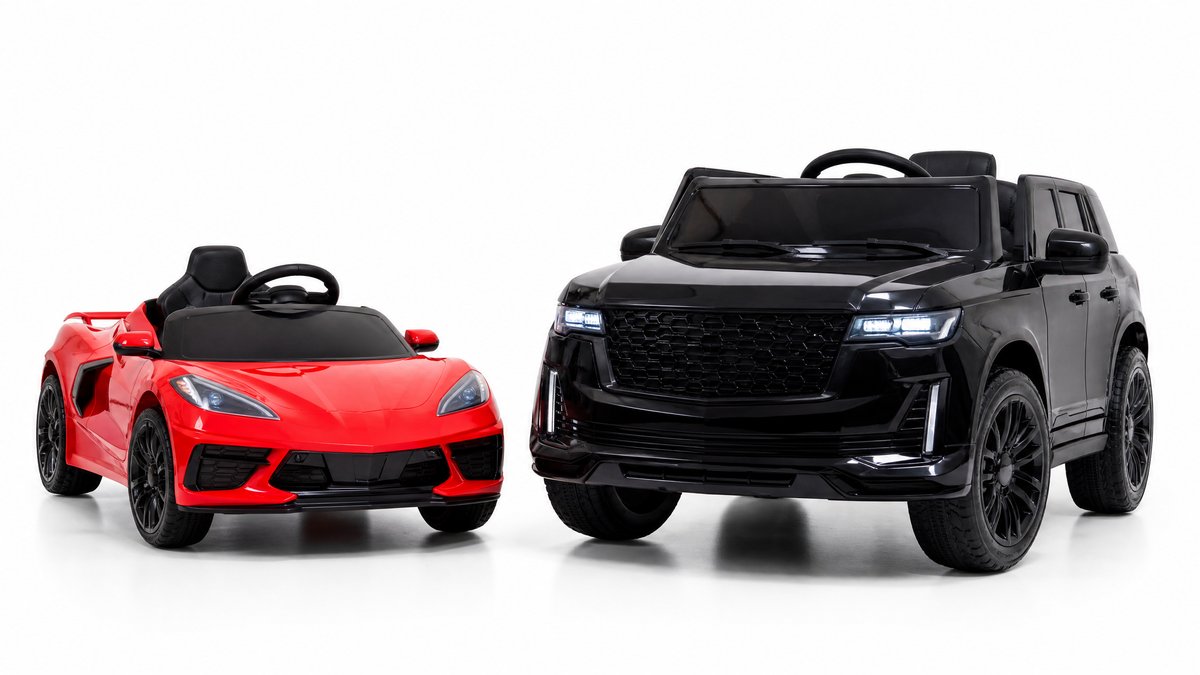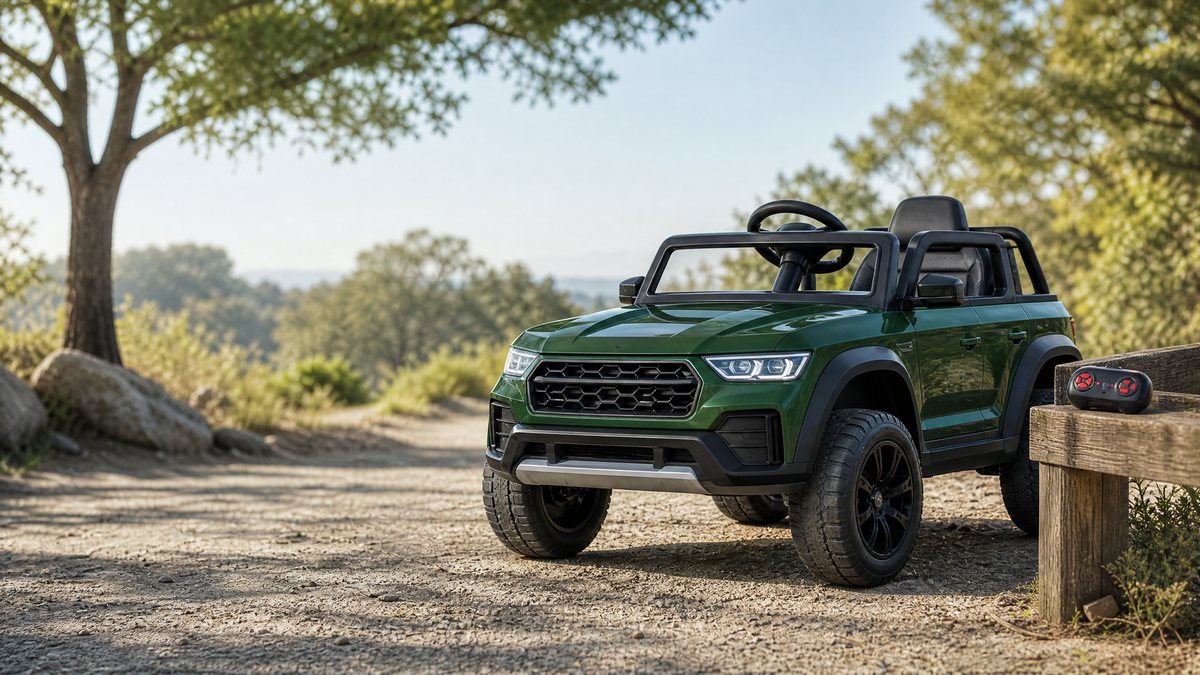
Modern kids ride-on cars have evolved far beyond basic mechanical pedals and simple stamped plastic wheels. Today, premium battery-powered ride-on vehicles feature sophisticated electronic dashboards equipped with digital MP3 players, dual USB ports, TF card slots, preloaded educational audio tracks, and wireless Bluetooth connectivity. For B2B importers, wholesale distributors, retail buyers, and parents, understanding how these multimedia systems function—and how to troubleshoot them efficiently—is essential for delivering a superior user experience and maintaining high customer satisfaction.
When evaluating children ride-on vehicles equipped with wireless audio receivers, commercial buyers and end-users alike frequently encounter questions regarding pairing procedures, device compatibility, signal stability, and operational safety. This comprehensive guide outlines the standard technical framework for Bluetooth pairing on battery-powered ride-on cars, analyzes dashboard feature variations for wholesale sourcing, and provides structured troubleshooting steps while strictly emphasizing adherence to manufacturer documentation and safety protocols.
Understanding Bluetooth Connectivity in Modern Kids Ride-On Cars
Bluetooth audio receivers integrated into contemporary kids ride-on vehicles are typically compact, low-power short-range communication modules interfaced directly with the vehicle internal speaker amplifier and central control board. When a manufacturer designs an electronic dashboard for a 12V or 24V ride-on car, the Bluetooth module serves as an interactive entertainment feature that allows children or supervising adults to stream audio wirelessly from smartphones, tablets, and other Bluetooth-enabled media players.
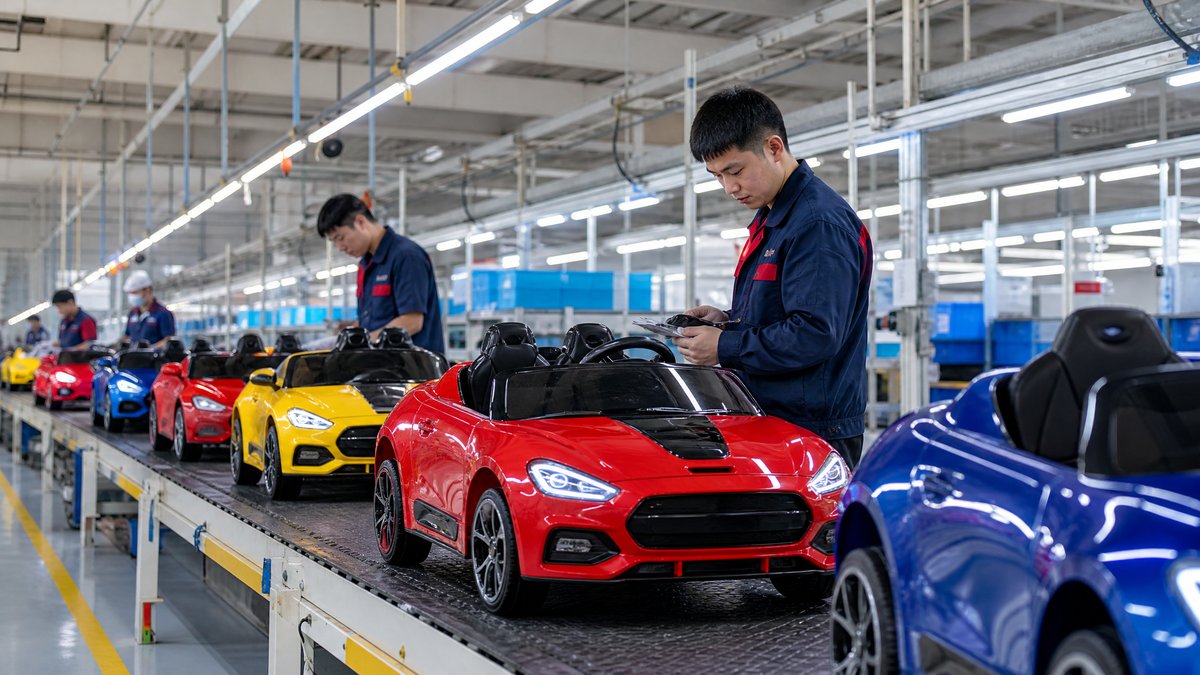
From a B2B sourcing perspective, evaluating the quality and stability of onboard electronic components is of paramount importance. Importers partnering with reliable manufacturers like KidsRideCar must verify that the embedded Bluetooth chips comply with regional electromagnetic compatibility standards, maintain stable connection ranges under normal operating conditions, and feature intuitive user interfaces. While children enjoy streaming their favorite nursery rhymes, audio stories, or custom playlists during playtime, wholesale buyers must ensure that these entertainment systems do not compromise the core electrical integrity, wiring harnesses, or battery management systems of the vehicle.
It is important to note that feature availability varies significantly across different models, production batches, and voltage configurations. Importers should always review specific vehicle specification sheets and sample documentation provided by the manufacturer rather than assuming uniform electronic specifications across diverse product lines.
Step-by-Step General Pairing Framework
While specific button sequences, voice prompts, and dashboard layouts vary depending on the exact dashboard model and manufacturer production run, most Bluetooth-enabled kids ride-on cars follow a consistent operational workflow. Supervising adults should execute or oversee this pairing process to ensure proper setup and prevent distraction during active driving.
Step 1: Powering On the Vehicle and Dashboard
Before attempting any wireless connection, ensure the vehicle master power switch is turned on and the battery is adequately charged. Most dashboards feature an LED indicator light or an LCD voltmeter screen that illuminates when power flows from the battery to the dashboard circuitry. If the dashboard fails to illuminate, consult the manufacturer manual or authorized support for the model-specific power-on guidance; do not inspect internal terminals, wiring, or protection components.
Step 2: Activating Bluetooth Mode
Many modern ride-on car dashboards support multiple audio input modes, including FM radio, USB flash drives, auxiliary (AUX) input, and Bluetooth wireless streaming. Locate the Mode button (often labeled as "MODE", "M", or represented by an audio icon) on the central control console. Press the button sequentially until the dashboard emits an audible voice prompt (such as "Bluetooth mode" or a distinct chime) or displays a flashing Bluetooth icon on the digital screen, indicating that the receiver is ready to pair.
Step 3: Searching for Devices on Your Smartphone or Tablet
Open the Bluetooth settings menu on your smartphone, tablet, or external audio playback device. Ensure Bluetooth is enabled and initiate a scan for nearby available devices. The ride-on car receiver typically appears under a generic designation such as "CAR-BT", "HY-Audio", "BT-SPEAKER", or a specific model number assigned during manufacturing. If multiple devices appear in a busy household or retail showroom environment, consult the product manual for the exact factory-assigned pairing name.
Step 4: Confirming Connection and Adjusting Volume
Select the ride-on car device name from your smartphone screen to establish the wireless link. Upon successful pairing, the dashboard will typically emit a confirmation tone or voice notification. Once connected, adjust the media playback volume on your mobile device to a moderate level before fine-tuning the listening volume using the dedicated volume up/down buttons on the vehicle dashboard.
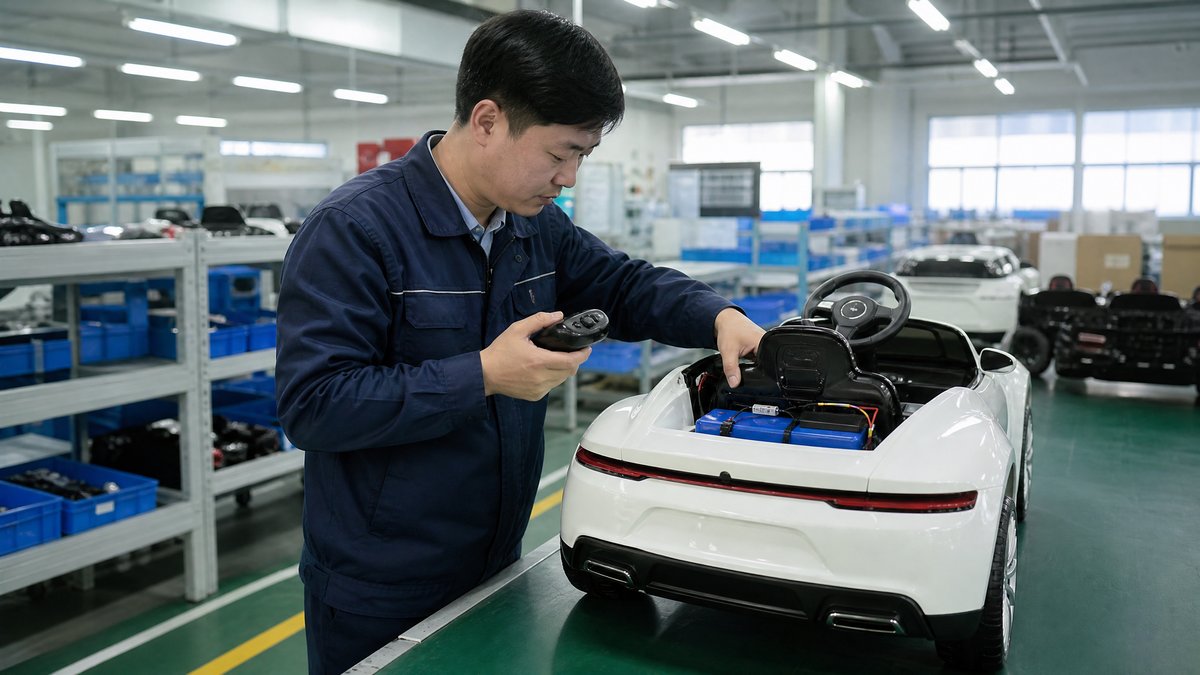
For wholesale buyers and retail staff, testing this four-step pairing workflow during incoming quality control inspections ensures that electronic sub-assemblies function correctly before final packaging and distribution. If you require further technical specifications or bulk purchasing assistance, you can Request a wholesale quote to connect directly with our commercial team.
Comparative Evaluation of Dashboard Multimedia Features
To assist B2B buyers and retail planners in selecting optimal vehicle configurations, the table below compares various dashboard multimedia integration options available in contemporary ride-on cars.
| Multimedia Feature | Cost & Complexity | User Experience & Appeal | Maintenance & Durability | B2B Sourcing Recommendation |
|---|---|---|---|---|
| Bluetooth Wireless Audio | Moderate to High | Excellent; allows wireless streaming from modern smartphones and tablets. | Requires stable receiver pairing; susceptible to local RF interference. | Highly recommended for mid-to-high tier retail markets. |
| USB & TF Card Slots | Low to Moderate | High utility; permits pre-loading custom audio files without phone pairing. | Physical ports can be prone to dust or moisture accumulation if unsealed. | Essential standard feature across budget and premium lines. |
| Auxiliary (AUX) Input | Low | Reliable wired connection; compatible with older audio playback devices. | Requires physical 3.5mm audio cable; cable connectors can bend or snap. | Good secondary backup feature for legacy device compatibility. |
| Preloaded Educational Tunes | Low | Immediate plug-and-play entertainment for younger children without external devices. | Fixed content; limited long-term engagement compared to streaming. | Ideal for entry-level models targeting younger age groups. |
When building product catalogs, retail buyers should weigh consumer preferences against manufacturing costs and regional compliance standards to curate a balanced vehicle lineup.
Troubleshooting Common Pairing Issues and Safe Operational Guidelines
Even with high-quality manufacturing standards, wireless electronic devices occasionally experience connection hiccups or operational difficulties. Importers, retailers, and parents should familiarize themselves with structured troubleshooting protocols and essential safety practices.
Addressing Connection Failures and Audio Interference
If a smartphone fails to discover the ride-on car Bluetooth signal, or if audio playback stutters, consider the following structured diagnostic steps:
1. Verify Mode Selection: Ensure the dashboard is explicitly set to Bluetooth mode rather than FM radio or AUX input. An incorrect mode setting is the most frequent cause of perceived pairing failure.
2. Check Proximity and Obstructions: Keep the pairing smartphone within a close operating range (typically within the range stated in the model-specific manual) of the vehicle dashboard, avoiding heavy metallic barriers or strong electromagnetic interference sources found in dense urban or showroom environments.
3. Disconnect Existing Paired Devices: If another smartphone or tablet in the vicinity was previously paired to the vehicle, it may automatically reconnect to the dashboard, blocking new pairing requests. Disconnect or turn off Bluetooth on competing devices.
4. Power Cycle the System: Turn off the vehicle master power switch, follow the model-specific restart guidance in the manual, and power it back on to reset the Bluetooth receiver module.
Crucial Safety and Maintenance Warnings
Electronic troubleshooting must strictly adhere to physical and electrical safety boundaries. Adult supervision is mandatory during all setup, maintenance, and operation phases.
- No Unauthorized Modifications: Never attempt to disassemble internal electronic housings, touch battery terminals directly, measure internal circuit voltages with multimeters, bypass built-in overcurrent protection fuses, or modify internal wiring harnesses.
- Electrical Malfunctions: In the event of an unusual burning odor, visible smoke, abnormal component heating, electrolyte leakage, water ingress, exposed electrical wiring, damaged charging plugs, erratic braking behavior, or persistent electrical failure, immediately stop using and charging the vehicle, turn off the master power switch, keep children away from the unit, and contact the manufacturer or a qualified service technician.
- Child Safety: Ensure that adjusting media controls or pairing Bluetooth devices is performed exclusively by supervising adults before the child begins riding, allowing the young driver to focus entirely on steering, acceleration, and braking under safe conditions.
B2B Sourcing and Retail Considerations for Importers
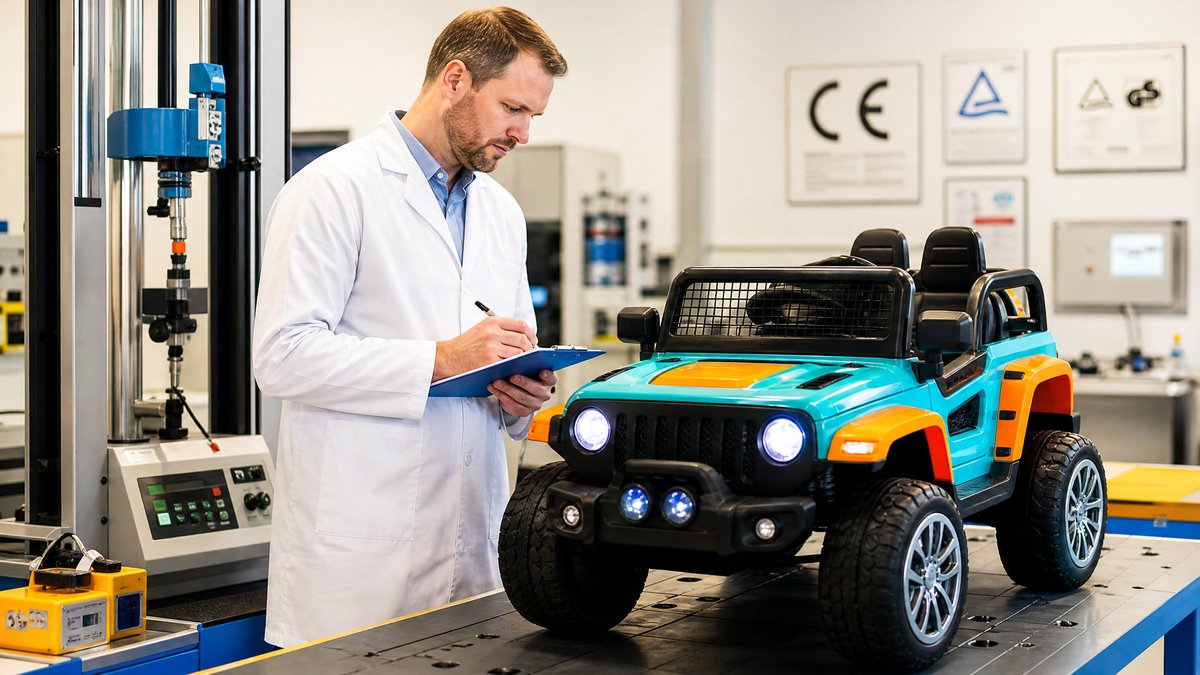
For global importers and B2B distributors, managing electronic accessories on ride-on vehicles requires strict attention to supply chain quality assurance and regulatory compliance. Toys equipped with Bluetooth modules, rechargeable batteries, and lighting systems must comply with international safety certifications, such as CPSC standards in the United States, CE/EN71 directives in Europe, and equivalent regional safety frameworks.
Wholesale buyers should request complete technical documentation, CE/FCC declaration of conformity certificates, and detailed user manuals from manufacturers prior to placing bulk orders. Clear multilingual instruction manuals that outline battery charging limits, operational boundaries, and Bluetooth pairing steps reduce end-user friction, minimize customer support inquiries, and enhance brand reputation in competitive retail markets. For tailored sourcing catalogs and direct factory inquiries, buyers are encouraged to Request a wholesale quote to discuss specific voltage configurations, custom dashboard branding, and compliance documentation.
Frequently Asked Questions
Are Bluetooth features standard on all kids ride-on cars?
No. Bluetooth connectivity is an optional electronic feature typically found on mid-range to premium 12V and 24V ride-on cars. Entry-level models may feature basic preloaded music or horn sounds without wireless streaming capabilities. Buyers and parents must verify specific vehicle specifications on product datasheets.
What should I do if my smartphone cannot discover the ride-on car Bluetooth signal?
First, verify that the vehicle dashboard is powered on and actively set to Bluetooth mode with an audible prompt or flashing icon. Next, ensure no other previously paired device is actively connected to the vehicle. If issues persist, power cycle the vehicle using the main switch and retry pairing within close proximity.
Can children operate the Bluetooth pairing process independently?
While older children may understand basic device pairing, it is strongly recommended that supervising adults handle initial Bluetooth pairing and volume adjustments prior to play. This prevents distraction and ensures playback volume remains at a safe, comfortable level for young children.
How can wholesale buyers verify the quality of electronics in sample batches?
Wholesale importers should request functional samples from manufacturers to test electronic dashboard stability, speaker clarity, charging port durability, and wireless pairing reliability across multiple mobile operating systems. Reviewing factory quality control inspection reports and electrical component certifications is essential before confirming volume production.
Conclusion
Integrating Bluetooth connectivity into kids ride-on cars enhances the interactive play experience, combining physical motor skills development with modern audio entertainment. By understanding the standard pairing framework, evaluating dashboard hardware options during wholesale sourcing, and strictly adhering to manufacturer instructions and safety protocols, B2B importers, retail buyers, and parents can ensure both high customer satisfaction and uncompromising operational safety.
Official References
1. U.S. Consumer Product Safety Commission (CPSC): General Toy Safety Education and Electric Ride-On Safety Guidance. Note: Official educational resources serve as general safety references and do not replace specific vehicle manufacturer instruction manuals or certified compliance documentation.
2. International Electrotechnical Commission (IEC): Safety of Electric Toys and Electromagnetic Compatibility Standards for Consumer Play Equipment.
3. Manufacturer Technical Documentation: Specific operational guidelines, wiring diagrams, and troubleshooting protocols provided directly in authorized KidsRideCar user manuals.
Official references
Explore these external resources for current regulatory and trade guidance. Confirm requirements with the relevant authority before placing an order.
Ready to Start?
Factory-Direct · CE & ASTM Certified · MOQ from 50 Units
Our export team works with buyers in 60+ countries. Get a quote within 24 hours.
KR
Written by KidsRideCar
China's leading kids electric ride-on car manufacturer. 500,000+ units shipped annually to 60+ countries. CE, ASTM & EN71 certified.