Introduction
In the global distribution market for children's motorized ride-on vehicles, commercial partners and retail buyers frequently inquire whether battery-powered cars and trucks can be operated in wet weather conditions such as rain or damp turf. For toy importers and specialty retailers, providing accurate, technically rigorous guidance on environmental exposure is essential for mitigating liability and ensuring consumer safety.
Operating motorized children's toys in adverse weather involves complex interactions among low-voltage electrical circuits, electronic control units, mechanical drive gearboxes, and rechargeable battery systems. Water exposure introduces substantial risks of moisture ingress into sensitive electronics and wiring junctions. Industry standards and manufacturer safety protocols consistently caution against operating standard ride-on toys in rainfall or standing water.
This technical guide examines underlying electrical and mechanical vulnerabilities associated with moisture exposure, evaluates manufacturer warranty limitations, details systematic post-rain inspection and drying protocols, and outlines commercial best practices for B2B partners. All operational limitations, environmental restrictions, and maintenance procedures remain strictly subject to the specific model's rated nameplate, owner manual, and manufacturer's written technical documentation.
1. Technical Anatomy of Electric Ride-On Vehicles and Moisture Vulnerabilities
Electric ride-on cars are engineered as consumer recreational products rather than sealed industrial machinery. Understanding their structural architecture explains why moisture exposure poses significant operational risks.
Enclosure Design and Ingress Protection
Consumer ride-on vehicles are housed in thermoplastic body shells designed to simulate real automotive styling. While exterior panels protect internal components from casual dust and light surface splashes, they lack hermetic sealing. Joints around doors, steering columns, footwell pedals, and dash panels feature physical gaps allowing moisture to accumulate inside lower chassis compartments during heavy rainfall.
Mechanical Transmission and Gearbox Housing
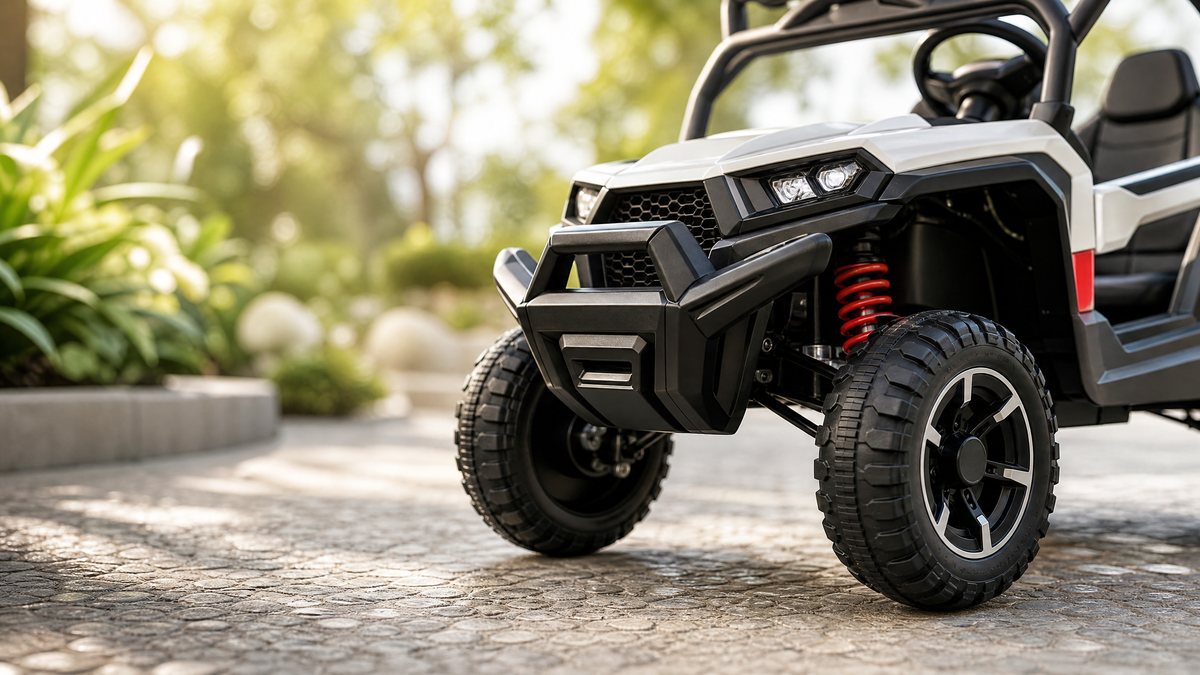
Driven wheels in motorized ride-on vehicles connect to electric drive motors enclosed within plastic gearbox housings. These gearboxes contain reduction gear trains lubricated with specialized grease and driven by direct-current electric motors. While gearbox casings offer basic protection against surface moisture, prolonged exposure to heavy rain or driving through puddles can force moisture past axle seals and bearing interfaces. Once inside, water mixes with internal lubricants and carbon dust, forming an abrasive emulsion that degrades electrical continuity, accelerates bearing wear, and can cause premature motor failure.
2. Electrical Circuitry, Control Board Protection, and Wiring Integrity
The electrical system of a ride-on car orchestrates power delivery, throttle response, speed modulation, and parental remote-control overrides. Moisture introduction into this network disrupts functional performance and creates potential safety hazards.
Control Boards and Microcontroller Vulnerabilities
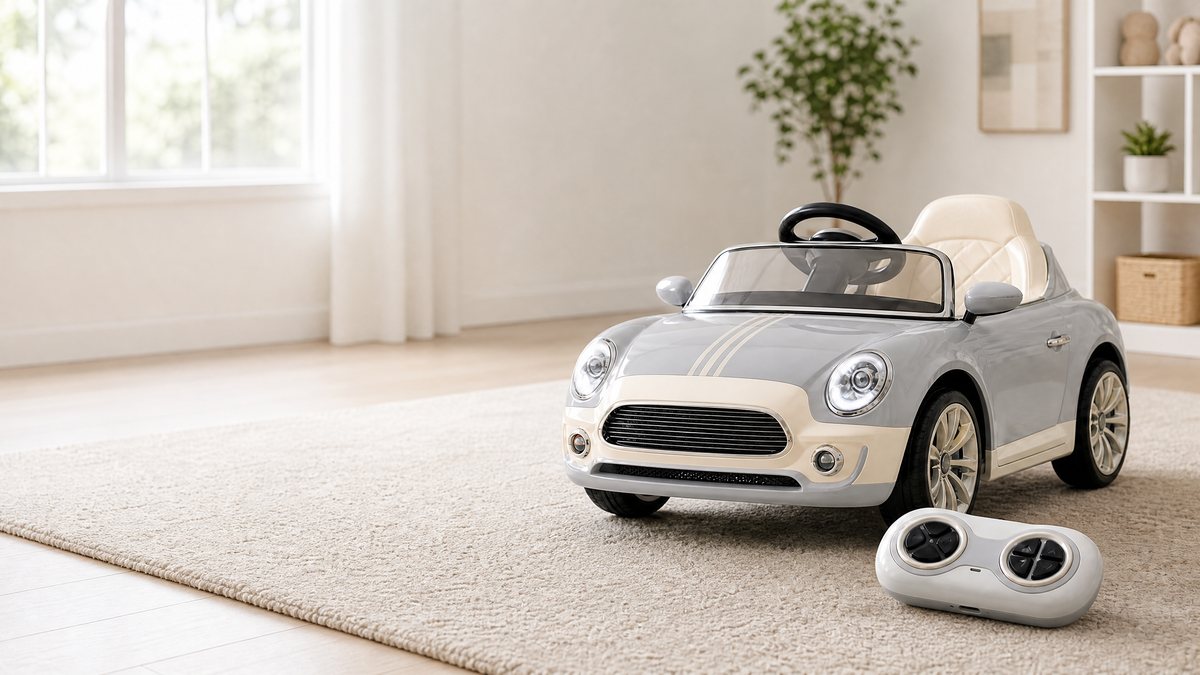
The central electronic control unit or remote-control receiver module governs command signals from the steering wheel, accelerator pedal, and wireless remote transmitter. These printed circuit boards comprise microchips, relays, and soldered electronic components. When rainwater enters control enclosures, it forms conductive mineral bridges across delicate circuit traces, inducing erratic vehicle behavior, unintended throttle actuation, or complete electronic shutdown. Universal waterproofing is not standard for consumer ride-on control boards.
Wiring Harnesses, Terminals, and Thermal Risks
Wiring harnesses interconnect the battery source, foot pedal switch, forward-reverse shifter, dashboard switches, and drive motors using standard insulated copper wires and crimped terminal connectors. In wet outdoor environments, capillary action can draw moisture directly into connector housings and insulation sleeves. Over time, trapped moisture accelerates galvanic corrosion on copper strands and metallic terminals. This corrosion increases electrical resistance, creating localized voltage drops, intermittent power delivery, and excessive thermal energy generation at junction points.
If operators observe any warning signs such as unusual electrical odors, melting plastic insulation, smoke, sparking, or abnormal heating from any electrical component or wiring junction, immediate action is mandatory. Operators must cease use immediately, disconnect the power source, keep children safely away from the vehicle, and contact the manufacturer or qualified repair personnel for professional assessment and service. Users must never attempt DIY repairs on electrical hazards, bypass thermal fuses, or modify internal wiring configurations.
3. Dynamic Traction Loss, Steering Stability, and Braking Hazards in Wet Environments
Beyond internal electrical and mechanical degradation, operating a ride-on vehicle on wet surfaces introduces immediate physical and dynamic hazards that compromise rider control and safety.
Tire Traction and Hydroplaning Dynamics
Most children's ride-on cars utilize hard molded plastic wheels or wheels fitted with thin rubber traction strips designed to grip dry asphalt, concrete, or packed soil. When rain falls on these surfaces, a hydrodynamic lubricating film forms between the tire tread and the ground. Because ride-on cars feature lightweight chassis structures and lack advanced anti-lock braking systems or electronic stability control, sudden steering maneuvers or throttle applications on wet pavement frequently result in immediate traction loss, side-skidding, or vehicle spin-outs.
Braking Distances and Stopping Performance
Ride-on vehicles rely on motor resistance braking or basic mechanical friction brakes. On wet ground, tire-to-surface friction is severely diminished, extending stopping distances significantly. Children operating vehicles in damp or rainy conditions may be unable to halt before encountering obstacles, walls, slopes, or water hazards. Additionally, moisture accumulation on foot pedal switches can cause mechanical sticking or delayed circuit opening, preventing the vehicle from stopping when the operator releases the accelerator pedal.
4. Environmental Exposure Risk Assessment and Operational Matrix
To assist B2B wholesale partners, retail staff, and customer support teams in evaluating environmental exposure scenarios, the following matrix summarizes environmental conditions, primary component risks, severity classifications, and required commercial actions.
| Environmental Condition | Primary Component Risk | Severity Level | Recommended Commercial Action |
|---|---|---|---|
| Light Morning Dew / Damp Grass | Minor surface condensation on exterior plastic body and wheels | Low | Wipe down exterior surfaces with a dry microfiber cloth after use; inspect exterior connections periodically. |
| Accidental Splash / Shallow Puddle | Possible moisture entry near footwell switches and lower wiring | Moderate | Power off the vehicle, keep children away, and follow the model-specific post-exposure instructions or contact manufacturer support before attempting use. |
| Moderate to Heavy Rain | Water ingress into electronic control boards, motor gearboxes, and battery terminals | High | Cease operation immediately; disconnect power source; keep children away; inspect for electrical odors or smoke. |
| Submersion / Standing Water Puddles | Possible significant damage to control electronics, motors, wiring, or battery components | Critical | Do not attempt to use or charge the unit; keep children away and contact manufacturer support or qualified repair personnel for assessment. |
| Outdoor Storage in High Humidity / Rain | Gradual frame oxidation, terminal corrosion, mold growth, premature battery degradation | High | Mandate indoor storage in climate-controlled or weather-tight shelters; utilize breathable protective covers. |
5. Post-Exposure Inspection, Safe Drying Protocols, and Emergency Response
When a ride-on vehicle is accidentally exposed to rain, heavy splashing, or high-humidity storage, executing rigorous inspection and drying procedures is essential to prevent secondary damage and ensure safety.
Immediate Power Isolation and Quarantine
The moment a vehicle is exposed to heavy rain or shows signs of moisture infiltration, operators should turn off the main power switch and keep children away. Do not charge a vehicle when moisture is present on the charging port, charging cable, battery casing, or other electrical areas. Follow the manufacturer’s instructions for any power isolation step; if the manual does not give a clear procedure, contact manufacturer support or a qualified repair professional.
Systematic Drying and Inspection Steps
1. Relocate the vehicle to a well-ventilated, dry indoor environment maintained at normal room temperature.
2. Only remove covers or accessories that the owner manual specifically identifies as user-removable; do not expose internal electrical assemblies or open a battery pack.
3. Use clean, dry microfiber towels to absorb standing water from dashboard controls, footwells, steering columns, and seat pans.
4. Allow accessible exterior areas to dry naturally at normal room temperature, and follow the manufacturer’s inspection and return-to-service instructions. Do not use high-heat tools or open flames.
5. Inspect all accessible wire connectors, switches, and motor terminals for signs of moisture droplets or early corrosion. If any cable damage, plug deformation, burning odor, or smoke is detected, keep children away and contact the manufacturer or qualified repair personnel immediately.
6. Manufacturer Warranty Limitations, Manual Compliance, and Regulatory Frameworks
Navigating warranty claims and commercial policies regarding water-damaged toys requires strict adherence to manufacturer specifications and recognized consumer safety standards.
Manual Specifications and Nameplate Compliance
Every commercial ride-on vehicle is accompanied by an owner manual and specification nameplate that explicitly define permitted operating environments, load capacities, and age suitability. Importers and retailers must emphasize to commercial buyers and end-users that these documentation guidelines are legally and operationally binding. If a manual specifies dry-surface operation only, utilizing the vehicle in wet weather constitutes misuse. Retailers should train customer service teams to inspect returned items for internal water stains, rusted gearbox bearings, or terminal corrosion, as these indicators confirm moisture-induced failure that may be subject to model warranty terms governing misuse and environmental exposure.
Regulatory Standards and CPSC Guidelines
International regulatory bodies enforce rigorous safety benchmarks for children's battery-operated toys. For instance, the Consumer Product Safety Commission provides comprehensive guidance on toy safety, addressing mechanical stability, electrical insulation, overload protection, and labeling requirements. Retailers referencing official compliance resources should direct stakeholders to the CPSC Toy Safety Guidance available at https://www.cpsc.gov/Business--Manufacturing/Business-Education/Toy-Safety. This CPSC page outlines battery-powered toy battery accessibility, labeling, overheating, and charger requirements; ride-on toy stability and overload requirements; and instruction manual requirements for certain ride-on/adult-assembly and battery-powered toys. It must be noted that this regulatory resource provides general safety and compliance education and does not constitute a separate individual certification for every specific vehicle model. Wholesalers must ensure that all imported stock complies with applicable electrical safety standards, such as EN 71, ASTM F963, or equivalent regional certifications.
7. Commercial Best Practices, Retail Disclosures, and Safer Play Alternatives
For B2B importers, wholesale distributors, and retail store owners, clear communication regarding weather limitations is a cornerstone of risk management, brand reputation, and customer satisfaction.
Transparent Point-of-Sale Disclosures
Retailers should incorporate explicit weather-use disclaimers in product packaging inserts, online product listing descriptions, and user manuals. Clearly stating that ride-on cars are designed for dry-surface, fair-weather outdoor play protects businesses from unwarranted warranty claims and reduces liability associated with slip-and-fall accidents or electrical failures caused by customer misuse.
Customer Support and Troubleshooting Frameworks
When customers report electrical malfunctions following rainy weather, retail support teams must follow standardized diagnostic protocols. Staff should verify whether water exposure occurred, inspect for visible corrosion, and advise customers to dry the unit thoroughly before seeking professional repair. Emphasizing safety compliance protects young operators and reinforces the manufacturer's commitment to high product quality.
Safer Alternatives for Inclement Weather
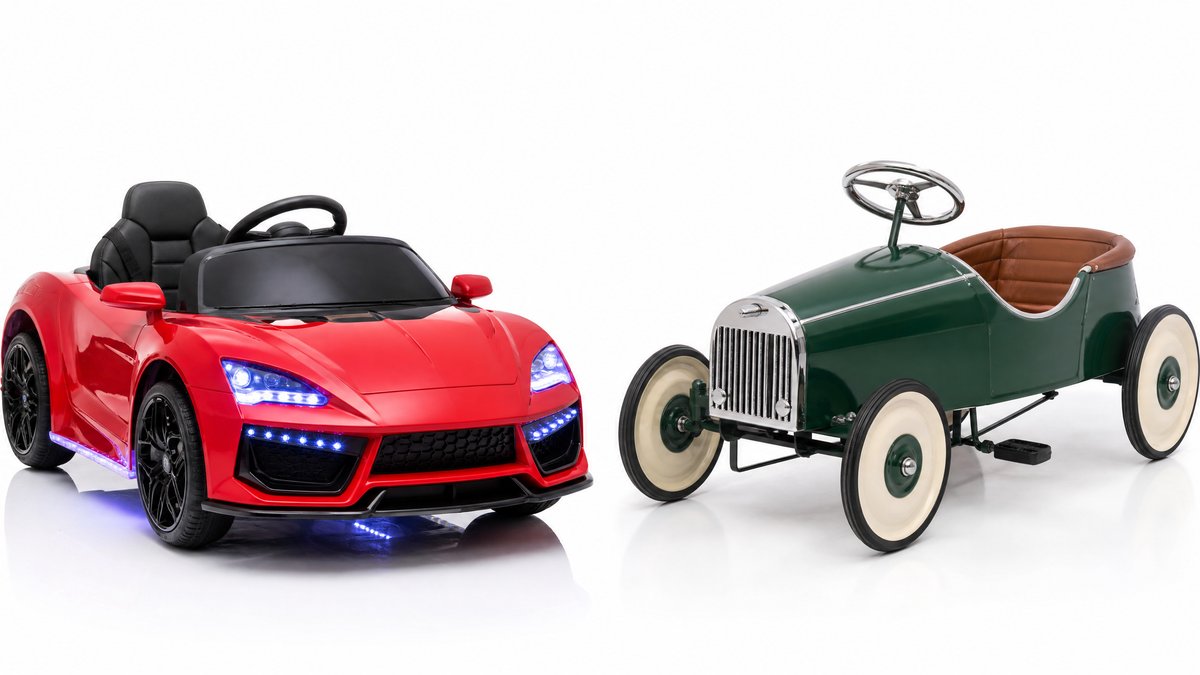
Because ride-on cars cannot be safely operated in active rain, retailers and manufacturers should guide consumers toward safer alternatives that satisfy children's desire for active play during inclement weather. Encouraging indoor play in finished basements, community halls, or covered pavilions eliminates weather-related electrical risks. Additionally, merchandising non-motorized rolling toys—such as balance bikes and push cars constructed from weather-resistant materials—provides robust options for damp outdoor conditions.
Frequently Asked Questions
Q1: Can a ride-on car be driven on wet grass right after it rains?
A: Driving a ride-on car on wet grass is generally discouraged. Wet grass coats the tires in moisture and organic debris, leading to immediate traction loss, wheel slippage, and inability to maintain steering control. Furthermore, low-slung chassis designs allow grass clippings and moisture to enter motor gearboxes and floorboard switches, increasing the risk of electrical short circuits. Operation should be restricted to dry, paved surfaces in accordance with manufacturer guidelines.
Q2: What should I do if water gets inside the battery compartment?
A: Turn off the main power switch, keep children away from the vehicle, and do not operate or charge it. Follow the model-specific manual for any user-permitted steps and contact manufacturer support or a qualified repair professional before returning the vehicle to service. If there is damage, unusual odor, smoke, leakage, or abnormal heating, do not attempt DIY electrical repairs or open the battery pack.
Q3: Does the manufacturer warranty cover water damage to the control board?
A: Coverage depends on the model’s written warranty terms and the manufacturer’s evaluation. Customers should keep the product information and contact the seller or manufacturer for a model-specific determination rather than assuming that any water-related issue is included or excluded.
Q4: Are there any ride-on cars that feature waterproof electrical systems?
A: Product protection varies by model. A customer should not assume that a vehicle is weather-resistant, splash-proof, or waterproof unless the manufacturer expressly documents that rating and the permitted conditions. Do not use pressure washing or standing water unless the manual explicitly permits it.
Conclusion
Rain and standing water can create electrical and traction risks for ride-on cars, but the actual exposure limit is model-specific. Wholesale distributors, retail merchants, and end-users should prioritize preventive care, safe storage, and the manufacturer’s instructions. If accidental exposure occurs, do not use or charge the vehicle until the documented support process has been followed. All operational limits remain subject to the specific model's rated nameplate, manual, and manufacturer's written instructions.
For wholesale inquiries, bulk ordering, and commercial partnership opportunities, please contact our editorial and sales team directly:
Request a wholesale quote
Official References
* Consumer Product Safety Commission (CPSC) Toy Safety Guidance: https://www.cpsc.gov/Business--Manufacturing/Business-Education/Toy-Safety - This CPSC page outlines battery-powered toy battery accessibility, labeling, overheating, and charger requirements; ride-on toy stability and overload requirements; and instruction manual requirements for certain ride-on/adult-assembly and battery-powered toys. Note: Regulatory guidance does not replace specific product manuals or individual manufacturer compliance testing protocols.
* International Electrotechnical Commission (IEC) Safety of Electric Toys Standards (IEC 62115).
* ASTM International Standard Consumer Safety Specification for Toy Safety (ASTM F963).
Official references
Explore these external resources for current regulatory and trade guidance. Confirm requirements with the relevant authority before placing an order.
Ready to Start?
Factory-Direct · CE & ASTM Certified · MOQ from 50 Units
Our export team works with buyers in 60+ countries. Get a quote within 24 hours.
KR
Written by KidsRideCar
China's leading kids electric ride-on car manufacturer. 500,000+ units shipped annually to 60+ countries. CE, ASTM & EN71 certified.