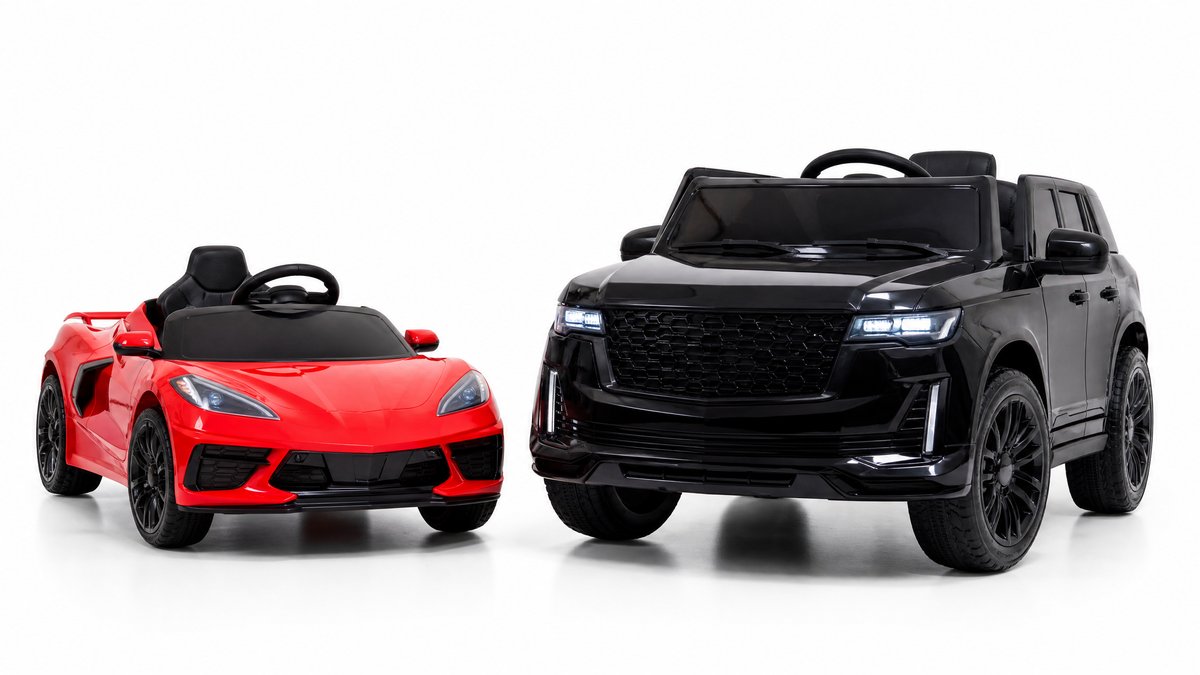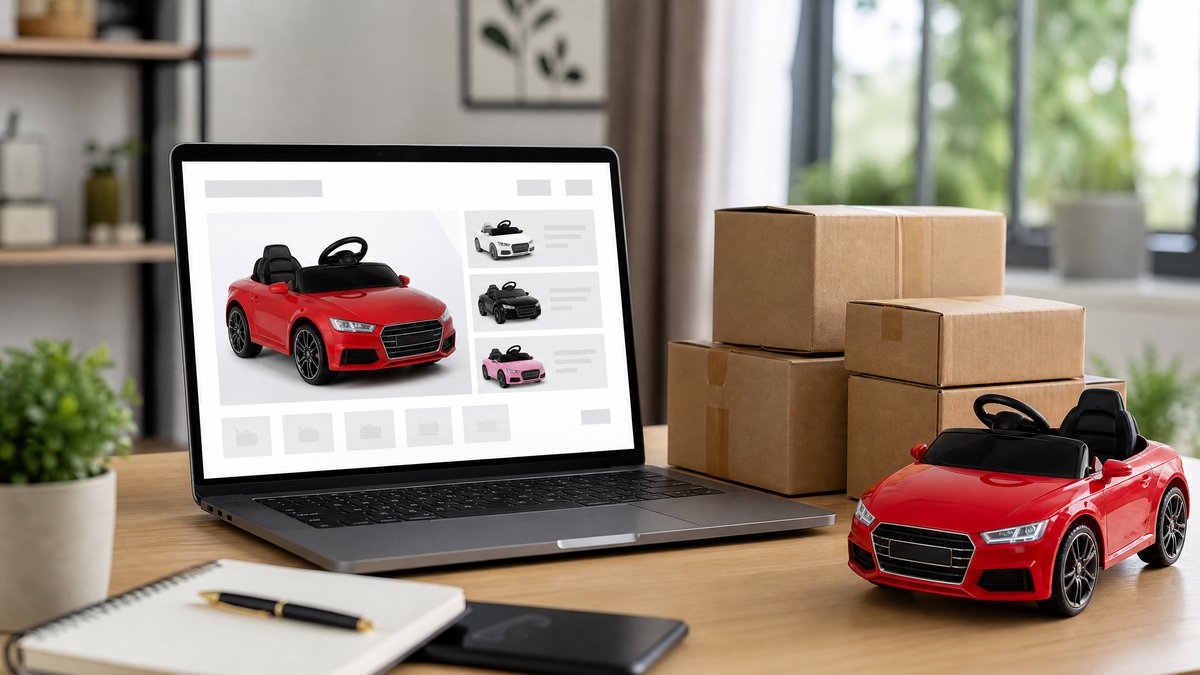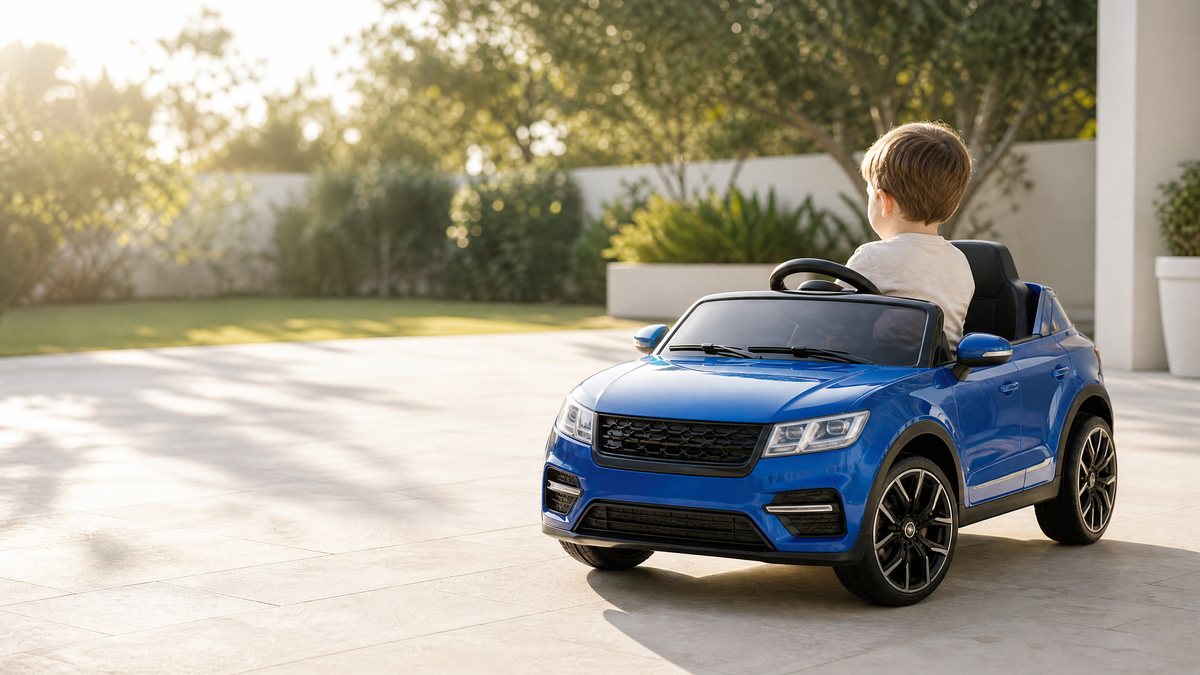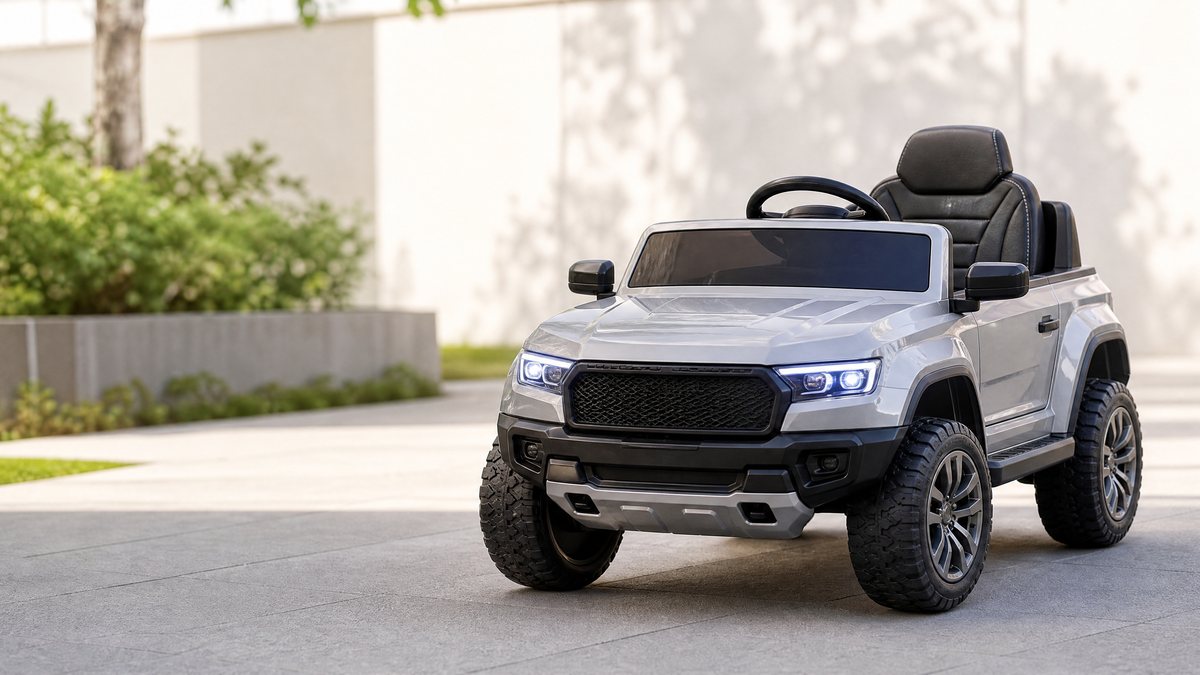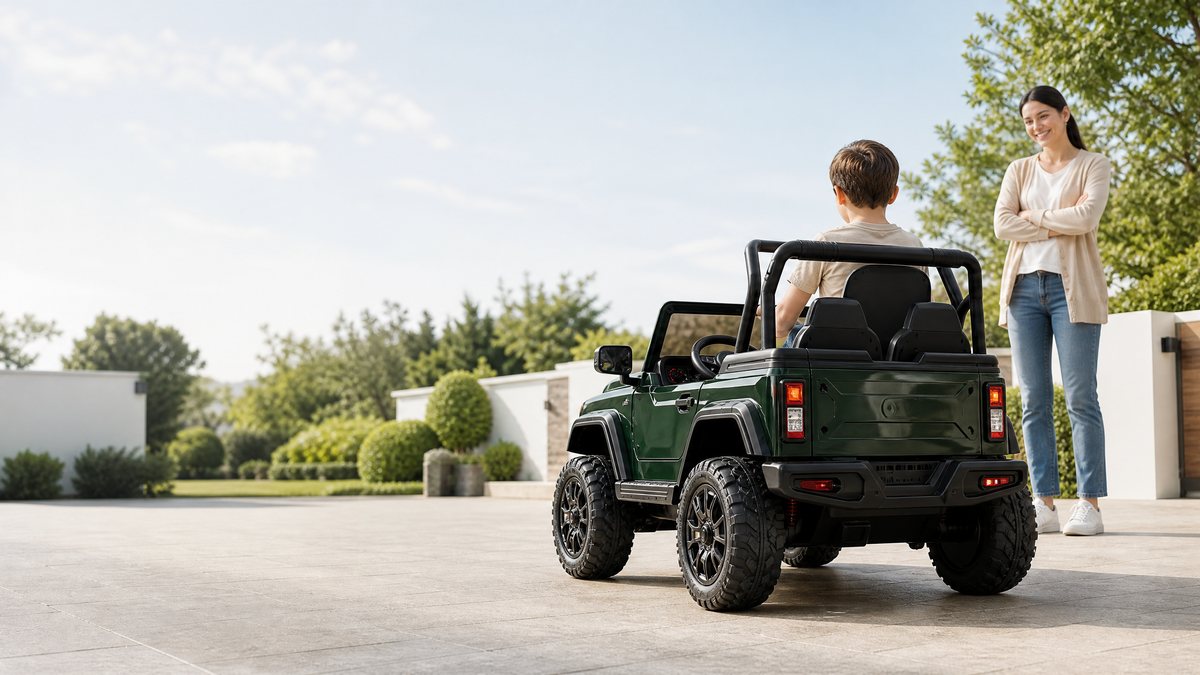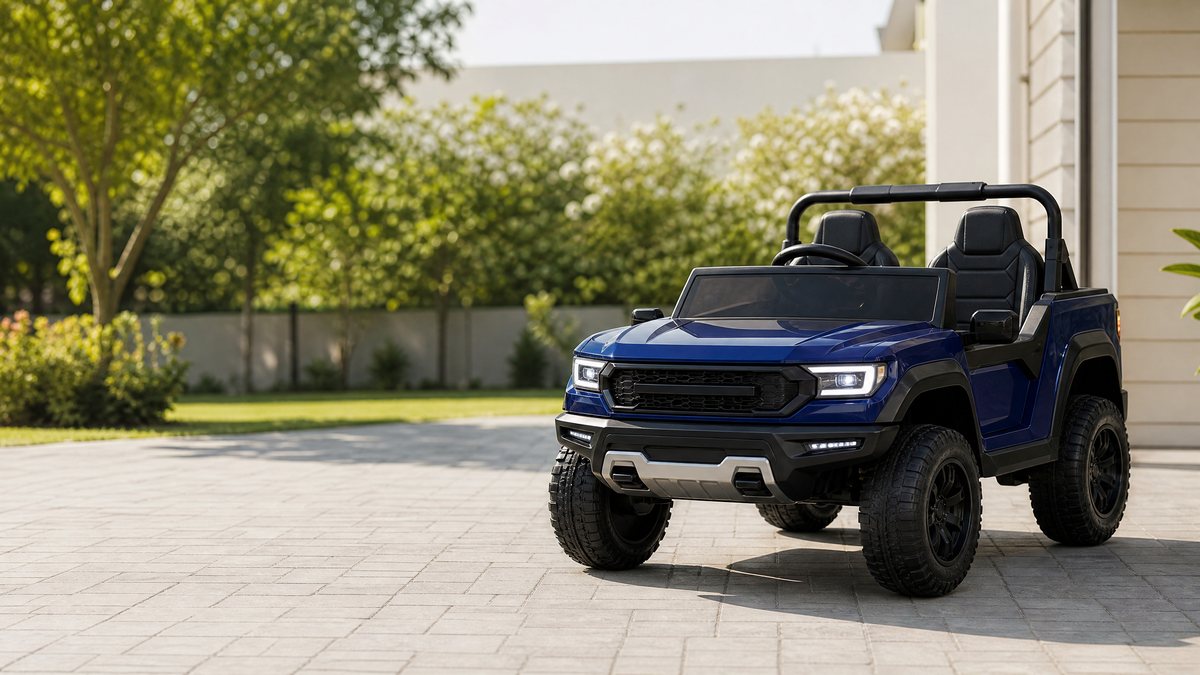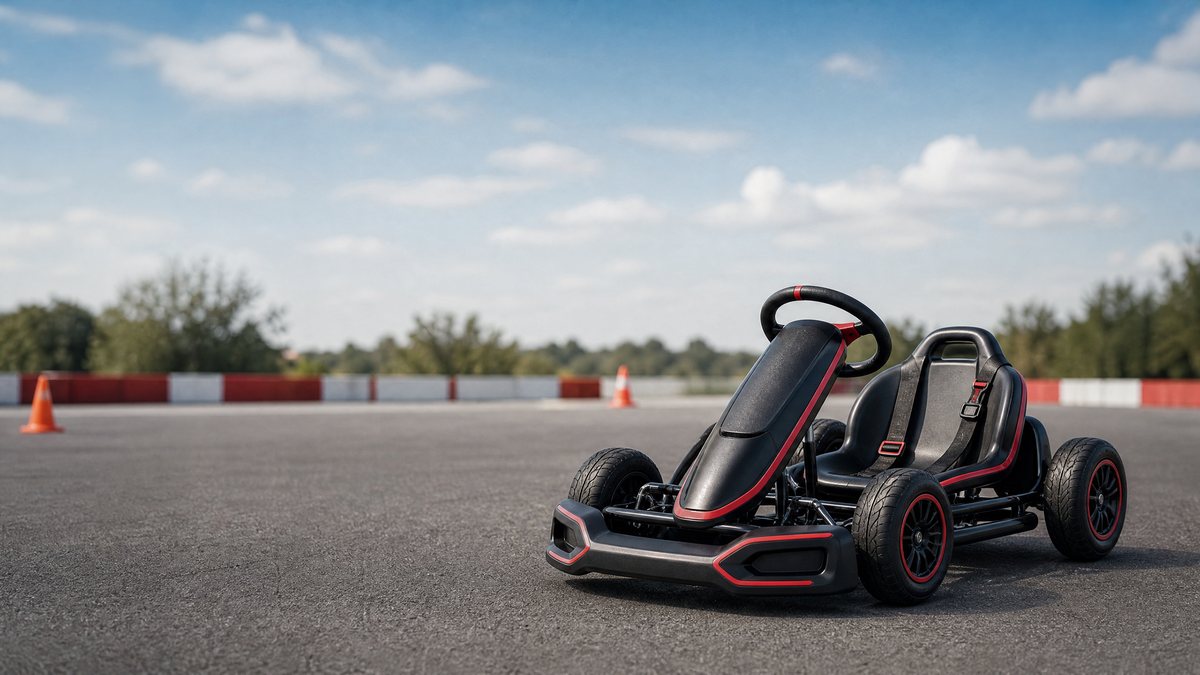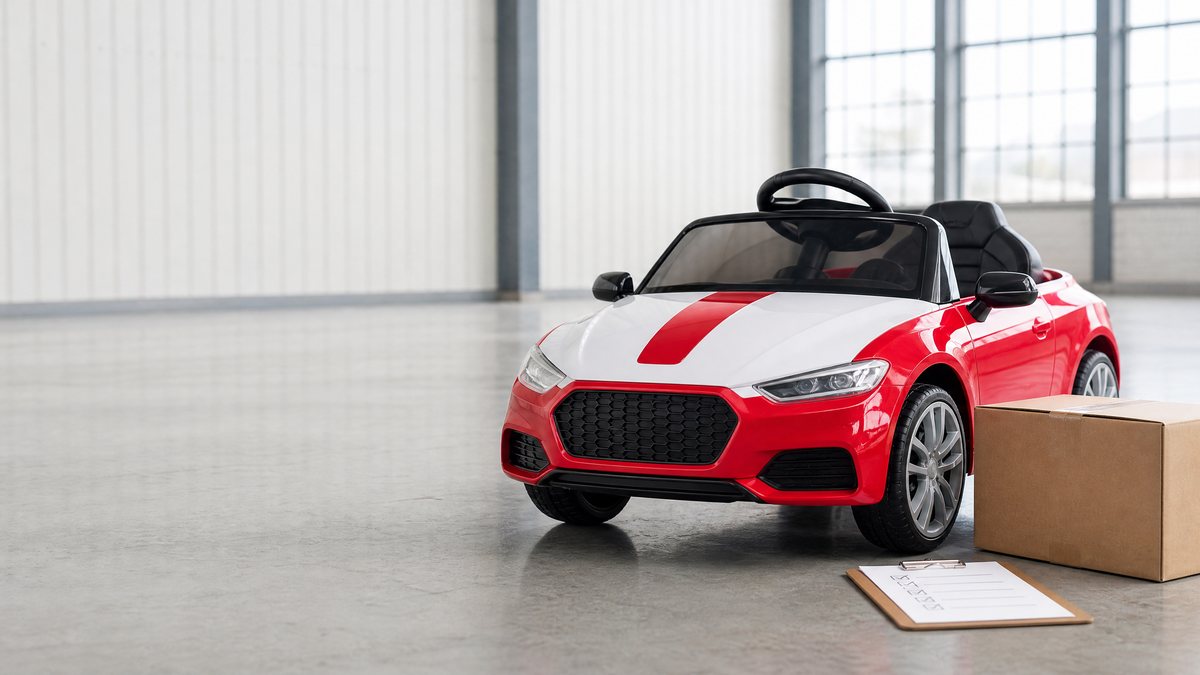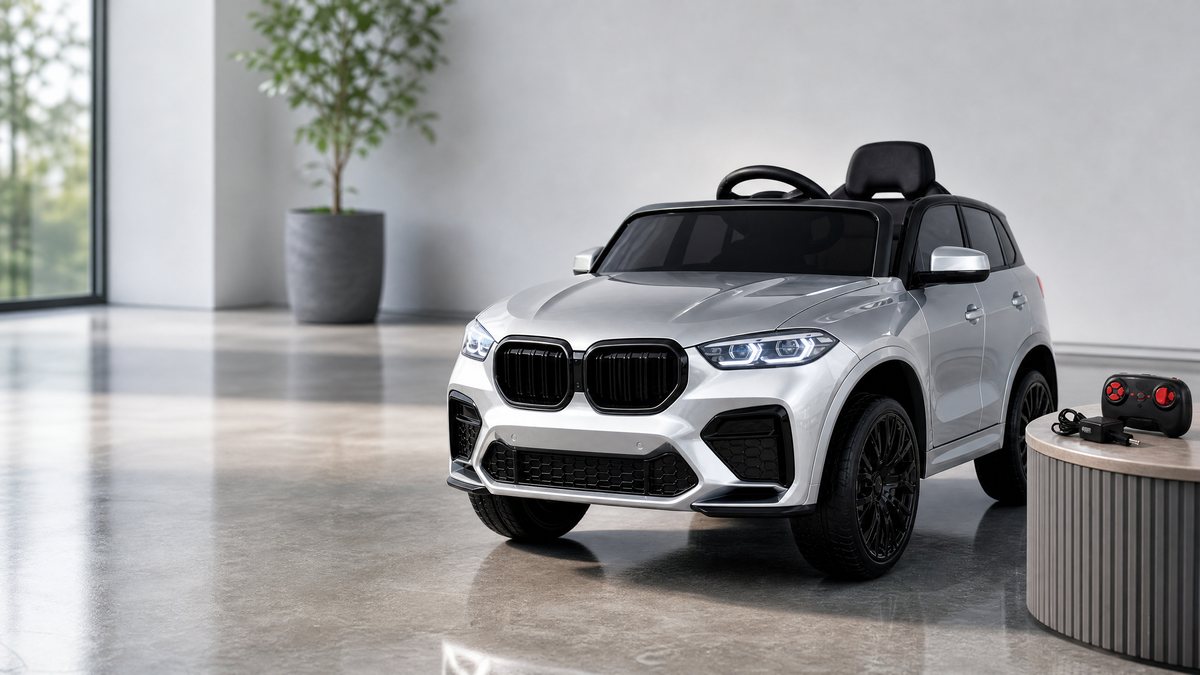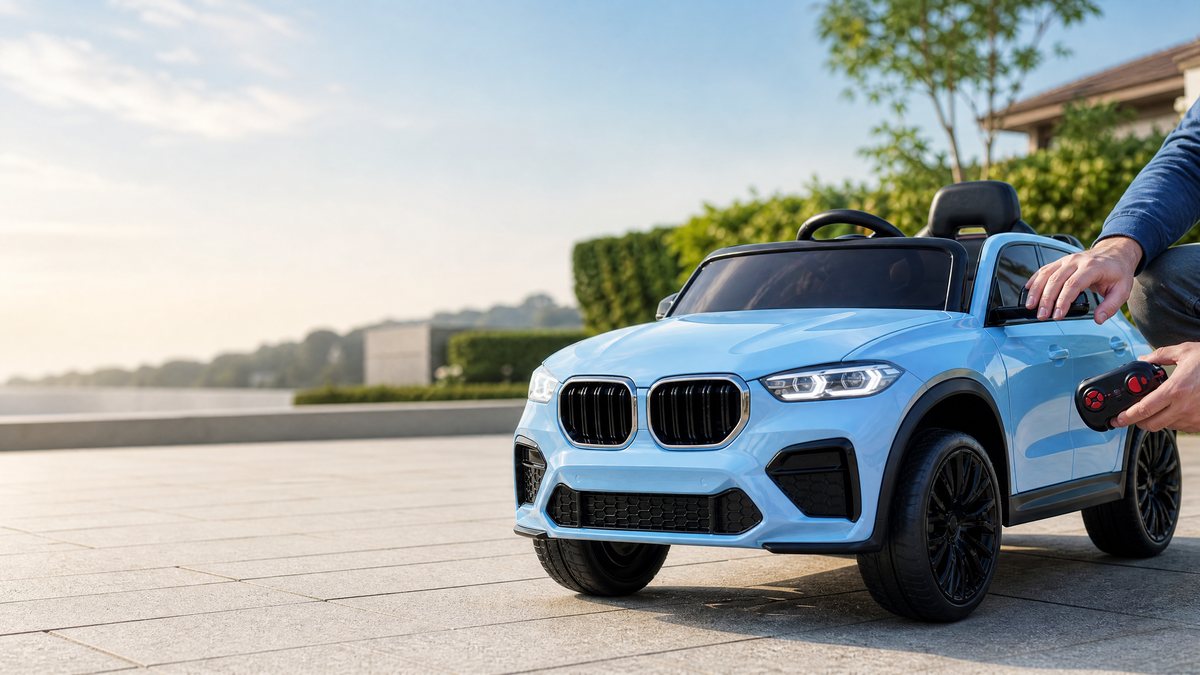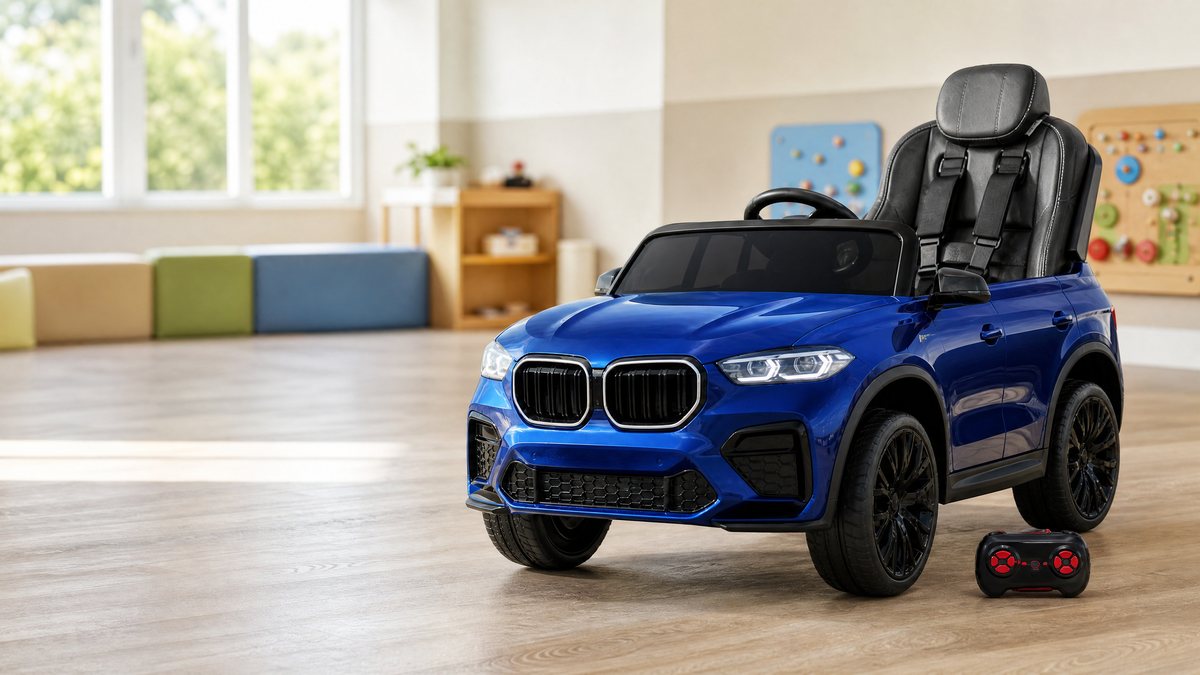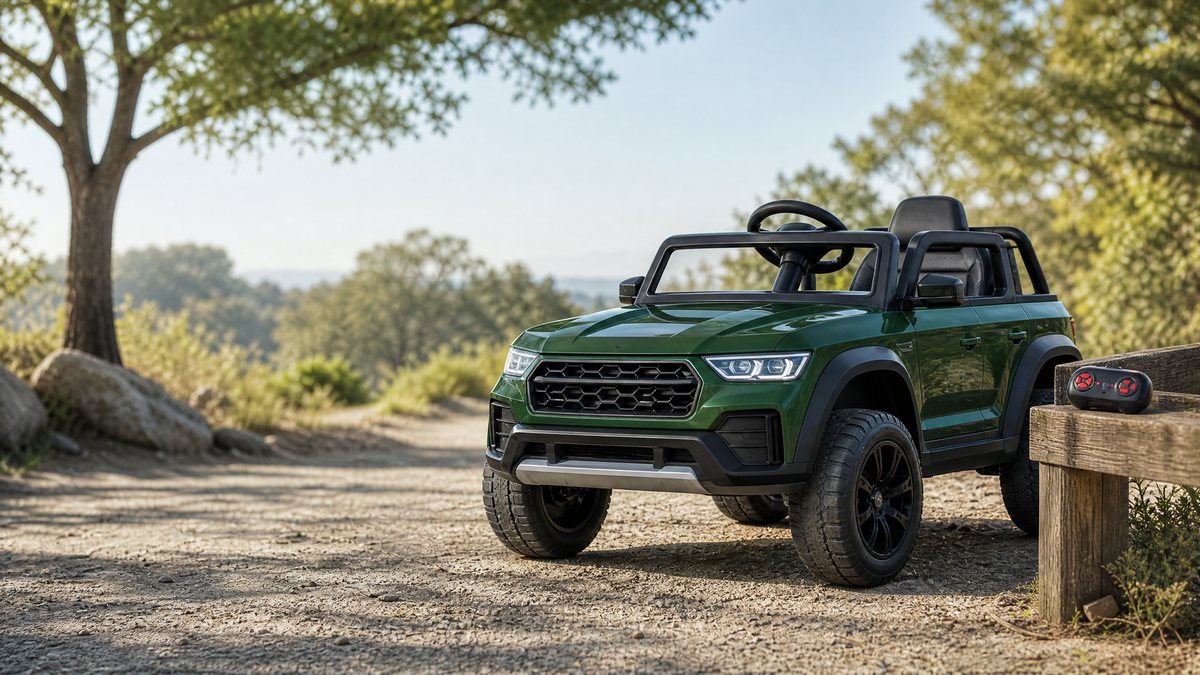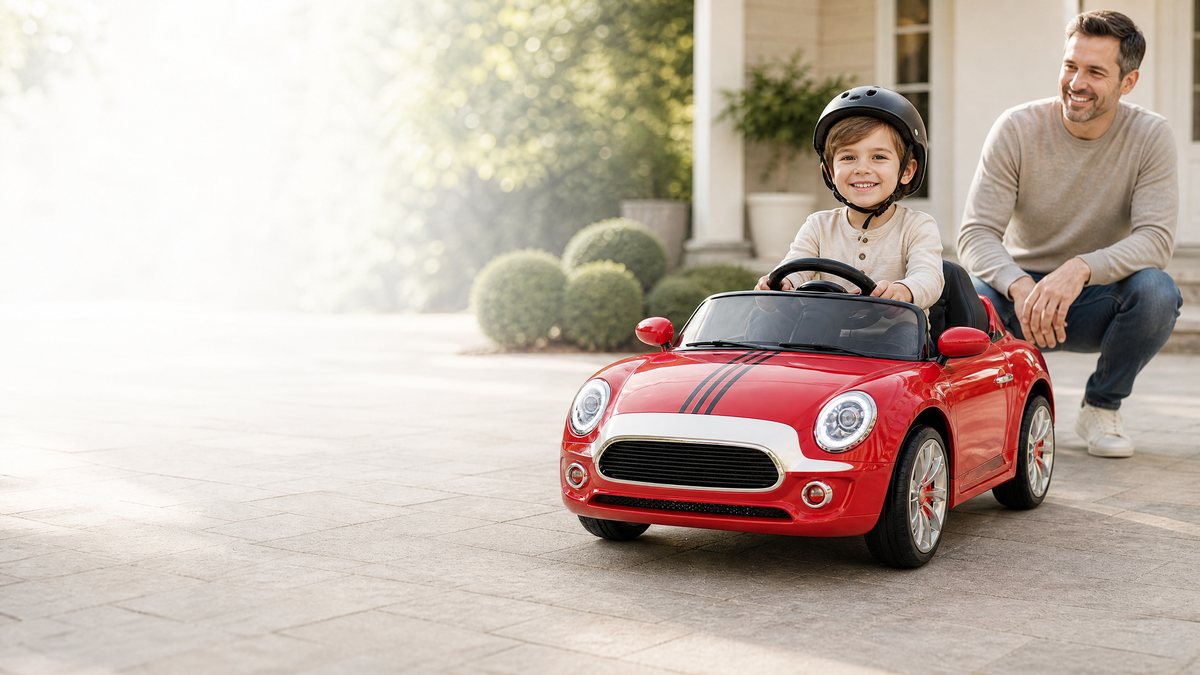
Four represents a pivotal developmental stage in early childhood. At this age, children experience rapid advancements in spatial awareness, balance, hand-eye coordination, and a growing desire for independent exploration. Selecting a ride-on vehicle for a four-year-old requires careful alignment between the child's physical dimensions, developmental readiness, and the vehicle's technical specifications. Rather than relying on unverified product claims or single-user testimonials, parents and retail buyers should evaluate ride-on cars through a transparent framework focusing on electrical output, mechanical construction, and adherence to established toy safety standards [1].
This guide outlines the critical decision factors, technical considerations, and safety protocols necessary to identify the most suitable ride-on car for four-year-olds, serving both discerning retail buyers and families seeking structured purchasing criteria.
By age four, children typically range from 38 to 44 inches in height and weigh between 32 and 42 pounds. This physical profile distinguishes them from toddlers who require entry-level six-volt vehicles with restricted movement. Four-year-olds generally possess the leg coordination required to operate a foot accelerator pedal and the cognitive ability to steer purposefully.
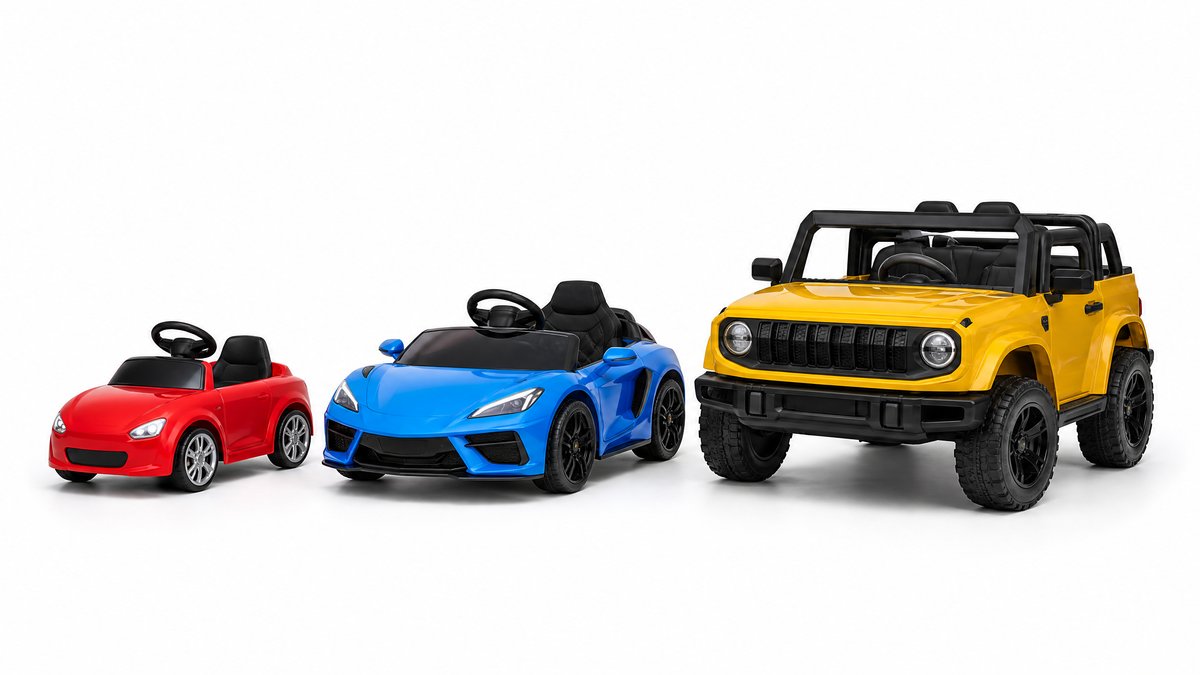
However, sizing varies significantly across manufacturers. When evaluating options, buyers must examine cabin dimensions, legroom, and maximum weight capacities rather than relying solely on generalized age labeling. A vehicle with an overly cramped cockpit will cause discomfort and limit usable lifespan, whereas an oversized vehicle may present control challenges for a child at the lower end of the height spectrum.
> "Toy safety standards emphasize that age grading is advisory and must be supplemented by evaluating the child's physical size, motor coordination, and maturity level." — ASTM International [2]
Navigating the ride-on car market involves analyzing several core technical parameters that directly impact performance, durability, and user experience.
Ride-on vehicles generally fall into three electrical tiers:
- 6V Systems: Typically underpowered for four-year-olds, offering limited speed (1.5 to 2 mph) and poor performance on uneven terrain. These are best suited for toddlers under three.
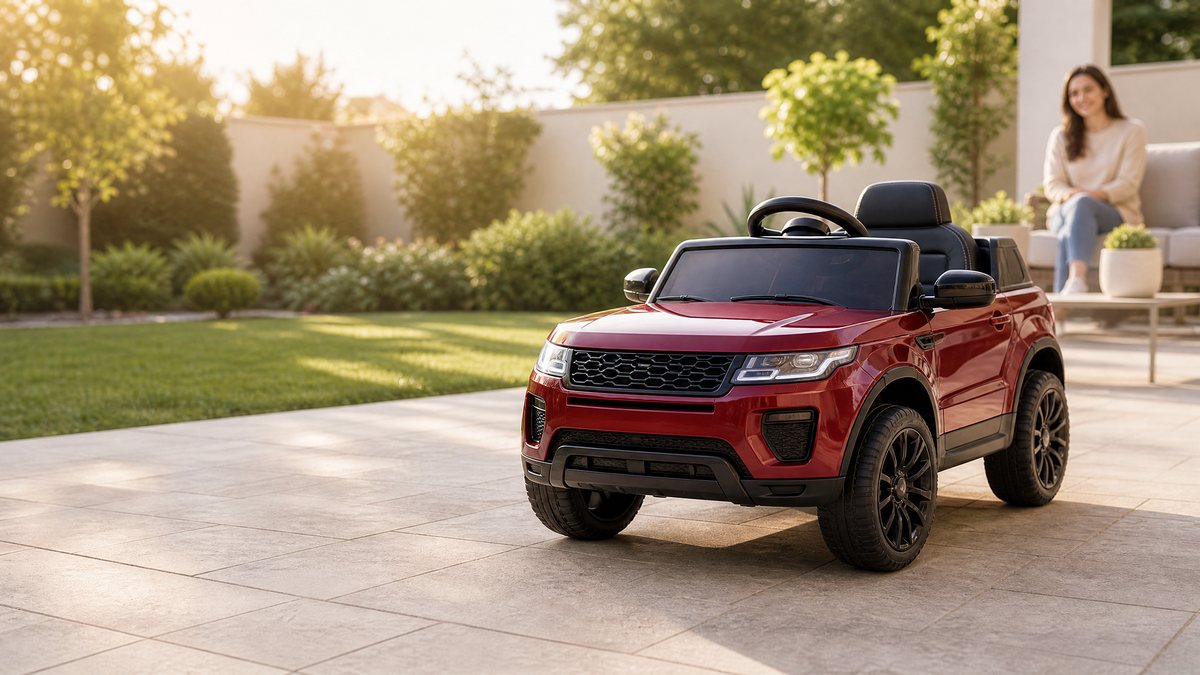
- 12V Systems: The gold standard for four-year-olds. Powered by dual or quad motors, 12V configurations deliver speeds between 3 to 5 mph, providing enough torque for grass, slight inclines, and paved driveways without overwhelming the child's reaction times.
- 24V Systems: High-performance options designed for older children or rugged terrain. While some advanced four-year-olds can handle 24V units, they require strict adult supervision and are generally recommended for ages five and up unless equipped with adjustable low-speed lockouts.
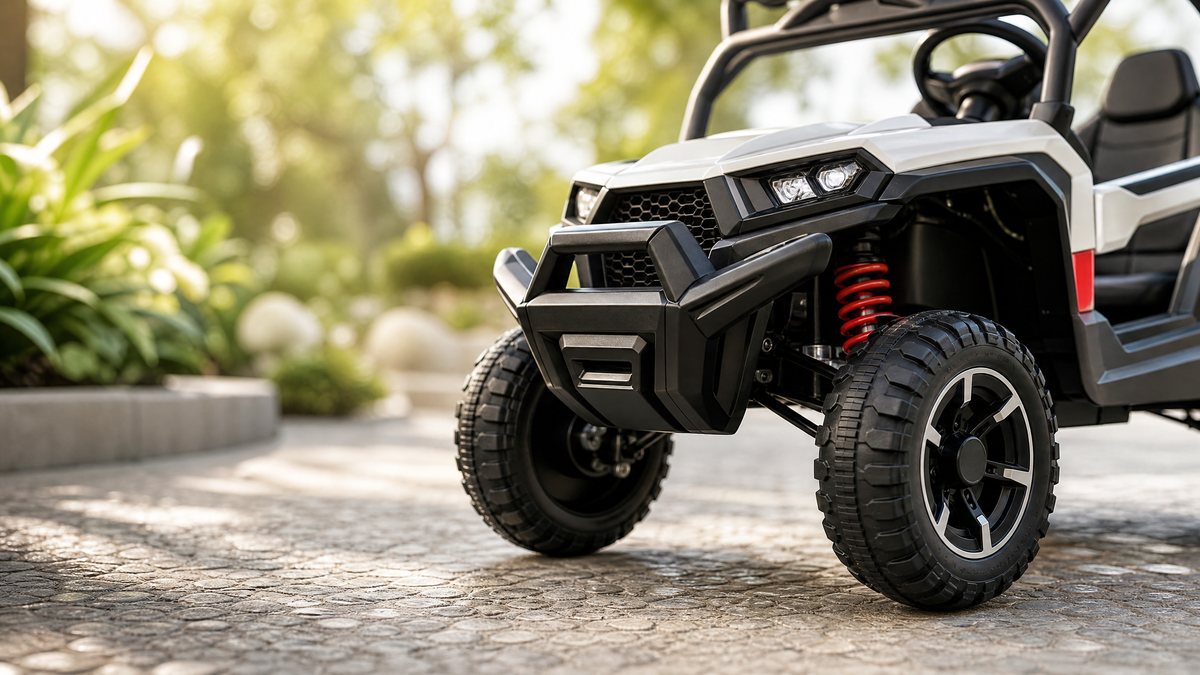
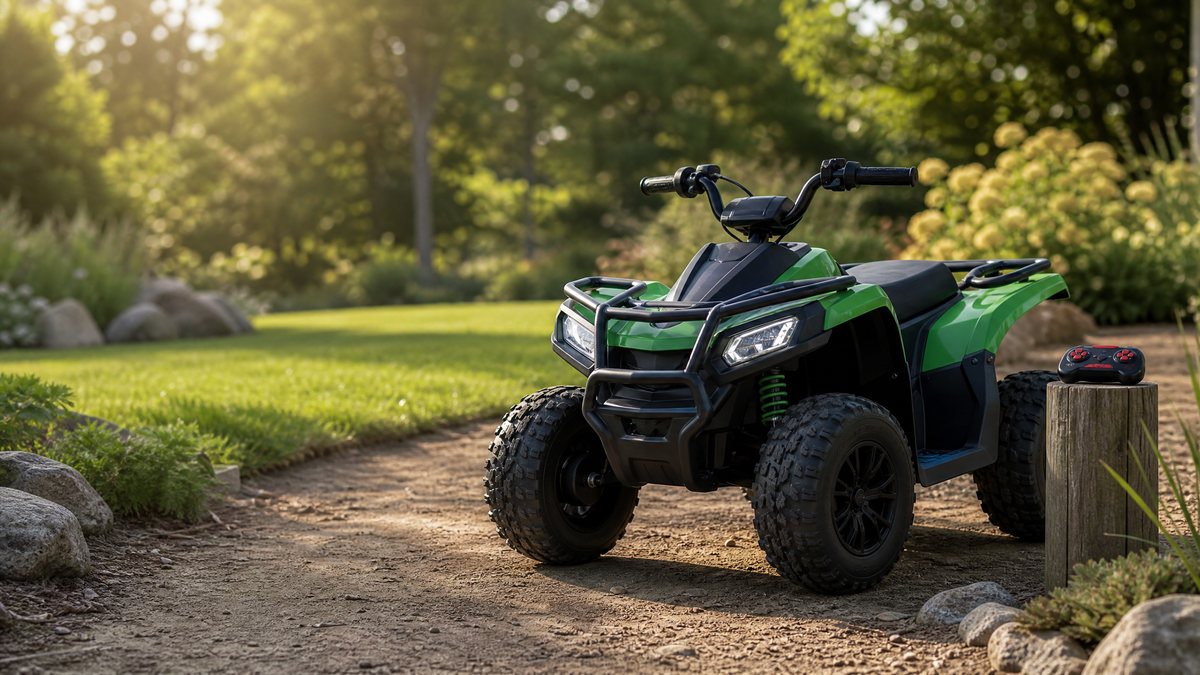
Motor placement significantly influences handling. Rear-wheel drive systems with dual motors offer balanced traction on standard outdoor surfaces. Premium models feature EVA (Ethylene-Vinyl Acetate) foam tires rather than hard plastic wheels. EVA tires provide superior grip, absorb minor shocks from pavement, and operate with significantly less noise.
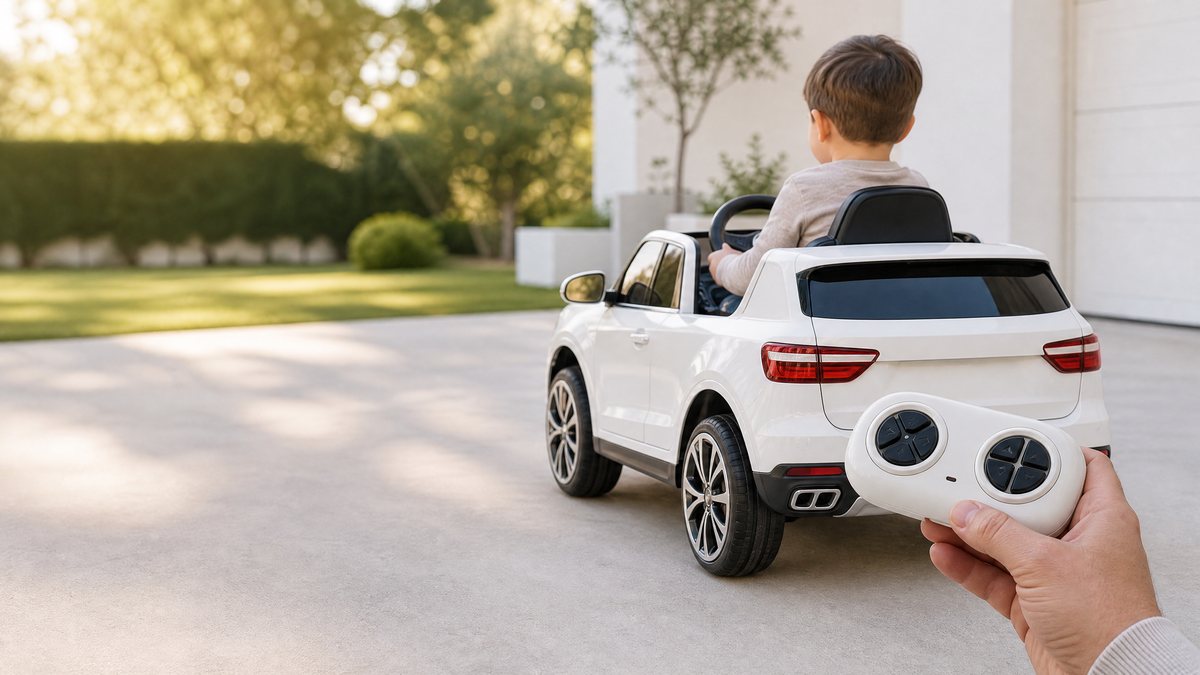
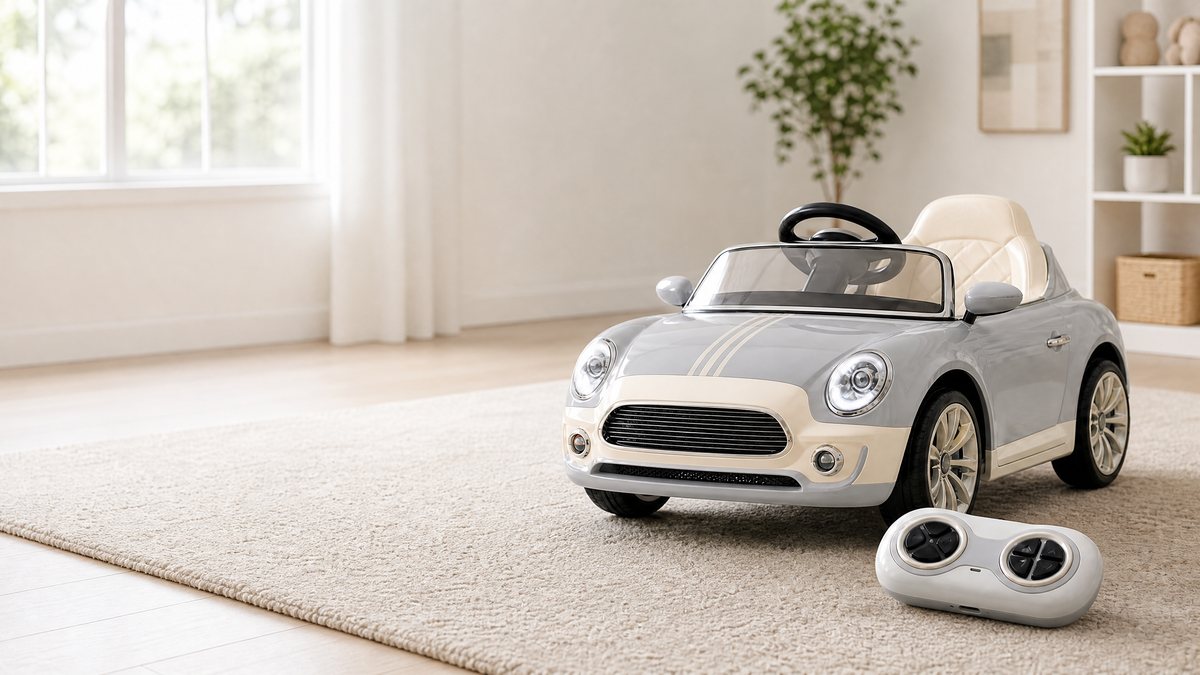
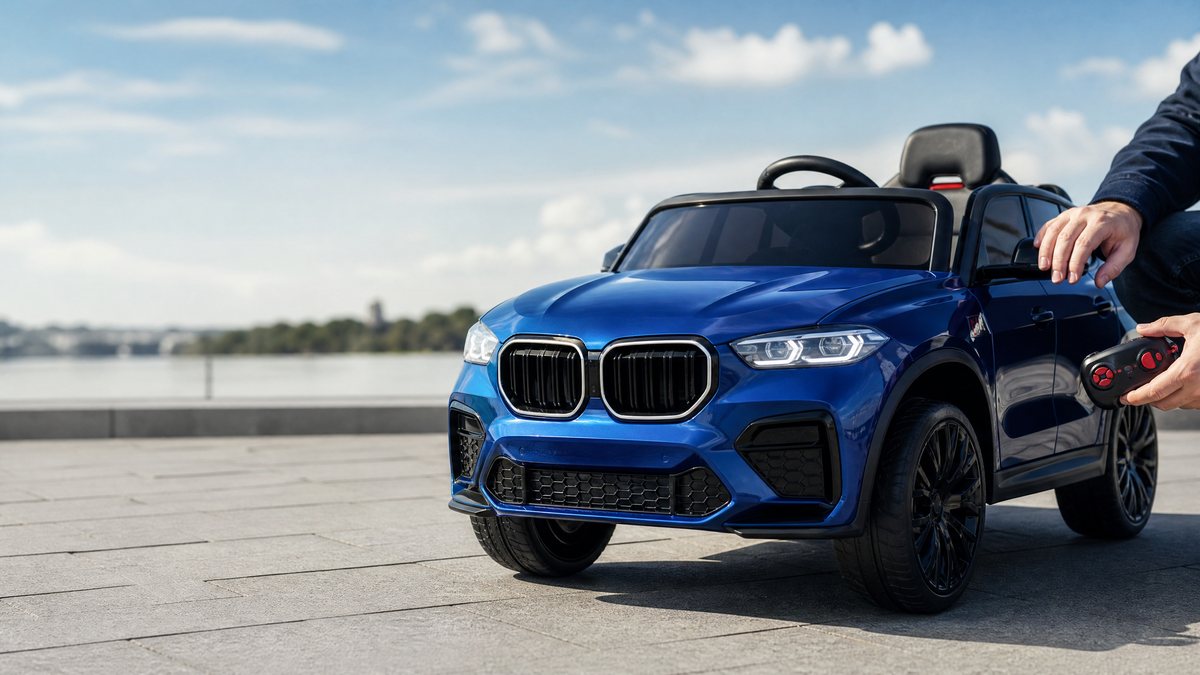
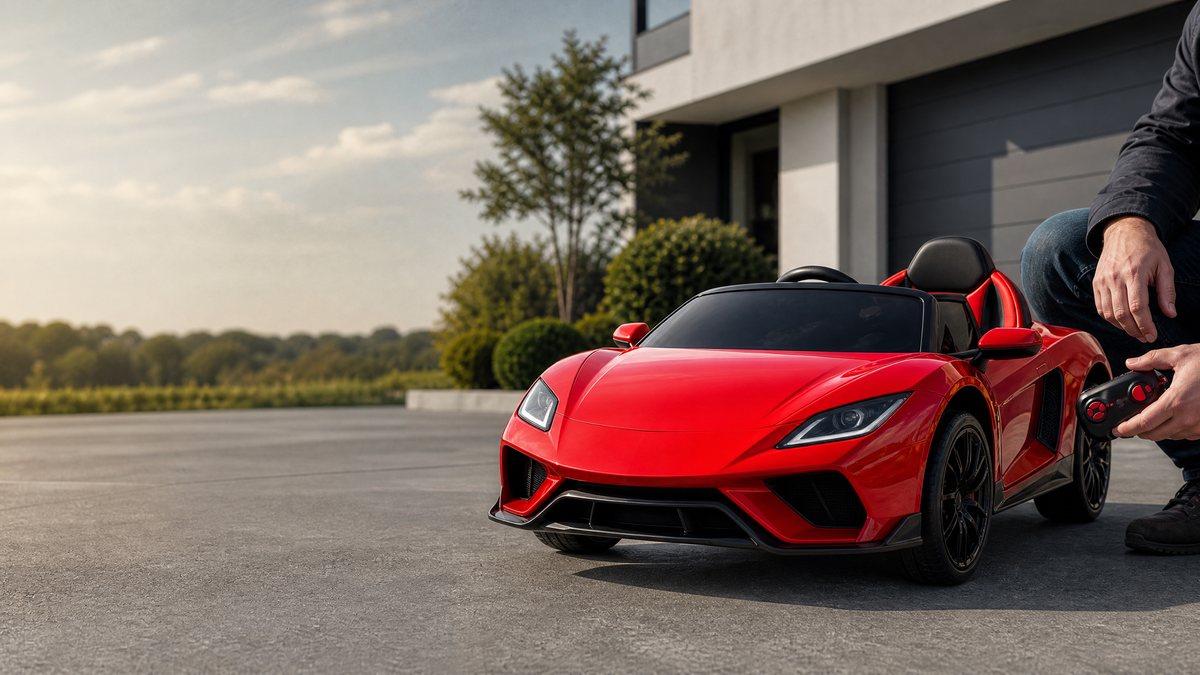
Even at age four, developmental levels vary. Many quality ride-on cars include a 2.4G parental remote control override feature. This allows parents to steer or halt the vehicle instantly if the child encounters an obstacle or loses concentration. Dual-mode functionality (manual child control backed by parental remote override) offers an optimal balance between fostering independence and maintaining safety.
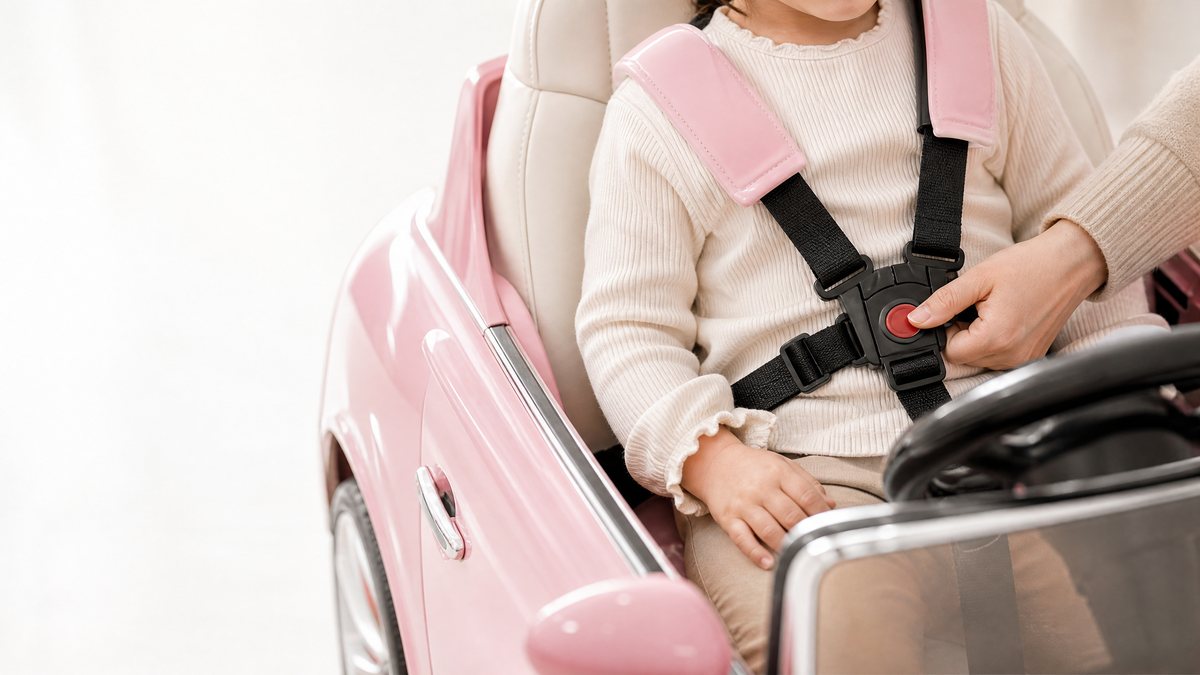
Ensuring a safe driving experience requires systematic verification of both the vehicle's mechanical integrity and the operating environment. Retailers and parents should incorporate the following checklist before initial operation:
- [ ] Age and Weight Verification: Confirm that the child's weight and height fall safely within the manufacturer's specified maximum limits [1].
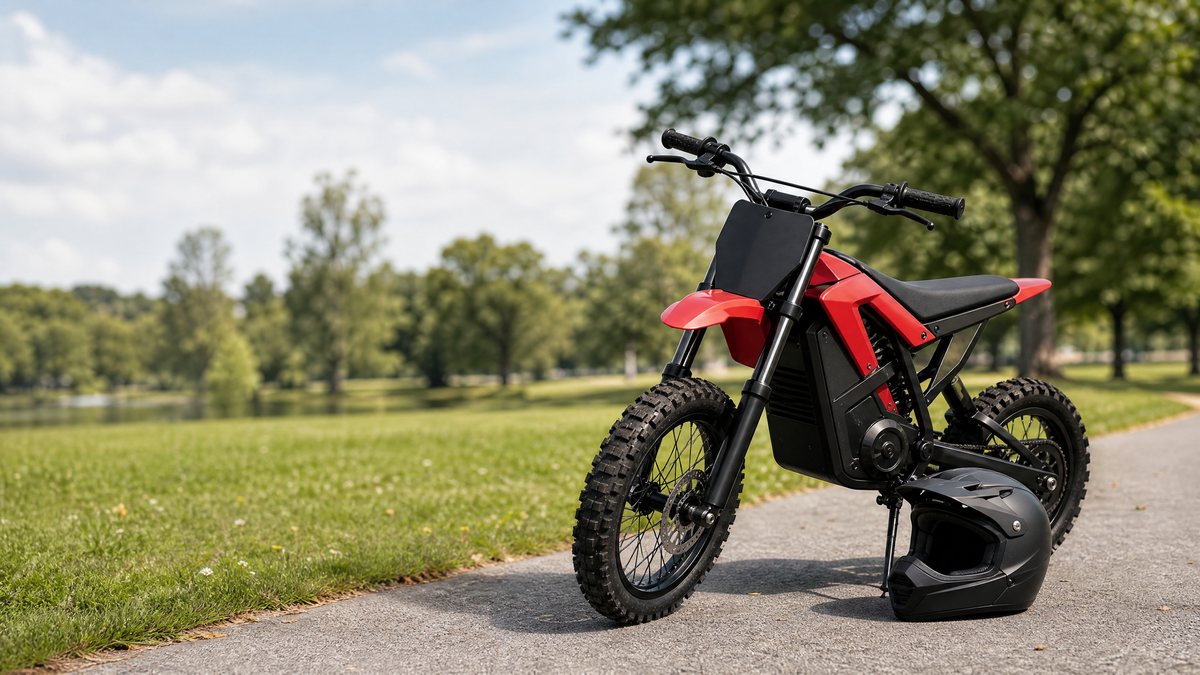
- [ ] Protective Equipment: Ensure the child wears a properly fitted bicycle helmet during operation, regardless of vehicle speed.
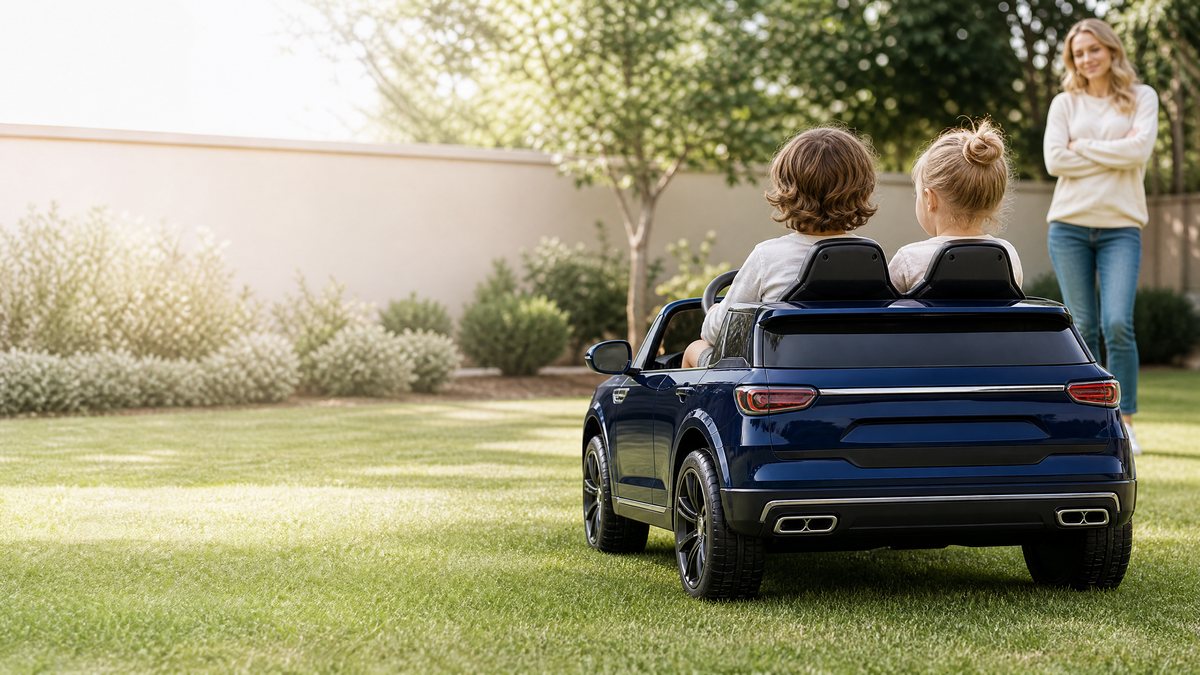
- [ ] Parental Supervision: Designate a secure, enclosed riding area free from motor vehicle traffic, steep drop-offs, and bodies of water.
- [ ] Mechanical Inspection: Inspect steering linkages, wheel nuts, brake responsiveness, and electrical wiring connections prior to each use.
- [ ] Battery Management: Verify that chargers meet regional electrical safety certifications and that batteries are charged according to manufacturer specifications to prevent overheating.
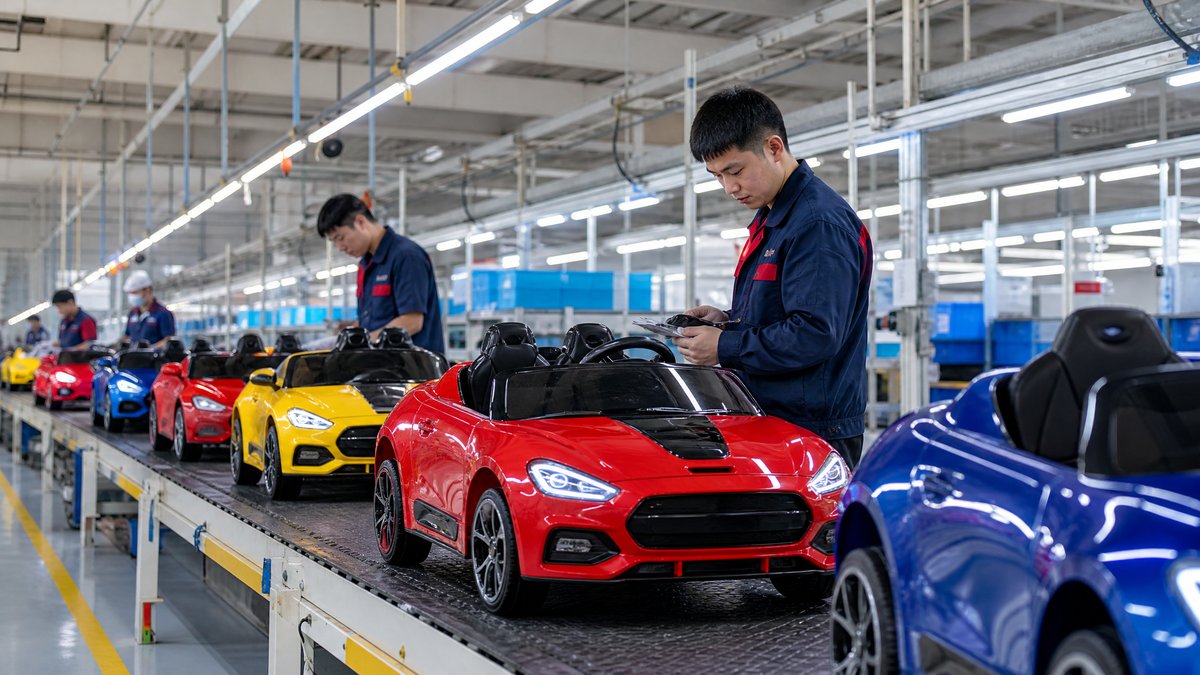
For B2B buyers, sourcing ride-on cars tailored to four-year-olds requires attention to regulatory compliance and market demand. Four-year-olds represent a high-turnover category because children at this age rapidly outgrow entry-level toddler toys. Importers should prioritize models that feature:
- Certified compliance with regional toy safety directives (such as ASTM F963 in North America or EN 71 in Europe) [2, 3].
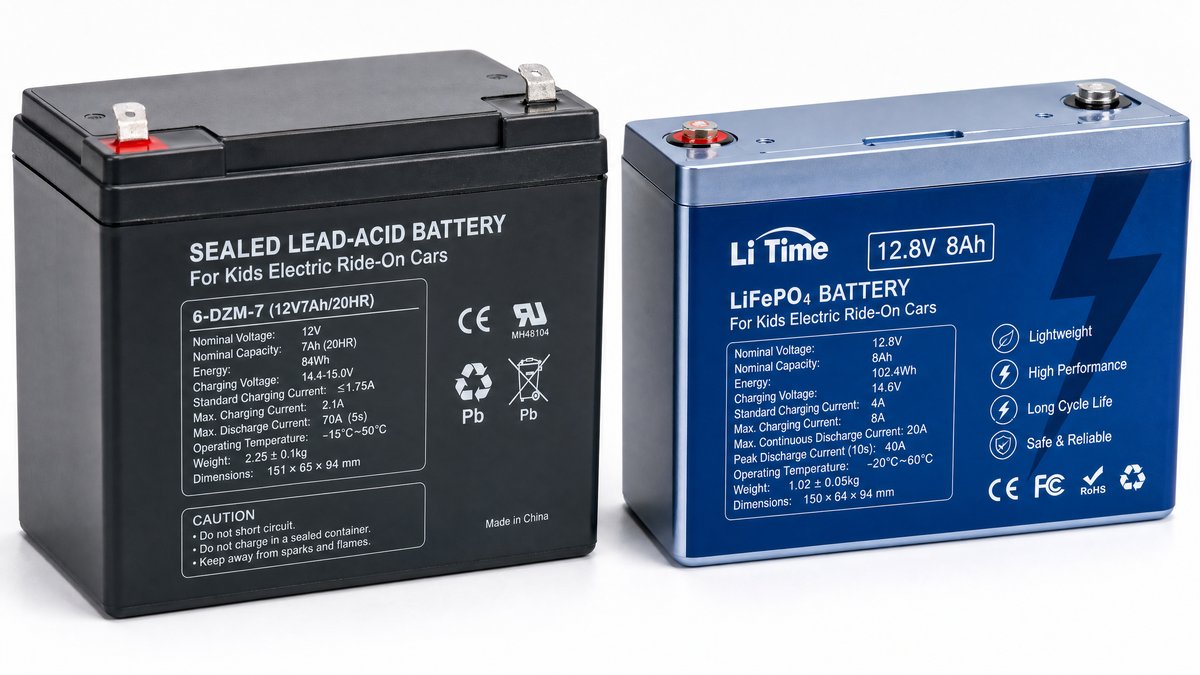
- Clear documentation regarding battery chemistry (sealed lead-acid vs. lithium-ion) and electrical safety testing reports.
- Modular replacement parts availability (such as replacement gearboxes, switches, and remote handsets) to support after-sales customer service and reduce warranty return rates.
For the vast majority of four-year-olds, a 12V ride-on car provides the ideal balance of power, speed, and safety. 12V models typically travel between 3 and 5 mph, allowing children to experience realistic driving without exceeding comfortable reaction times. 24V models are generally reserved for older children or specialized multi-terrain use unless equipped with speed-limiting features.
While many four-year-olds have developed sufficient motor skills to steer independently, a 2.4G parental remote control remains a valuable safety feature. It allows supervising adults to intervene immediately in crowded areas, near driveways, or if the child becomes disoriented.
Ride-on cars designed for four-year-olds typically feature weight capacities ranging from 65 to 88 pounds (approx. 30 to 40 kg). Buyers should always check the exact manufacturer specifications to ensure structural durability and appropriate motor load distribution.
EVA (Ethylene-Vinyl Acetate) foam tires offer superior performance compared to hard plastic. They provide better traction on slick surfaces, absorb minor impacts for a smoother ride, and eliminate the loud rattling noise associated with plastic wheels on pavement.
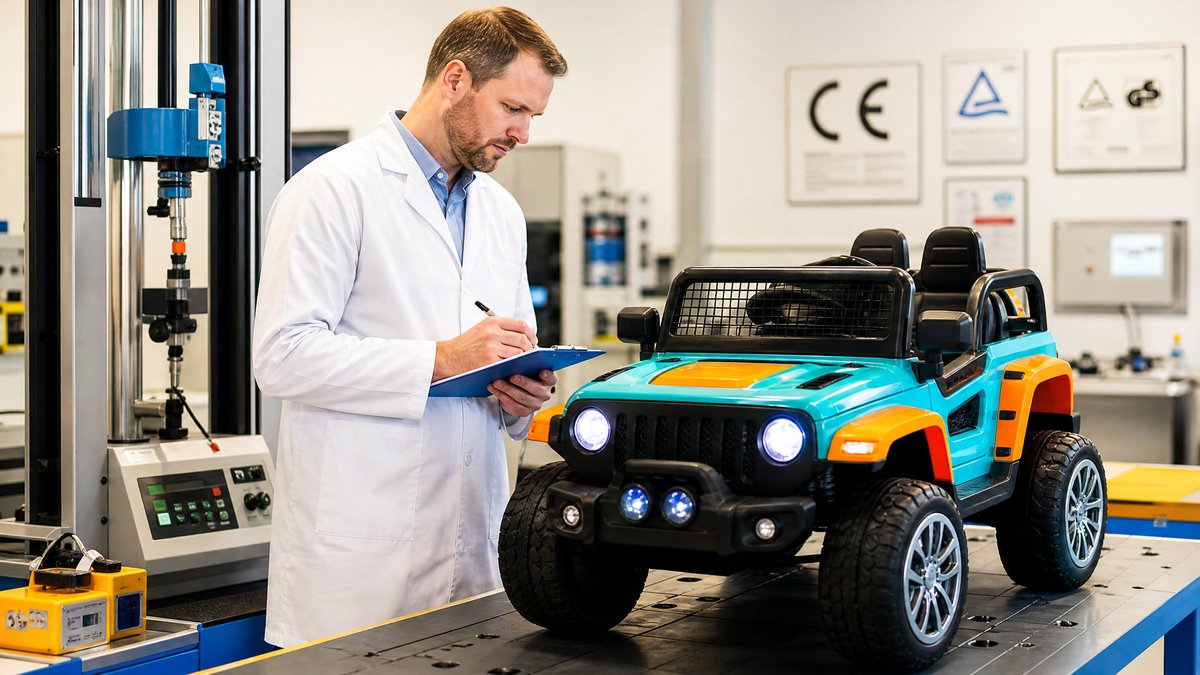
Commercial importers should request formal test reports confirming compliance with ASTM F963 (United States), EN 71 (European Union), or equivalent national toy safety standards [2, 3]. These certifications evaluate mechanical hazards, sharp edges, small parts, and electrical safety parameters.
Selecting the best ride-on car for a four-year-old involves balancing developmental suitability, electrical power specifications, and uncompromising safety standards. By focusing on verifiable build quality—such as EVA tires, dual-motor 12V systems, and parental remote overrides—parents and retail buyers can ensure an engaging and secure driving experience. Importers and retailers should likewise prioritize certified compliance and robust after-sales support to meet consumer expectations in this dynamic product category.
Request a wholesale quote to explore our complete catalog of certified ride-on vehicles designed for global retail markets.
[1] U.S. Consumer Product Safety Commission (CPSC). Toy Safety Business Guidance and Compliance Requirements. Available online via official regulatory channels.
[2] ASTM International. ASTM F963 - Standard Consumer Safety Specification for Toy Safety. West Conshohocken, PA.
[3] European Committee for Standardization (CEN). EN 71 - Safety of Toys Directive Series. Brussels, Belgium.
This guide outlines the critical decision factors, technical considerations, and safety protocols necessary to identify the most suitable ride-on car for four-year-olds, serving both discerning retail buyers and families seeking structured purchasing criteria.
Developmental Readiness and Sizing for Four-Year-Olds
By age four, children typically range from 38 to 44 inches in height and weigh between 32 and 42 pounds. This physical profile distinguishes them from toddlers who require entry-level six-volt vehicles with restricted movement. Four-year-olds generally possess the leg coordination required to operate a foot accelerator pedal and the cognitive ability to steer purposefully.
However, sizing varies significantly across manufacturers. When evaluating options, buyers must examine cabin dimensions, legroom, and maximum weight capacities rather than relying solely on generalized age labeling. A vehicle with an overly cramped cockpit will cause discomfort and limit usable lifespan, whereas an oversized vehicle may present control challenges for a child at the lower end of the height spectrum.
> "Toy safety standards emphasize that age grading is advisory and must be supplemented by evaluating the child's physical size, motor coordination, and maturity level." — ASTM International [2]
Decision Framework: Key Technical Specifications
Navigating the ride-on car market involves analyzing several core technical parameters that directly impact performance, durability, and user experience.
1. Voltage and Power Systems
Ride-on vehicles generally fall into three electrical tiers:
- 6V Systems: Typically underpowered for four-year-olds, offering limited speed (1.5 to 2 mph) and poor performance on uneven terrain. These are best suited for toddlers under three.
- 12V Systems: The gold standard for four-year-olds. Powered by dual or quad motors, 12V configurations deliver speeds between 3 to 5 mph, providing enough torque for grass, slight inclines, and paved driveways without overwhelming the child's reaction times.
- 24V Systems: High-performance options designed for older children or rugged terrain. While some advanced four-year-olds can handle 24V units, they require strict adult supervision and are generally recommended for ages five and up unless equipped with adjustable low-speed lockouts.
2. Drive Configurations and Traction
Motor placement significantly influences handling. Rear-wheel drive systems with dual motors offer balanced traction on standard outdoor surfaces. Premium models feature EVA (Ethylene-Vinyl Acetate) foam tires rather than hard plastic wheels. EVA tires provide superior grip, absorb minor shocks from pavement, and operate with significantly less noise.
3. Control Mechanisms: Pedal vs. Parental Remote
Even at age four, developmental levels vary. Many quality ride-on cars include a 2.4G parental remote control override feature. This allows parents to steer or halt the vehicle instantly if the child encounters an obstacle or loses concentration. Dual-mode functionality (manual child control backed by parental remote override) offers an optimal balance between fostering independence and maintaining safety.
Comparison of Ride-On Car Configurations for Four-Year-Olds
| Configuration Tier | Typical Voltage | Speed Range | Recommended Terrain | Key Advantages | Primary Considerations |
|---|---|---|---|---|---|
| Entry 12V Standard | 12V (Single/Dual Motor) | 2.5 - 3.5 mph | Smooth pavement, indoor tiles | Lightweight, easy to maneuver, budget-friendly | Limited performance on grass or inclines |
| Upgraded 12V Multi-Motor | 12V (Dual/Quad Motor) | 3.0 - 5.0 mph | Pavement, short grass, gentle slopes | Enhanced torque, EVA tires, suspension systems | Higher battery consumption under heavy load |
| Performance 24V Heavy-Duty | 24V (High-Output Dual Motor) | 4.0 - 6.0 mph | Multi-terrain, gravel, moderate inclines | Maximum power, longer runtime, robust payload | Requires mature coordination and strict supervision |
Safety and Fit Checklist
Ensuring a safe driving experience requires systematic verification of both the vehicle's mechanical integrity and the operating environment. Retailers and parents should incorporate the following checklist before initial operation:
- [ ] Age and Weight Verification: Confirm that the child's weight and height fall safely within the manufacturer's specified maximum limits [1].
- [ ] Protective Equipment: Ensure the child wears a properly fitted bicycle helmet during operation, regardless of vehicle speed.
- [ ] Parental Supervision: Designate a secure, enclosed riding area free from motor vehicle traffic, steep drop-offs, and bodies of water.
- [ ] Mechanical Inspection: Inspect steering linkages, wheel nuts, brake responsiveness, and electrical wiring connections prior to each use.
- [ ] Battery Management: Verify that chargers meet regional electrical safety certifications and that batteries are charged according to manufacturer specifications to prevent overheating.
For Retailers and Importers
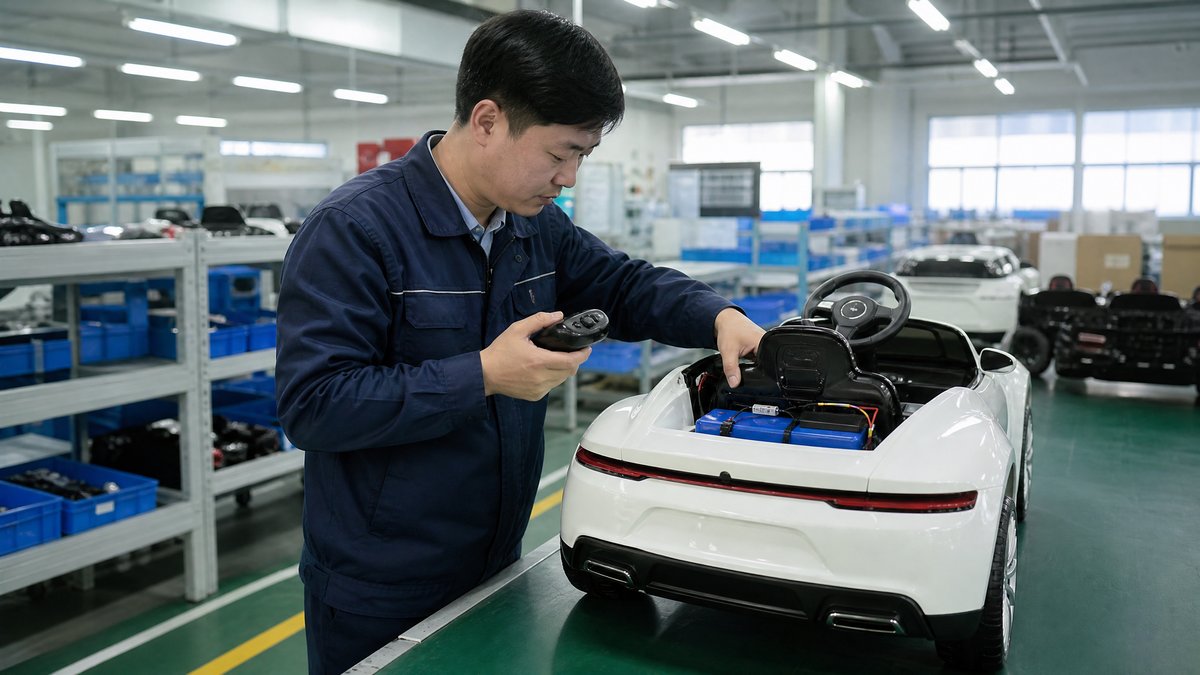
For B2B buyers, sourcing ride-on cars tailored to four-year-olds requires attention to regulatory compliance and market demand. Four-year-olds represent a high-turnover category because children at this age rapidly outgrow entry-level toddler toys. Importers should prioritize models that feature:
- Certified compliance with regional toy safety directives (such as ASTM F963 in North America or EN 71 in Europe) [2, 3].
- Clear documentation regarding battery chemistry (sealed lead-acid vs. lithium-ion) and electrical safety testing reports.
- Modular replacement parts availability (such as replacement gearboxes, switches, and remote handsets) to support after-sales customer service and reduce warranty return rates.
Frequently Asked Questions
Is a 12V or 24V ride-on car better for a 4-year-old?
For the vast majority of four-year-olds, a 12V ride-on car provides the ideal balance of power, speed, and safety. 12V models typically travel between 3 and 5 mph, allowing children to experience realistic driving without exceeding comfortable reaction times. 24V models are generally reserved for older children or specialized multi-terrain use unless equipped with speed-limiting features.
Do 4-year-olds still need a parental remote control?
While many four-year-olds have developed sufficient motor skills to steer independently, a 2.4G parental remote control remains a valuable safety feature. It allows supervising adults to intervene immediately in crowded areas, near driveways, or if the child becomes disoriented.
What is the average weight capacity for ride-on cars suitable for this age?
Ride-on cars designed for four-year-olds typically feature weight capacities ranging from 65 to 88 pounds (approx. 30 to 40 kg). Buyers should always check the exact manufacturer specifications to ensure structural durability and appropriate motor load distribution.
How do EVA foam tires compare to traditional plastic wheels?
EVA (Ethylene-Vinyl Acetate) foam tires offer superior performance compared to hard plastic. They provide better traction on slick surfaces, absorb minor impacts for a smoother ride, and eliminate the loud rattling noise associated with plastic wheels on pavement.
What safety certifications should commercial importers verify?
Commercial importers should request formal test reports confirming compliance with ASTM F963 (United States), EN 71 (European Union), or equivalent national toy safety standards [2, 3]. These certifications evaluate mechanical hazards, sharp edges, small parts, and electrical safety parameters.
Conclusion
Selecting the best ride-on car for a four-year-old involves balancing developmental suitability, electrical power specifications, and uncompromising safety standards. By focusing on verifiable build quality—such as EVA tires, dual-motor 12V systems, and parental remote overrides—parents and retail buyers can ensure an engaging and secure driving experience. Importers and retailers should likewise prioritize certified compliance and robust after-sales support to meet consumer expectations in this dynamic product category.
Request a wholesale quote to explore our complete catalog of certified ride-on vehicles designed for global retail markets.
References
[1] U.S. Consumer Product Safety Commission (CPSC). Toy Safety Business Guidance and Compliance Requirements. Available online via official regulatory channels.
[2] ASTM International. ASTM F963 - Standard Consumer Safety Specification for Toy Safety. West Conshohocken, PA.
[3] European Committee for Standardization (CEN). EN 71 - Safety of Toys Directive Series. Brussels, Belgium.
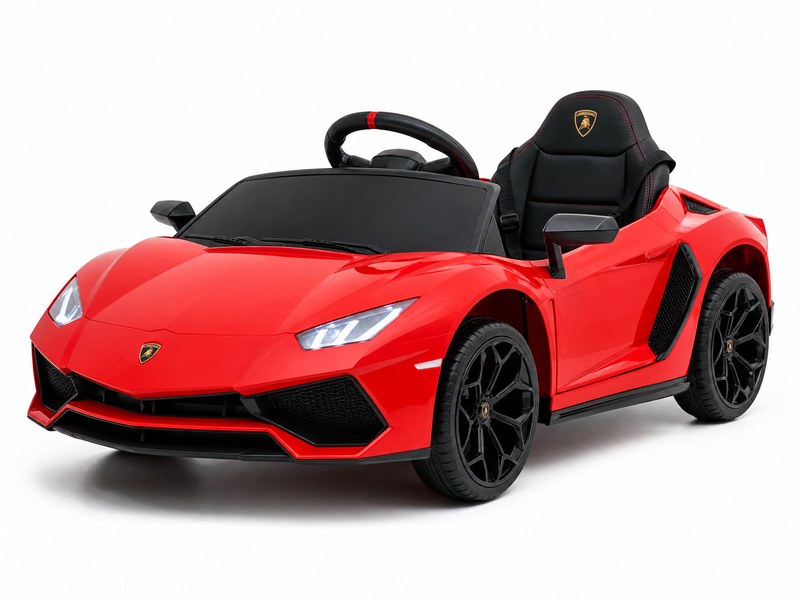
Explore matching models
View product details for this guide
Compare current specifications, age guidance and available options before requesting a quote.
Official references
Explore these external resources for current regulatory and trade guidance. Confirm requirements with the relevant authority before placing an order.
Ready to Start?
Factory-Direct · CE & ASTM Certified · MOQ from 50 Units
Our export team works with buyers in 60+ countries. Get a quote within 24 hours.
KR
Written by KidsRideCar
China's leading kids electric ride-on car manufacturer. 500,000+ units shipped annually to 60+ countries. CE, ASTM & EN71 certified.