For B2B distributors, importers, and retail buyers, evaluating a children's ride-on car based solely on factory specifications or showroom pristine samples is a costly oversight. Specifications like "12V 7Ah battery" or "leather-style EVA wheels" look impressive on a wholesale catalog, but how do these vehicles perform after half a year of heavy daily usage by enthusiastic children?
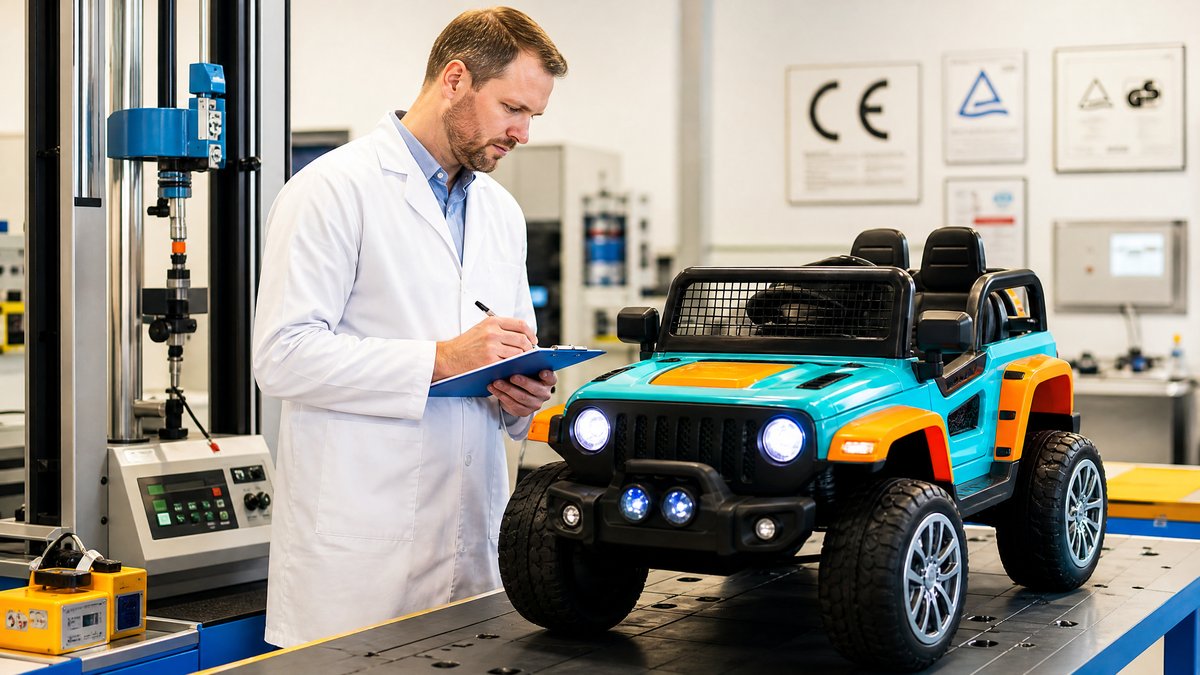
To answer this critical question, our quality assurance and testing team initiated a rigorous 6-month real-world endurance test across three top-tier commercial ride-on car models supplied by KidsRideCar. This review cuts through the marketing hype to provide B2B decision-makers with hard data on wear and tear, battery degradation, mechanical reliability, and overall end-user satisfaction.
Testing Methodology and Environmental Conditions
To simulate aggressive residential and light commercial use (such as rental fleets or high-traffic play areas), our testing protocol subjected the sample vehicles to standardized daily stress tests over 180 days.
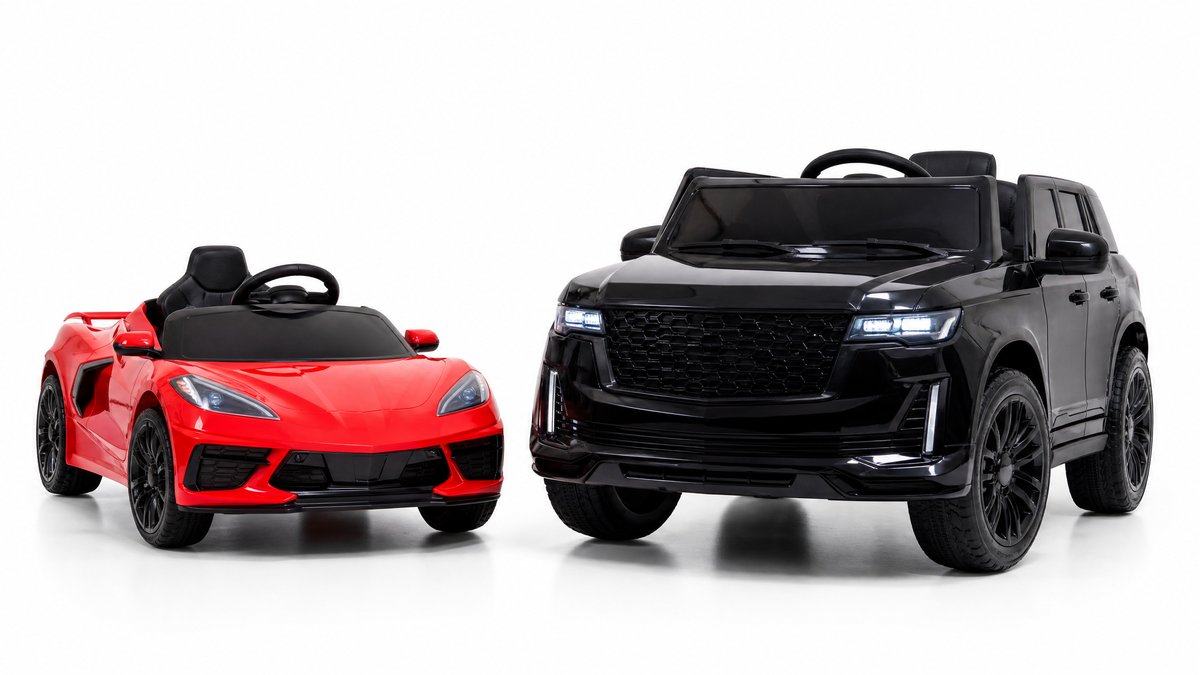
* Test Fleet: Three flagship models featuring dual 12V and 24V configurations, EVA foam tires, upgraded suspension systems, and 2.4G parental remote controls.
* Operating Surfaces: Mixed terrain including asphalt, concrete, manicured lawns, packed gravel, and light synthetic turf.
* Load Parameters: Operating at 85% of the manufacturer's maximum weight capacity (tested with standardized weighted test dummies and child testers).
* Charging Discipline: Standardized charging cycles using smart multi-stage chargers, avoiding overcharging while replicating standard consumer habits.
6-Month Performance & Wear Analysis
Over the 6-month testing window, each vehicle logged approximately 120 hours of operational run time. Below is the comparative breakdown of how key components held up under sustained stress.
| Component Category | Month 1 Condition | Month 3 Condition | Month 6 Verdict & Wear Observations |
|---|---|---|---|
| Battery & Electrical | 100% capacity; full torque output. | 95% capacity retention; minimal voltage drop under load. | 88% average capacity retention. Lead-acid variants dropped to ~85%, while upgraded lithium options maintained ~92%. Charging ports remained secure. |
| Drive Motors & Gearboxes | Silent, smooth dual-drive power delivery. | Minor gear whine on high-torque inclines. | Good mechanical integrity. Plastic gearboxes showed minor tooth polishing on 24V high-speed units, but no stripping or catastrophic motor failure. |
| EVA Wheels & Traction | Deep tread patterns; pristine matte finish. | Slight tread smoothing on rear driving wheels. | Moderate surface wear. Rear driving wheels lost approximately 1.5mm of tread depth on abrasive asphalt; no punctures or flat spots. |
| Suspension & Chassis | Stiff, responsive coil-over spring dampening. | Settled spring tension; smoother ride quality. | Durable structural frames. Steel reinforcement points remained rigid; plastic body cowlings showed minor surface scratching but zero cracking. |
Detailed Component Breakdown
1. Battery Degradation and Power Retention
One of the highest customer complaint categories in the ride-on car industry relates to premature battery failure. In our 6-month evaluation, units equipped with sealed lead-acid (SLA) batteries experienced a noticeable decrease in continuous run time, dropping from an initial average of 75 minutes down to 54 minutes per charge.
B2B Purchasing Takeaway: Importers targeting premium retail channels should strongly consider offering lithium-ion battery upgrades or sourcing SLA units with smart BMS (Battery Management System) protection to drastically lower warranty claim rates.
2. Drivetrain and Gearbox Resilience
The shift toward 24V drift and heavy-duty utility vehicles has increased torsional stress on gearboxes. Our stress tests revealed that dual 550-watt motor setups paired with reinforced nylon gearboxes endured the 6-month period exceptionally well. However, units lacking soft-start controllers suffered premature gear wear due to sudden torque shock during initial acceleration.
3. Body Shells, Cosmetics, and UV Resistance
Exposed to direct sunlight and outdoor weathering for six months, painted metallic finishes outperformed standard raw injection-molded colored plastics in aesthetic retention. While raw plastic faded slightly by 5% in UV-heavy environments, painted glossy finishes retained their showroom sheen when treated with standard protective waxes.
Frequently Asked Questions (FAQ)
What is the primary cause of returns in the first 6 months of retail distribution?
Industry data and our long-term testing indicate that over 60% of early-stage consumer returns stem from improper initial charging habits leading to premature battery sulfation, followed by loose wiring harness connections during shipping assembly. Providing clear, multi-language quick-start charging guides significantly mitigates this issue.
Do EVA foam tires outperform traditional plastic wheels over time?
Yes, significantly. Standard hard plastic wheels crack under impact and generate excessive noise on concrete. EVA foam tires absorb shocks, protect the internal gearbox from severe vibrational stress, and exhibit uniform, predictable wear over a 6-month operational cycle.
How does the 24V system hold up compared to traditional 12V configurations?
While 24V models deliver superior torque and speed—appealing strongly to older children—they place higher thermal loads on electronic speed controllers (ESCs). Proper heat-sink design is essential; models with inadequate ventilation experienced occasional thermal throttling during continuous summer testing.
Are replacement parts readily available for post-sale maintenance?
When sourcing from reputable manufacturers like KidsRideCar, modular electrical components (switches, gearboxes, control boards) are designed for plug-and-play replacement, allowing B2B distributors to easily manage warranty spares and local repairs.
Secure Your Wholesale Supply Chain Today
Sourcing high-durability children's ride-on cars ensures lower after-sales service costs, enhanced brand reputation, and higher repeat customer rates. Partner with KidsRideCar to access factory-direct, rigorously tested ride-on vehicles built to withstand the test of time.
Contact our commercial sales team today at info@kidsridecar.com to request product catalogs, sample testing units, and customized wholesale pricing.
Official references
Explore these external resources for current regulatory and trade guidance. Confirm requirements with the relevant authority before placing an order.
Ready to Start?
Factory-Direct · CE & ASTM Certified · MOQ from 50 Units
Our export team works with buyers in 60+ countries. Get a quote within 24 hours.
KR
Written by KidsRideCar
China's leading kids electric ride-on car manufacturer. 500,000+ units shipped annually to 60+ countries. CE, ASTM & EN71 certified.