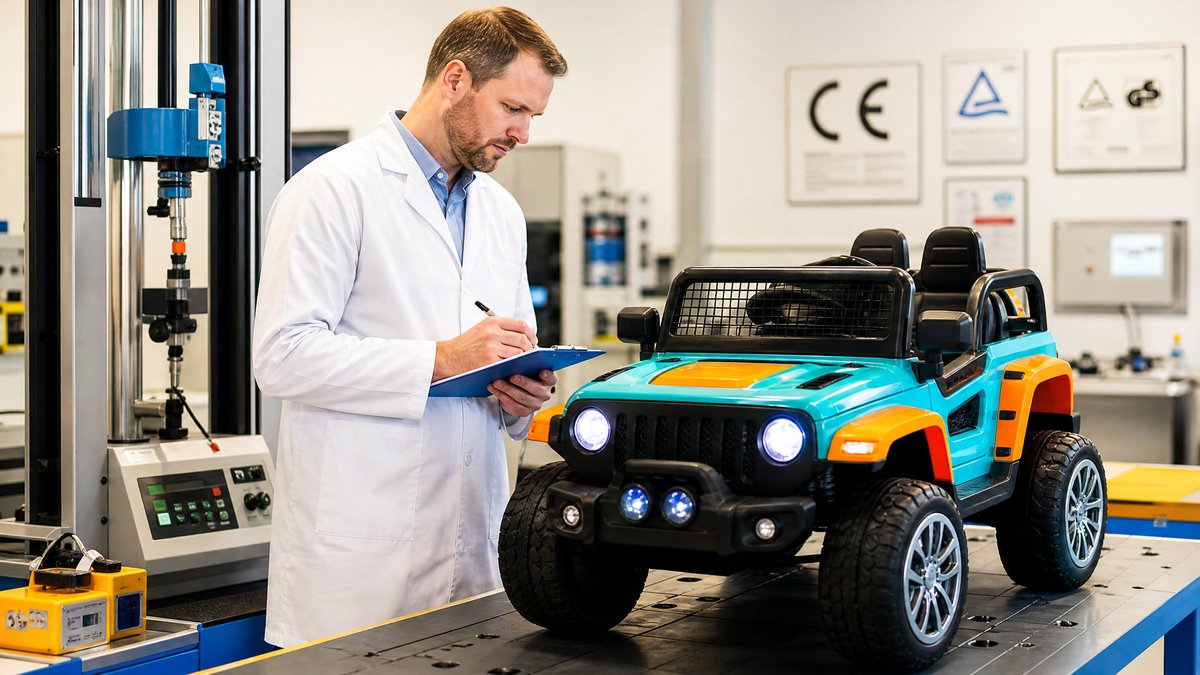
Introduction
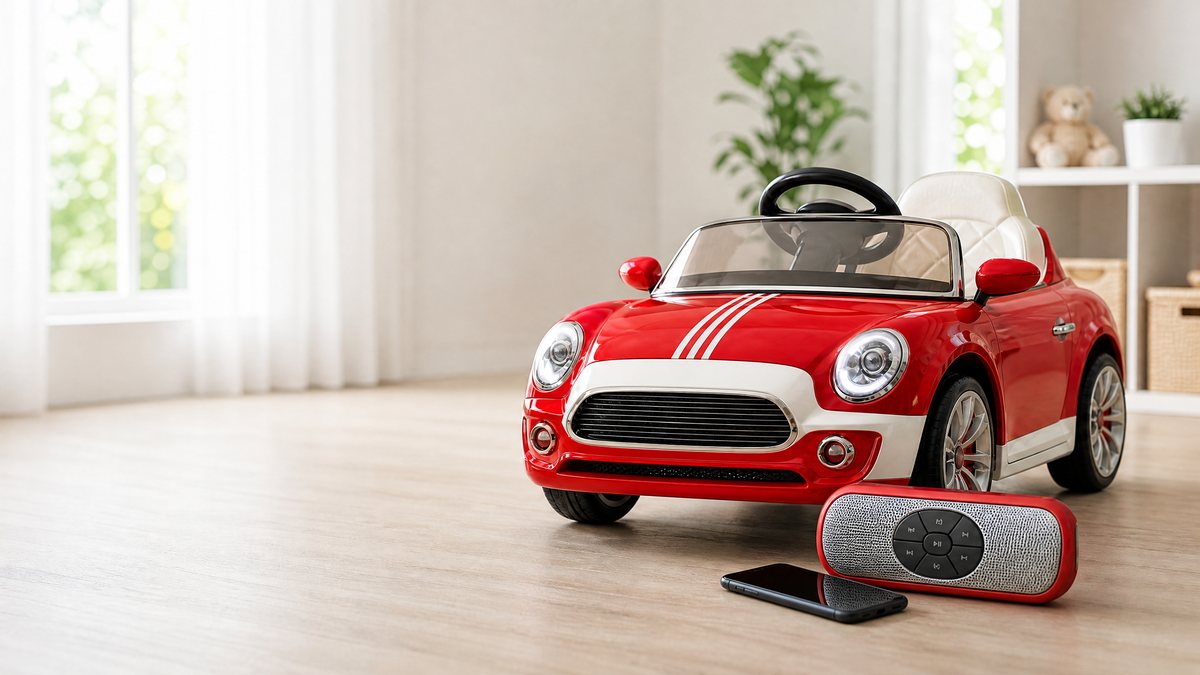
Electric ride-on cars have become an integral fixture of modern children's outdoor play, offering youngsters an engaging introduction to vehicular navigation, spatial awareness, and imaginative driving scenarios. As families enjoy extended outdoor recreation during warm summer evenings or navigate shorter daylight hours in autumn and winter, the question frequently arises across residential neighborhoods and commercial retail channels: Can a ride-on car be used at night? While evening play can be uniquely enjoyable—especially when illuminated dashboard displays, glowing LED headlights, and cooler ambient temperatures create an engaging atmosphere—operating motorized toys after dark introduces distinct safety considerations and operational challenges. Navigating low-light environments requires careful evaluation of visibility limitations, supervisory boundaries, vehicle lighting specifications, and environmental hazards.
For parents, caregivers, and wholesale distributors evaluating product utility and safety compliance, understanding the precise operational boundaries of nighttime use is essential. Rather than relying on rigid permissions or sweeping prohibitions, safety experts recommend a structured evaluation framework that balances environmental conditions, vehicle features, and active adult supervision. This comprehensive guide examines the technical realities of nighttime ride-on car operation, lighting capabilities, pre-operation verification checklists, emergency procedures, and regulatory context, ensuring that young drivers enjoy their vehicles safely under all lighting conditions and ambient environments.
Understanding Visibility and Illumination Limitations in Motorized Ride-On Toys
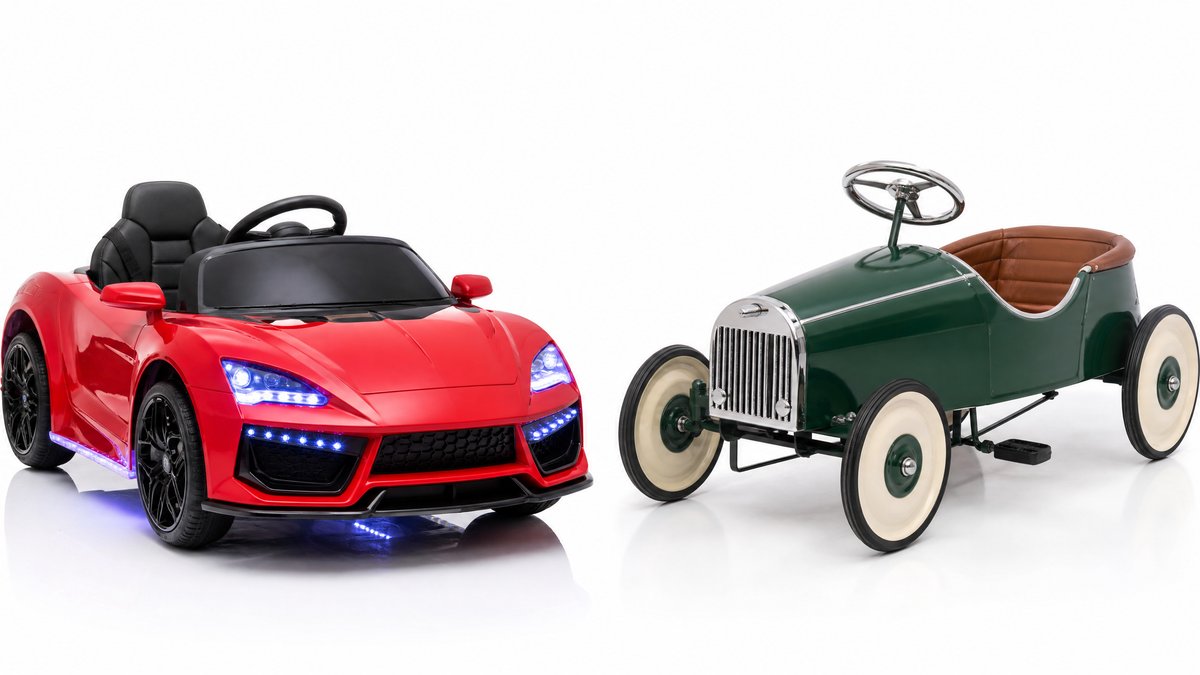
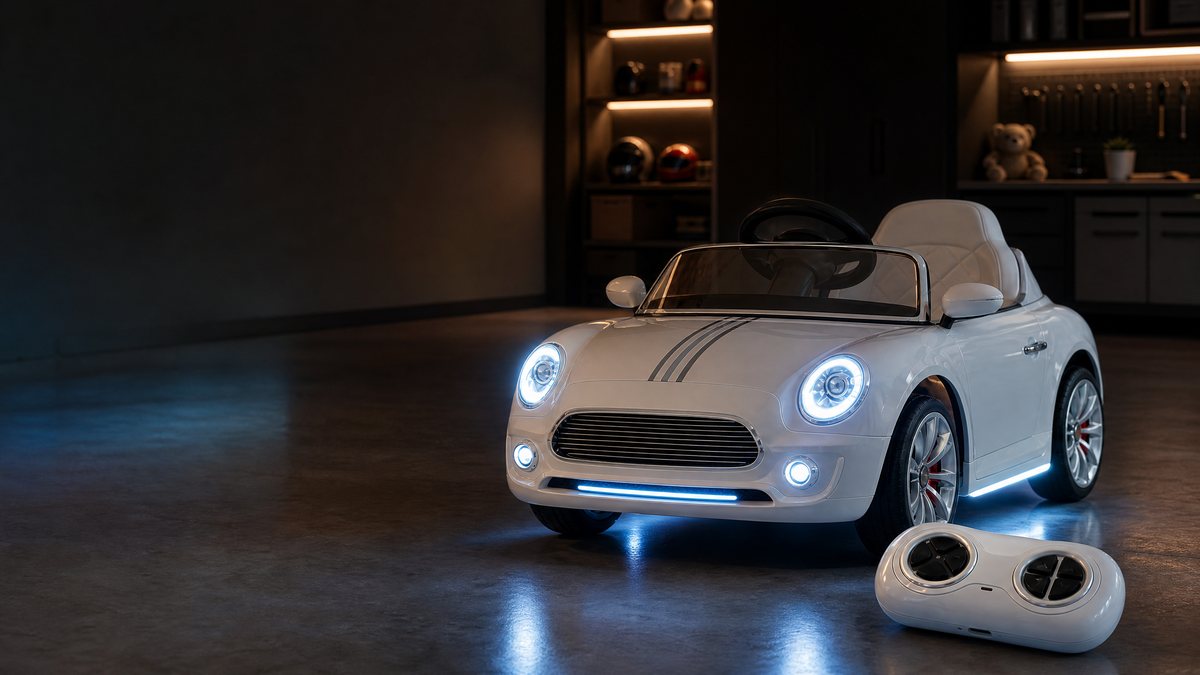
When evaluating whether an electric ride-on car can be operated after sunset, the primary factor to consider is visibility and environmental illumination. Modern ride-on vehicles frequently feature decorative or functional lighting systems, including LED headlights, tail lights, illuminated dash panels, and wheel accent lights. However, buyers, retailers, and end-users must distinguish between aesthetic illumination and functional navigational lighting. The lighting systems equipped on standard ride-on toys are primarily designed to enhance the vehicle's visual appeal and provide low-level pedestrian visibility in twilight conditions, rather than to illuminate dark pathways for high-speed nocturnal maneuvering.
In a darkened environment, a child's field of view and depth perception are significantly constrained. Even with fully operational headlights, obstacles such as uneven turf, unpaved tree roots, curbs, garden hoses, or stray toys may not be adequately illuminated until the vehicle is dangerously close. Furthermore, peripheral vision is severely reduced in nocturnal conditions, making it more difficult for young drivers to detect approaching pedestrians, domestic pets, or cyclists. Therefore, operating a ride-on car at night should be strictly restricted to well-lit environments, such as illuminated private driveways, fenced residential courtyards, or paved community paths equipped with overhead street lighting. Unlit public streets, unpaved parks, and sloping terrain should be strictly avoided after dark under all circumstances.
The Imperative of Active Parental Supervision and Controlled Boundaries
Operating any motorized ride-on toy demands active, uninterrupted adult supervision, and this requirement becomes even more critical during nighttime hours. In daylight, wide peripheral vision and natural sunlight allow parents to monitor a child's position and trajectory from a comfortable distance. At night, reduced contrast and deep shadows can obscure both the vehicle and surrounding hazards, necessitating much closer physical proximity between the supervising adult and the young driver.
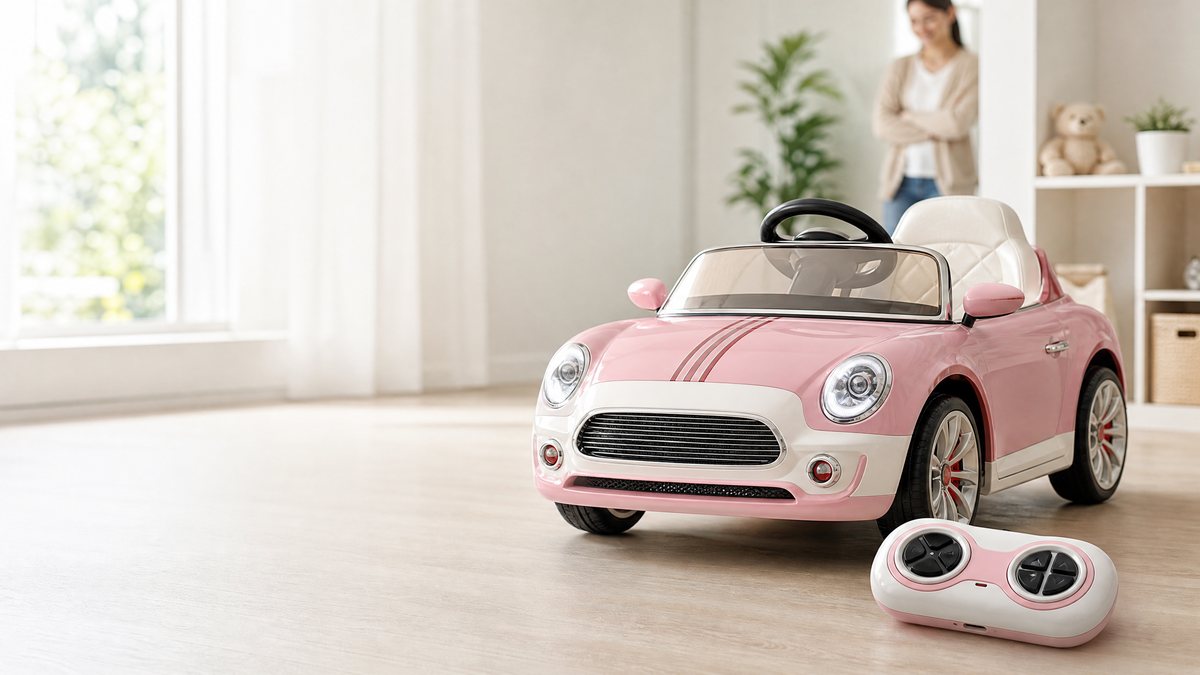
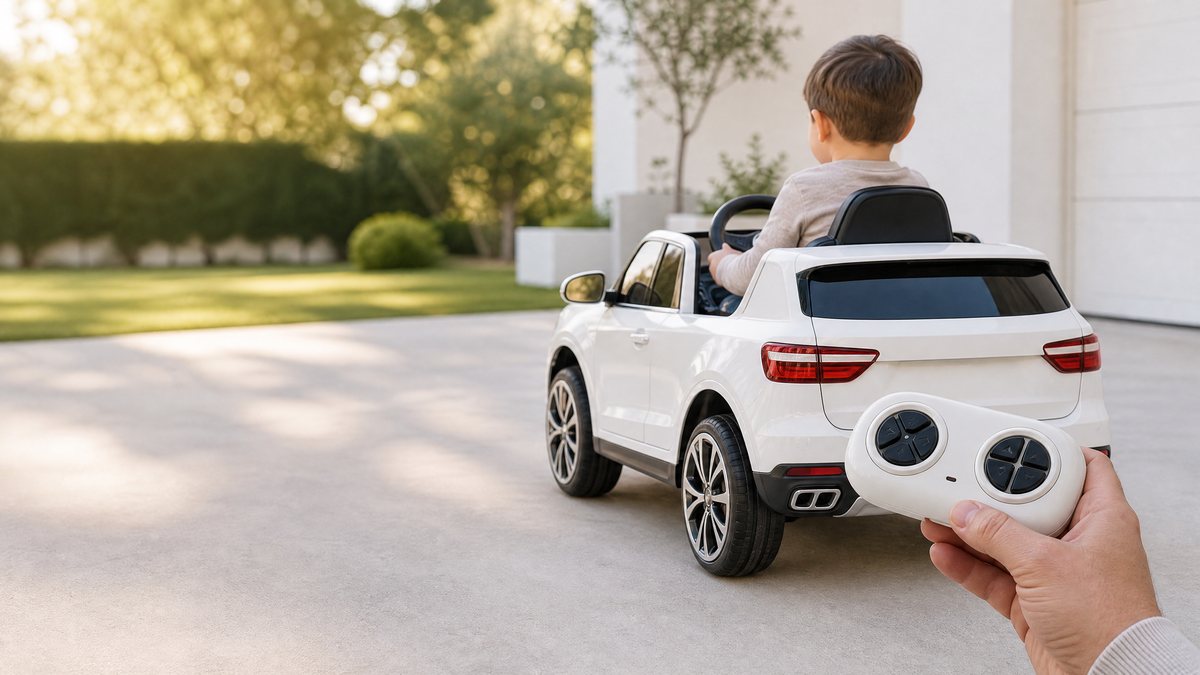
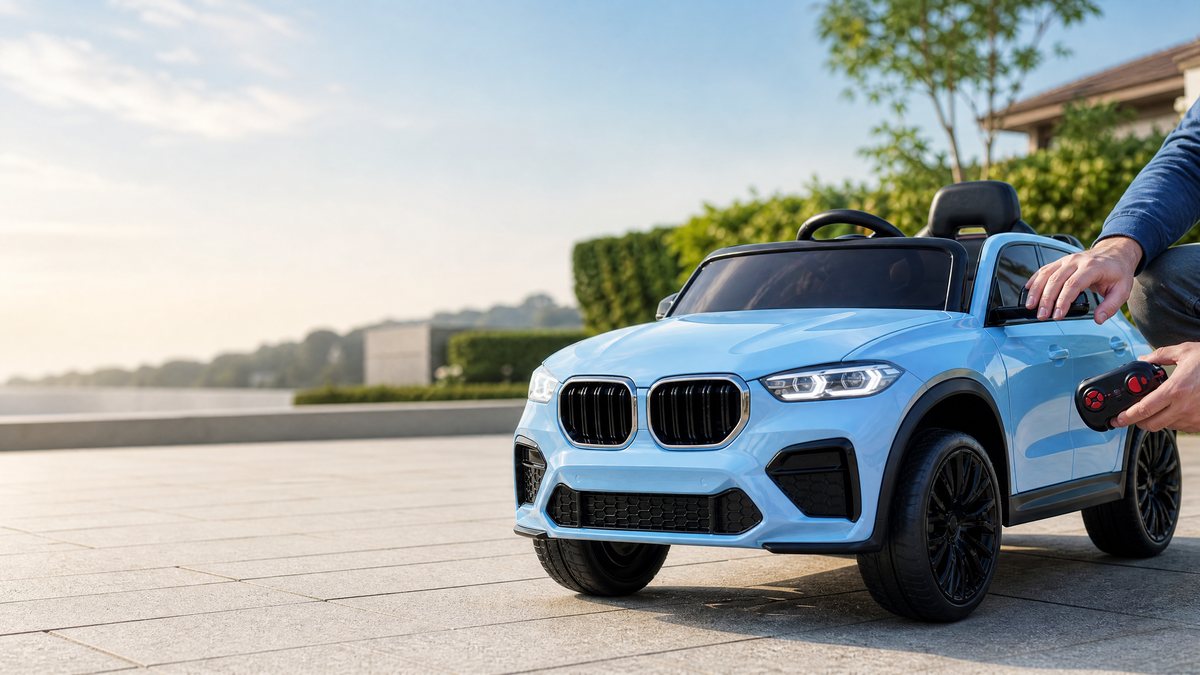
To maintain safety during evening play, caregivers should establish clear, predetermined operational boundaries. Children should be instructed never to drive beyond the illuminated perimeter of the yard or driveway. For models equipped with parental remote control systems, supervising adults should remain within immediate reach of the handheld transmitter, ready to intervene, steer, or halt the vehicle instantly if an unexpected obstacle or hazard appears in the shadows. Establishing these rigorous boundary controls ensures that the excitement of evening driving remains contained within a safe, predictable, and fully observable zone.
| Operational Factor | Daytime Operation | Nighttime Operation | Safety & Verification Framework |
|---|---|---|---|
| Ambient Visibility | Natural sunlight provides broad peripheral and long-range visibility. | Limited to artificial streetlights and vehicle headlights; shadows obscure hazards. | Restrict driving to brightly lit private areas; avoid unlit paths and unpaved terrain. |
| Supervision Distance | Adults can monitor children across wider yards and open spaces. | Requires close physical proximity and immediate availability of supervising adults. | Keep the vehicle within direct line-of-sight and within immediate stopping distance. |
| Vehicle Lighting | Headlights serve primarily decorative or styling purposes. | Headlights help pedestrian visibility but do not replace environmental lighting. | Verify all factory lights function properly; do not rely on vehicle lights alone. |
| Environmental Hazards | Easily identifiable garden toys, curbs, and terrain changes. | Harder to spot uneven ground, wet patches, or low-hanging branches. | Conduct a preliminary daytime inspection of the designated evening driving route. |
Request a wholesale quote
Pre-Operation Verification Framework for Evening Driving
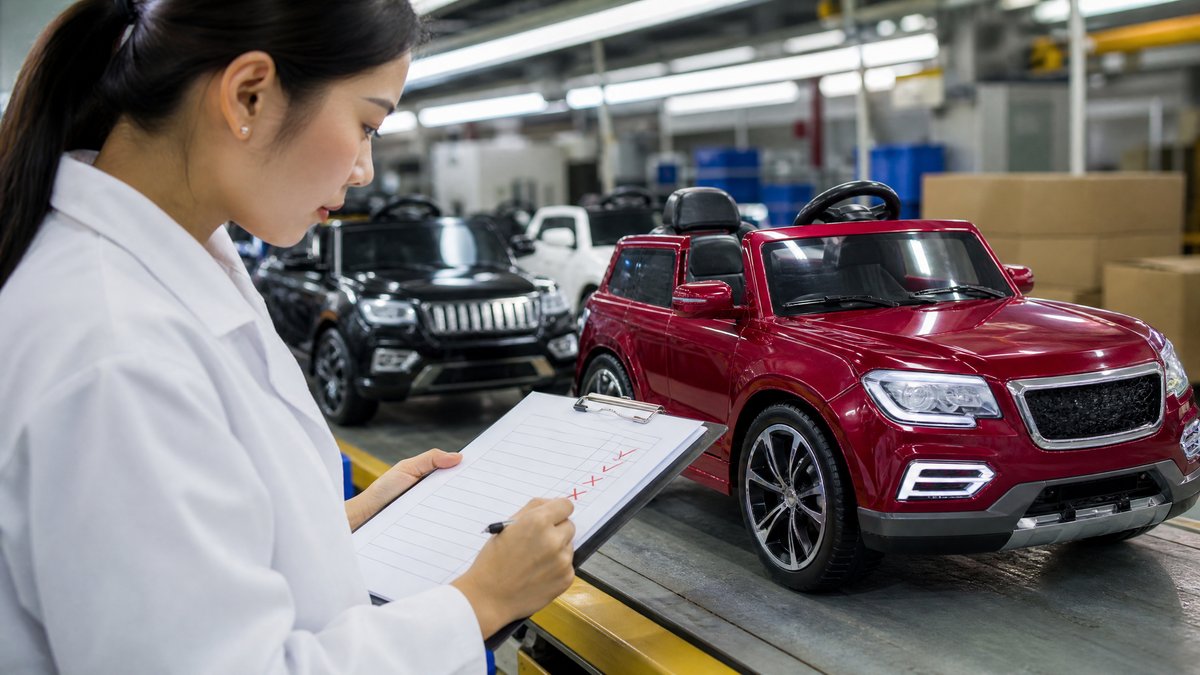
Before allowing a child to operate a ride-on car in low-light or evening conditions, a systematic pre-operation inspection should be conducted by a responsible adult. This verification framework helps mitigate risks associated with reduced visibility and electrical performance in cooler nighttime temperatures.
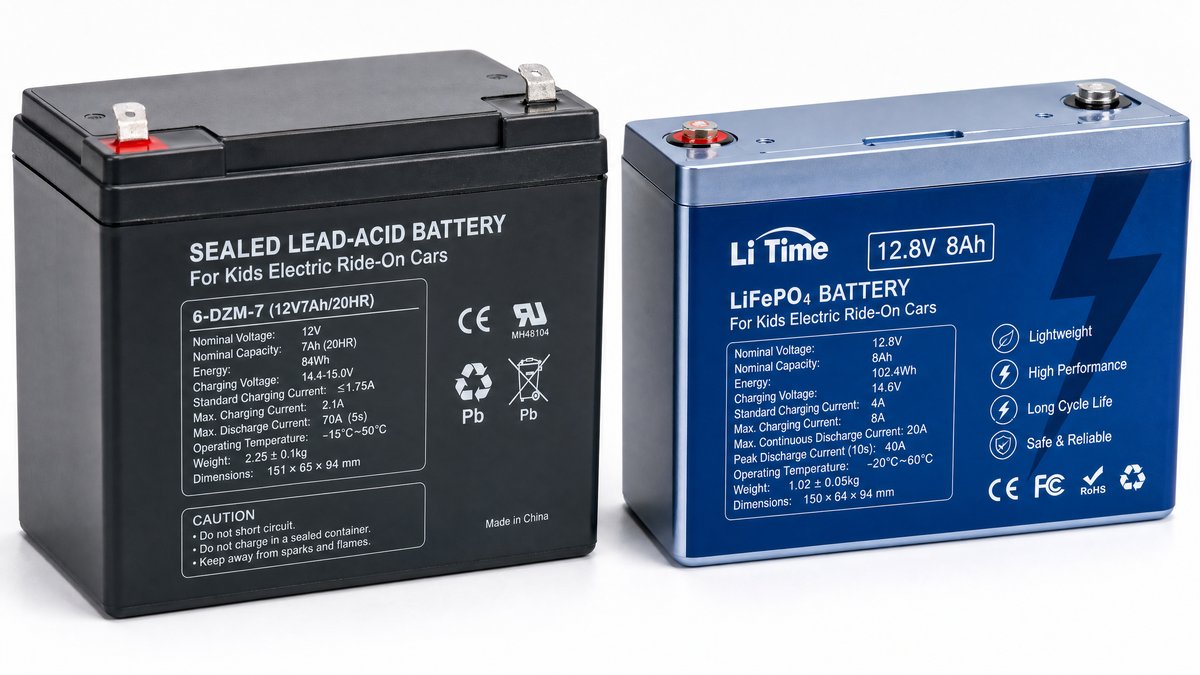
First, inspect the vehicle's electrical and lighting components. Ensure that all factory-installed LED headlights, tail lights, and dashboard indicators are functioning correctly according to the manufacturer's rated specifications. While these lights do not turn night into day, ensuring they operate properly enhances the vehicle's visibility to passing neighbors or pedestrians. Second, test the braking and steering systems in a stationary or brightly lit area before dusk. Responsive brakes and precise steering are paramount when reaction times are tested by shadows and low contrast. Third, evaluate the battery charge level. Cooler evening temperatures can temporarily affect battery performance and capacity. Operators should ensure the battery is sufficiently charged to complete the planned play session and return to the starting point without experiencing unexpected power depletion far from supervision.
Analyzing Vehicle Features and Technical Specifications in Low-Light Contexts
When retail buyers and parents evaluate ride-on cars intended for versatile usage—including twilight or evening play—certain vehicle features warrant careful examination. It is vital to note that feature availability varies significantly across different models, and buyers must always consult the specific product data sheet and user manual rather than assuming universal inclusion.
Features such as soft-start acceleration, electronic braking systems, 2.4G parental remote controls, and high-traction EVA tires play a supportive role during low-light operation. Soft-start technology prevents sudden jerking when the accelerator pedal is engaged, which is particularly beneficial when visibility is reduced. Similarly, 2.4G parental remotes provide an override capability, allowing an adult to take immediate control of steering and stopping if the young driver fails to notice an obstacle in low-light conditions. However, none of these features eliminate the fundamental requirement for adequate external illumination and vigilant adult supervision. Wholesale buyers should clearly communicate these operational nuances to retail customers to ensure safe, responsible usage.
Wholesale and Retail Perspectives: Stocking Vehicles for Diverse Environmental Conditions
For B2B buyers, distributors, and retail store owners, stocking motorized ride-on cars involves understanding how end-users operate products across various environmental settings, including evening and low-light conditions. Consumer demand frequently gravitates toward models featuring enhanced aesthetic elements such as working LED light packages, realistic dashboard illumination, and multi-speed parental controls.
When curating product catalogs, wholesale buyers should prioritize clear documentation, transparent product specifications, and robust compliance certifications. Retailers must be equipped to guide consumers accurately regarding the intended purpose of vehicle lighting systems—emphasizing that while headlights enhance visual appeal and visibility to others, they do not substitute for environmental lighting. Providing comprehensive pre-purchase checklists and clear operational guidelines in product packaging helps foster customer trust, reduces support inquiries, and promotes safe, responsible recreation across all operating environments.
Identifying Warning Signs, Electrical Faults, and Emergency Procedures
Operating electrical equipment in cooler or darker conditions requires heightened vigilance for potential mechanical or electrical anomalies. Because subtle issues such as faint burning odors, slight wisps of smoke, or abnormal warmth may be more difficult to spot visually in the dark, operators must remain alert to unusual sounds, sluggish acceleration, or erratic steering behavior.
If any warning sign is detected—including unusual odors, smoke, excessive heat around the motor or battery housing, liquid leakage, water ingress from evening dew or damp grass, exposed wiring, damaged charging plugs, abnormal brake resistance, or persistent mechanical failure—immediate corrective action is mandatory. The supervising adult must immediately turn off the vehicle's power switch, disconnect the power source if safe to do so, remove the child from the vehicle, and keep all individuals at a safe distance. Under no circumstances should users attempt to disassemble internal housings, touch battery terminals, measure electrical voltage, bypass internal circuit protection, or modify wiring. All malfunctioning units must be referred to the manufacturer or qualified service professionals for inspection and repair.
Navigating Regulatory Compliance and Documentation
When assessing the suitability of nighttime operation or any specialized usage scenario for electric ride-on cars, wholesale buyers, retailers, and end consumers must rely primarily on official documentation supplied by the manufacturer. Each ride-on vehicle is accompanied by a user manual and an identification nameplate that details its specific electrical ratings, weight capacities, and intended operating environments.
While general consumer safety organizations—such as the U.S. Consumer Product Safety Commission (CPSC)—provide broad educational resources regarding toy safety, active supervision, and electrical compliance, these general guidelines do not supersede the specific instructions and safety warnings outlined in the manufacturer's model-specific documentation. Retailers and commercial buyers should ensure that end-users are provided with complete, translated user manuals and safety notices. Furthermore, any claims regarding operational limits, charging protocols, or feature compatibility must be verified against the official product specifications rather than generalized assumptions.
Frequently Asked Questions
Can ride-on car headlights illuminate a dark path adequately?
Factory-installed LED headlights on electric ride-on cars are generally designed for styling, aesthetic appeal, and low-level pedestrian visibility rather than high-beam nocturnal illumination. They do not replace external ambient lighting such as overhead streetlights or illuminated courtyard fixtures.
What environmental conditions should be avoided during evening play?
Evening play should avoid unlit public streets, unpaved terrain, damp lawns where dew reduces traction, steep inclines, and areas with hidden obstacles like tree roots or garden equipment. Operating areas must be flat, dry, and thoroughly illuminated.
How should parents manage supervision during low-light operation?
Supervising adults must maintain closer physical proximity to the vehicle during nighttime use compared to daytime play. For models equipped with parental remote controls, adults should keep the transmitter ready at hand to intervene instantly if necessary.
What role do parental remote controls play in nighttime safety?
Parental remote controls allow supervising adults to override steering and braking instantly. In low-light conditions where visibility is impaired, this feature serves as an essential secondary safety layer, provided the adult remains attentive and within range.
What should be done if the ride-on car shows electrical irregularities at night?
If any unusual odor, smoke, overheating, exposed wiring, or erratic performance is detected, immediately turn off the power switch, remove the child from the vehicle, keep everyone at a safe distance, and contact the manufacturer or qualified service personnel. Never attempt unauthorized repairs or modifications.
Conclusion
Operating an electric ride-on car during evening hours can provide delightful recreational moments when approached with appropriate caution, structured boundaries, and vigilant adult supervision. While built-in LED lighting and illuminated dashboards add to the appeal, they are not substitutes for proper ambient lighting and close parental oversight. By adhering strictly to manufacturer guidelines, conducting thorough pre-operation verification checks, restricting driving to well-lit private areas, and responding immediately to any mechanical or electrical warning signs, families can ensure a safe and enjoyable experience. Wholesale buyers and retail partners are encouraged to reinforce these operational safety frameworks in their product literature and customer guidance materials.
Request a wholesale quote
Official References
1. U.S. Consumer Product Safety Commission (CPSC). General Toy Safety Education and Electric Toy Guidelines. Providing foundational consumer guidance on electrical safety, active supervision, and hazard awareness. Note: General CPSC guidance does not replace model-specific user manuals and manufacturer certifications.
2. Manufacturer Safety Manuals and Rated Nameplate Specifications. Standardized operational instructions regarding vehicle voltage, lighting limits, braking systems, and environmental restrictions for motorized ride-on toys.
Official references
Explore these external resources for current regulatory and trade guidance. Confirm requirements with the relevant authority before placing an order.
Ready to Start?
Factory-Direct · CE & ASTM Certified · MOQ from 50 Units
Our export team works with buyers in 60+ countries. Get a quote within 24 hours.
KR
Written by KidsRideCar
China's leading kids electric ride-on car manufacturer. 500,000+ units shipped annually to 60+ countries. CE, ASTM & EN71 certified.