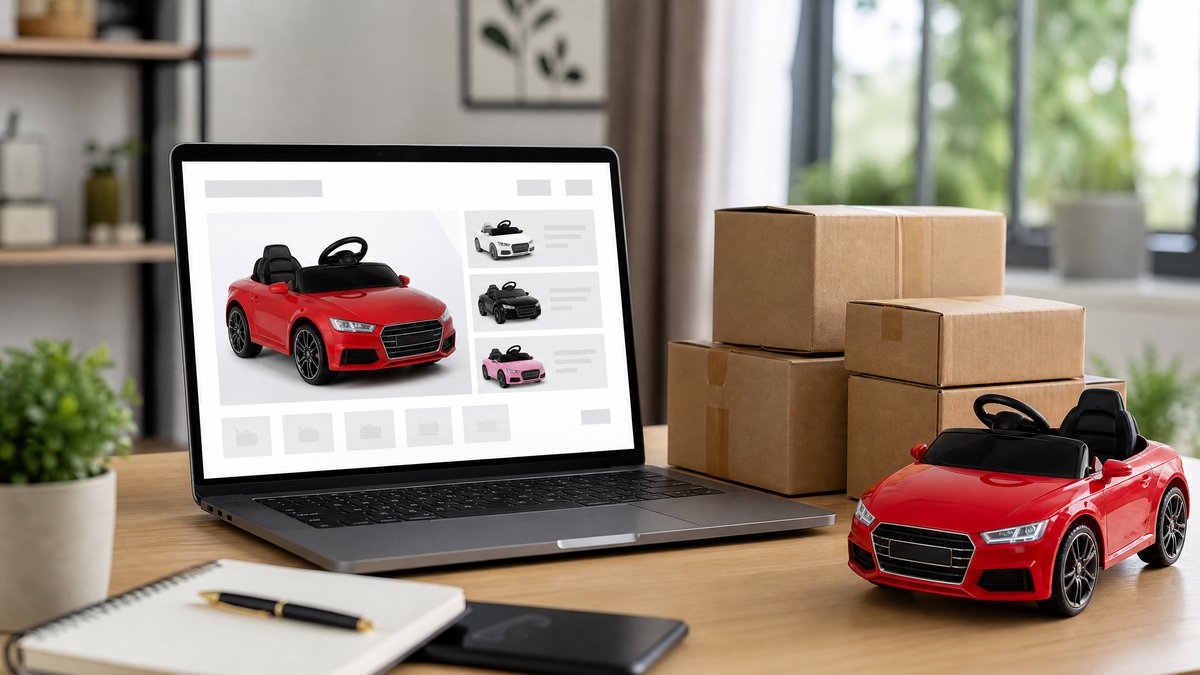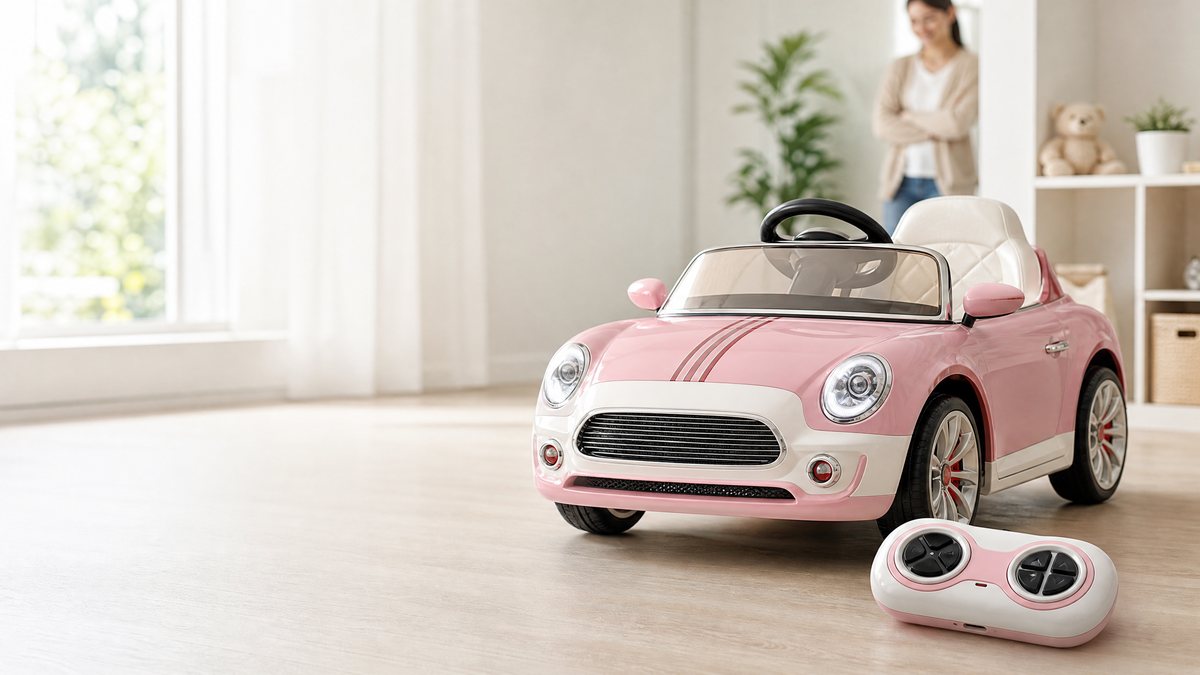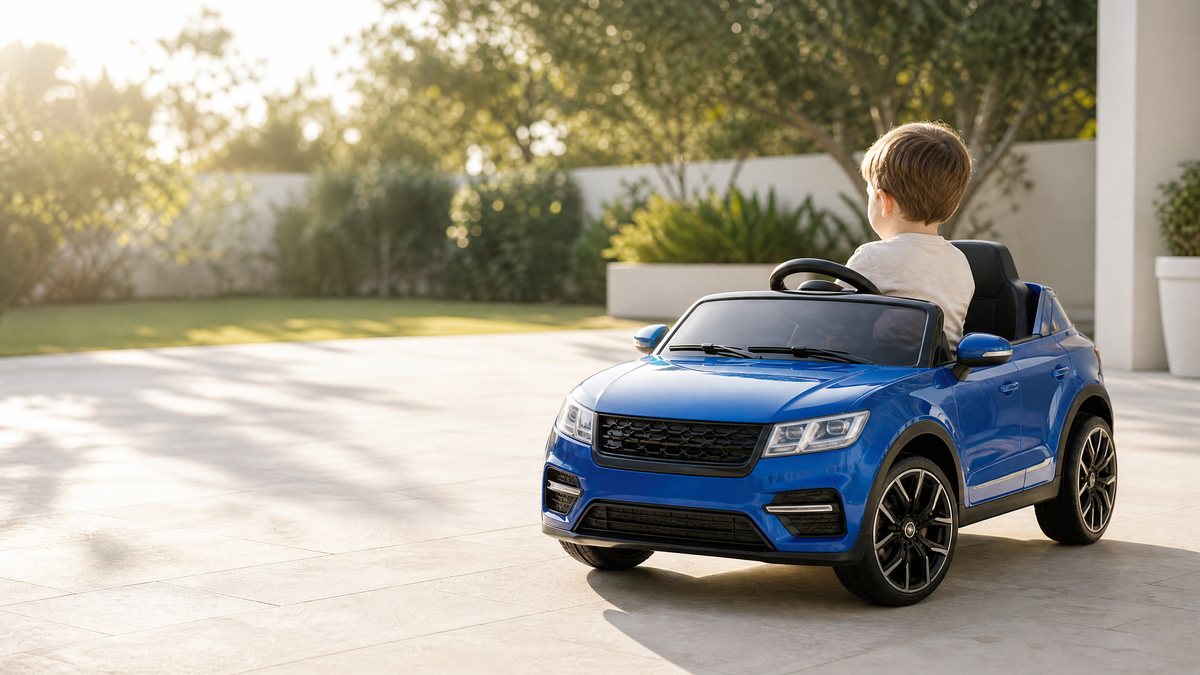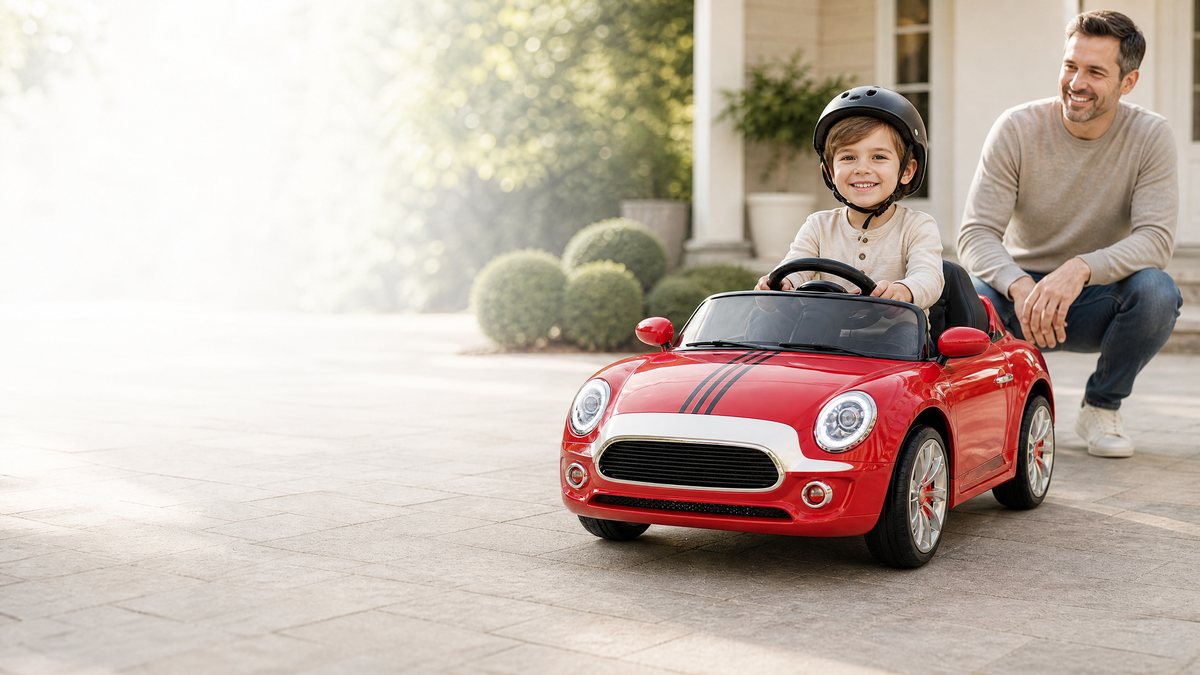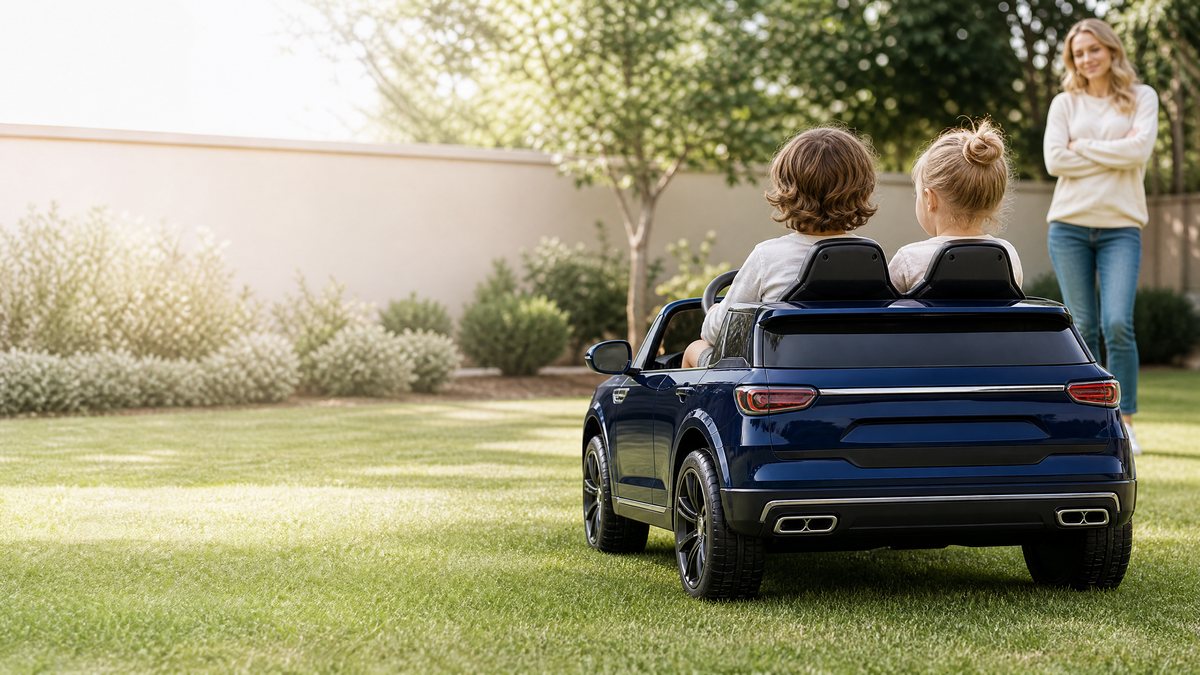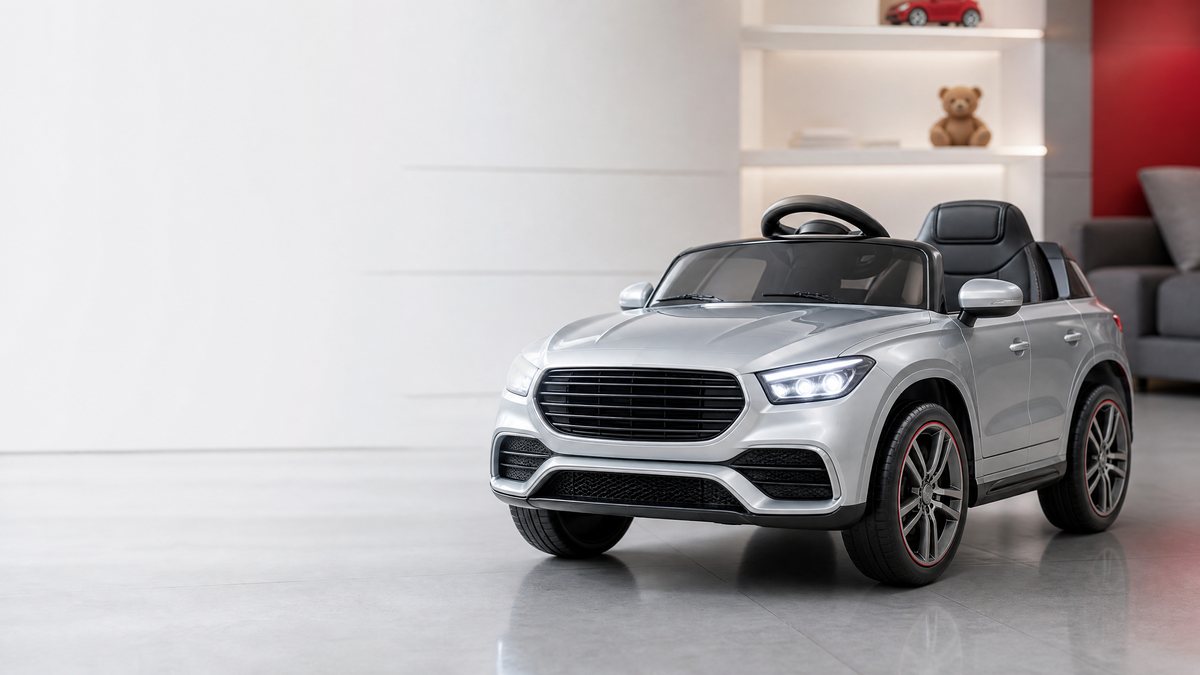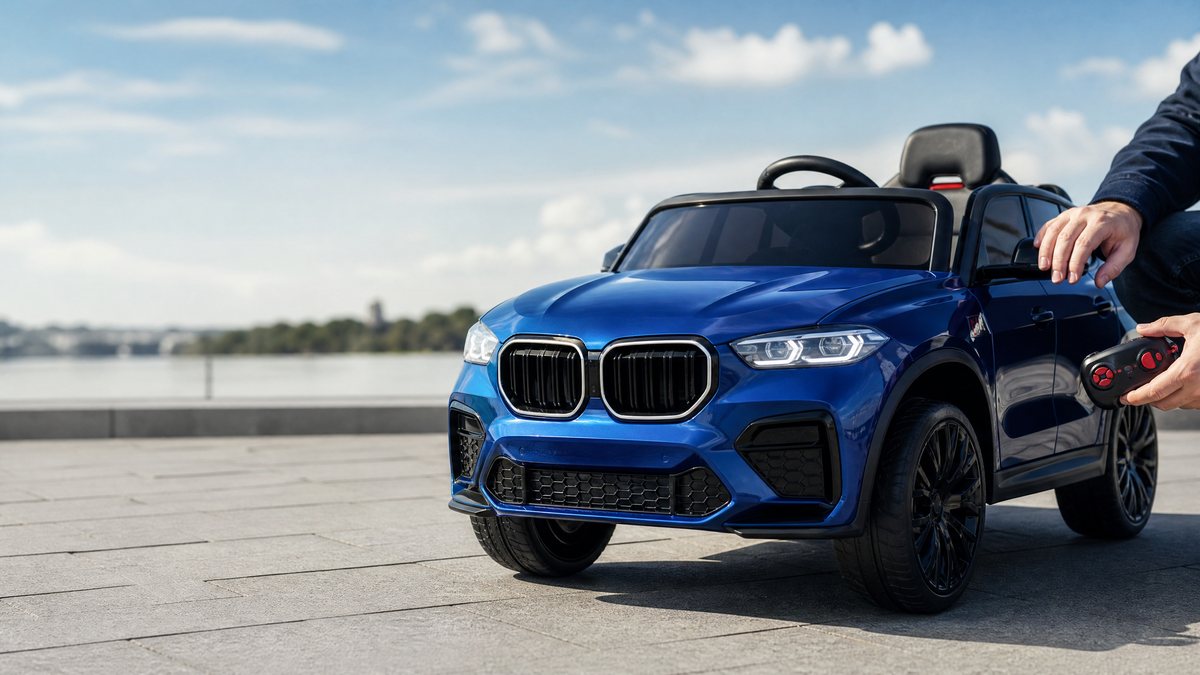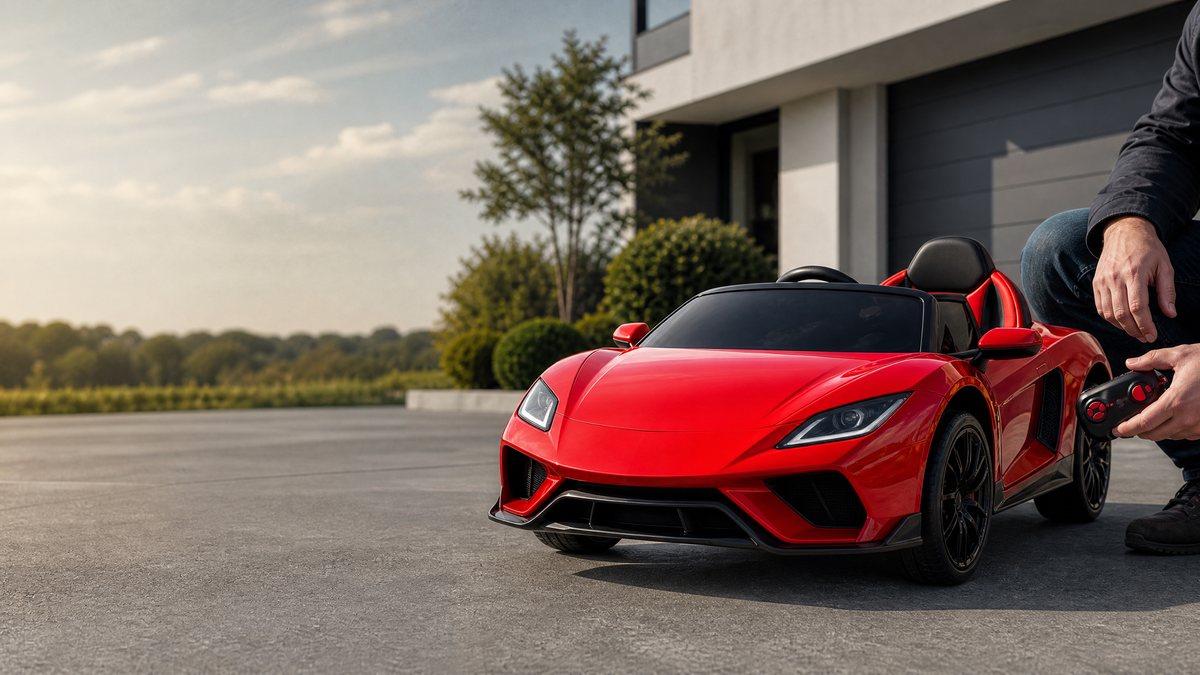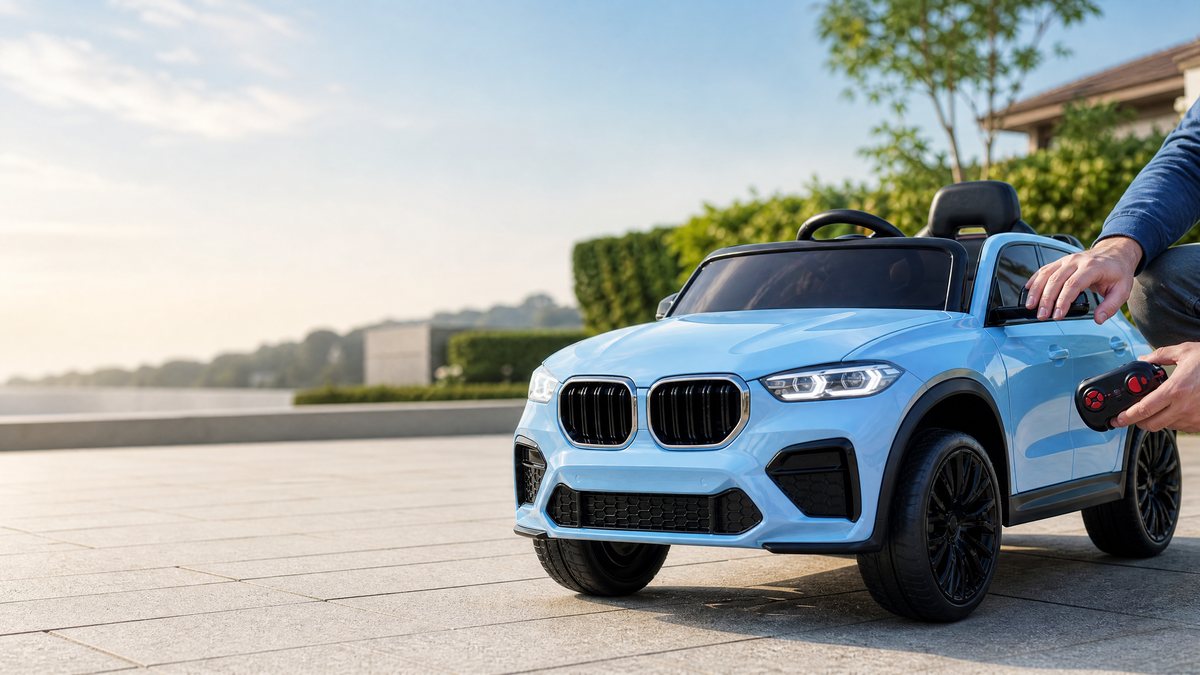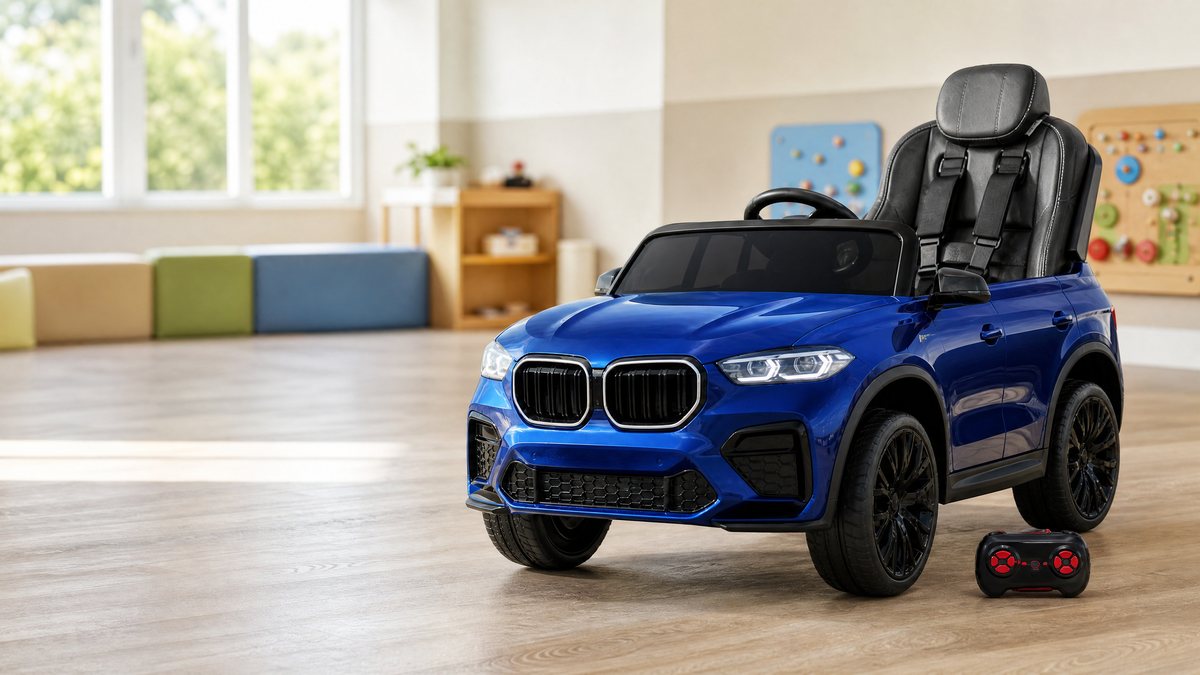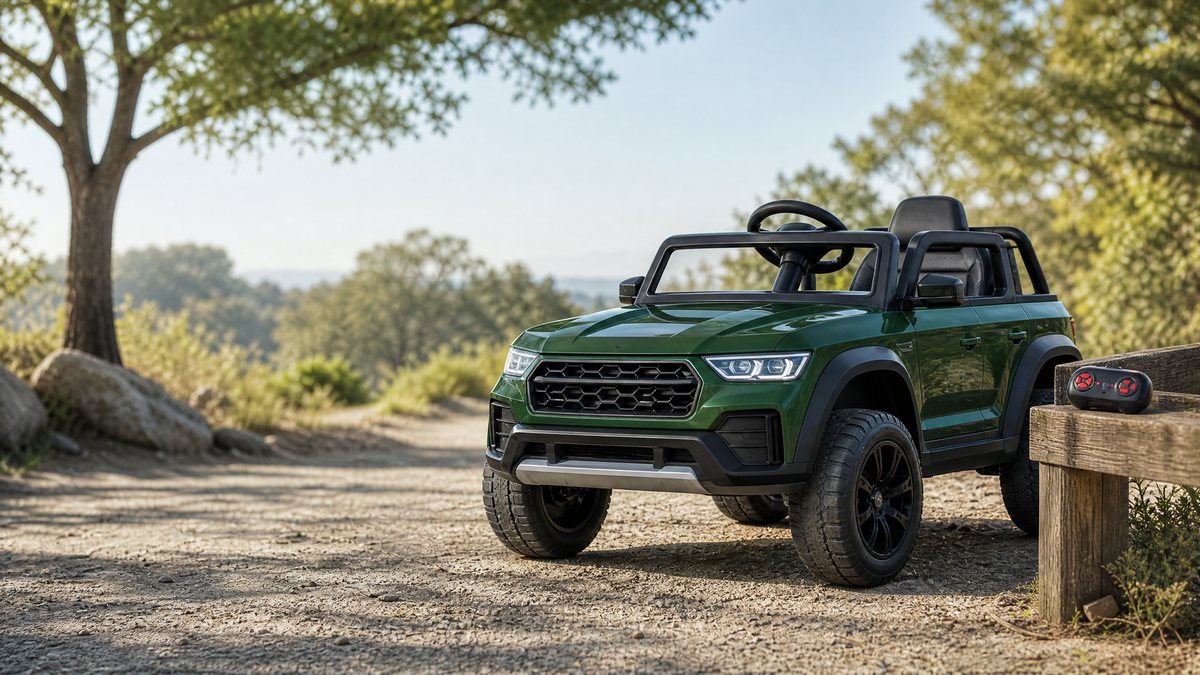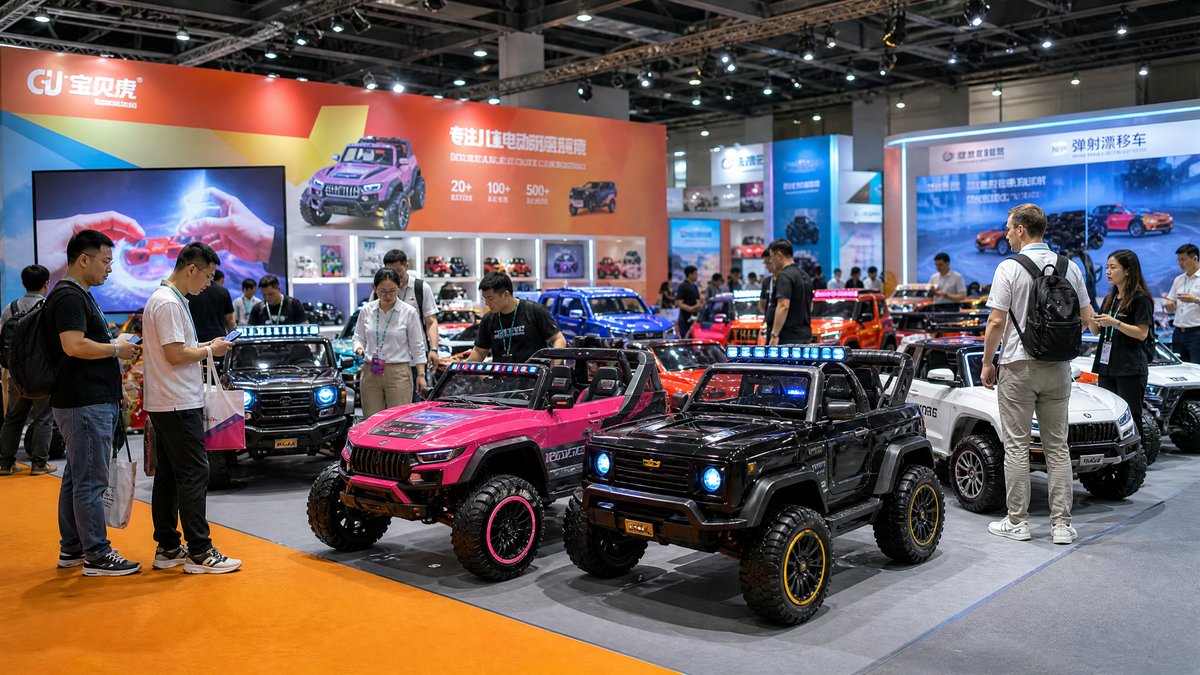
Navigating weekly grocery shopping trips with young children in tow often presents a formidable logistical challenge for modern parents, guardians, and retail establishments alike. Supermarkets are vast, bustling commercial environments characterized by bright fluorescent lighting, complex sensory stimuli, and endless rows of enticing merchandise that can easily overwhelm a toddler or preschooler. Traditional shopping carts, while utilitarian and designed for bulk cargo transport, frequently transform into battlegrounds for patience, where boredom quickly morphs into restlessness, tears, and public meltdowns. For retail businesses, fostering family-friendly shopping environments is paramount for customer retention, brand loyalty, and overall store satisfaction. In recent years, innovative family mobility solutions—specifically specialized ride-on cars and push-handle stroller vehicles—have emerged as transformative tools that turn routine errands into cooperative, enjoyable adventures for both generations.
When children are actively engaged in steering or riding comfortably within a vehicle designed specifically for their developmental stage, their psychological perception of shopping shifts dramatically. Instead of enduring a passive, restrictive ride confined to a standard metal cart seat, children experience a sense of agency, adventure, and constructive participation. This comprehensive guide explores the operational dynamics, developmental advantages, safety considerations, and practical purchasing frameworks that surround the integration of ride-on vehicles into retail grocery shopping routines. Whether you are a parent seeking to streamline weekend errands or a B2B retail partner looking to curate family-oriented product lines, understanding these dynamics provides valuable insight into modern family mobility.
Understanding the Modern Family Supermarket Dilemma
The modern supermarket is engineered for efficiency, merchandise display, and high inventory turnover, yet its physical layout is rarely optimized for the temperament of young children. Toddlers and preschoolers possess boundless natural energy, a deep-seated curiosity about their physical surroundings, and a relatively limited capacity for prolonged sedentary waiting. When placed inside a rigid, standard supermarket cart seat, a child is expected to sit quietly for thirty to sixty minutes while the supervising adult navigates crowded aisles, checks grocery lists, and evaluates perishable goods. This mismatch between child developmental needs and retail environment constraints frequently results in behavioral tension.
Children crave autonomy and sensory engagement. When these fundamental developmental drives are suppressed in a traditional shopping cart, frustration accumulates rapidly. Parents find themselves constantly managing behavioral outbursts, negotiating over items on store shelves, and rushing through their grocery lists with elevated stress levels. Furthermore, standard grocery carts offer minimal ergonomic support for younger toddlers who are actively transitioning out of strollers, leading to slouching, discomfort, and frequent attempts to climb out of the harness.
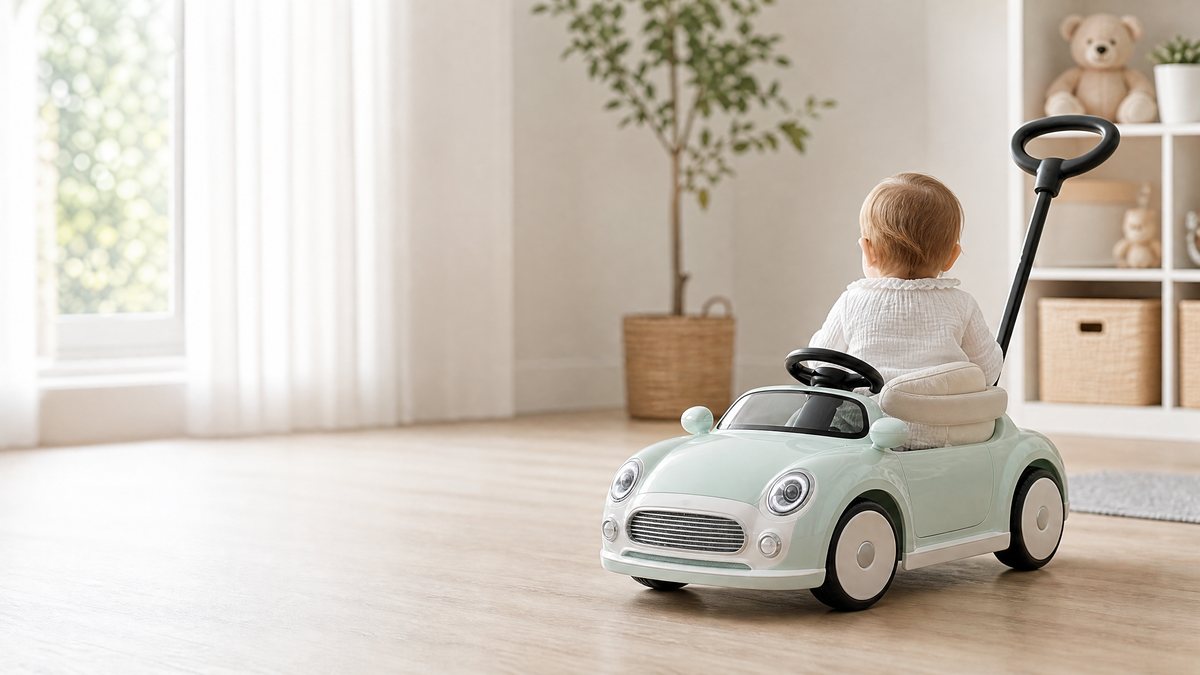
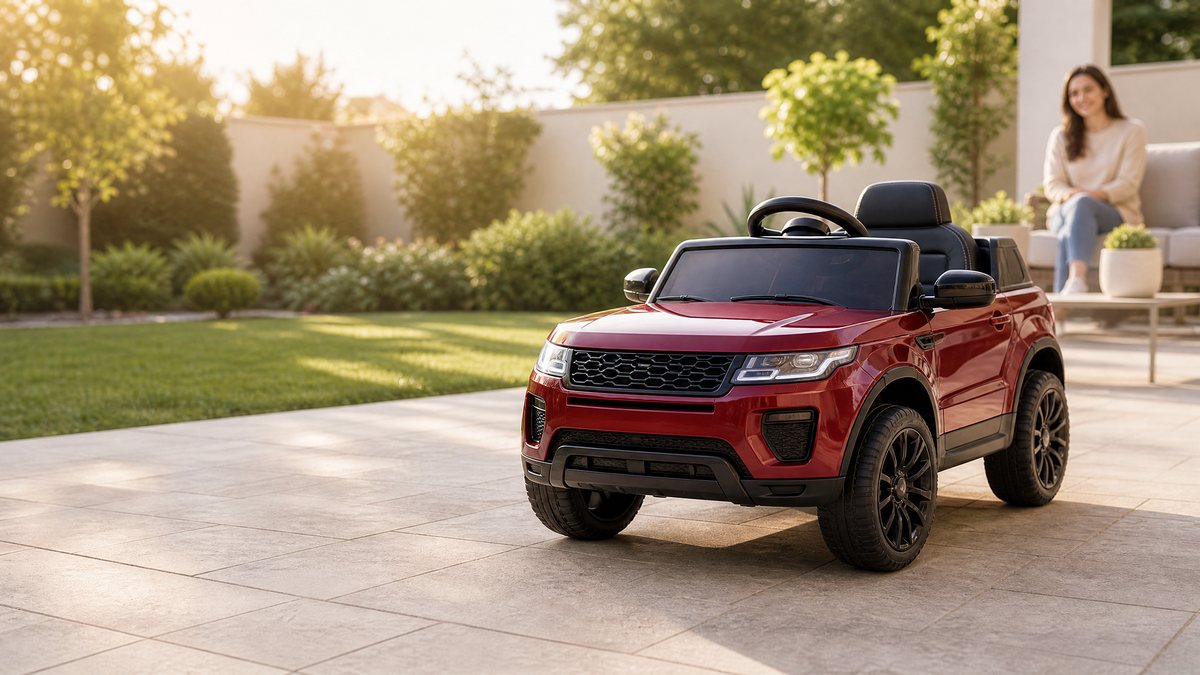
Introducing structured mobility through ride-on cars addresses the root cause of supermarket fatigue by reframing the errand as an interactive activity. When a child is seated in a specialized ride-on vehicle—particularly models equipped with parental control handles, secure harnesses, and supportive backrests—the shopping trip becomes an engaging journey rather than an exhausting chore. The child feels included in the process, steering along imaginary roads between the produce and dairy aisles, while the parent retains full directional control and absolute peace of mind.
How Ride-On Cars Bridge Play and Practical Errands
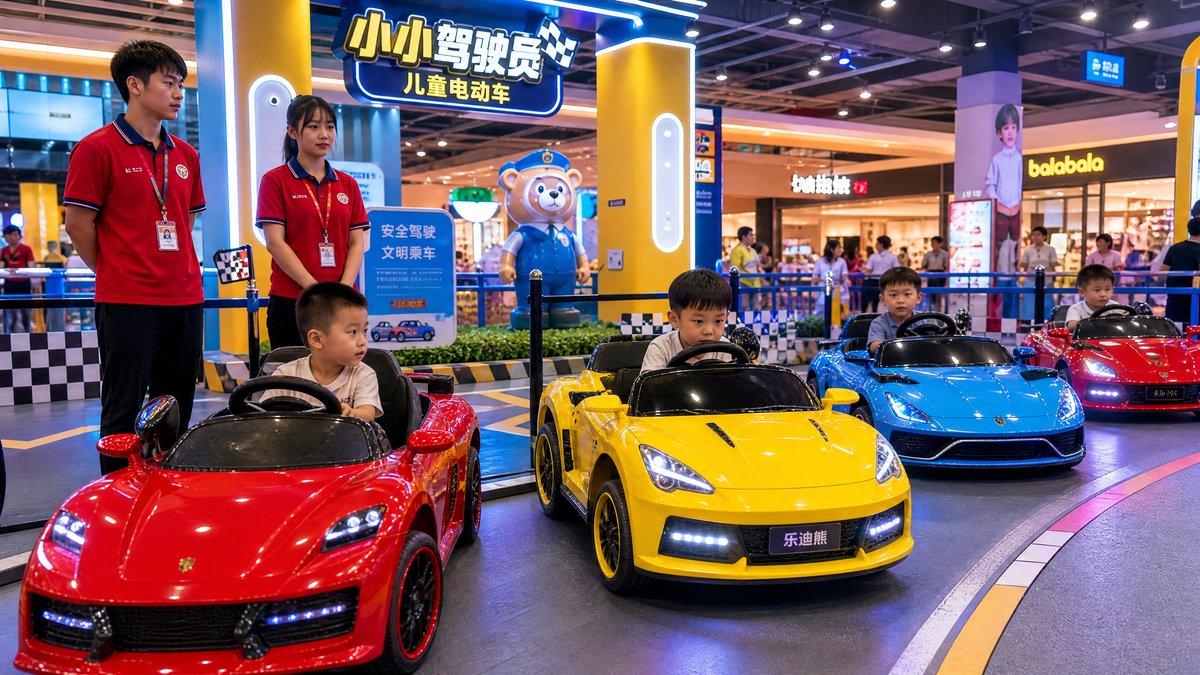
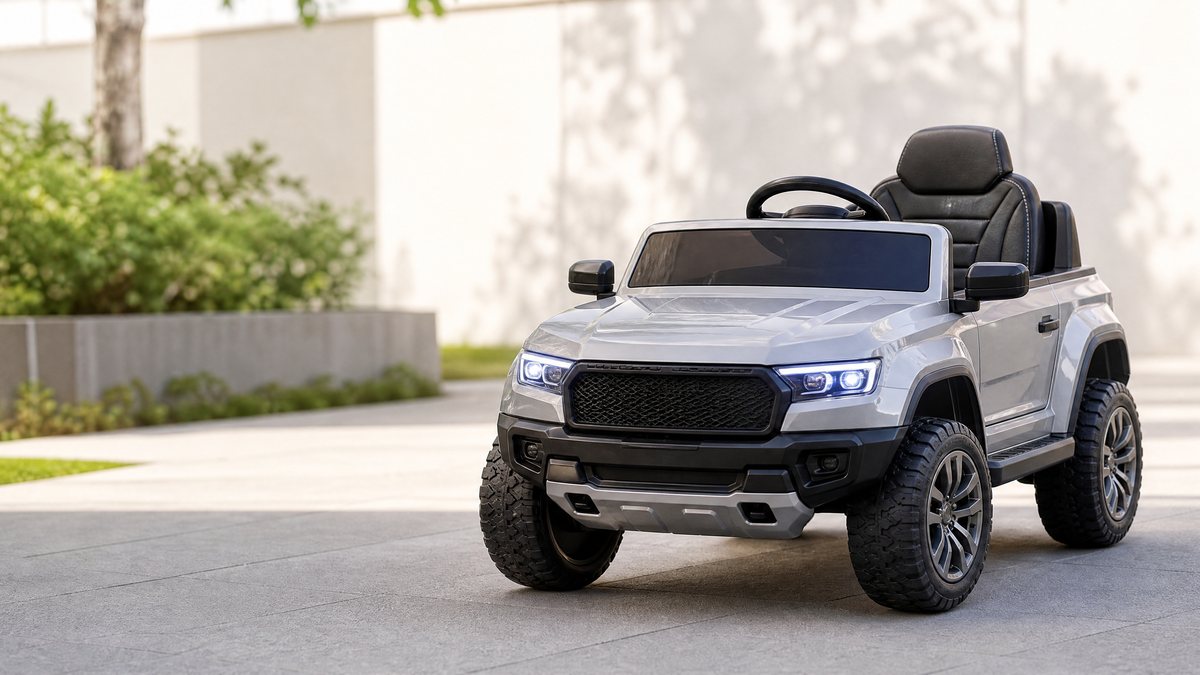
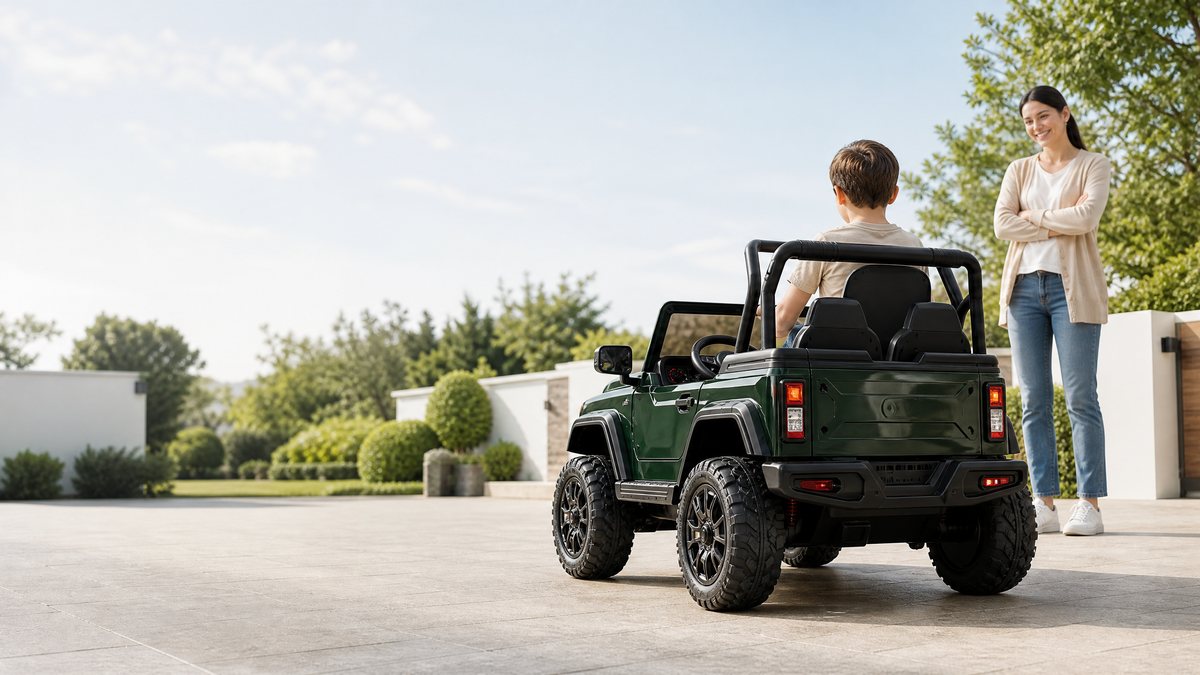
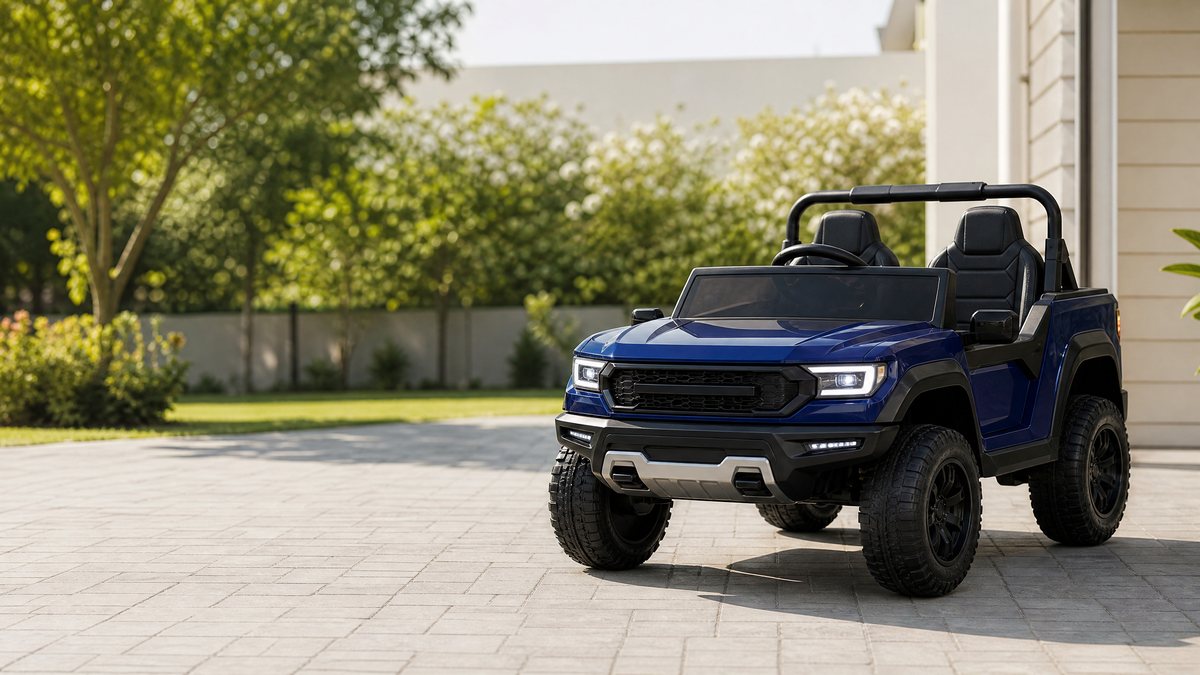
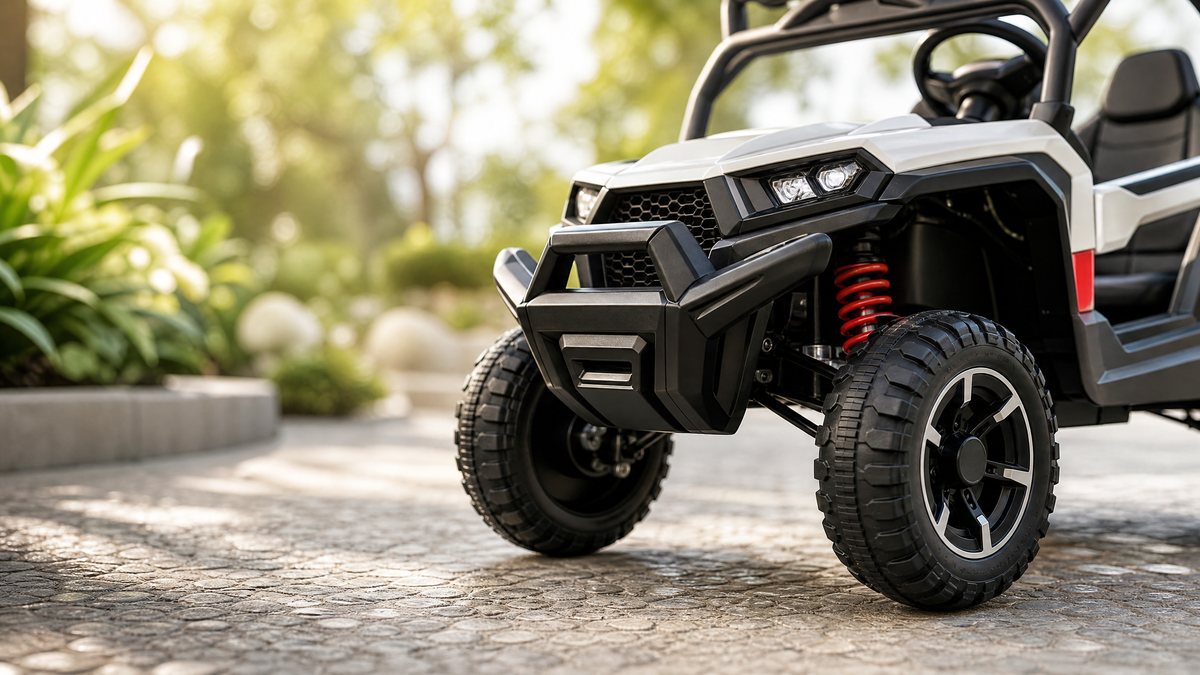
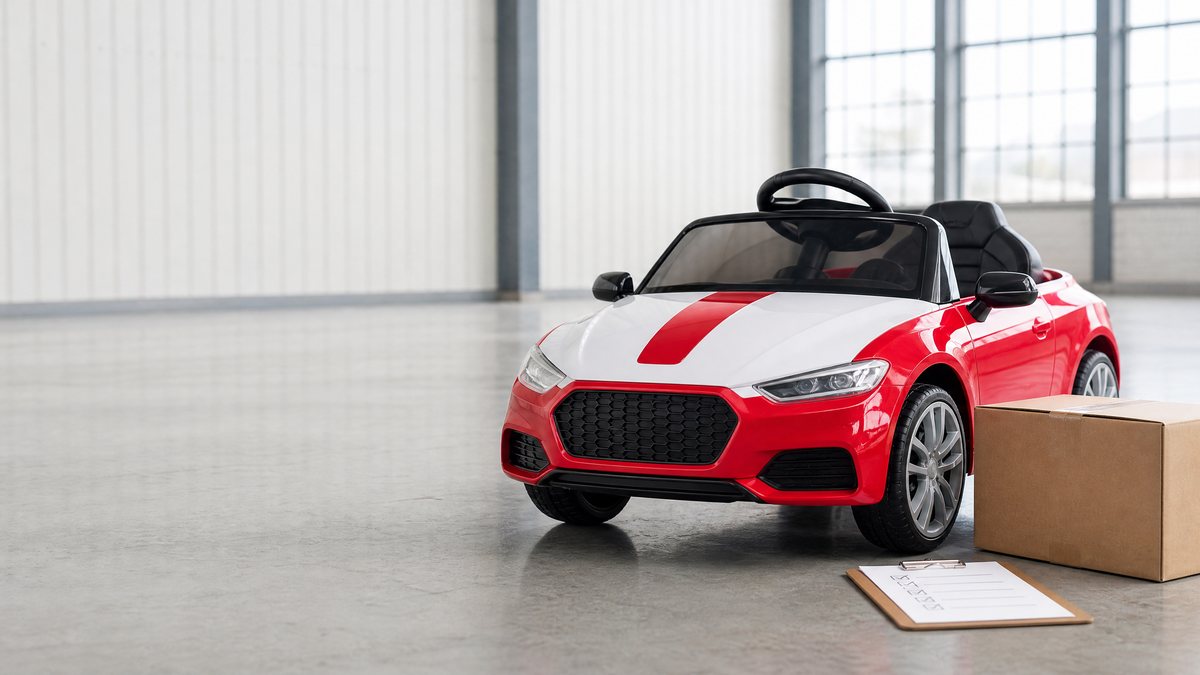
The intersection of play and practical everyday tasks represents a major focal point in modern juvenile product design. Ride-on cars engineered for family outings and retail environments are specifically constructed to bridge the gap between recreational entertainment and functional utility. Unlike outdoor electric go-karts or heavy-duty backyard battery vehicles, retail-friendly ride-on cars prioritize compact dimensions, maneuverability in tight aisles, low-speed safety, and robust parental steering integration.
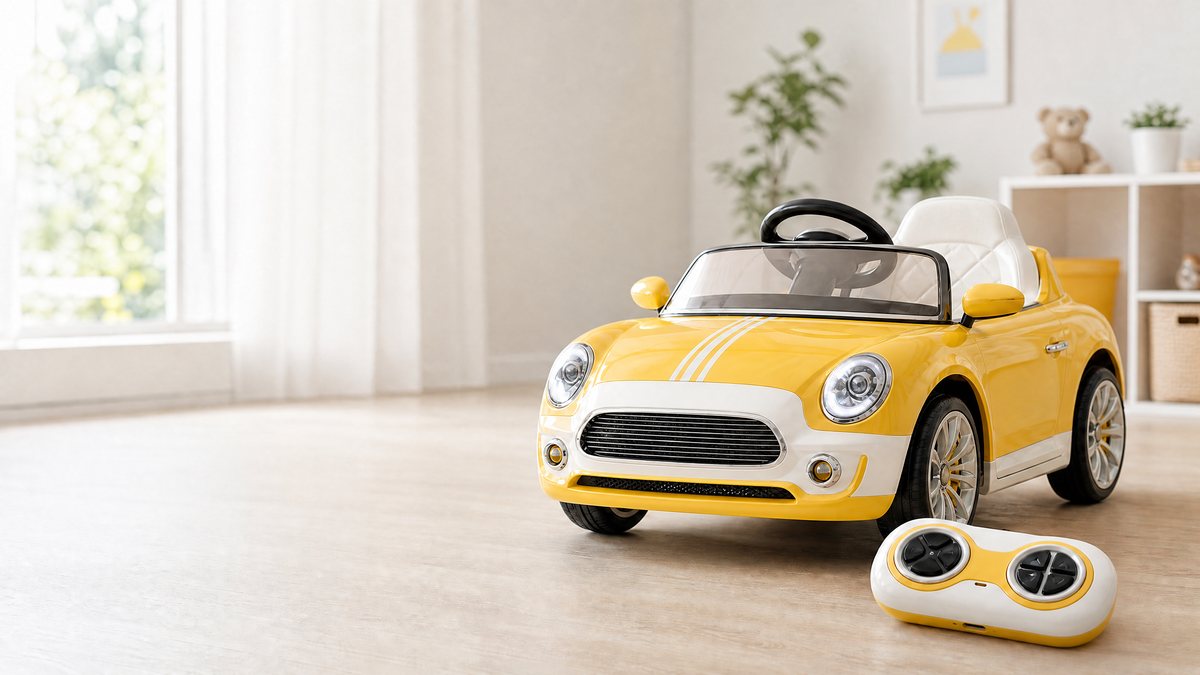
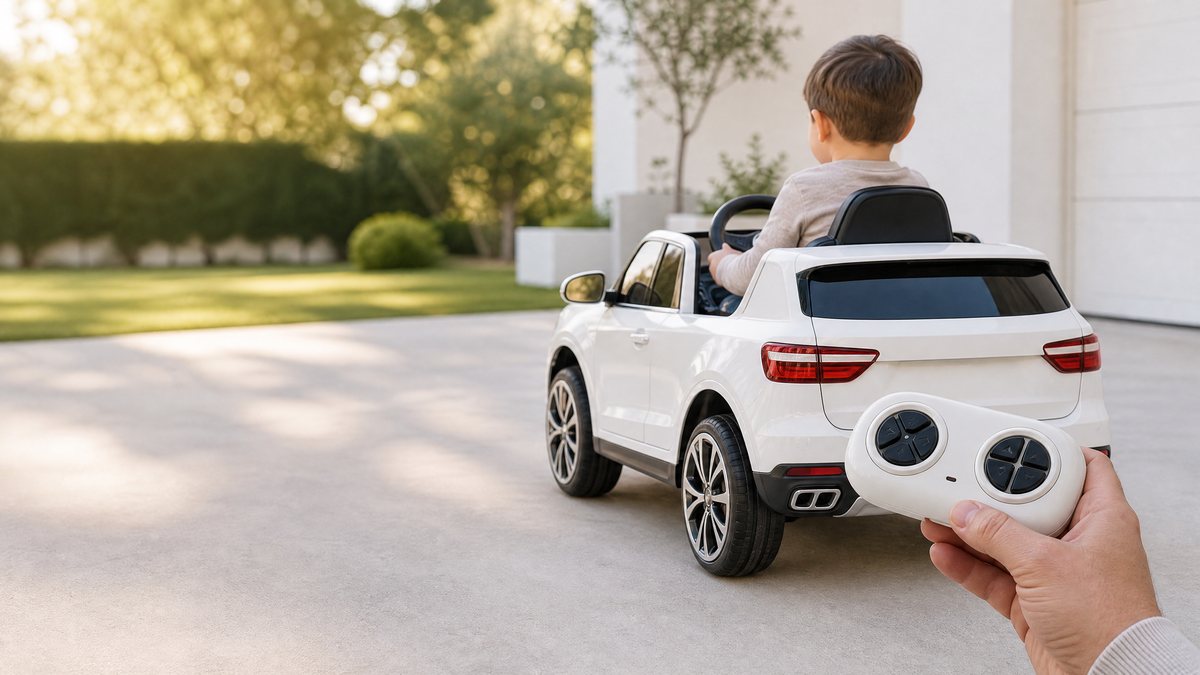
Many modern models feature a dual-operational capability, functioning seamlessly as push-cars with parental steering handles or as independent battery-operated ride-on toys where appropriate. For grocery shopping scenarios, the parental push handle and steering linkage allow the adult to guide the vehicle effortlessly through narrow checkout lanes and crowded promotional displays, ensuring that the child does not veer off course or collide with shelving units. Meanwhile, the child enjoys the tactile feedback of turning a steering wheel, pressing decorative horns, and experiencing a forward-facing perspective of the store.
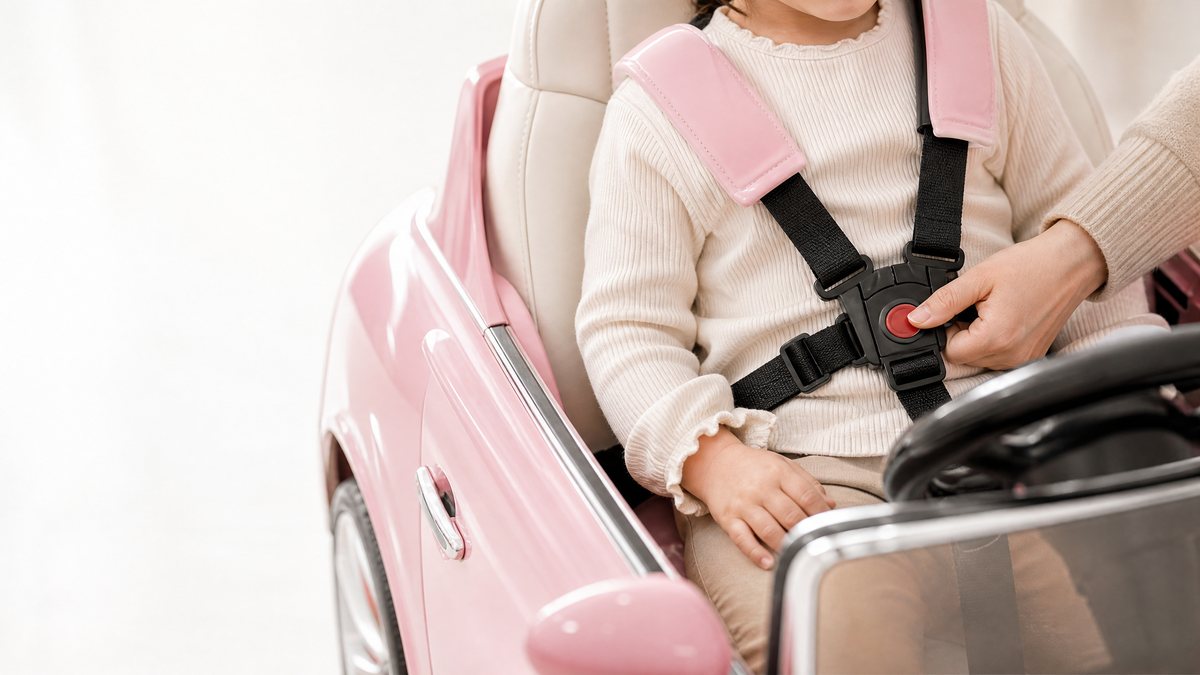
Another critical engineering element in these vehicles is the incorporation of smooth-rolling wheels, often constructed from premium EVA foam or durable polymer composites. Supermarket floors are typically polished concrete or slick tile, surfaces that can present traction challenges for inferior plastic wheels. High-quality wheels ensure whisper-quiet operation, preventing the distracting clatter associated with cheap plastic toys while providing reliable grip during quick turns. Additionally, ergonomic bucket seats, adjustable safety harnesses, and protective side barriers ensure that the child remains securely and comfortably positioned throughout the entire shopping trip.
Comparative Analysis: Evaluating Retail Mobility Solutions
To understand the distinct advantages of ride-on cars during grocery shopping, it is helpful to compare them against traditional alternatives such as standard supermarket cart seats, traditional umbrella strollers, and hand-held shopping baskets combined with walking. Each option presents unique benefits and limitations depending on the child's age, temperament, and the specific demands of the shopping trip.
| Mobility Solution | Child Engagement Level | Maneuverability in Aisles | Parental Control & Safety | Storage & Cargo Capacity | Best Suited Age Range |
|---|---|---|---|---|---|
| Specialized Ride-On Car | High (Interactive steering, role-play) | Moderate to High (Compact turning radius) | High (Parental push handle & harness) | Low to Moderate (Under-seat or rear basket) | 18 months to 4 years |
| Traditional Supermarket Cart | Low to Moderate (Prone to boredom) | High (Designed for store tracks) | Moderate (Standard waist belt) | Very High (Full grocery basket underneath) | 2 to 6 years |
| Standard Umbrella Stroller | Low (Restricted movement and view) | High (Narrow profile) | High (Secure harness, brakes) | Minimal (Small under-basket) | 6 months to 3 years |
| Walking Hand-in-Hand | Variable (Prone to wandering) | Low in crowds (Risk of separation) | Low to Moderate (Requires constant grip) | Zero (Parent must carry all items) | 3 to 6 years |
As outlined in the comparative matrix, specialized ride-on cars strike a balanced middle ground. While they offer lower grocery storage capacity compared to a cavernous metal supermarket cart—often requiring parents to utilize a secondary wire basket or hanging shopping bags—their superiority in child engagement and behavioral cooperation is unmatched. By transforming the child into the "driver" of the shopping expedition, meltdowns are significantly reduced, allowing parents to complete their shopping list efficiently and calmly.
Key Features to Evaluate When Selecting a Retail-Friendly Ride-On
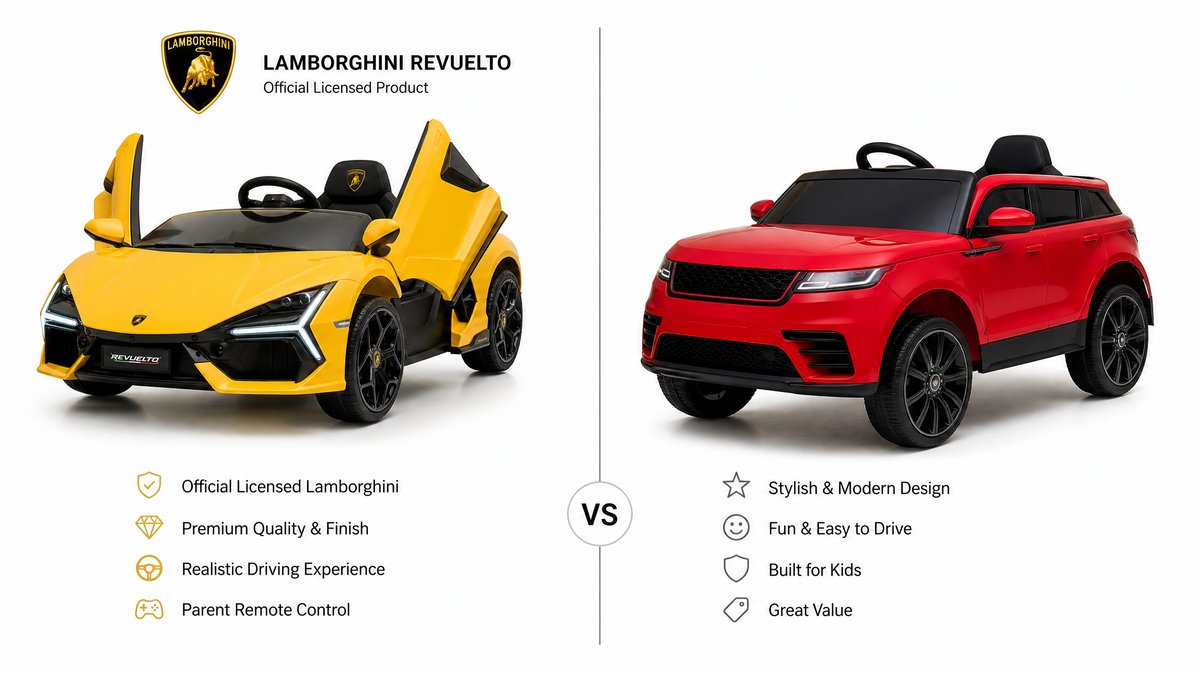
When B2B wholesale buyers, retail store owners, or individual parents evaluate ride-on cars designed for active lifestyle use, several critical features warrant careful inspection. It is essential to note that product features, specifications, and availability vary across specific models and manufacturers; buyers must always consult the official product manual and manufacturer documentation for precise technical details.
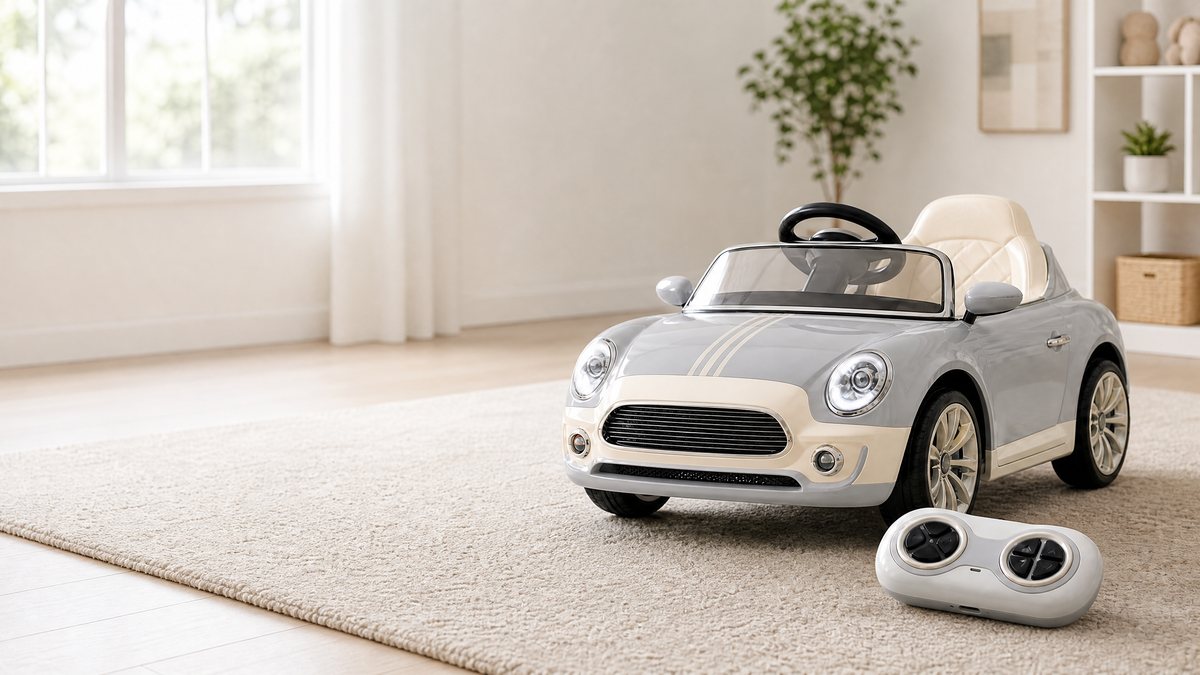
1. Dual Control Systems: Look for models that offer both manual driving capabilities for open play and integrated parental push-rods or remote-control override options. This ensures that the adult maintains absolute directional authority in congested public spaces.
2. Compact and Agile Chassis: Supermarket aisles are often congested with end-cap displays and restocking carts. A streamlined chassis design with a tight turning radius is crucial for effortless navigation.
3. Comfort and Ergonomics: Padded seating, breathable backrests, and ergonomic footrests prevent leg fatigue and discomfort during extended shopping excursions.
4. Safety Restraints: Multi-point safety harnesses and secure side doors or protective guardrails are vital to prevent accidental slips or falls while the vehicle is in motion.
5. Easy-Clean Surface Finishes: Retail environments can expose products to dust, spills, and scuffs. High-grade, wipe-clean polymer body panels ensure that the vehicle remains hygienic and presentable with minimal maintenance.
For businesses seeking to expand their inventory with high-demand family lifestyle products, sourcing versatile ride-on cars represents a lucrative market opportunity. You can Request a wholesale quote to explore our complete catalog of certified family mobility vehicles and commercial partnership terms.
Practical Tips for Stress-Free Shopping Trips with Young Children
Maximizing the utility of a ride-on car during grocery shopping involves more than just purchasing the vehicle; it requires thoughtful preparation and consistent behavioral guidelines. Establishing a structured routine helps children understand expectations and ensures that the shopping trip remains safe and pleasant for everyone involved.
Before departing for the supermarket, parents and caregivers should brief the child on the rules of the road inside the store. Establishing clear boundaries—such as staying seated, keeping hands inside the vehicle, and following the adult's steering direction—turns the outing into an interactive game of responsibility. It is also beneficial to plan shopping trips around the child's natural schedule, avoiding times close to naptime or mealtime when fatigue and hunger are most likely to trigger emotional distress.
During the shopping trip, maintaining active communication keeps the child engaged. Parents can turn selecting items into an interactive scavenger hunt, asking the child to spot specific colors, fruit types, or package shapes on the shelves. This cognitive engagement distracts from the tedious aspects of waiting and fosters positive developmental interaction. Furthermore, adult supervision must remain continuous and attentive at all times. Even with advanced safety features and parental handles, crowded retail spaces require constant vigilance to navigate around other shoppers, automated doors, and floor transitions.
Frequently Asked Questions (FAQ)
1. Are ride-on cars universally permitted inside all grocery stores and supermarkets?
Store policies regarding ride-on vehicles, strollers, and personal carts vary significantly by retail chain and local management. While many modern supermarkets and family-oriented big-box stores welcome compact push-ride-on cars, it is always advisable to check with store management or customer service prior to entering, especially during peak shopping hours.
2. What safety precautions are necessary when using a ride-on car in a retail environment?
Continuous adult supervision is mandatory at all times. Caregivers must ensure that the child is securely fastened using the provided safety harness, that feet remain on the footrest or pedals, and that the vehicle is operated at a slow, controlled walking pace. Never allow children to operate ride-on vehicles unassisted on ramps, near escalators, or in active parking lots.
3. How do ride-on cars affect grocery storage capacity during shopping trips?
Because ride-on cars occupy the primary seating space usually reserved for children in standard metal carts, overall grocery storage capacity is altered. Parents typically rely on under-seat storage compartments on the vehicle, secondary handheld shopping baskets, reusable shopping bags hung securely over parental handles, or standard shopping carts pushed alongside the vehicle if two adults are present.
4. What maintenance is required to keep a retail-use ride-on car in optimal condition?
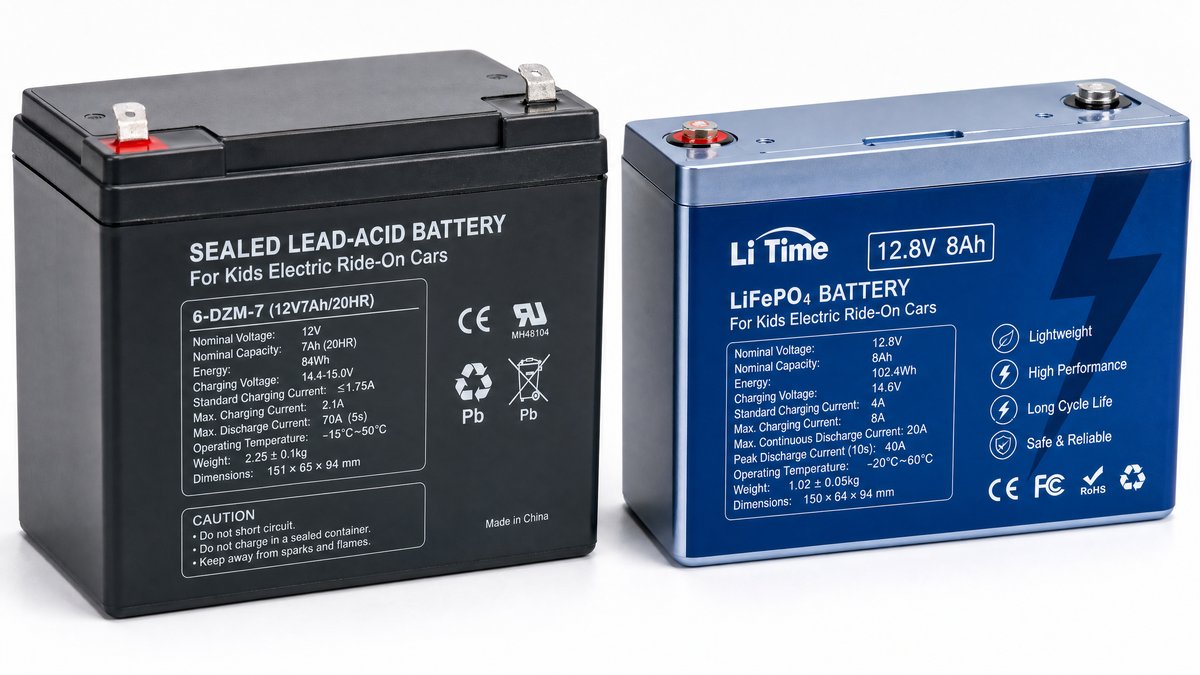
Routine maintenance includes wiping down polymer body panels with a damp cloth after outdoor or heavy retail use, checking wheel bearings and steering linkages for smooth operation, and inspecting safety harnesses and latches for wear. For motorized models, battery care instructions provided in the manufacturer manual must be strictly followed to ensure longevity and electrical safety.
Conclusion
Incorporating ride-on cars into grocery shopping routines offers a brilliant intersection of practical convenience and developmental engagement. By transforming a mundane, stressful chore into an exciting, interactive journey, these innovative mobility solutions benefit both parents and children alike. Whether utilized by families seeking smoother weekend errands or retailed by forward-thinking businesses supplying modern parenting solutions, ride-on cars continue to redefine everyday family logistics.
To learn more about our premium range of ride-on vehicles, custom partnership opportunities, and wholesale catalog details, please Request a wholesale quote today.
Official References
1. U.S. Consumer Product Safety Commission (CPSC). General Toy Safety Education and Playground Equipment Guidelines. CPSC Document #288. (Note: Official federal safety guidelines provide general educational frameworks but do not replace specific manufacturer operating manuals, model certifications, or retail store policies).
2. American Academy of Pediatrics (AAP). Injury Prevention and Child Safety in Public Spaces. Pediatrics Journal, Vol. 142, No. 4. (Emphasizes the critical necessity of continuous adult supervision and adherence to age-appropriate product guidelines during recreational and transit activities).
3. International Consumer Product Safety Standards (ISO 8124). Safety of Toys - Part 1: Safety Aspects Related to Mechanical and Physical Properties. (Provides technical testing standards for mechanical integrity, stability, and load-bearing capacity in children's mobility products).
Official references
Explore these external resources for current regulatory and trade guidance. Confirm requirements with the relevant authority before placing an order.
Ready to Start?
Factory-Direct · CE & ASTM Certified · MOQ from 50 Units
Our export team works with buyers in 60+ countries. Get a quote within 24 hours.
KR
Written by KidsRideCar
China's leading kids electric ride-on car manufacturer. 500,000+ units shipped annually to 60+ countries. CE, ASTM & EN71 certified.