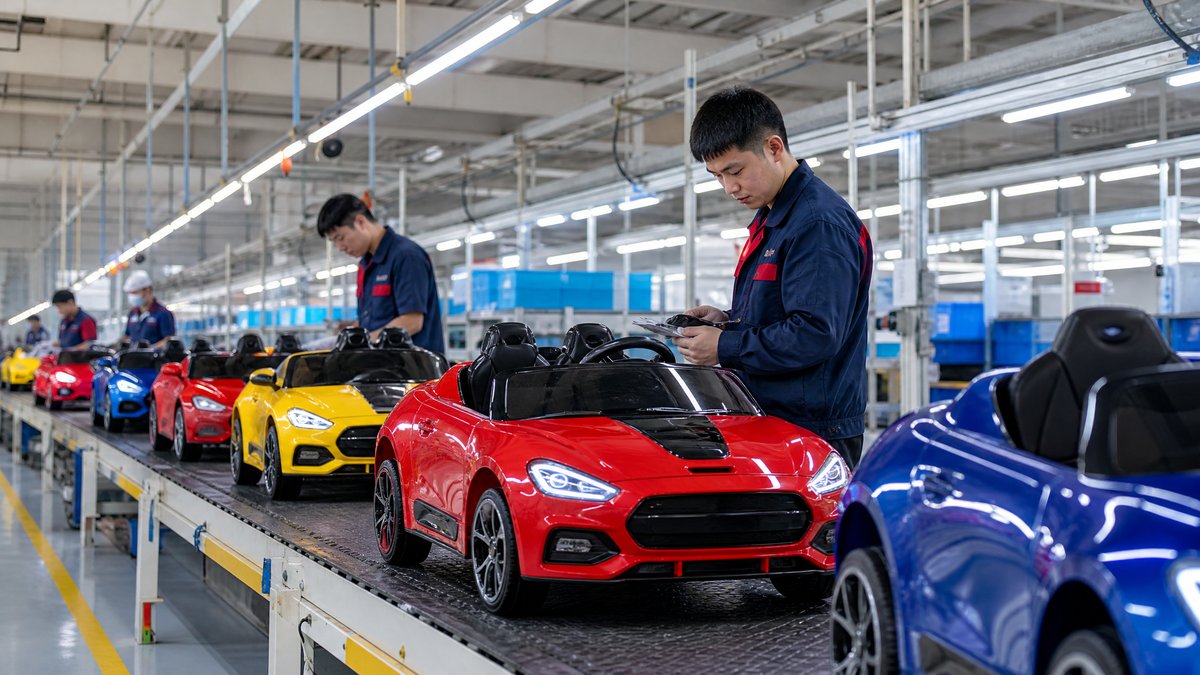
Introduction to International Trade Compliance for Ride-On Cars
For B2B wholesalers, toy importers, and retail chain buyers, importing kids' electric ride-on cars from manufacturing hubs like China is a lucrative venture. However, navigating the complexities of international trade compliance—specifically Harmonized System (HS) codes and import duties—is critical to protecting profit margins and avoiding costly customs delays.
Misclassifying a product can lead to severe financial penalties, retroactive tax assessments, or prolonged cargo holds at the port of entry. This guide provides a detailed breakdown of HS code classification, country-specific tariff rates, and practical strategies for optimizing your customs clearance process when importing battery-powered ride-on toys.
What is an HS Code and Why Does It Matter?
The Harmonized System (HS) is an internationally standardized system of names and numbers for classifying traded products, developed and maintained by the World Customs Organization (CO). Consisting of over 5,000 commodity groups, each identified by a six-digit code, the HS structure is universally accepted by more than 200 countries.
For customs authorities, the HS code determines:
* The applicable import duty rate (tariffs and customs fees).
* Regulatory compliance requirements (mandatory safety certifications like ASTM F963, CE/EN71, or CPC).
* Statistical data collection for international trade monitoring.
The Standard HS Code Structure for Ride-On Toys
While national customs authorities often add two to four digits to the end of the standard 6-digit code for statistical purposes (resulting in 8-digit or 10-digit codes), children's electric ride-on cars generally fall under specific chapters of the Harmonized Tariff Schedule (HTS).
1. Chapter 95: Toys, games, and sports requisites; parts and accessories thereof.
2. Heading 9503: Tricycles, scooters, pedal cars and similar wheeled toys; dolls' carriages; dolls; other toys; reduced-size ("scale") models and similar recreational models, working or not; puzzles of all kinds.
3. Subheading 9503.00: Specific subcategories for wheeled toys designed to be ridden by children.
Primary HS Codes for Kids Electric Ride-On Cars
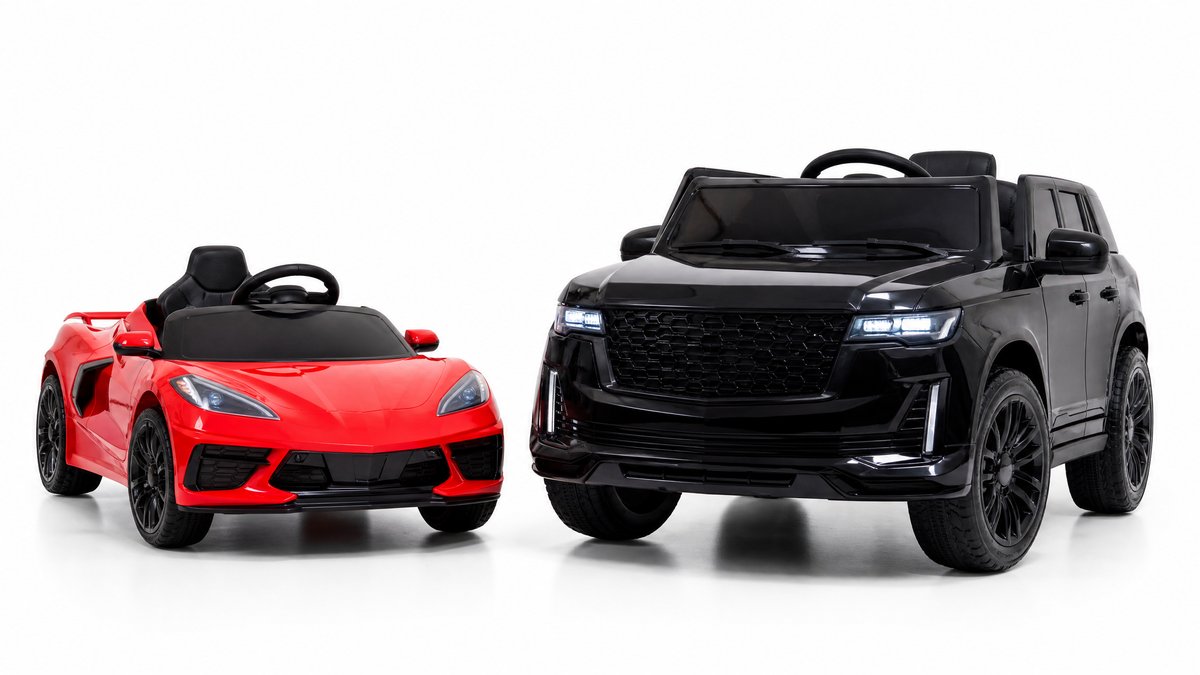
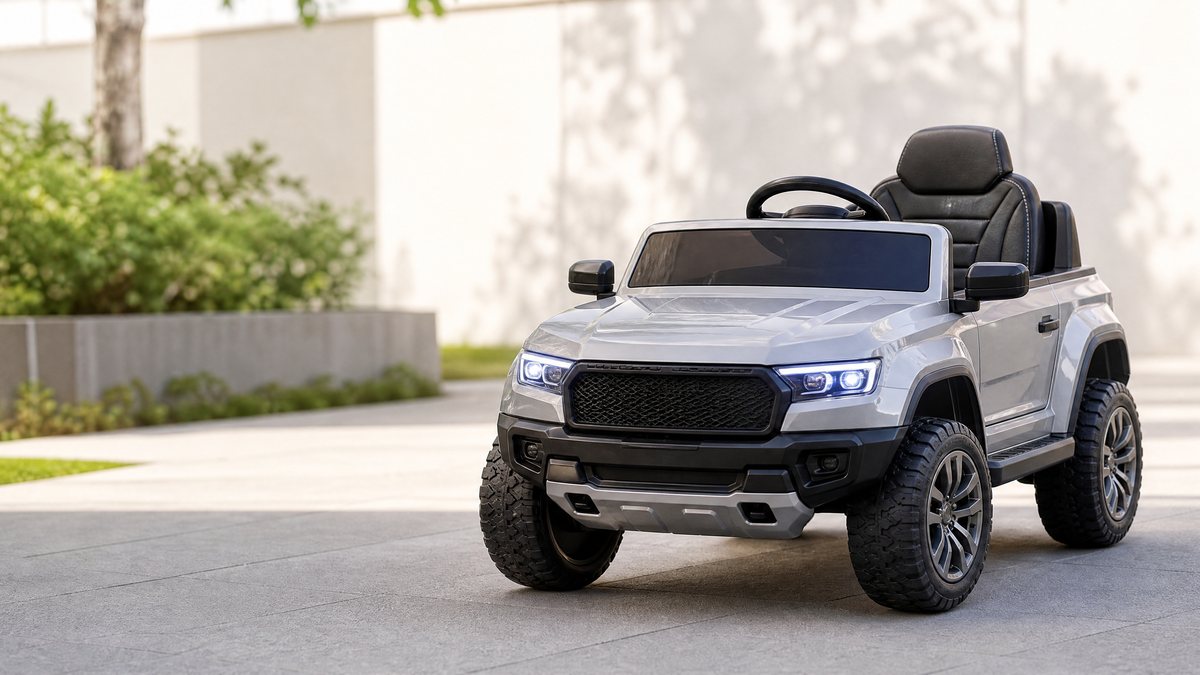
When classifying electric ride-on cars (such as 12V and 24V battery-powered cars, licensed SUVs, and electric go-karts), customs brokers typically look at several specific classifications depending on propulsion and primary material composition.
| Category / Product Type | International HS Code (6-Digit) | Common US HTS Code | Common EU TARIC Code |
|---|---|---|---|
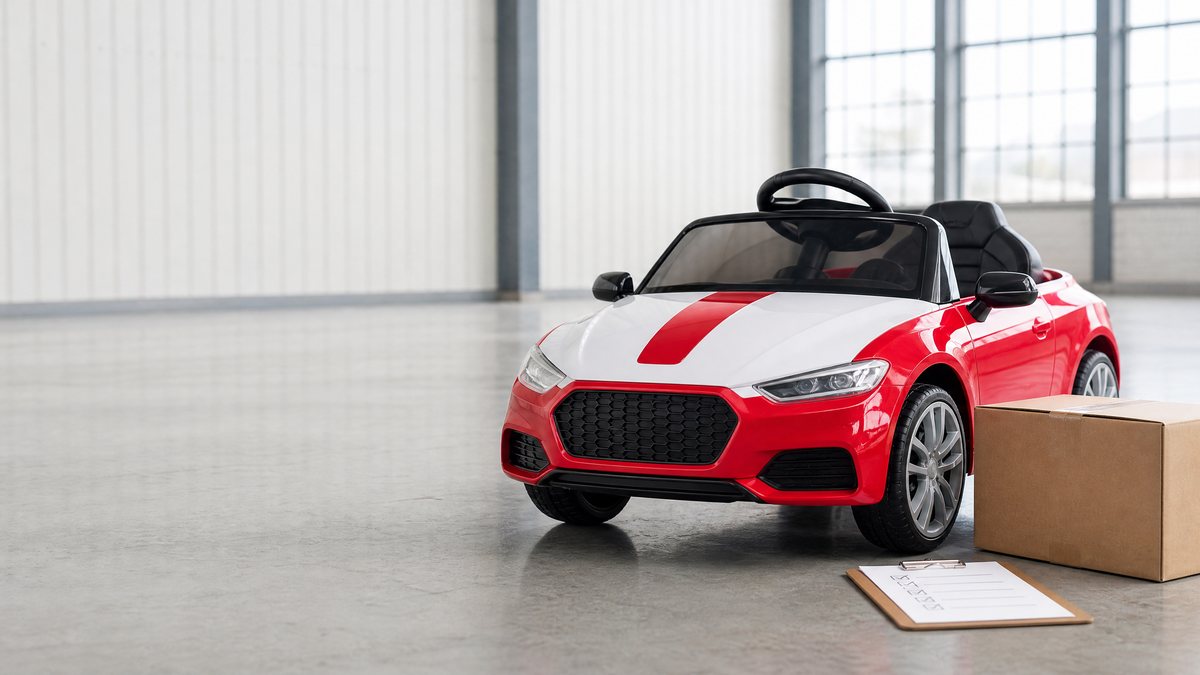
| Battery-Powered Ride-On Cars (Plastic) | 9503.00.00 | 9503.00.0073 | 9503 00 95 90 |
| Pedal Cars & Non-Motorized Wheeled Toys | 9503.00.00 | 9503.00.0011 | 9503 00 10 00 |
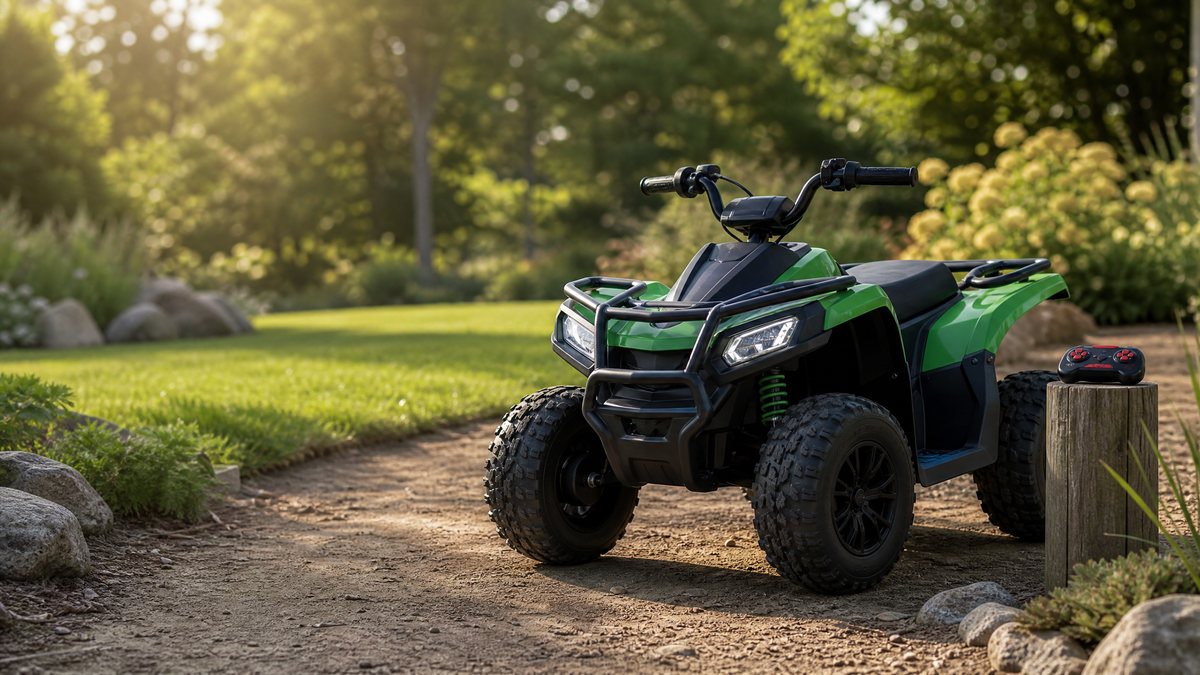
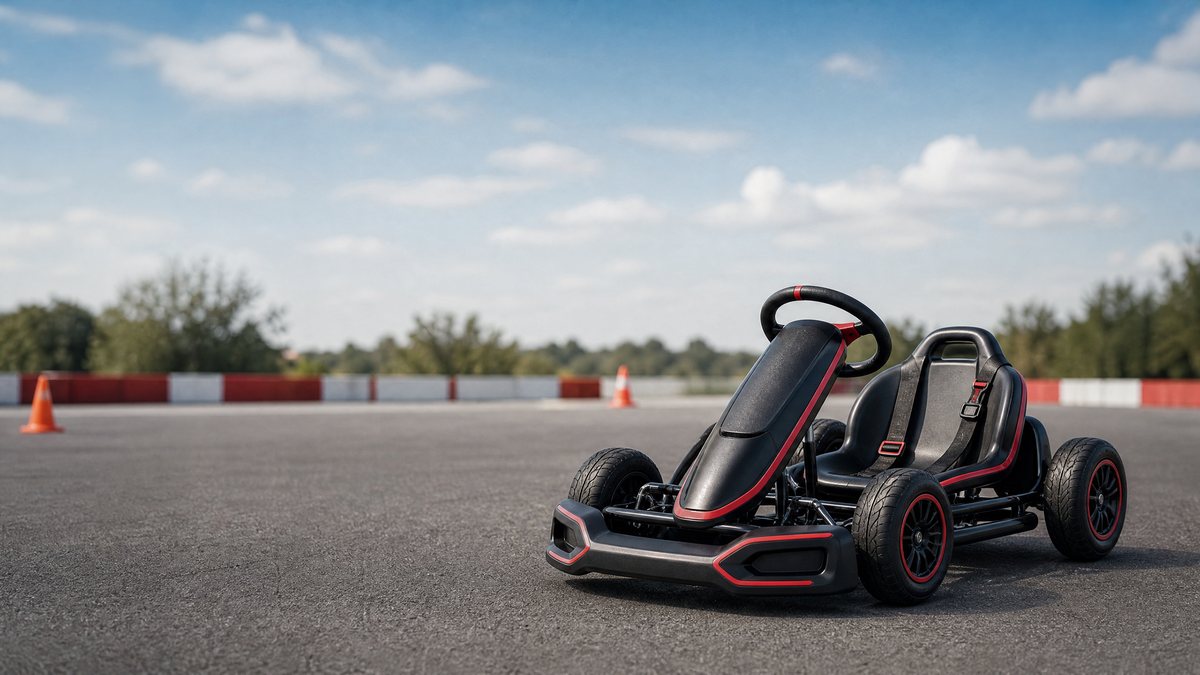
| Electric Go-Karts & Quad Bikes for Kids | 9503.00.00 | 9503.00.0073 | 9503 00 95 00 |
| Replacement Parts (Motors, Control Boards) | 8501.10 / 8537.10 | Varies by component | Varies by component |
*Note: Importers should always consult with a licensed customs broker or verify local tariff schedules, as subheadings can be adjusted periodically by national trade bodies.*
Import Duties and Taxes by Major Market
Import duties are calculated as a percentage of the CIF value (Cost, Insurance, and Freight) or FOB value depending on the jurisdiction. In addition to standard customs duties, importers must account for value-added taxes (VAT), goods and services taxes (GST), and potential processing fees.
1. United States (USITC / CBP)
* Standard Duty Rate: Under standard Most-Favored-Nation (MFN) status, children's toys classified under HTS 9503.00.00 are generally duty-free (0%) upon entry into the United States.
* Additional Tariffs: Depending on current trade policies and Section 301 tariffs originating from specific manufacturing regions, certain plastic components or electronic controllers may be subject to additional ad valorem duties. Importers must verify the exact country of origin rules.
* Other Fees: Merchandise Processing Fee (MPF) and Harbor Maintenance Fee (HMF) may apply.
2. European Union (TARIC)
* Standard Duty Rate: Electric ride-on toys imported into the EU typically attract a standard MFN duty rate of 4.7%.
* Value Added Tax (VAT): Ranging from 17% to 27% depending on the destination member state (e.g., 19% in Germany, 20% in France, 23% in Ireland).
* Compliance Warning: EU customs strictly enforce CE marking, EN71 safety standards, and the Toy Safety Directive. Goods lacking proper documentation can be seized at port regardless of duty payment.
3. United Kingdom (UK Global Tariff)
* Standard Duty Rate: Following the implementation of the UK Global Tariff, ride-on cars generally carry a standard duty rate of 0% to 4.5%.
* Import VAT: Standard UK VAT rate of 20% is levied on the CIF value plus duty.
* UKCA Marking: Importers must ensure goods comply with UK conformity assessment standards.
4. Canada (CBSA)
* Standard Duty Rate: Most children's riding toys enter Canada duty-free (0%) under tariff item 9503.00.00.
* GST/HST: Federal Goods and Services Tax (5%) or Harmonized Sales Tax (ranging from 13% to 15% in participating provinces) applies.
5. Australia (ABF)
* Standard Duty Rate: General customs duty for children's toys is 0%.
* GST: 10% Goods and Services Tax applies to imported commercial shipments valued over AUD 1,000.
Best Practices for B2B Importers to Avoid Customs Delays
Customs inspections and classification disputes can derail supply chain timelines and inflate warehousing costs. Implementing proactive compliance measures ensures seamless port clearance.
1. Request Binding Rulings When in Doubt
If you are importing a novel hybrid product—such as an ultra-high-speed 24V drift go-kart or a ride-on vehicle with complex multimedia integration—consider applying for an Advance Ruling or Binding Tariff Information (BTI) from your target country's customs agency. This provides legal certainty regarding the correct HS code for up to three years.
2. Ensure Accurate Commercial Documentation
Your commercial invoices and packing lists must explicitly state:
* The exact material composition (e.g., molded polypropylene body, steel frame).
* The propulsion mechanism (e.g., dual 12V electric motors, battery-operated).
* Target age grading (e.g., suitable for children aged 3-8 years). Vague descriptions like "plastic toy" often trigger manual customs inspections.
3. Partner with Compliant Manufacturers
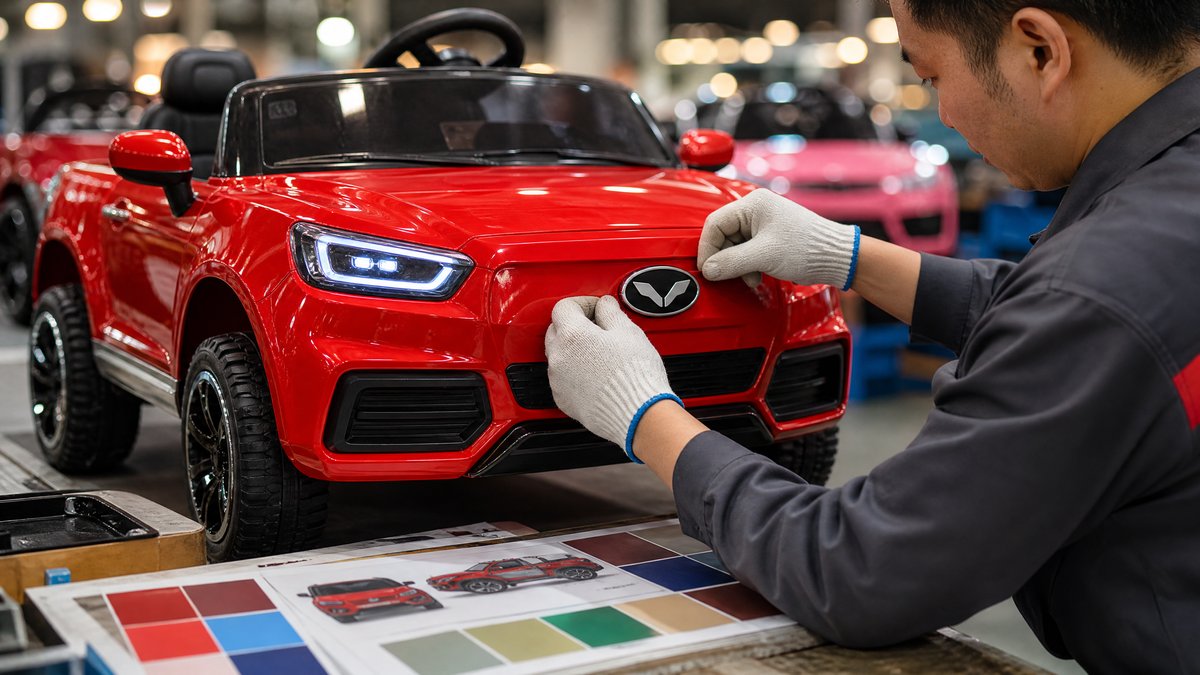
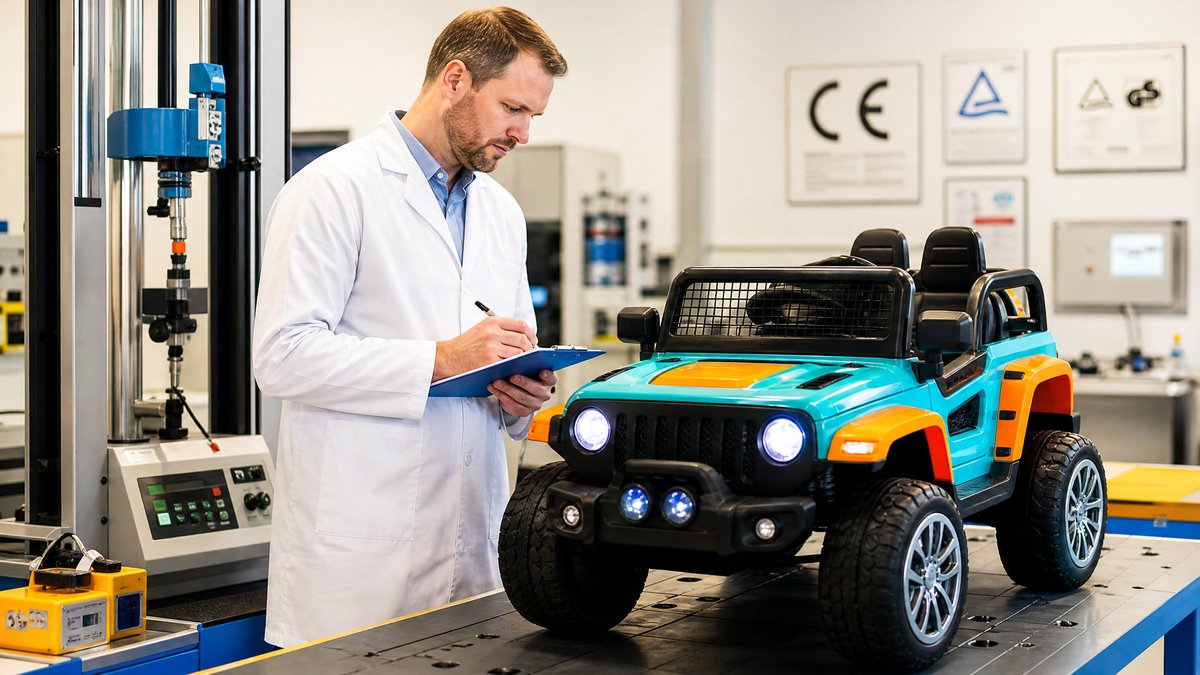
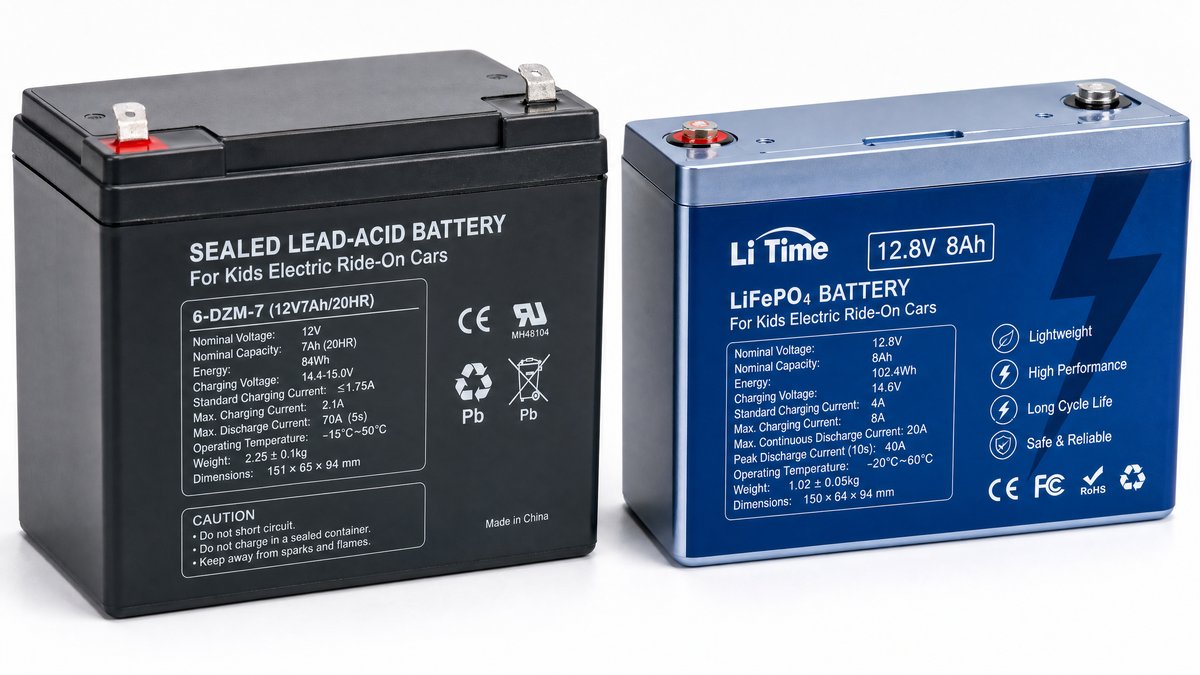
Sourcing from experienced manufacturers who understand export compliance makes a significant difference. Reliable suppliers provide detailed product specifications, material safety data sheets (MSDS) for lithium or lead-acid batteries, and test reports confirming compliance with international standards such as ASTM F963 and EN71.
Frequently Asked Questions (FAQ)
Q1: Are batteries classified under the same HS code as the ride-on car?
A: No. While a complete electric ride-on car is classified under heading 9503 as a toy, replacement or spare batteries (lead-acid or lithium-ion) shipped separately are classified under Chapter 85 (Electrical machinery and equipment), specifically under battery-related HS codes. However, when batteries are installed inside the complete vehicle as a single commercial unit, they are generally covered under the primary vehicle classification.
Q2: What happens if my shipment is misclassified at customs?
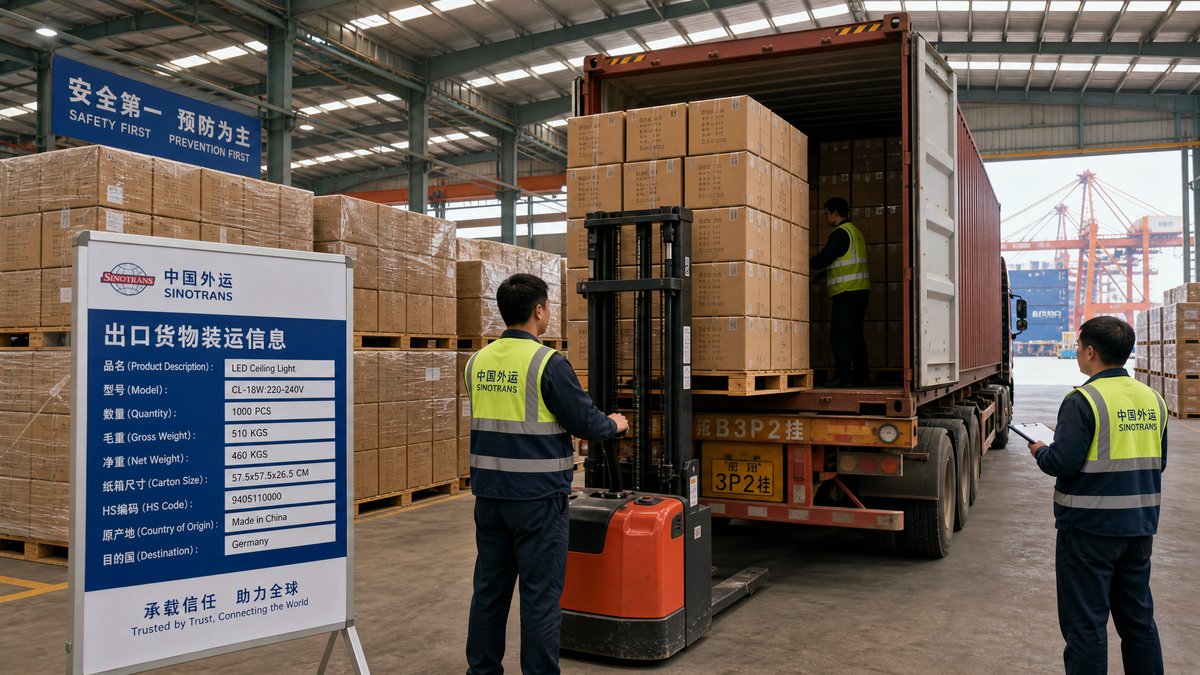
A: Customs authorities may reclassify the goods, resulting in retroactive duty assessments, administrative fines, and storage fees while the container is held at the port. In severe cases of repeated misclassification, your importer of record (IOR) profile may be flagged for frequent physical inspections.
Q3: Do I need separate certifications for different destination countries?
A: Yes. Compliance standards are jurisdiction-specific. For instance, the US requires Children's Product Certificates (CPC) based on ASTM F963 testing, while the EU requires CE declarations of conformity adhering to EN71-1, EN71-2, EN71-3, and EMC directives. Always verify that your manufacturer can provide accredited third-party test reports.
Q4: How can I minimize import duty expenses legally?
A: Importers can leverage Free Trade Agreements (FTAs) where applicable, ensure accurate valuation declarations to avoid overpaying, and work with experienced licensed customs brokers who understand duty deferral programs or bonded warehousing options.
Streamline Your Ride-On Car Importing with KidsRideCar
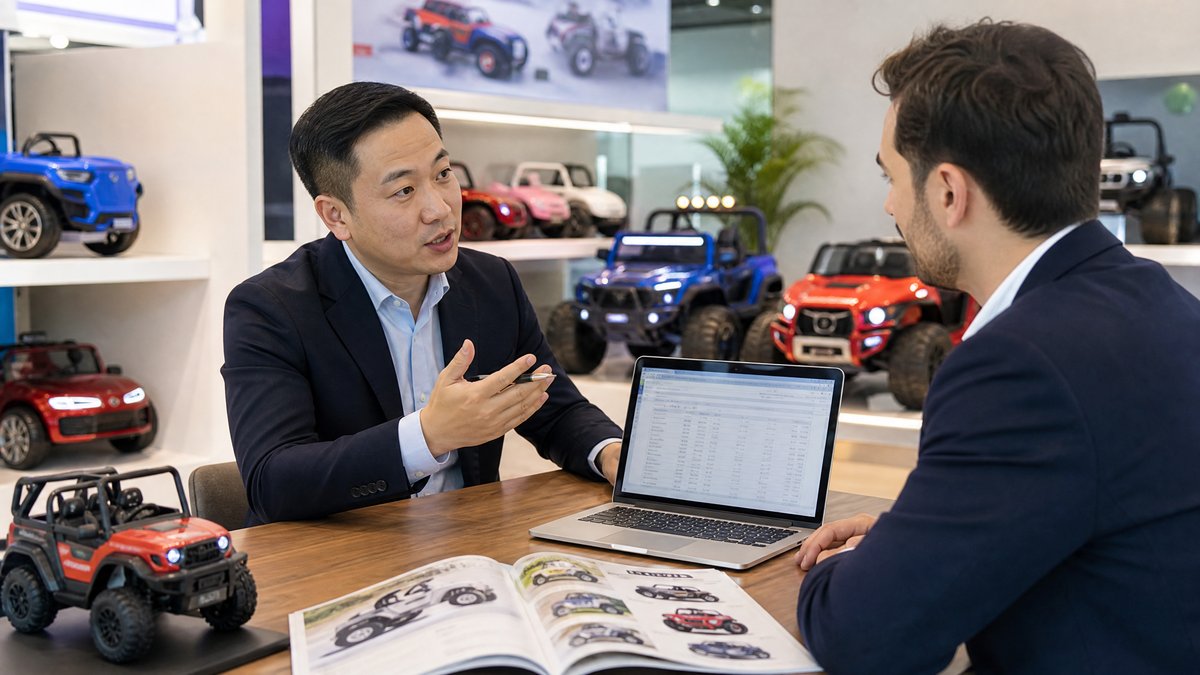
Navigating global tariffs, HS codes, and safety compliance doesn't have to be overwhelming. At KidsRideCar, we partner with global wholesalers, retail brands, and distributors to supply certified, high-margin electric ride-on cars backed by complete export documentation. Whether you are expanding your seasonal inventory or developing custom OEM models, our team provides end-to-end B2B support.
Ready to scale your toy wholesale business? Contact our trade specialists today at mailto:info@kidsridecar.com to request our latest catalog, wholesale price lists, and compliance documentation.
Official references
Explore these external resources for current regulatory and trade guidance. Confirm requirements with the relevant authority before placing an order.
Ready to Start?
Factory-Direct · CE & ASTM Certified · MOQ from 50 Units
Our export team works with buyers in 60+ countries. Get a quote within 24 hours.
KR
Written by KidsRideCar
China's leading kids electric ride-on car manufacturer. 500,000+ units shipped annually to 60+ countries. CE, ASTM & EN71 certified.