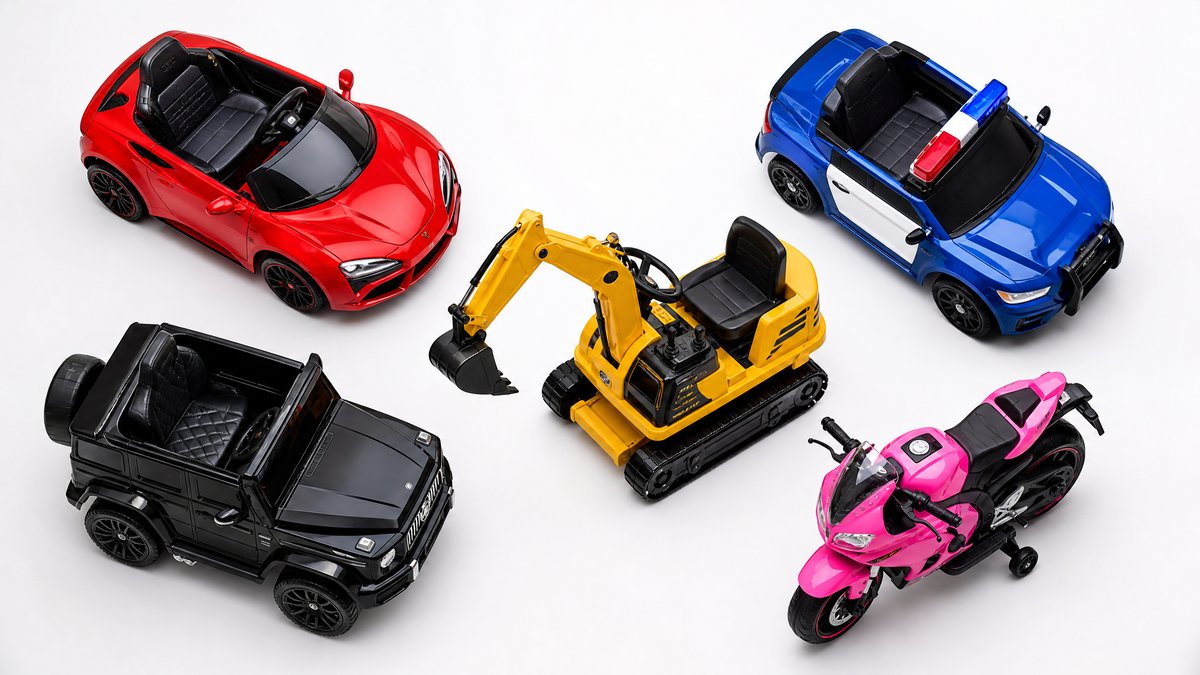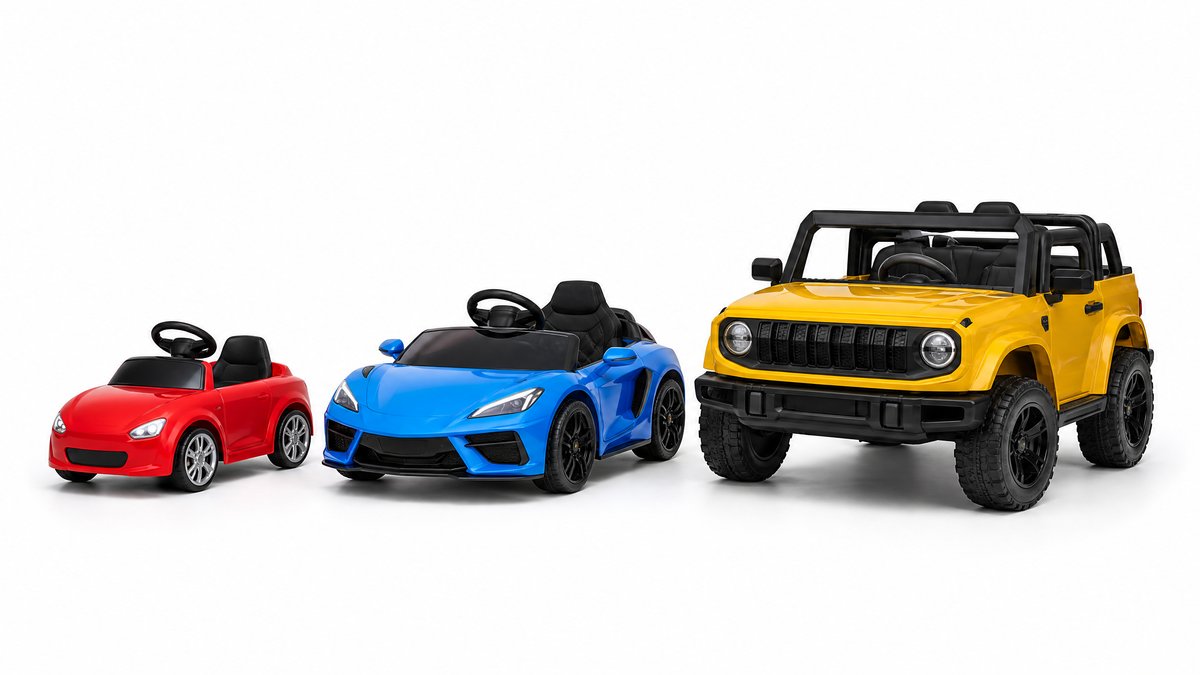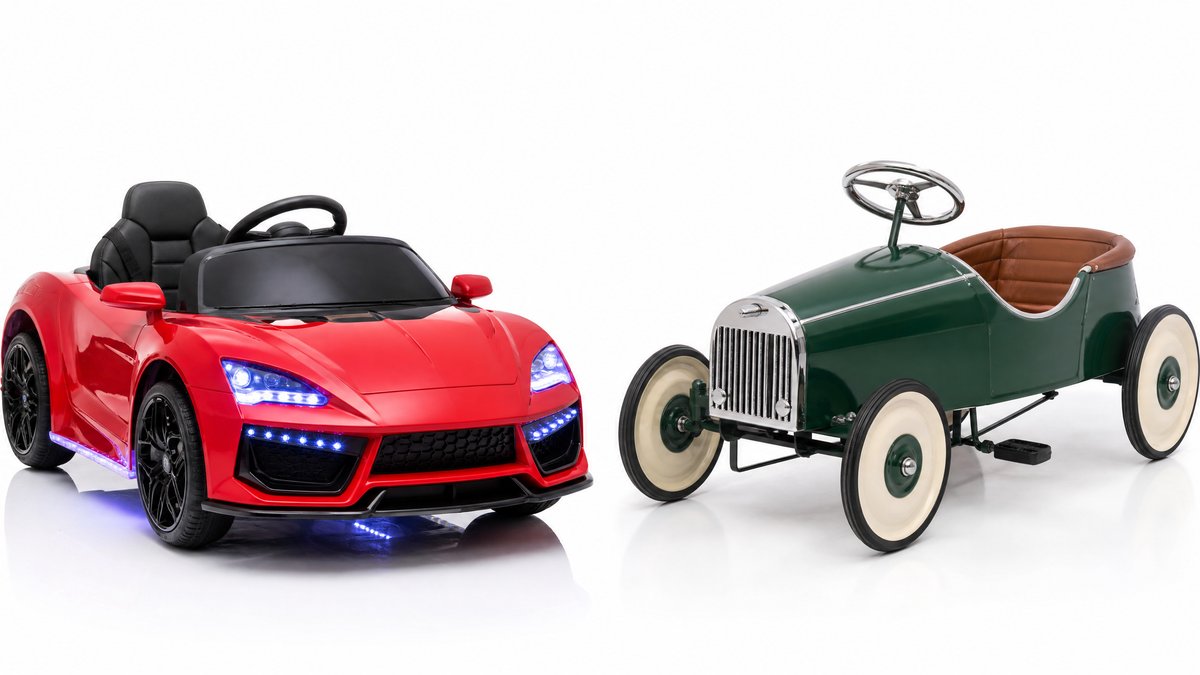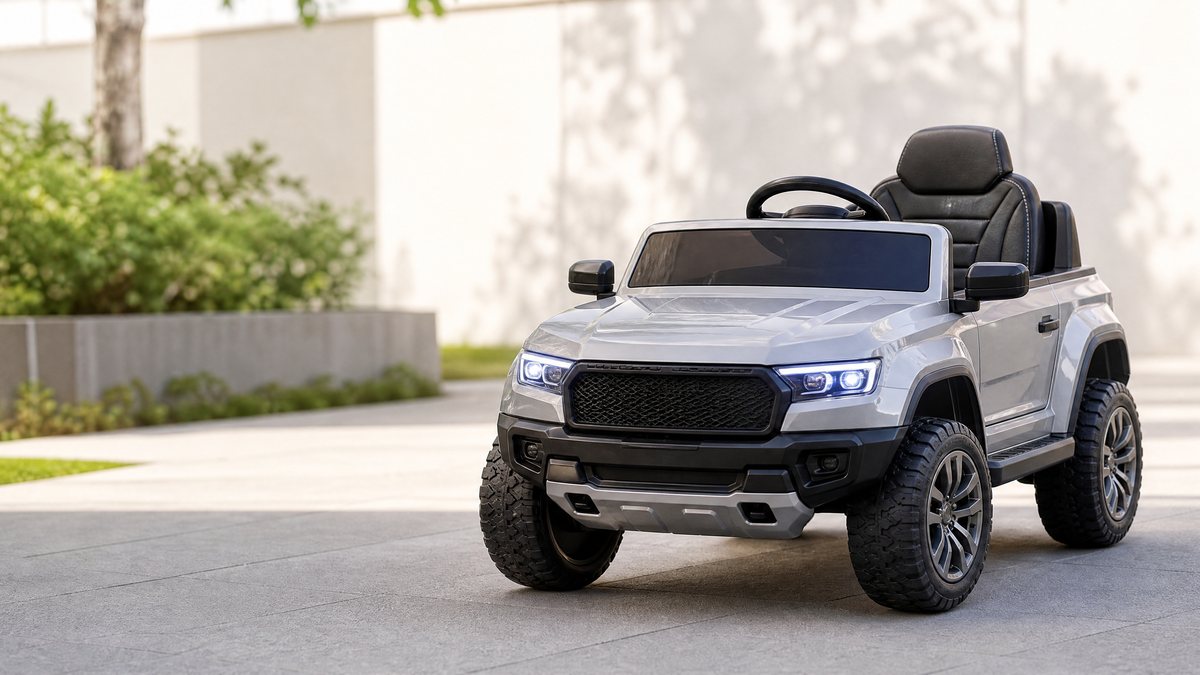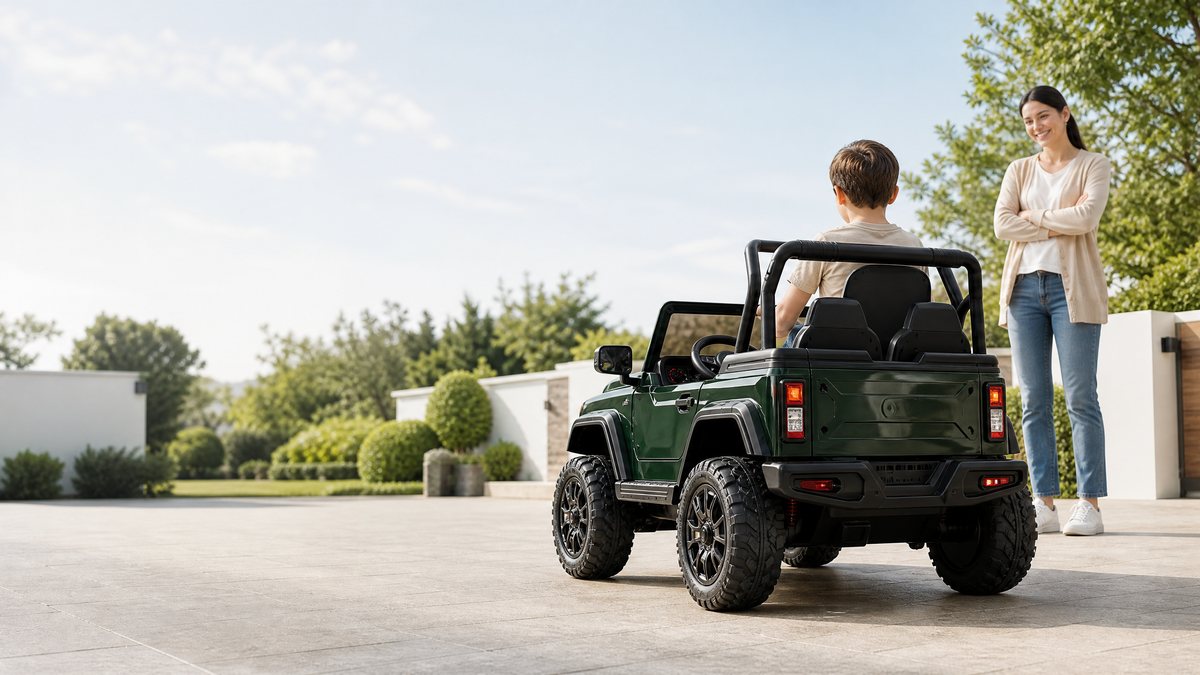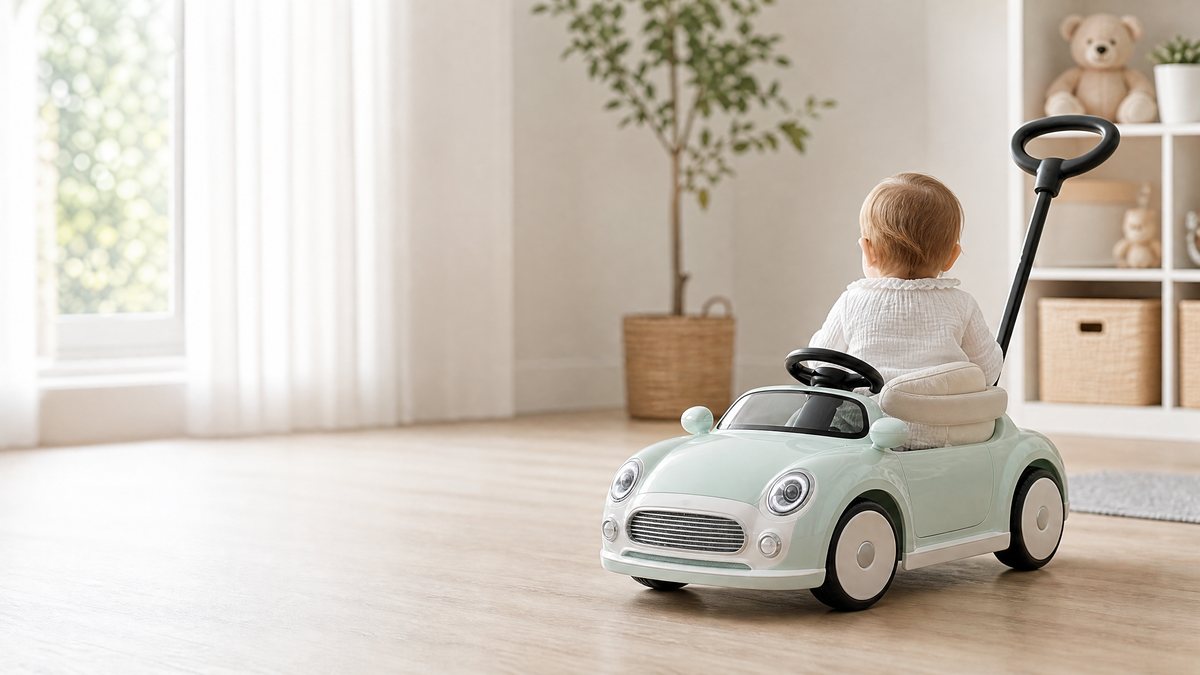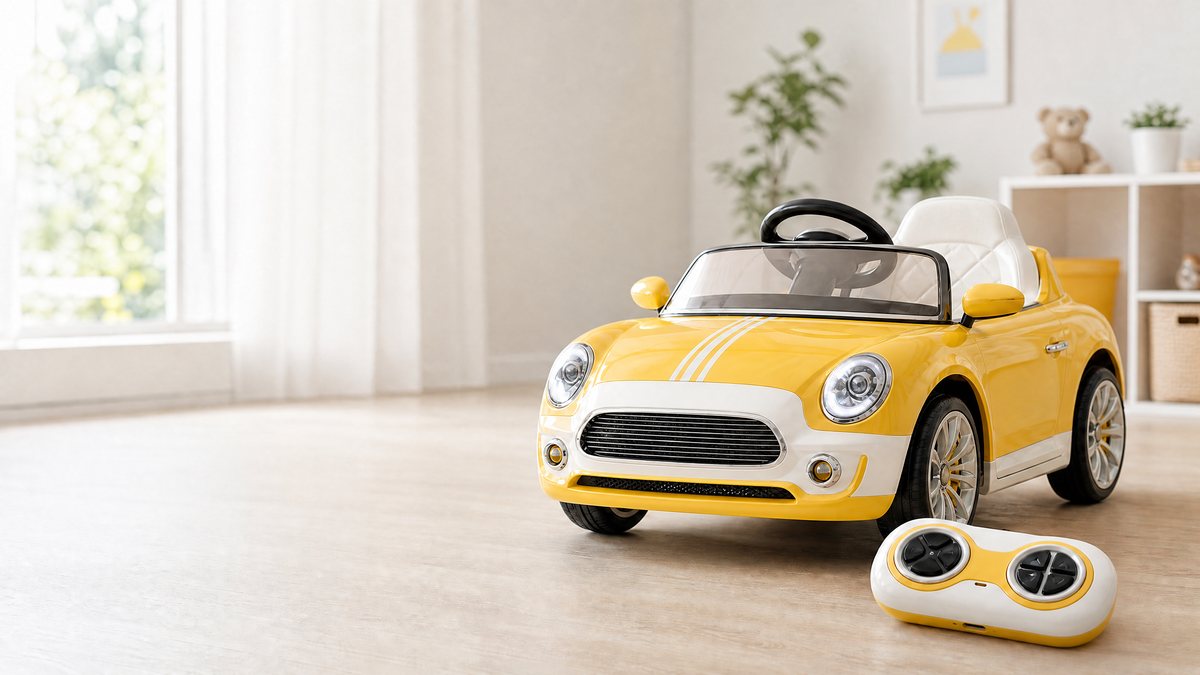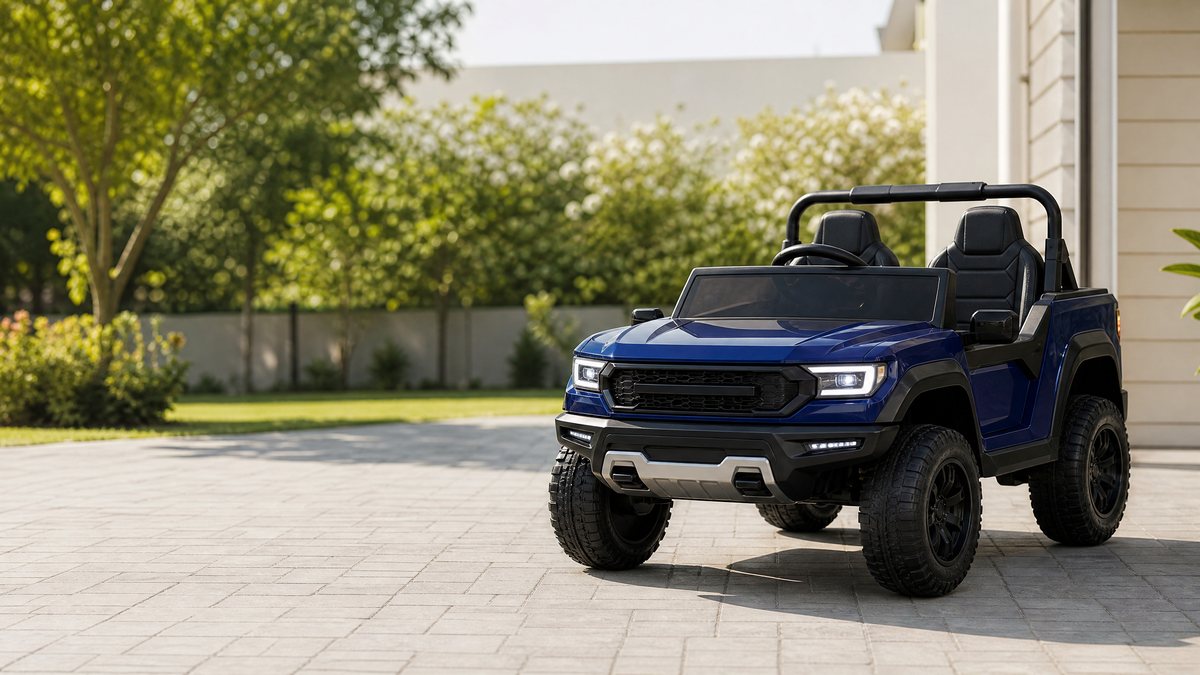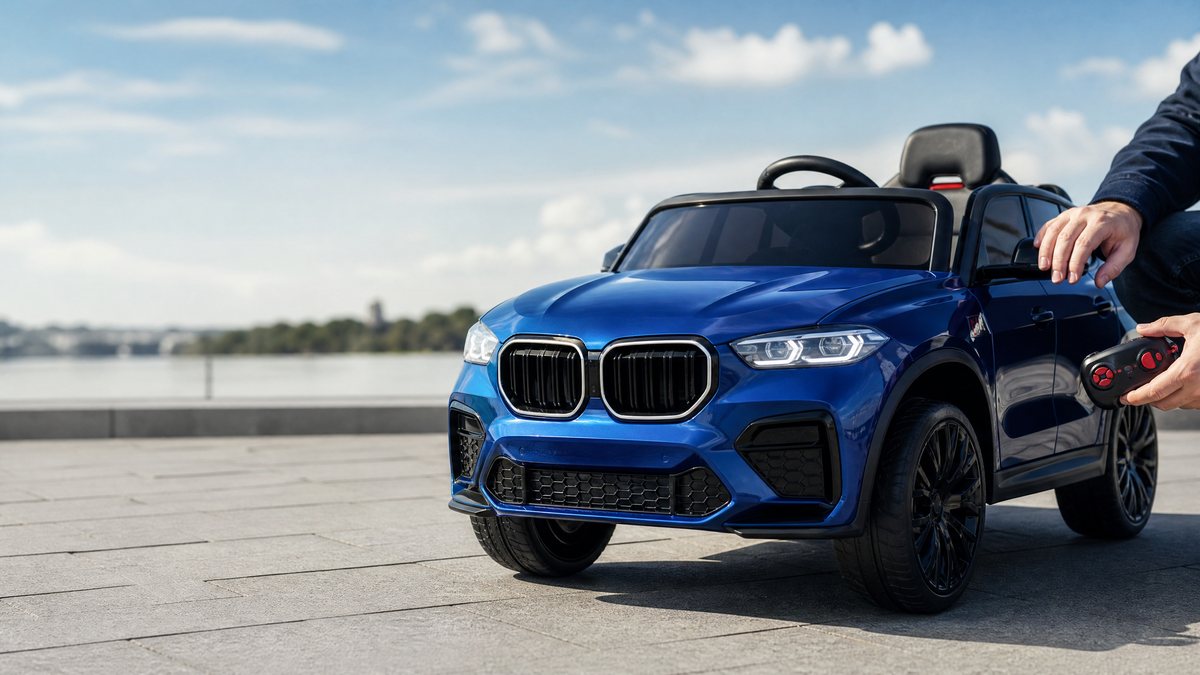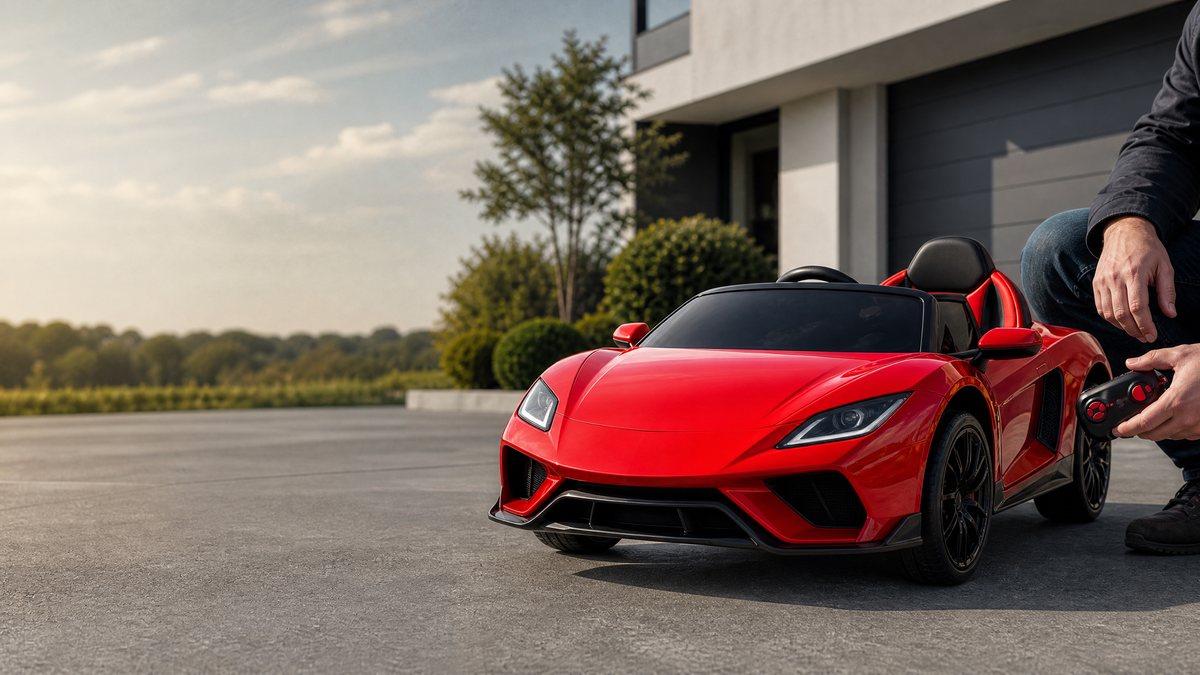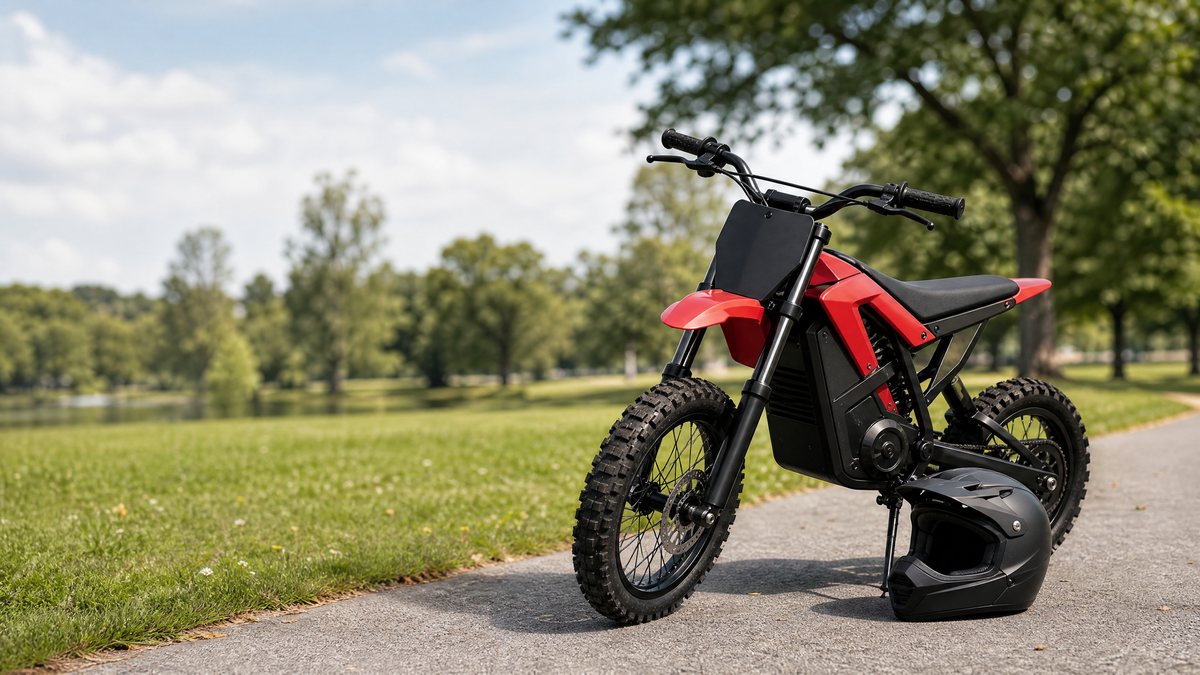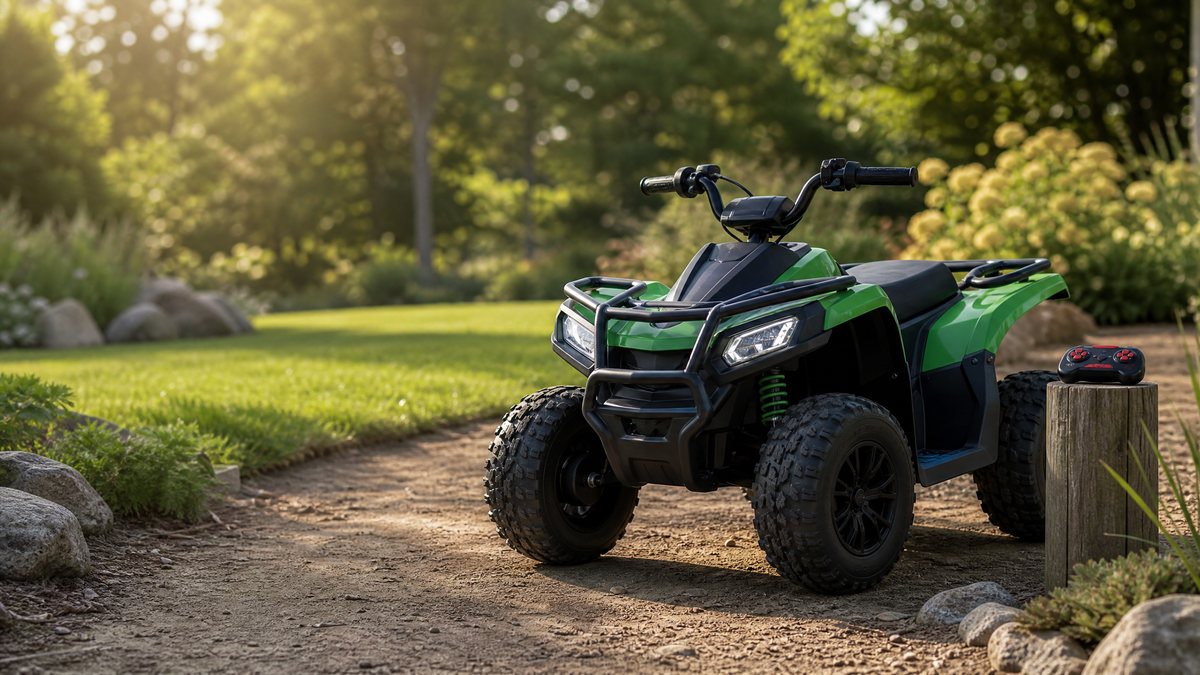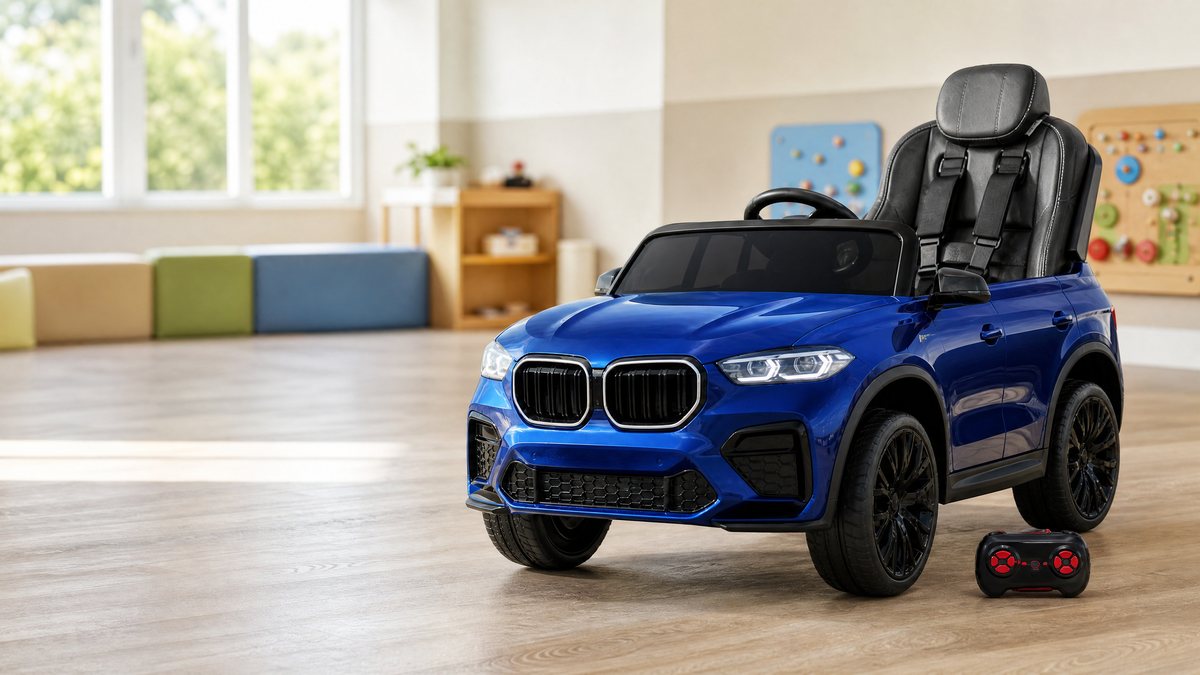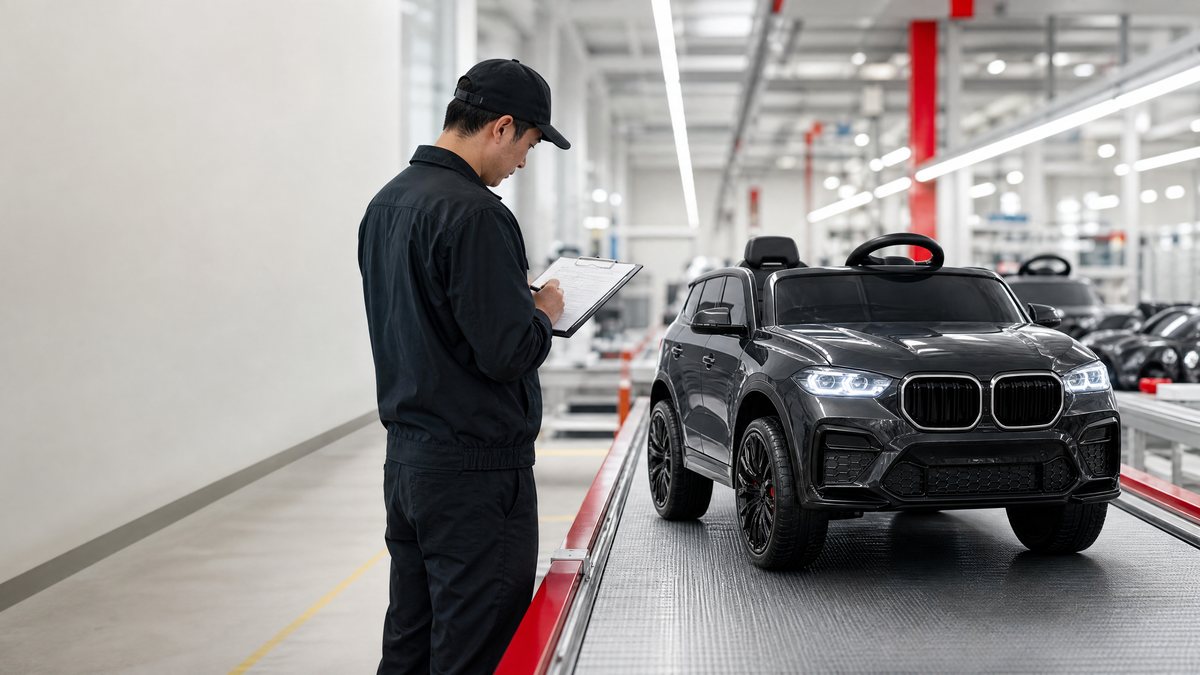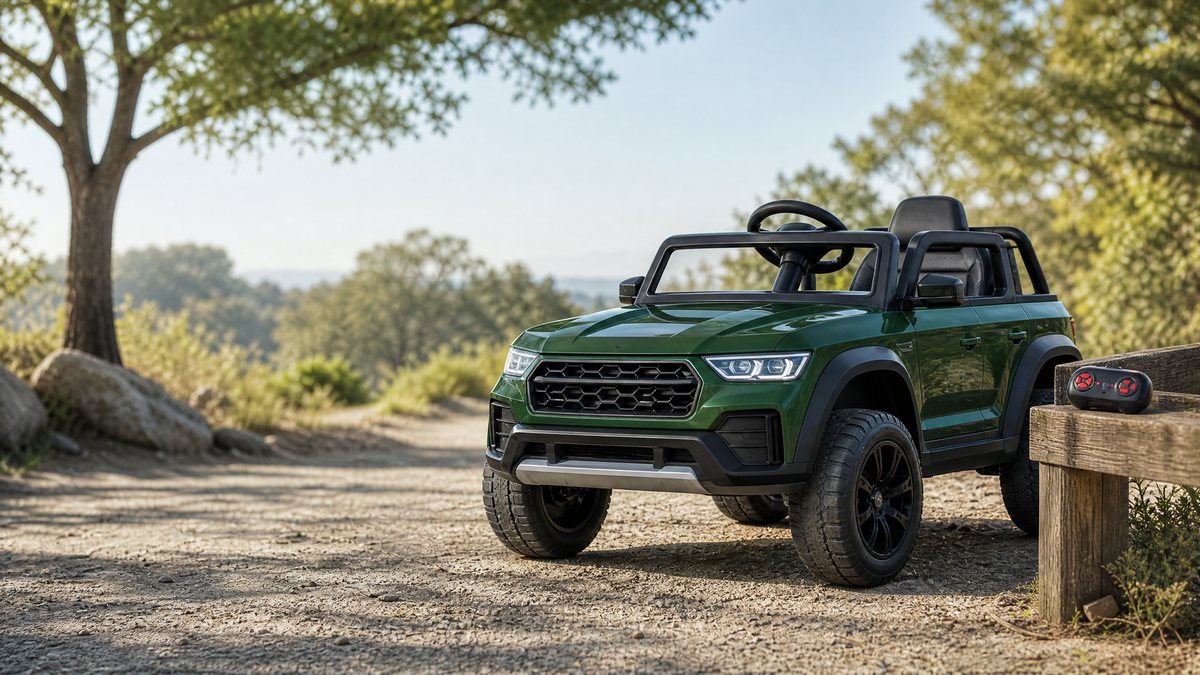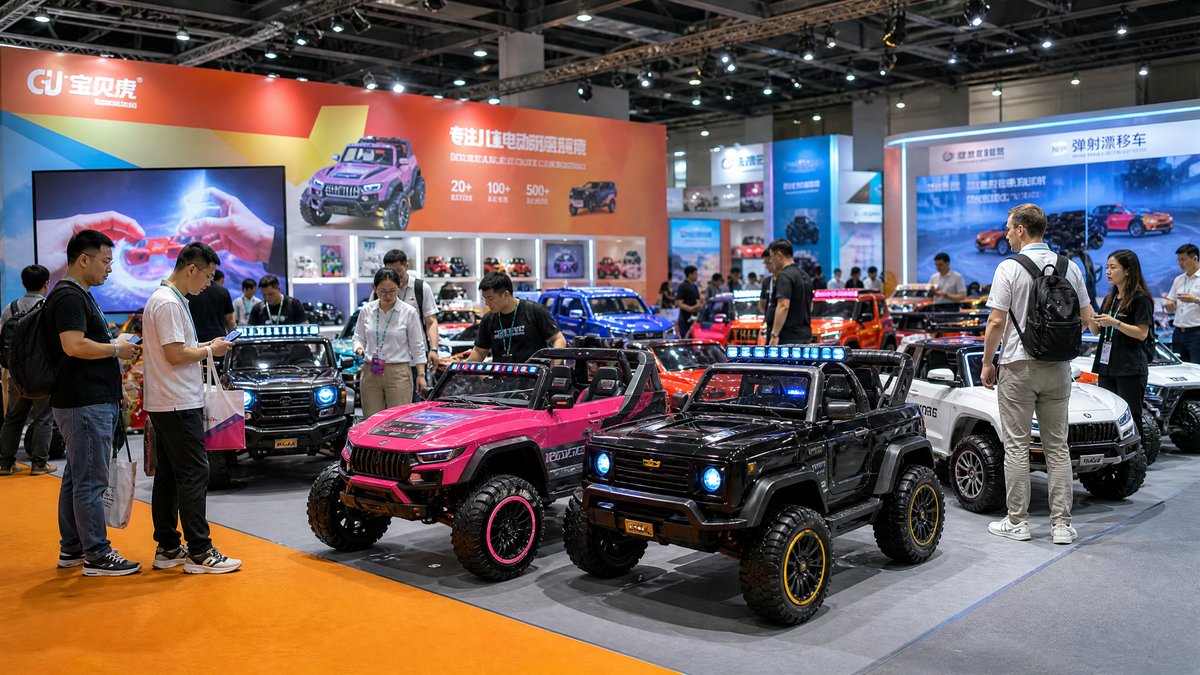
The concept of the modern playdate has evolved significantly over the past decade. No longer confined to static board games or passive screen-based entertainment, parents, educators, and pediatric recreational specialists increasingly prioritize active, interactive, and socially engaging play structures. Among the most dynamic tools in the modern playroom and backyard arsenal is the motorized ride-on car. For toy distributors, retail buyers, and B2B commercial clients, understanding how electric ride-on vehicles function within group settings—such as playdates, birthday parties, and community gatherings—provides a powerful merchandising and educational narrative.
When children gather for a playdate, toys that encourage cooperation, shared imagination, and turn-taking offer immense developmental value. However, introducing motorized vehicles into a multi-child environment requires careful structuring, clear safety boundaries, and thoughtful adult supervision. This comprehensive B2B guide explores how retailers and commercial operators can position ride-on cars as central props for successful playdates, detailing safety management, developmental benefits, retail merchandising strategies, and operational best practices for wholesale clients.
The Developmental and Social Value of Group Ride-On Play
Motorized ride-on cars are frequently viewed as individual luxury toys, but when deployed in controlled group settings, they become exceptional catalysts for social interaction. Unlike traditional bicycles or scooters where each child operates independently at disparate speeds, ride-on cars often feature adjustable multi-speed settings, parental remote controls, and realistic interactive dashboards that naturally invite cooperative play.
During a playdate, children must negotiate who drives, who acts as the passenger, who manages the "pit stop" or charging station, and how to share driving time fairly. This collaborative environment supports several core developmental milestones:
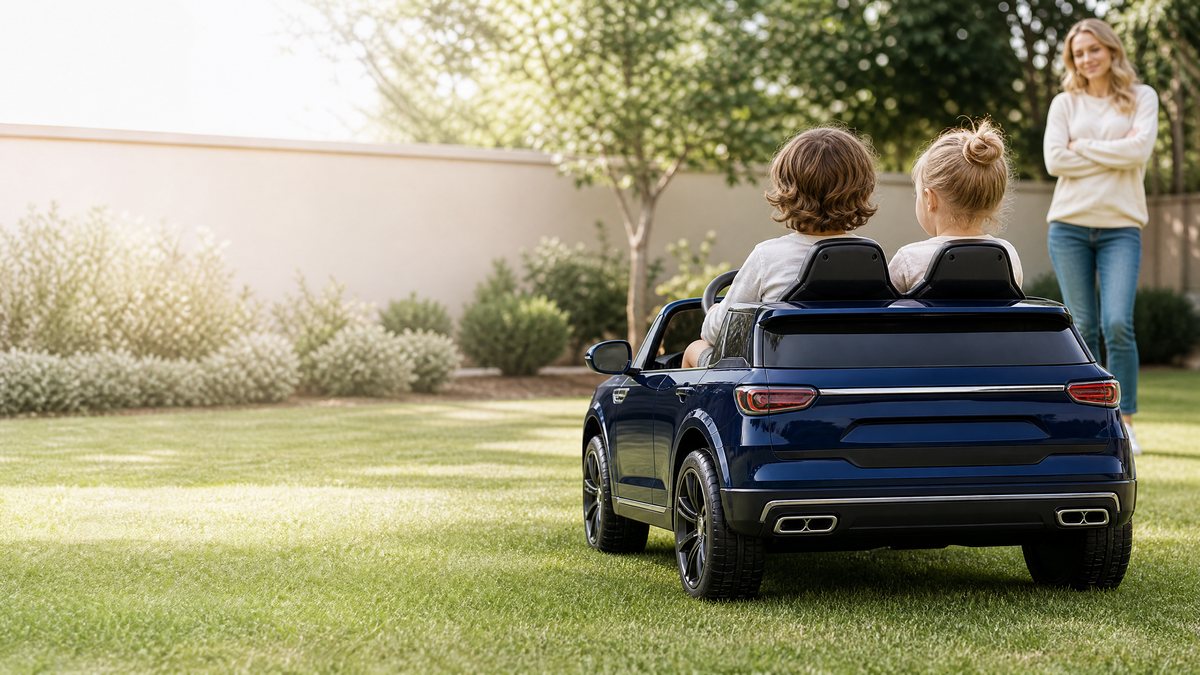
* Turn-Taking and Negotiation: Because ride-on cars are limited in seating capacity (typically accommodating one or two riders depending on the specific model's certified design), children learn patience, time-allocation, and cooperative scheduling.
* Role-Playing and Immersive Scenarios: Children naturally incorporate ride-on cars into elaborate pretend-play scenarios, such as delivery services, emergency response teams, or family road trips, fostering narrative creativity and language development.
* Spatial Awareness and Gross Motor Coordination: Navigating a vehicle around peers in a shared backyard or playroom enhances peripheral vision, spatial judgment, and reaction timing under adult supervision.
Retailers and distributors can leverage these developmental insights in their B2B product catalogs, emphasizing that high-quality ride-on cars are not merely solitary entertainment devices, but versatile social tools that enhance early childhood interaction.
| Playdate Scenario | Primary Developmental Focus | Recommended Operational Structure | Adult Supervision Requirement |
|---|---|---|---|
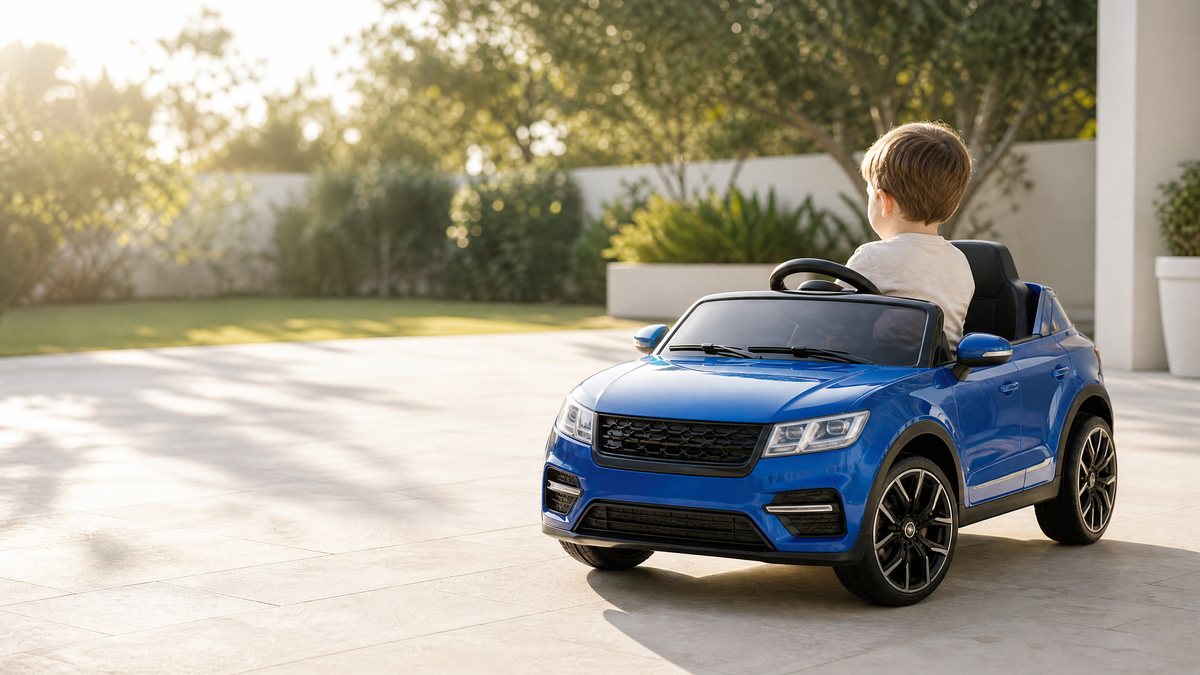
| Backyard Circuit | Gross motor skills & spatial navigation | Designated driving lanes using cones; 10-minute rotation timers | Continuous visual monitoring by designated adult |
| Role-Play Delivery | Cooperative storytelling & social sharing | Assigned roles (Driver, Dispatcher, Customer); shared accessory kits | Active facilitation and rule reinforcement |
| Obstacle Course | Problem-solving & precision control | Slow-speed maneuvering through soft markers; obstacle setup | Direct oversight, especially with multi-vehicle setups |
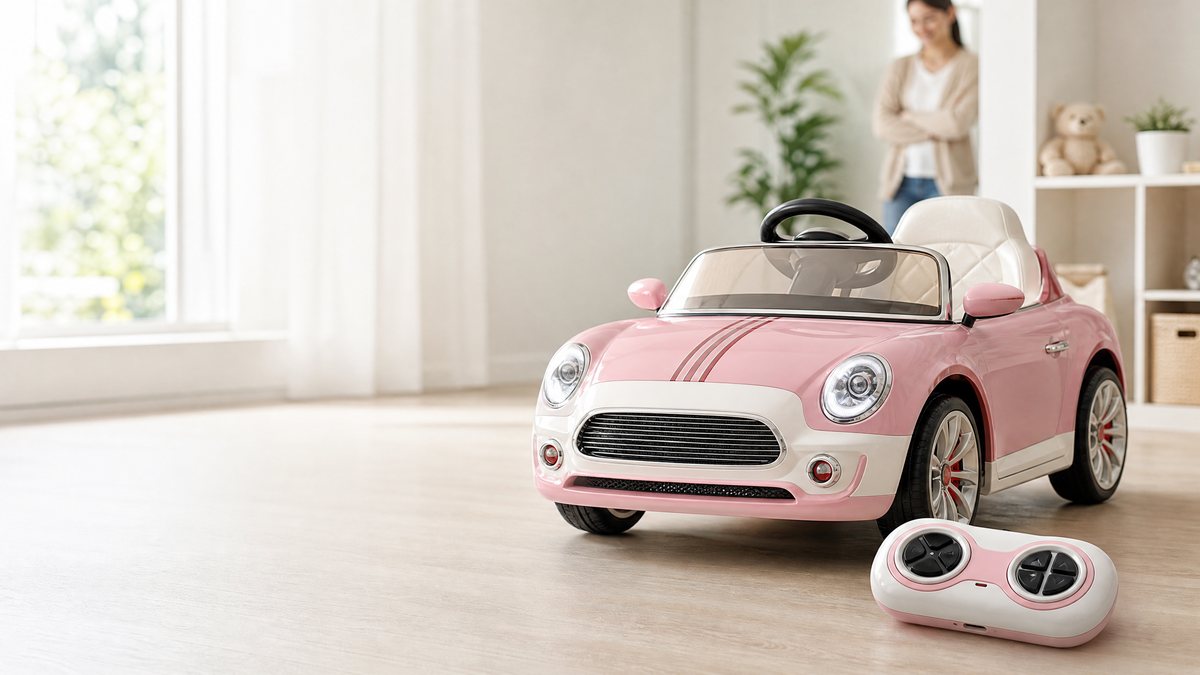
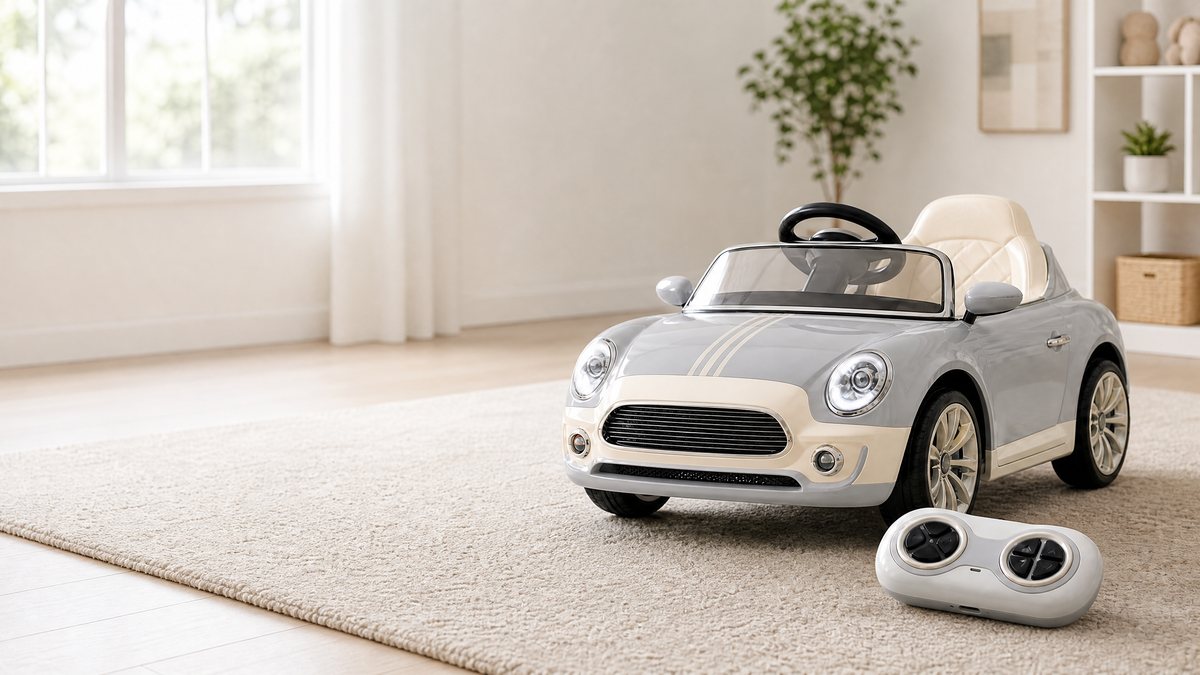
| Indoor Shared Play | Patience, turn-taking & spatial sharing | Indoor-safe soft wheels; strict low-speed mode engagement | Immediate proximity and active pacing |
Structuring Safe and Structured Playdate Environments
Introducing electric vehicles into a group setting introduces unique safety considerations that differ significantly from solitary play. B2B buyers and commercial clients must provide clear guidance to end-users on how to manage multi-child playdate environments safely and effectively.
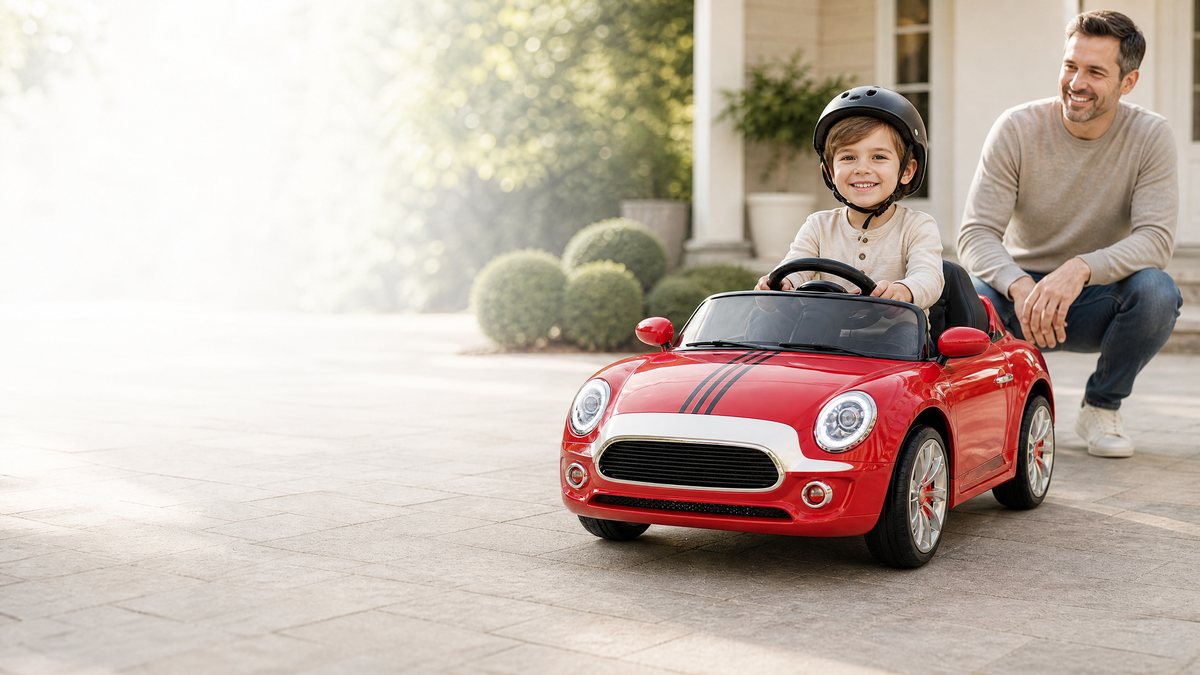
First and foremost, adult supervision is non-negotiable. According to general toy safety education principles outlined by regulatory bodies such as the Consumer Product Safety Commission (CPSC), motorized riding toys require continuous, attentive adult oversight, particularly when multiple children are present in the same play area [1]. General safety guidelines serve as educational frameworks; however, they cannot replace the specific operational instructions, weight limits, and safety warnings provided in each vehicle's official user manual.
When organizing a playdate featuring ride-on cars, hosts should establish clear operational boundaries before any vehicle is powered on:
1. Pre-Play Briefing: Gather all children before the playdate begins to review ground rules, such as maintaining a safe braking distance, yielding to pedestrians, and respecting designated driving zones.
2. Speed Setting Management: For models equipped with adjustable speed switches or parental remote override capabilities, supervising adults should lock vehicles into their lowest speed setting during group playdates to minimize sudden acceleration risks.
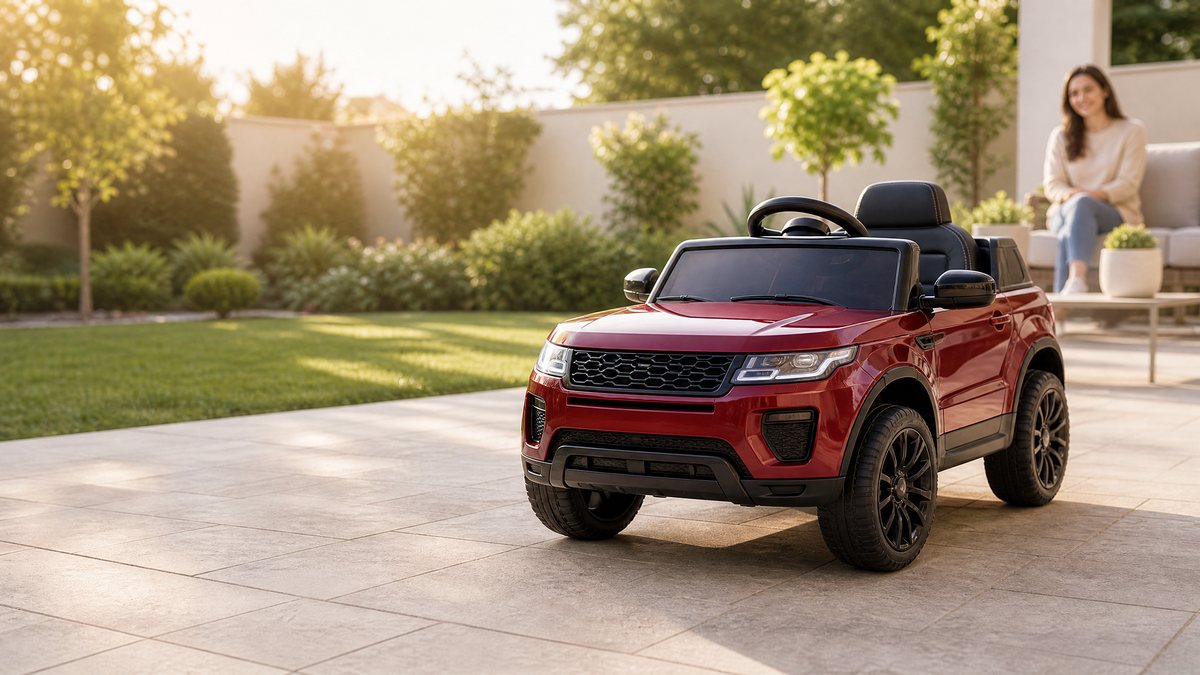
3. Designated Play Zones: Clearly delineate driving boundaries using soft cones, chalk lines, or natural yard borders. Keep driving areas strictly separated from swimming pools, staircases, public roadways, and steep inclines.
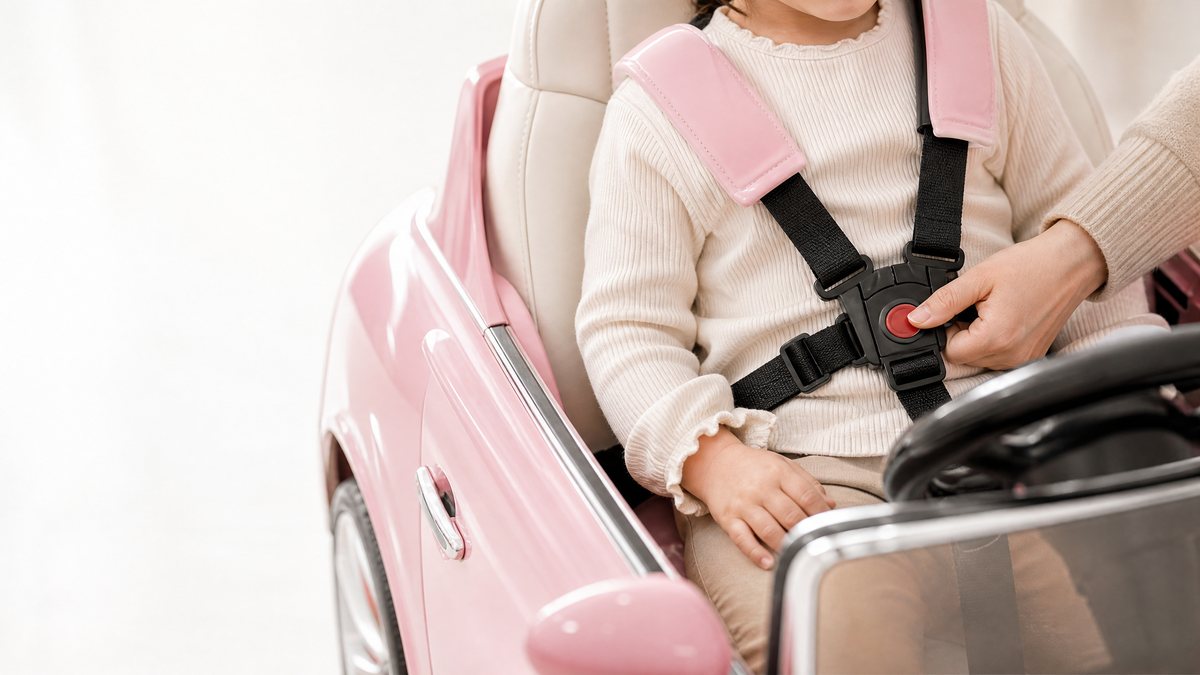
4. Protective Gear Protocols: Ensure all participating children wear properly fitted helmets and appropriate footwear. Never allow loose clothing, long scarves, or unsecured shoelaces that could catch in moving wheels or steering mechanisms.
For wholesale buyers and specialty toy retailers, packaging these safety guidelines into digital inserts or point-of-sale display cards adds substantial value to the customer experience and reinforces responsible brand stewardship.
Request a wholesale quote
Retail Merchandising and B2B Marketing Strategies for Group Play
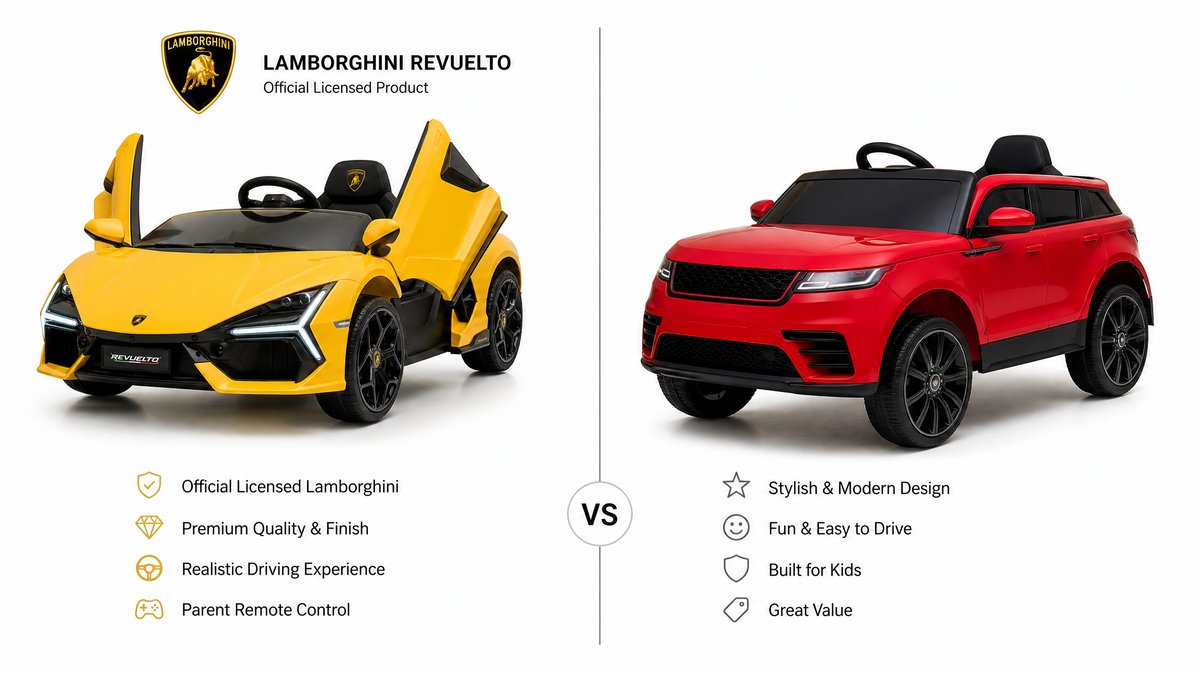
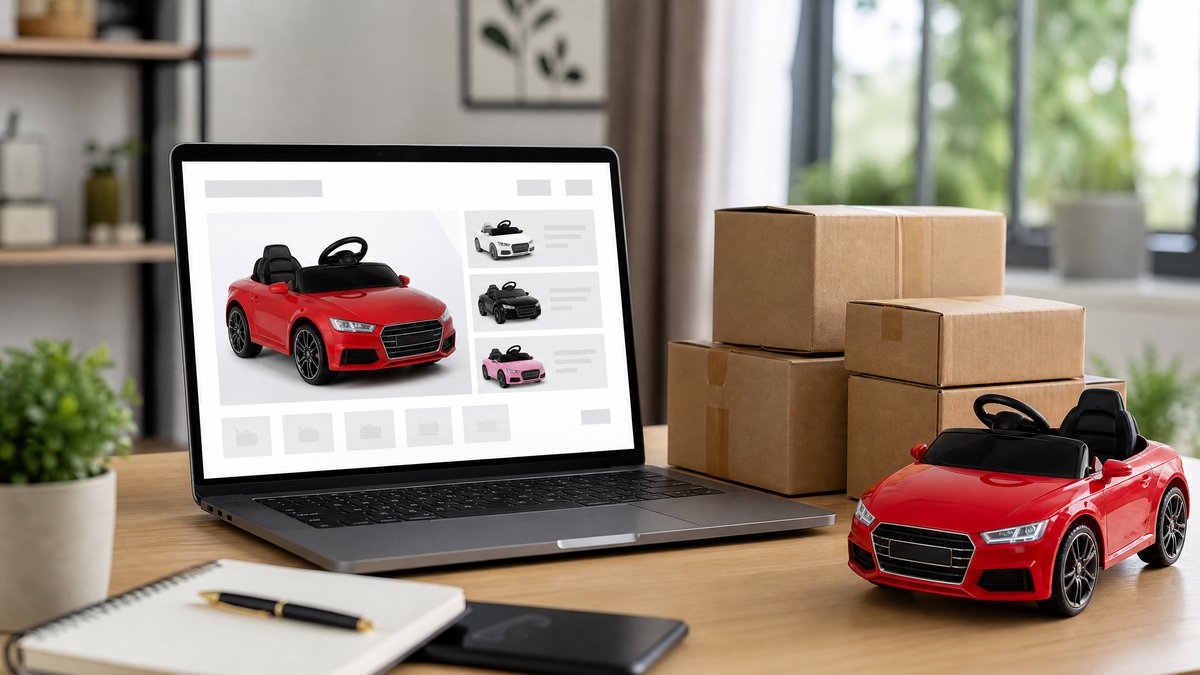
For B2B distributors, B2C e-commerce platforms, and specialty brick-and-mortar toy stores, positioning ride-on cars as "playdate-ready" presents a lucrative merchandising angle. Traditional toy marketing often focuses on solo luxury appeal—highlighting parental remote controls or realistic leather seats for an individual child. However, framing products around social utility opens up new demographic segments and increases average order values through bundled accessory packages.
Retailers can implement several strategic merchandising approaches to capitalize on the group-play trend:
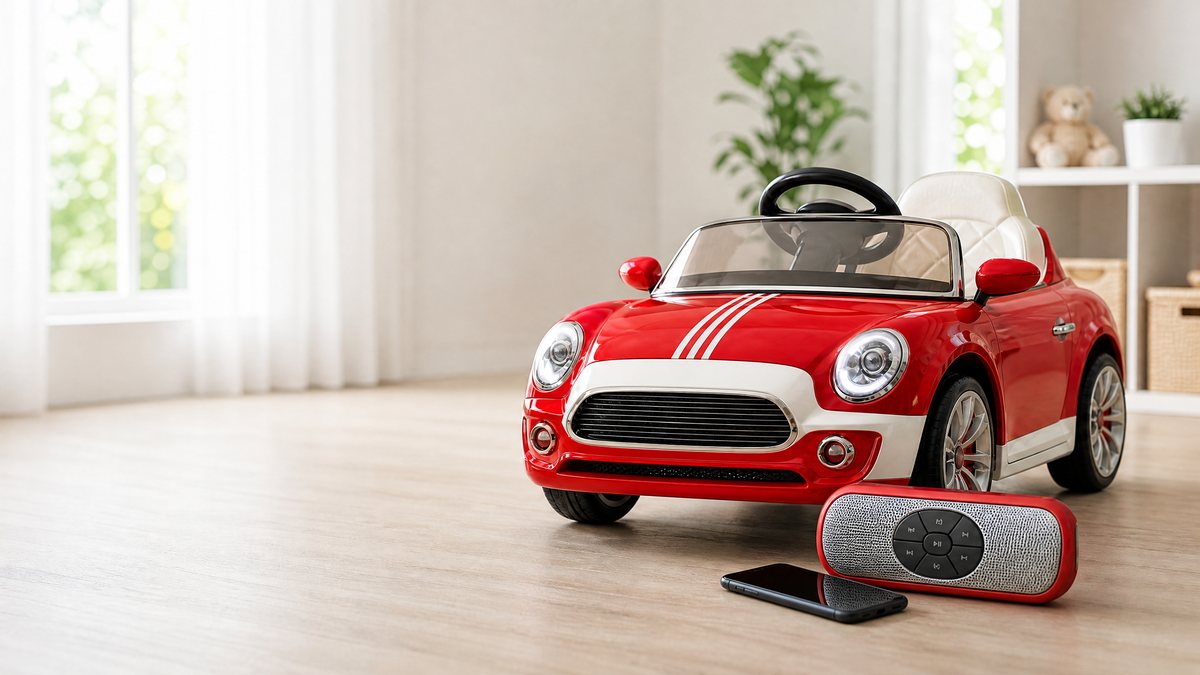
* Playdate Bundling Packages: Create curated bundles that include one primary ride-on car, a set of collapsible safety cones, high-visibility reflective vests for controllers, and a portable Bluetooth speaker for synchronized music play, appealing directly to party planners and multi-child families.
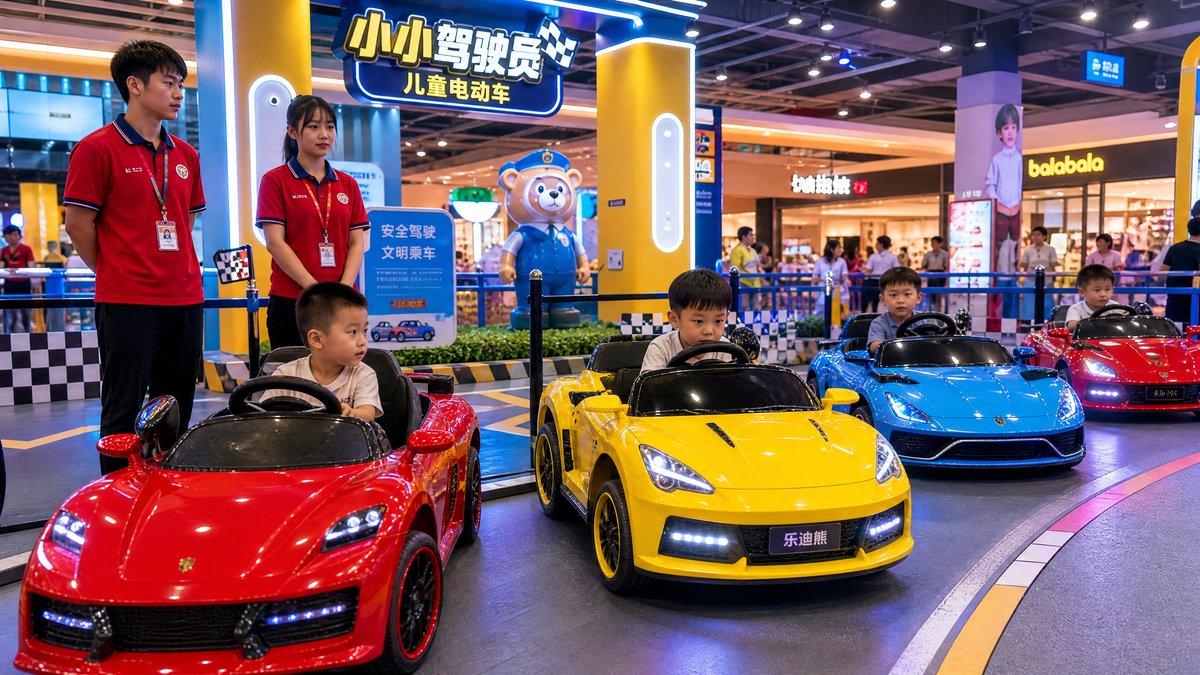
* In-Store Demonstration Zones: For brick-and-mortar storefronts, establish safe, carpeted test tracks where families can experience slow-speed handling and observe how multiple children interact with the vehicle's dual-drive capabilities and interactive dashboard features.
* Content-Driven Marketing: Publish blog posts, unboxing videos, and social media guides detailing how to host a successful "Neighborhood Ride-On Grand Prix" or backyard obstacle course party, complete with downloadable rule sheets and safety checklists.
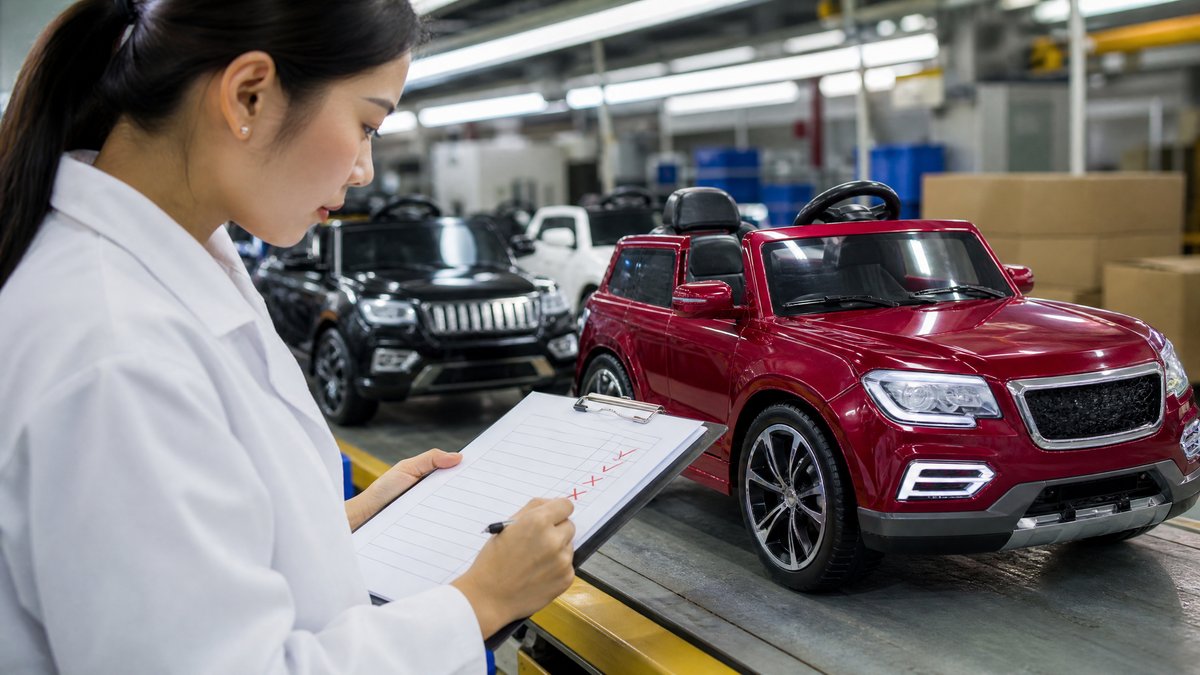
Furthermore, commercial clients such as family entertainment centers, indoor playground operators, and event rental companies require robust commercial-grade guidance. These operators must evaluate vehicles based on battery lifecycle, ease of sanitation (wipeable synthetic leather seats and durable ABS plastic bodies), and swift charger interchangeability to maintain high uptime during back-to-back party bookings.
Technical Considerations: Evaluating Features for Multi-Child Use
When ride-on cars are deployed in group playdates, certain vehicle features transition from nice-to-have luxuries to essential operational requirements. B2B buyers advising commercial venues or stocking inventory for high-engagement households should evaluate specific technical specifications carefully.
* Soft-Start Acceleration Technology: In a group playdate, sudden jerky starts can startle nearby children or cause collisions. Vehicles equipped with electronic soft-start mechanisms ensure smooth, gradual acceleration, significantly enhancing safety and control in crowded environments.
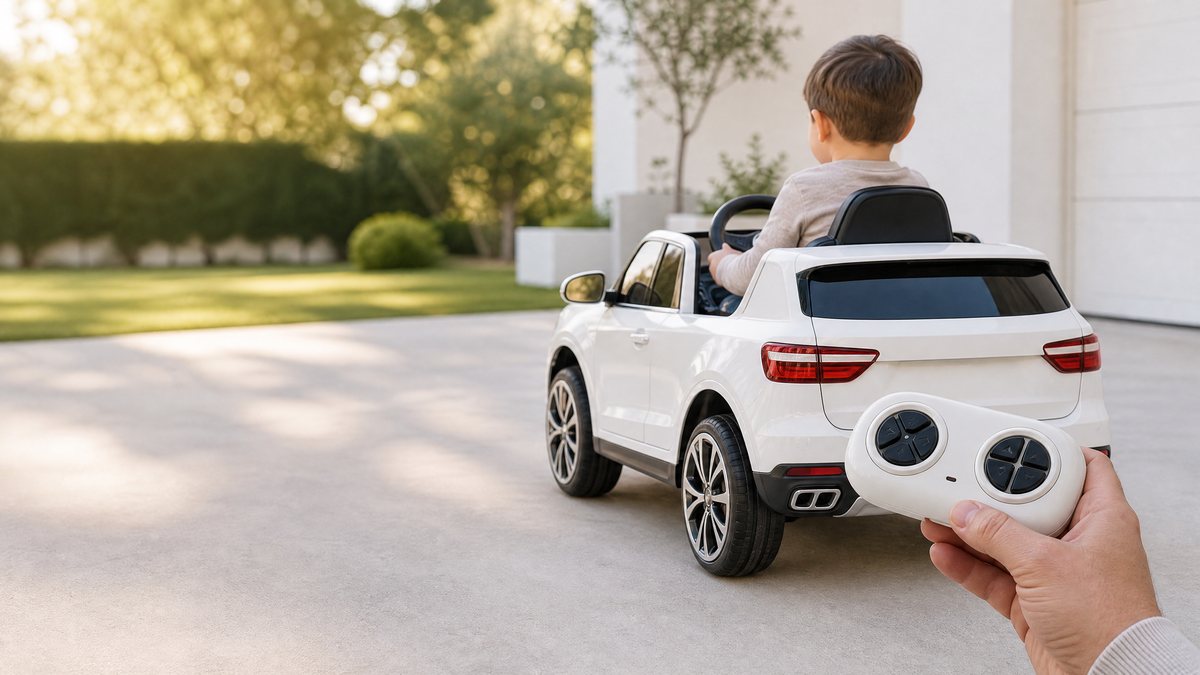
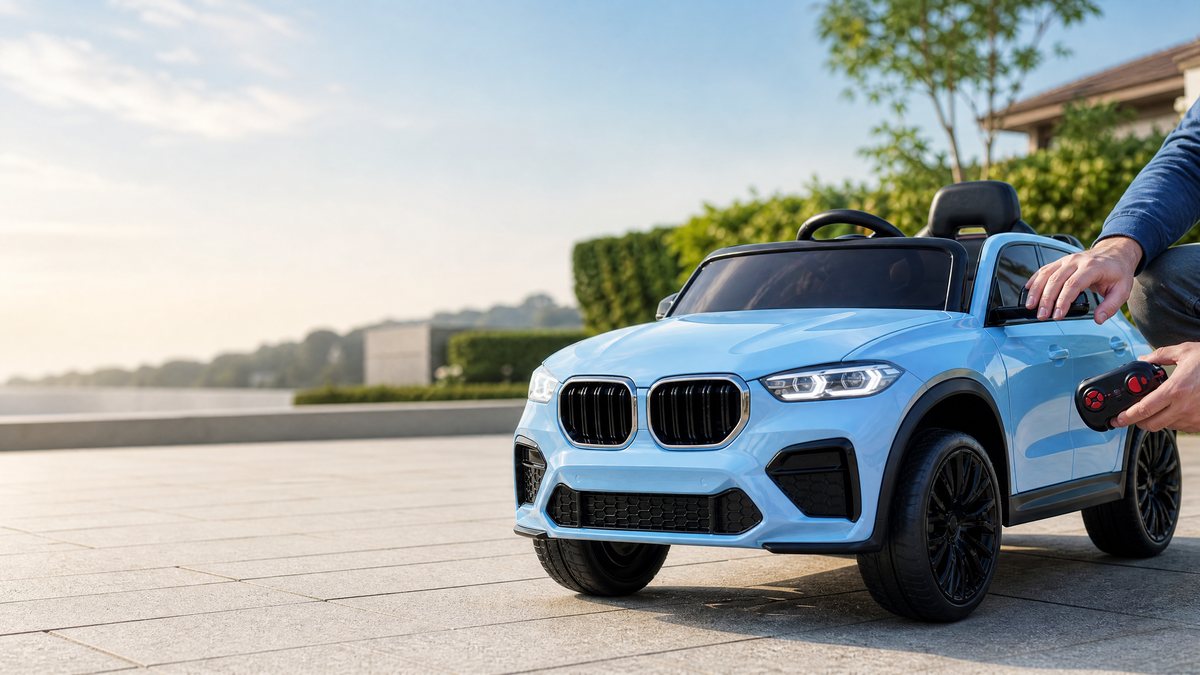
* Parental Override Remote Control: Even during supervised playdates, situations may arise where a child loses control or approaches a restricted boundary. A reliable 2.4G parental remote control with an immediate emergency stop function allows supervising adults to intervene instantly.
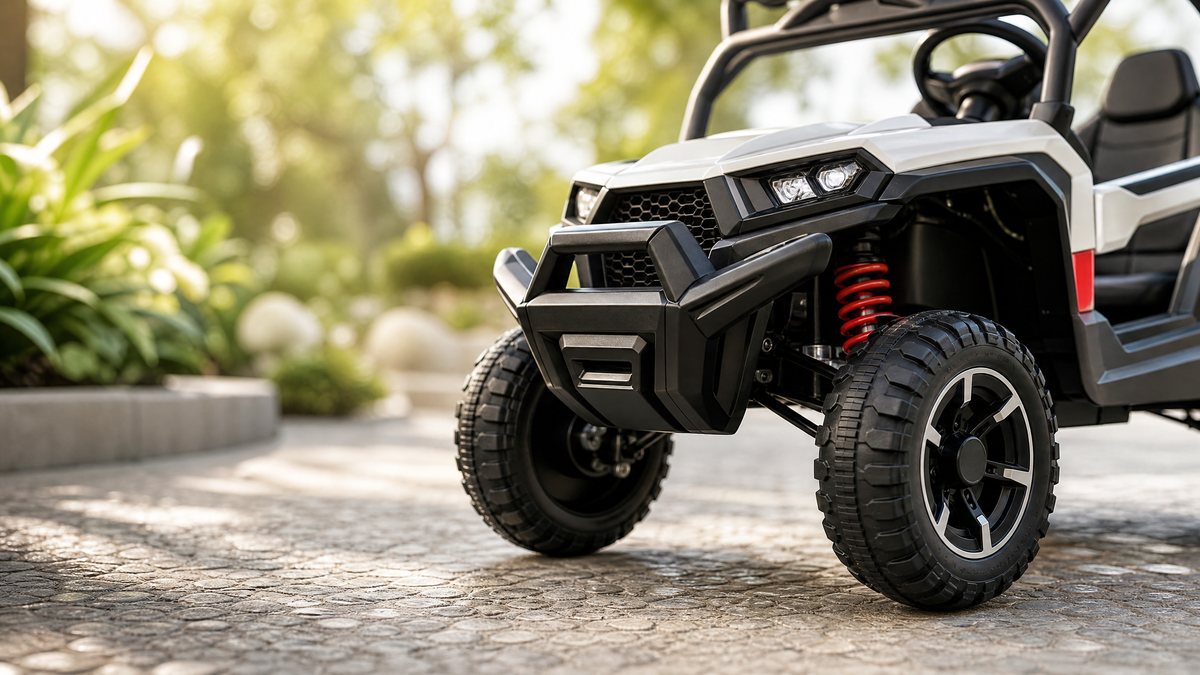
* Durable EVA Foam Tires and Suspension: Group play often involves varied outdoor terrain, from grass to paved driveways. EVA (Ethylene-Vinyl Acetate) foam tires provide superior traction, puncture resistance, and quiet operation compared to rigid plastic wheels, reducing wear and tear during intensive group sessions.
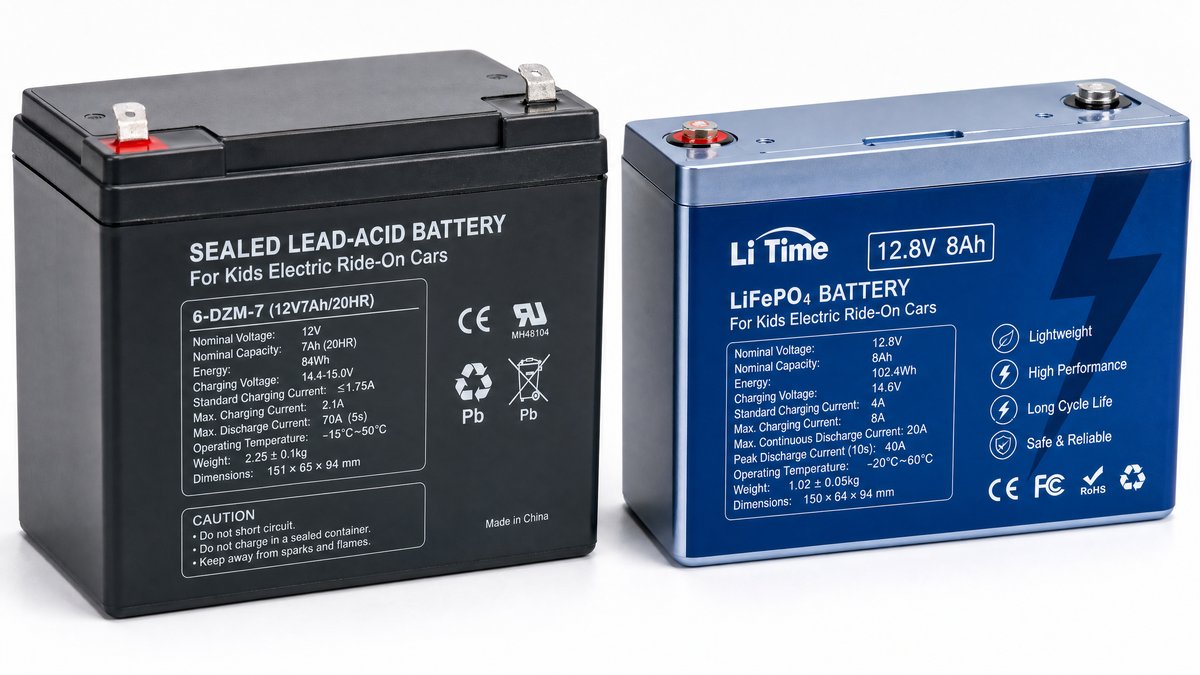
* Battery Capacity and Charging Accessibility: Playdates often last several hours. Vehicles should feature easily accessible charging ports or swappable battery compartments, allowing operators or parents to replenish power without dismantling the internal chassis or wiring harness.
*Note on Vehicle Specifications:* B2B clients must remind retail customers and commercial operators that feature availability varies by specific model configuration. Retailers should always reference the manufacturer's official documentation and certified data sheets rather than assuming universal feature inclusion across all price tiers.
Troubleshooting and Maintenance Post-Playdate
Intensive group playdates can place higher physical and electrical demands on ride-on cars than standard solitary use. Dust, grass clippings, moisture, and frequent switching between forward and reverse gears require proactive post-play maintenance routines. B2B suppliers should provide clear maintenance protocols to retail partners to ensure product longevity and customer satisfaction.
If a vehicle experiences performance degradation, unusual mechanical resistance, or electrical unresponsiveness after a busy playdate, operators must adhere to strict diagnostic and safety boundaries:
* Immediate Cessation of Use: If any unusual burning odor, smoke, excessive motor heat, liquid ingress, frayed wiring, damaged charging plug, or erratic braking behavior is detected, supervising adults must immediately turn off the vehicle, remove all children from the vicinity, and disconnect the power source.
* Battery and Electrical Safety: Under no circumstances should end-users attempt to dismantle internal outer casings, touch exposed battery terminals, measure electrical voltages with multimeters, bypass internal circuit breakers, or modify original wiring harnesses, motors, or batteries. All electrical repairs must be handled exclusively by qualified service technicians authorized by the manufacturer.
* Routine Post-Play Inspection: Clean exterior ABS plastic bodies using a damp cloth and mild soap. Inspect wheel axles and steering linkages for tangled debris such as hair or grass fibers. Verify that all exterior screws and latch mechanisms remain secure.
By establishing rigorous post-play inspection habits, retail customers protect their investment and ensure that subsequent playdates remain safe, enjoyable, and trouble-free.
Conclusion
Ride-on cars offer extraordinary potential to elevate ordinary playdates into structured, memorable, and socially enriching experiences. By combining cooperative play scenarios, clear adult supervision, structured safety boundaries, and proactive vehicle maintenance, parents and commercial operators can maximize both fun and safety. For B2B distributors, toy retailers, and commercial venue operators, incorporating group-play guidelines and robust safety education into product offerings strengthens brand trust and drives sustainable commercial growth.
To explore our complete catalog of certified, high-quality ride-on vehicles designed for diverse retail and commercial applications, reach out to our wholesale team today.
Request a wholesale quote
Frequently Asked Questions (FAQ)
1. Can ride-on cars safely accommodate two children during a playdate?
Vehicle capacity depends entirely on the certified design and weight rating specified in the individual model's instruction manual. While some larger two-seater models are engineered to carry two children simultaneously within strict combined weight limits, single-seater models must never be overloaded with multiple riders. Always consult the manufacturer's rating plate and user manual before permitting shared seating.
2. How can supervising adults manage children taking turns with a single ride-on car?
Structured turn-taking works best when adults establish clear time intervals (e.g., 10-minute driving shifts) using a visible timer or a fun role-playing system (such as assigning waiting children as pit crew members or traffic controllers). This keeps all participants engaged and prevents frustration or impatience during group play.
3. What safety precautions are essential when operating ride-on cars outdoors during a group playdate?
Outdoor group play requires establishing clear perimeter boundaries away from public roads, swimming pools, slopes, and water features. Supervising adults must maintain continuous visual oversight, ensure all children wear proper helmets and footwear, and utilize parental remote controls or low-speed settings to manage vehicle velocity in dynamic outdoor environments.
4. What should be done if a ride-on car stops working or shows electrical irregularities after a busy playdate?
If a vehicle malfunctions, exhibits unusual motor heat, smoke, strange odors, or damaged wiring, supervising adults must immediately power off the vehicle, move children away, and cease use. Users must never attempt unauthorized internal disassembly or electrical modifications. Contact the manufacturer or a qualified repair technician immediately for authorized inspection and service.
Official References
1. Consumer Product Safety Commission (CPSC): General toy safety education guidelines and motorized ride-on toy oversight frameworks. CPSC safety literature emphasizes that general educational standards serve as informational aids and do not substitute for model-specific operating manuals, certified weight limits, or manufacturer safety instructions.
2. ASTM International: Standard Consumer Safety Specification for Toy Safety (ASTM F963), outlining structural integrity, electrical safety, and mechanical performance requirements for children's riding toys.
3. European Committee for Standardization (CEN): Safety of toys standards (EN 71 series) regarding electrical properties, mechanical hazards, and chemical restrictions in motorized children's vehicles.
Official references
Explore these external resources for current regulatory and trade guidance. Confirm requirements with the relevant authority before placing an order.
Ready to Start?
Factory-Direct · CE & ASTM Certified · MOQ from 50 Units
Our export team works with buyers in 60+ countries. Get a quote within 24 hours.
KR
Written by KidsRideCar
China's leading kids electric ride-on car manufacturer. 500,000+ units shipped annually to 60+ countries. CE, ASTM & EN71 certified.