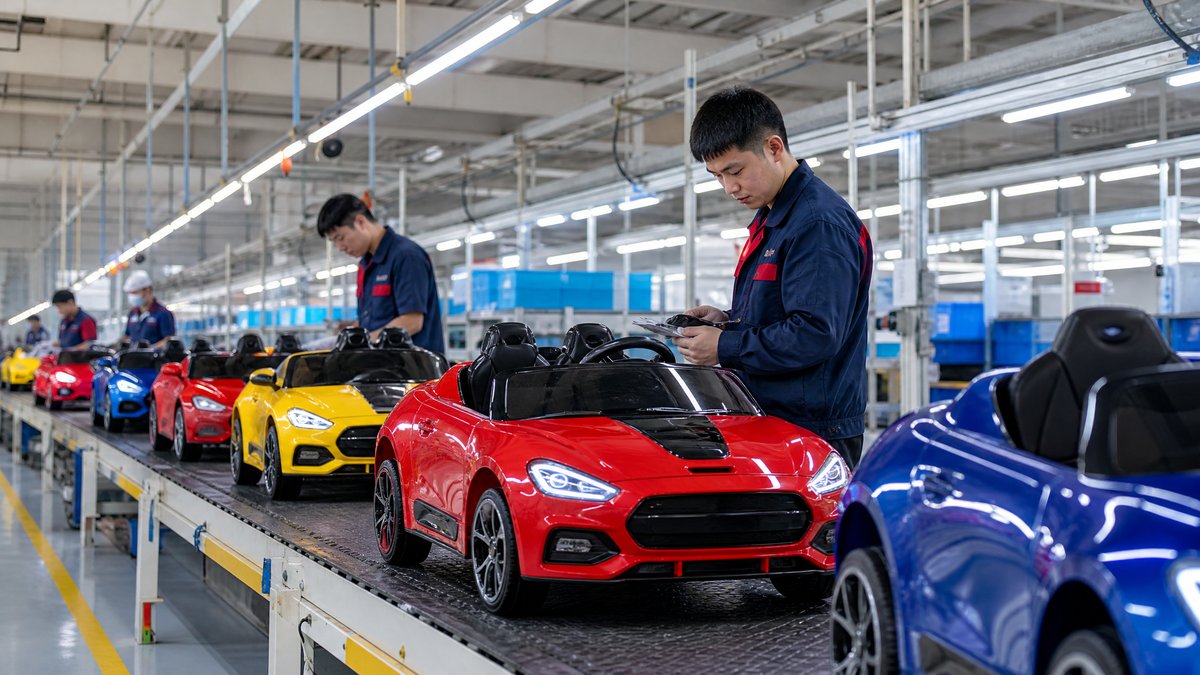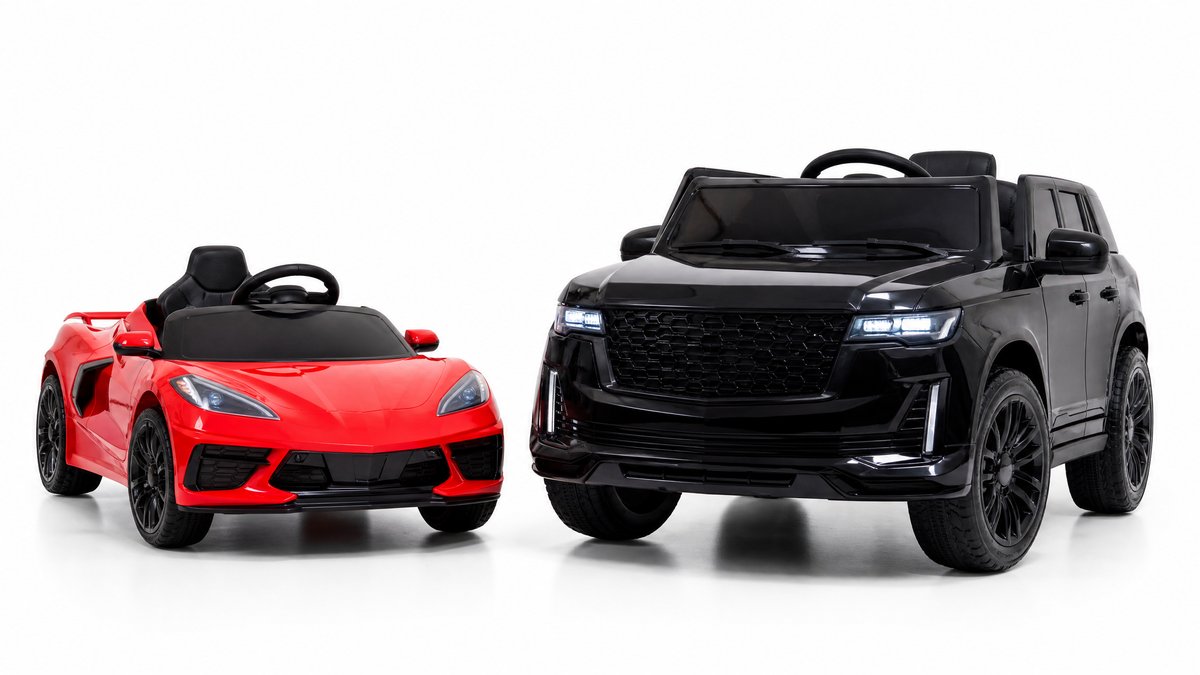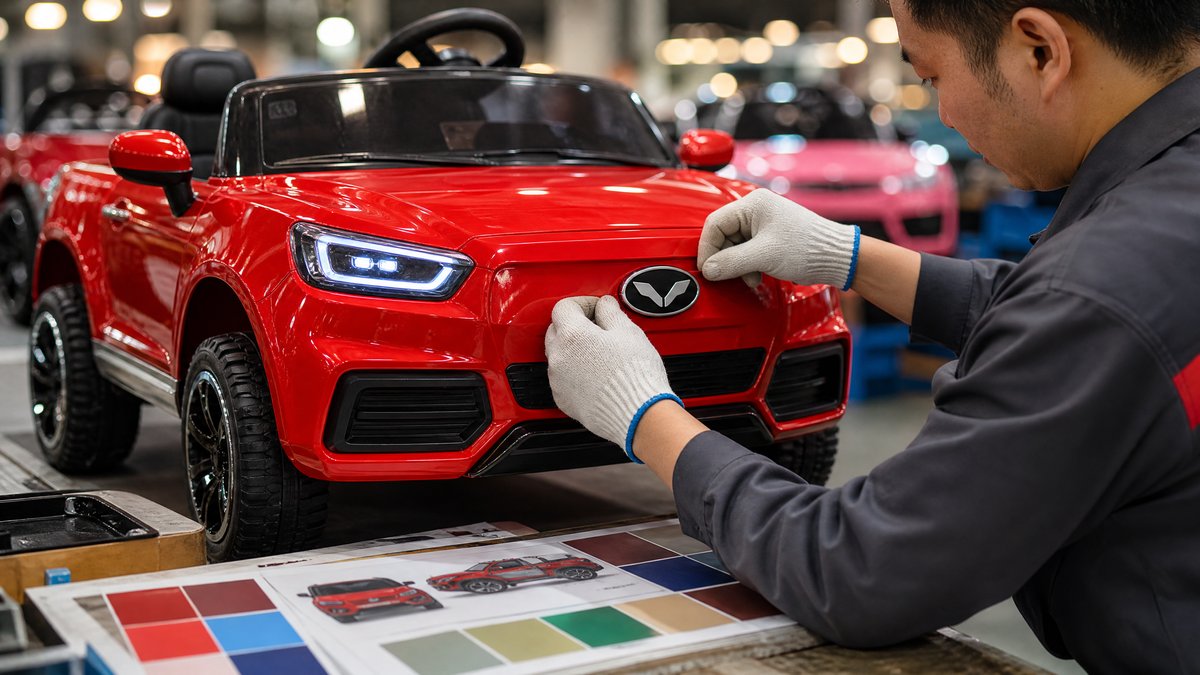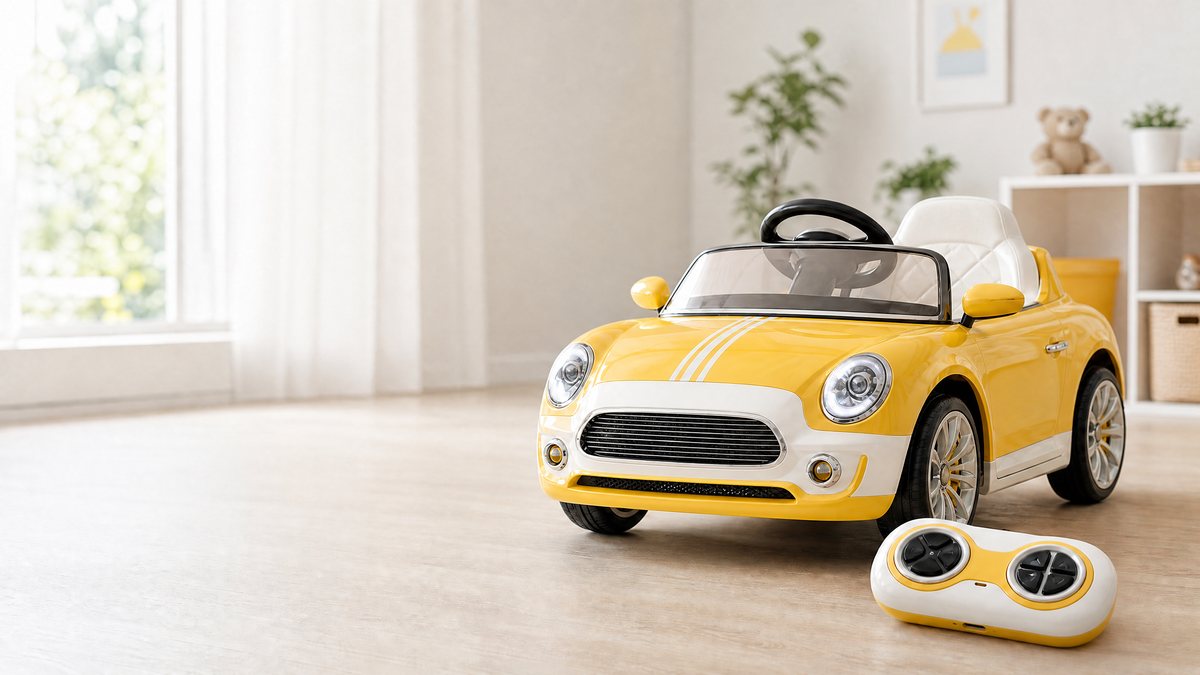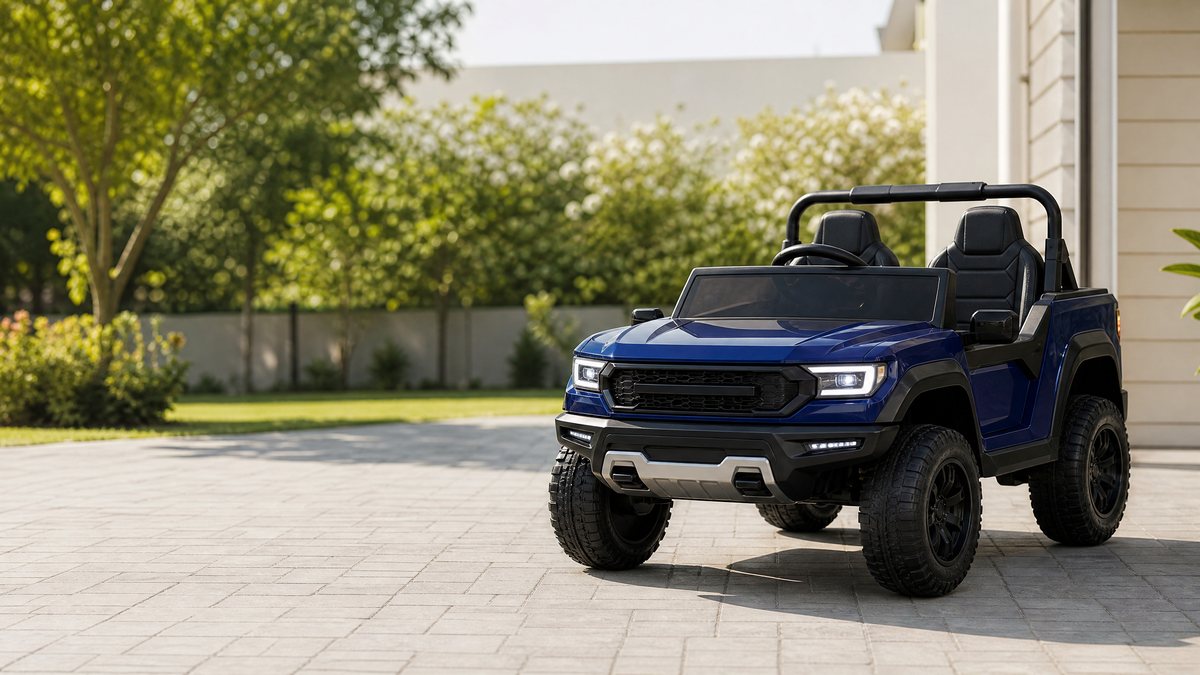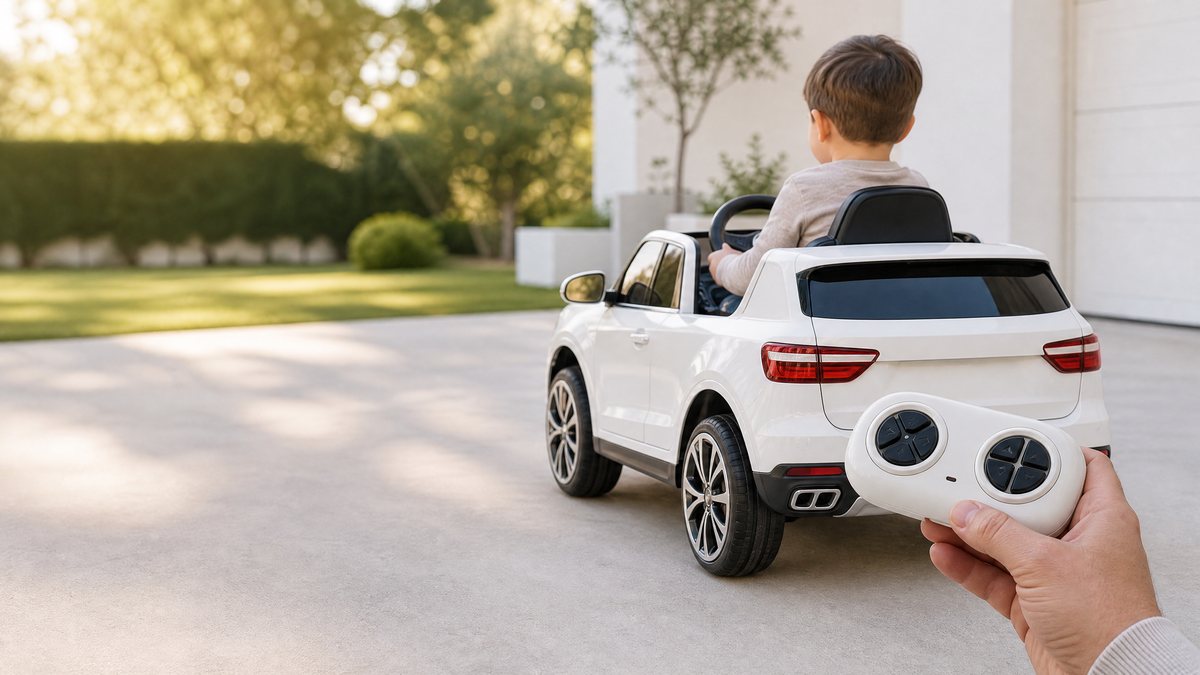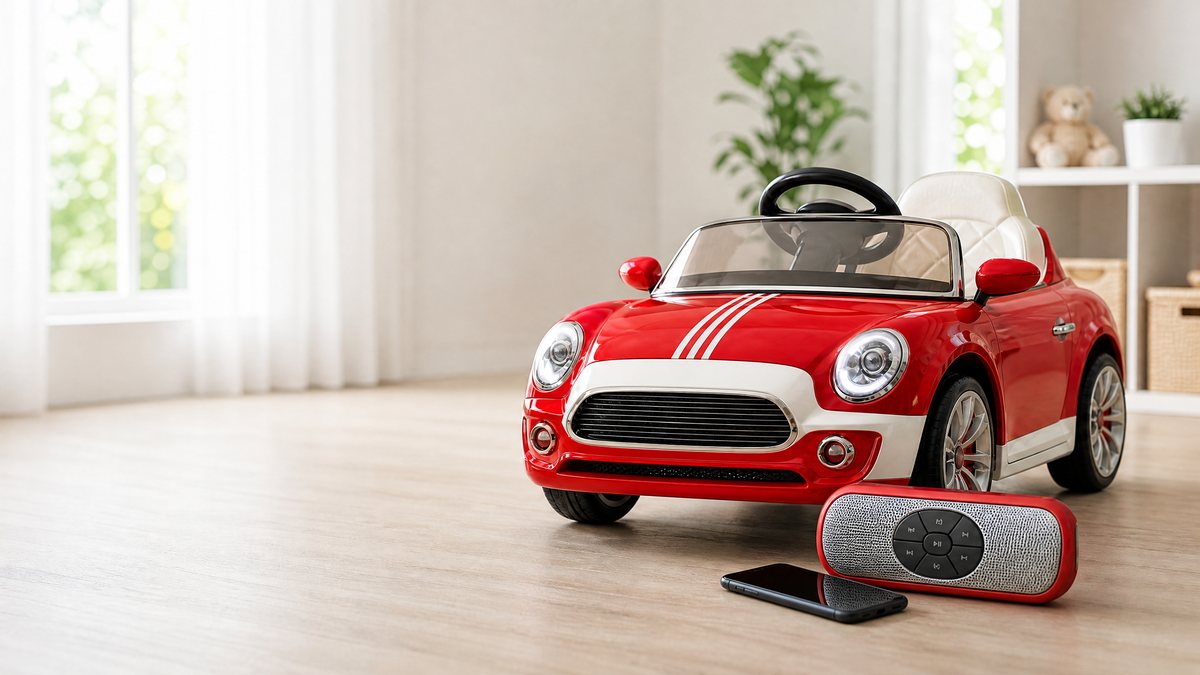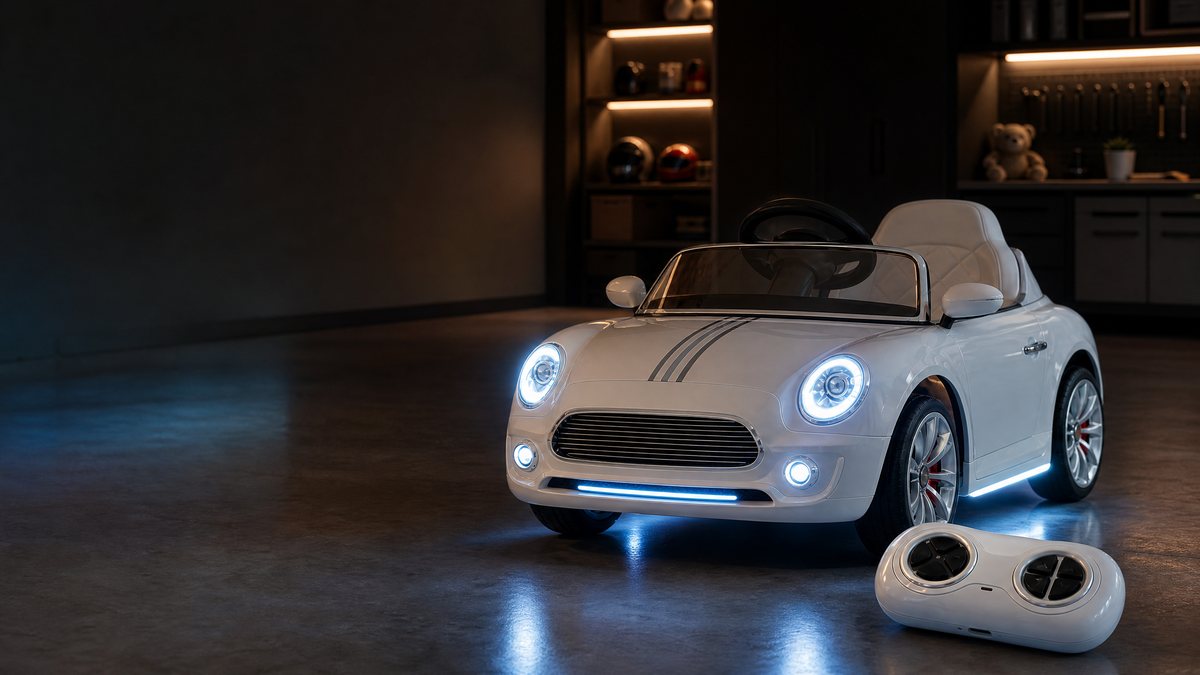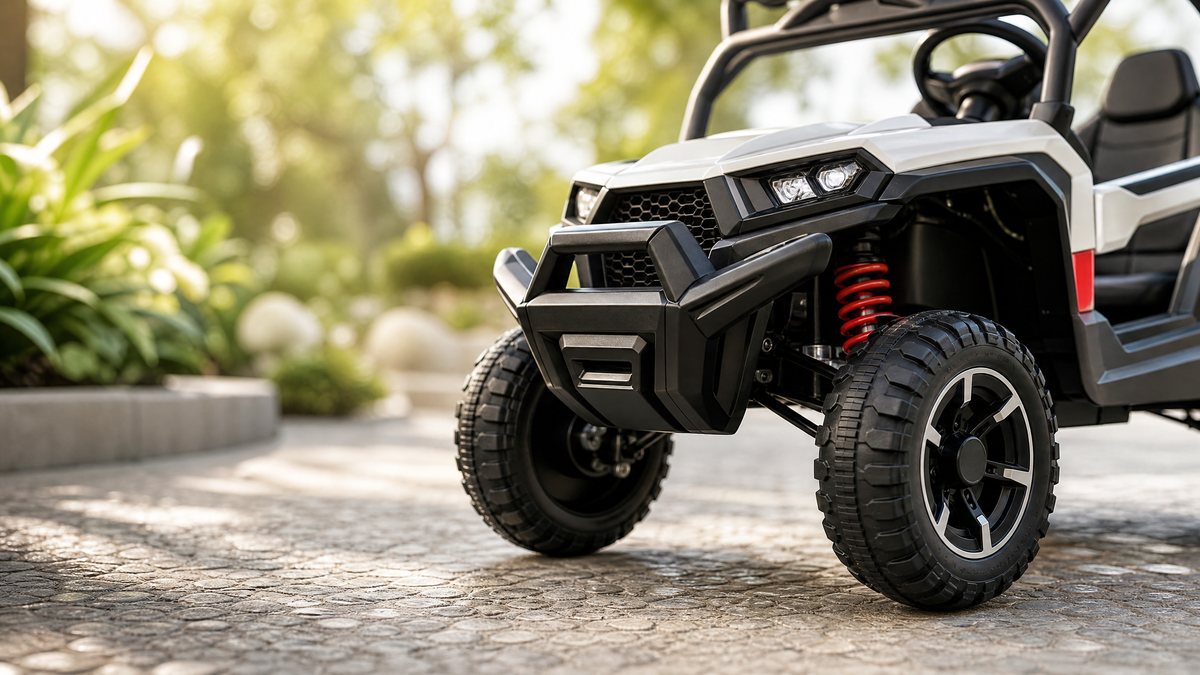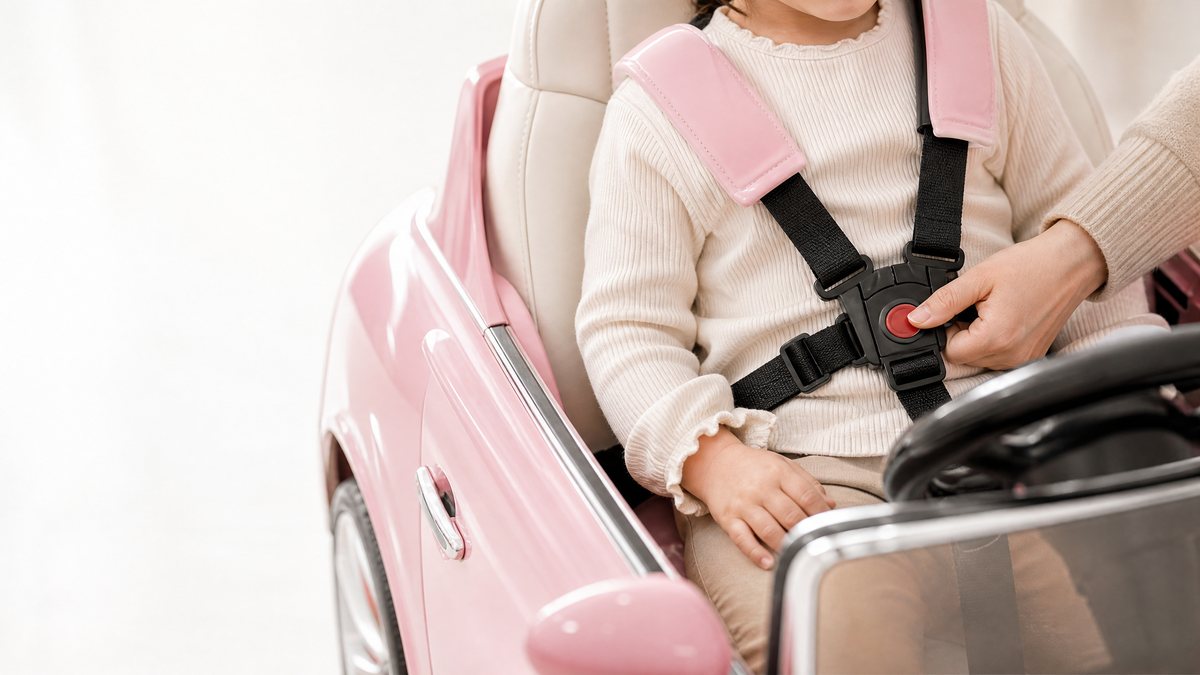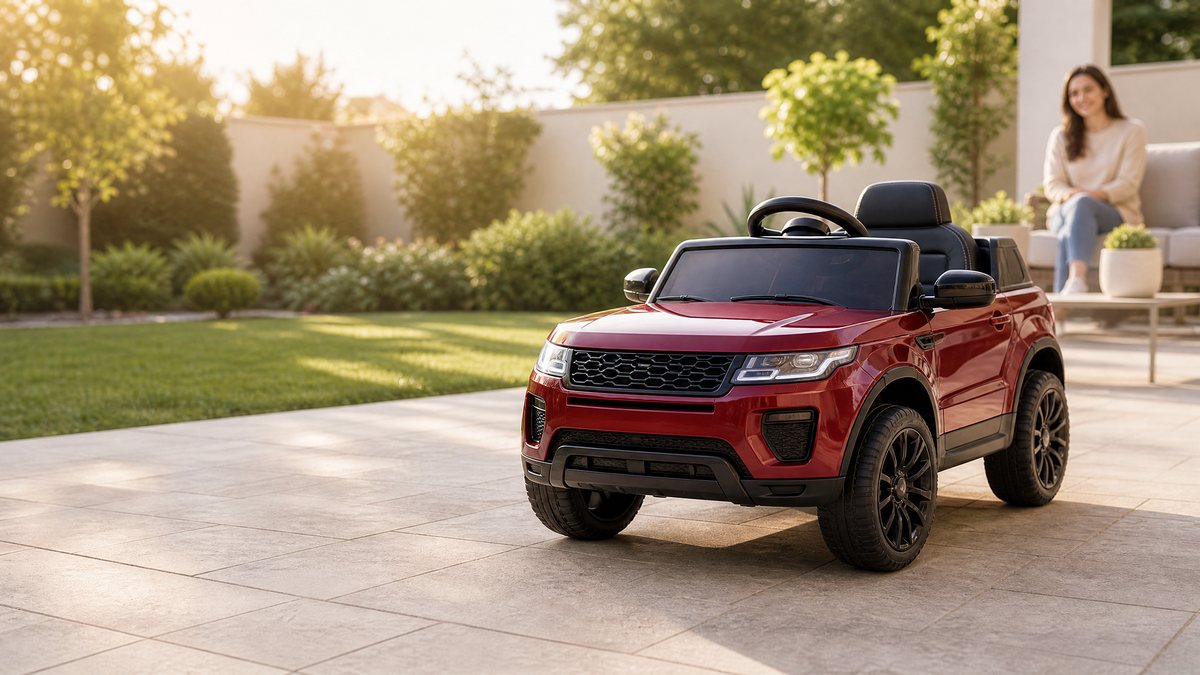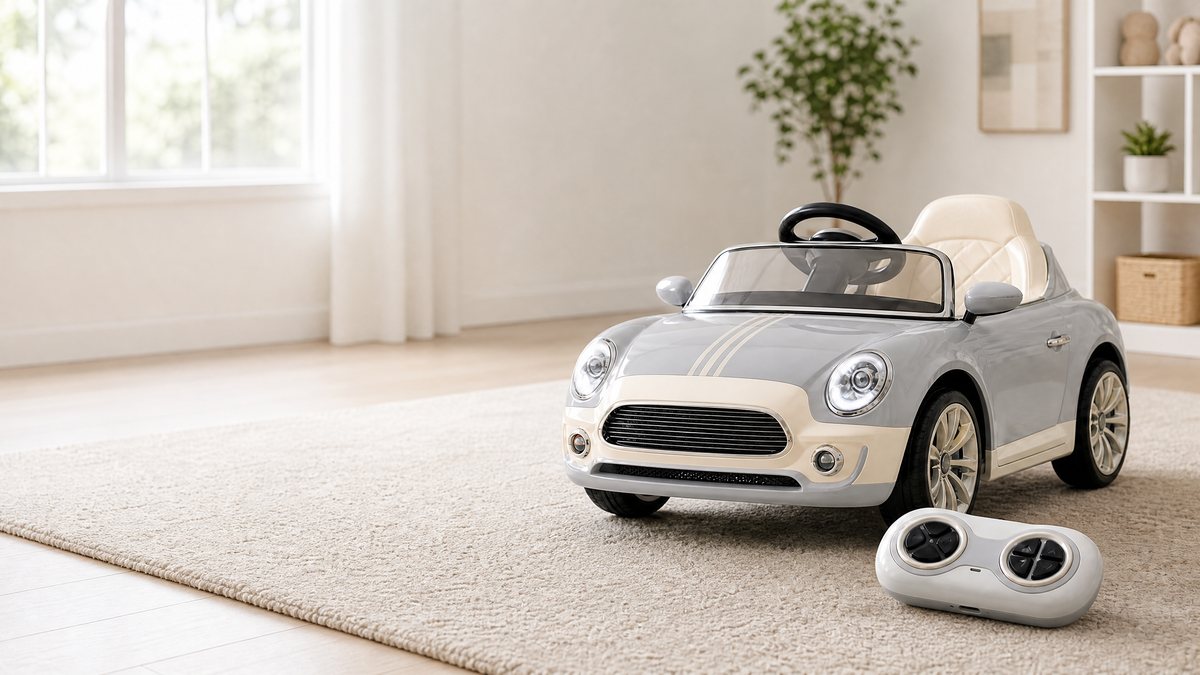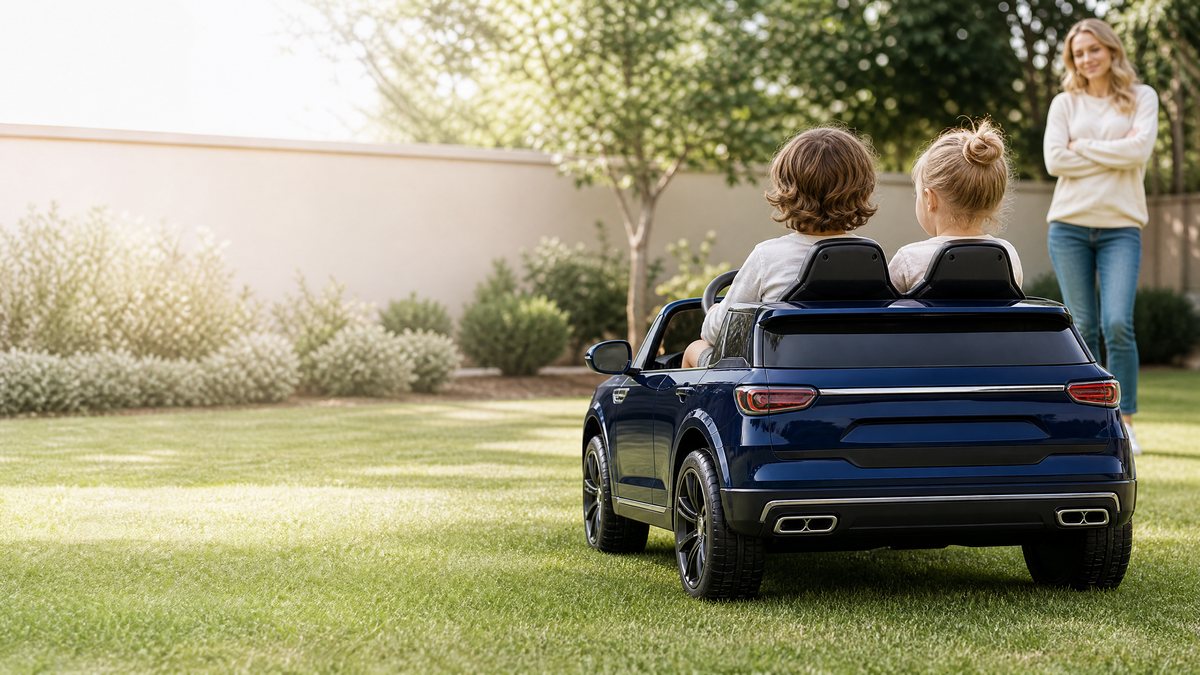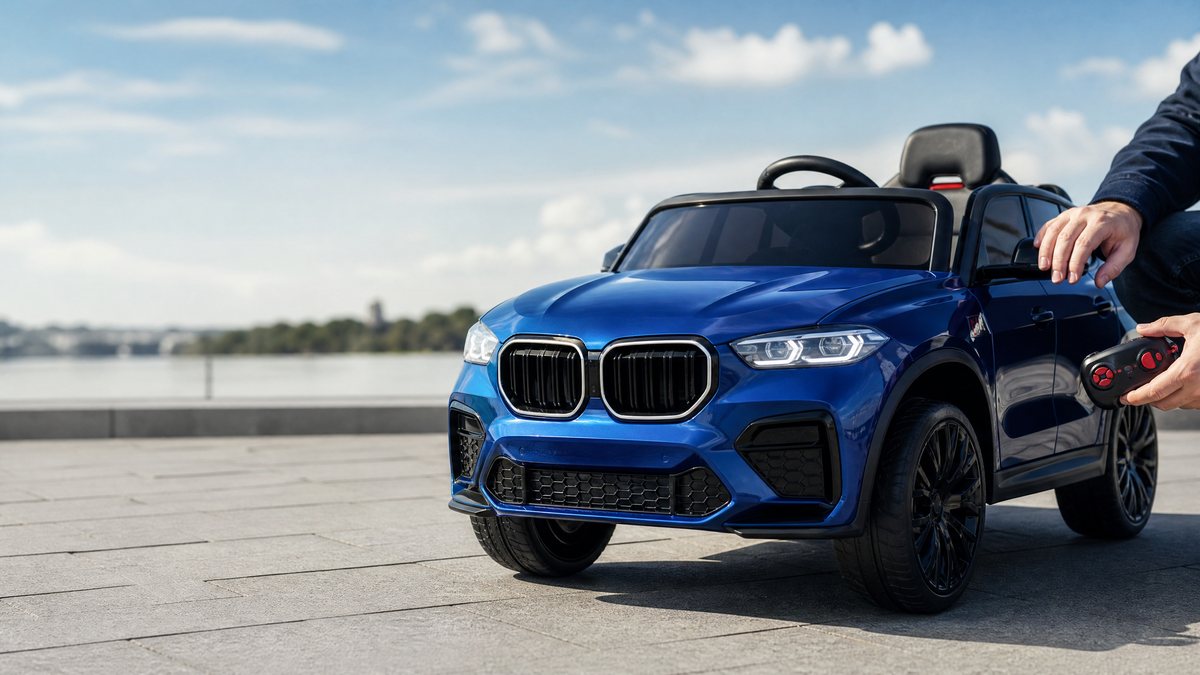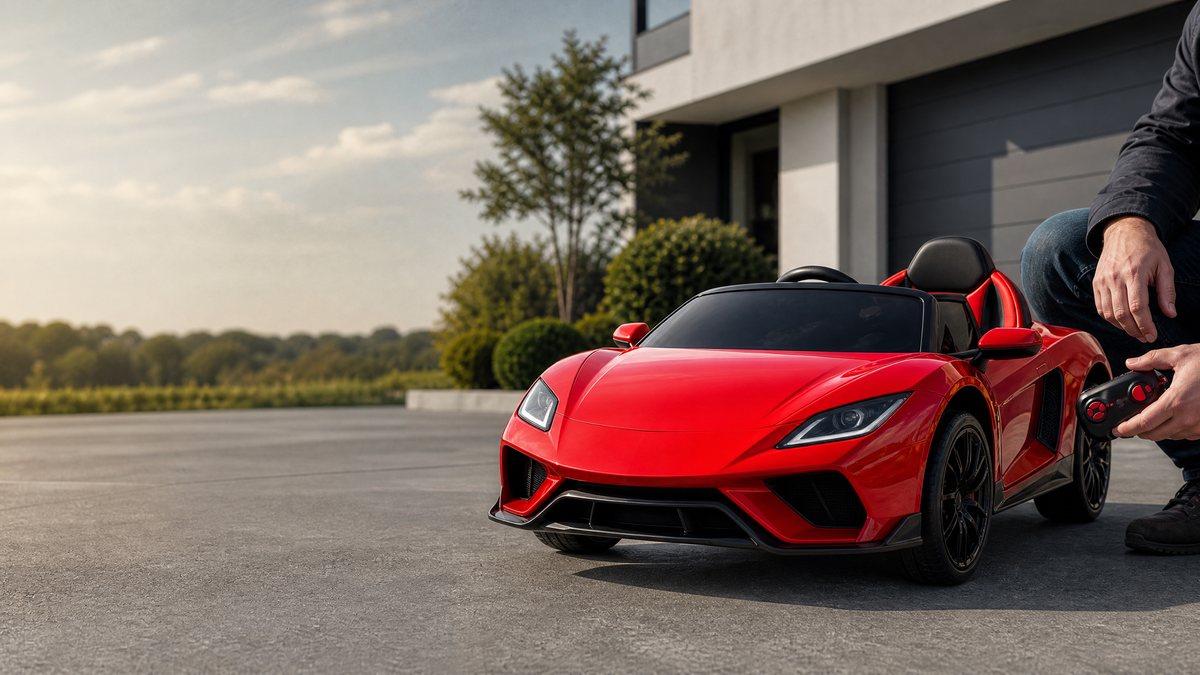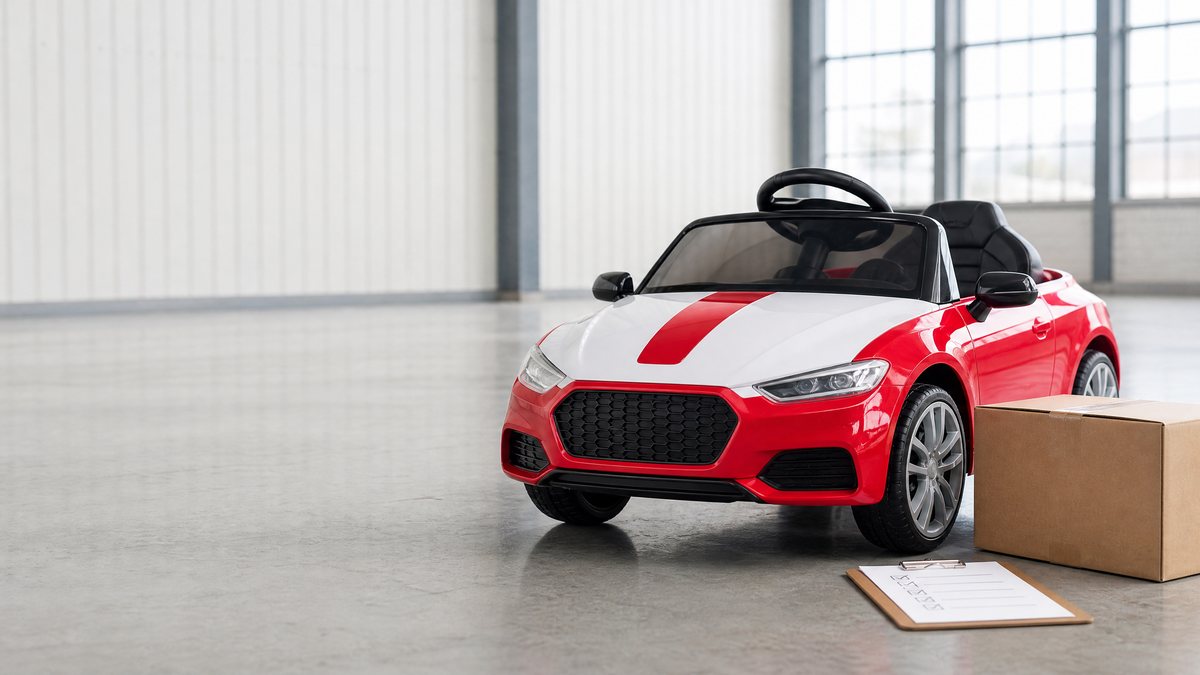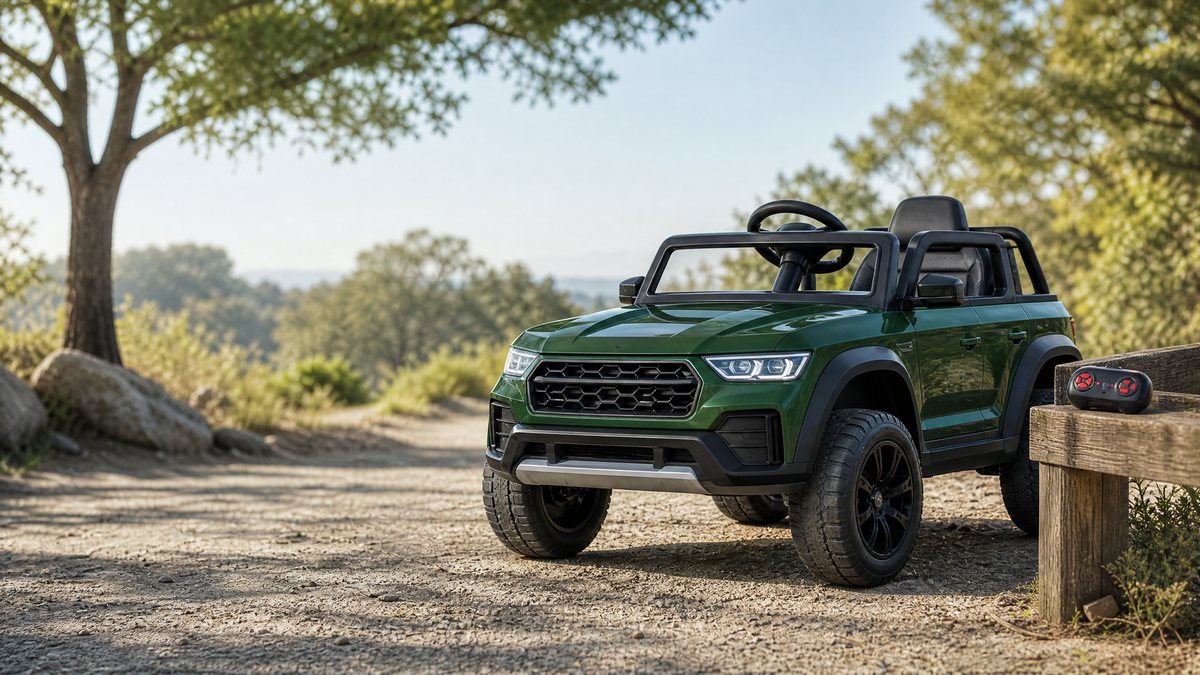
Early childhood development is defined by exploration, experimentation, and discovery. During the toddler years, children transition from passive observers of their environment to active agents capable of altering their surroundings. One of the most critical cognitive milestones during this developmental window is the mastery of cause and effect—the foundational understanding that a specific action taken by the child produces a predictable, immediate reaction in the physical world. While traditional toys such as rattles, stacking blocks, and interactive board books offer early lessons in cause and effect, large-scale kinetic toys introduce an entirely new dimension of learning. Ride-On Cars—ranging from simple foot-to-floor models to electric battery-operated vehicles equipped with accelerator pedals and steering wheels—serve as powerful tools for cognitive and motor skill development when utilized under proper adult supervision and in accordance with manufacturer instructions.
For B2B buyers, toy distributors, early childhood educators, and retail partners, understanding the developmental benefits of ride-on cars provides a distinct competitive advantage. Beyond mere entertainment, modern parents and institutional buyers increasingly seek products that deliver developmental value alongside recreational enjoyment. This article explores the cognitive mechanisms through which toddler ride-on toys reinforce cause-and-effect learning, examines different vehicle categories, outlines essential safety and supervision frameworks, and offers professional guidance for wholesale procurement.
Request a wholesale quote
The Cognitive Foundation: Understanding Cause and Effect in Toddlerhood
According to developmental psychology, particularly the frameworks established by Jean Piaget, toddlers in the sensorimotor stage learn primarily through physical interaction with their immediate environment. Between the ages of one and three, children engage in circular reactions—repeating actions that produce interesting or satisfying results. When a toddler pushes a button and hears a horn, or shifts their weight and causes a wheeled vehicle to roll forward, their brain forms vital neural connections linking physical input to environmental output.
This immediate feedback loop is crucial for several reasons:
- Agency and Control: Toddlers realize that their bodies have a direct impact on the physical world, fostering self-efficacy and confidence.
- Predictability and Logic: Experiencing consistent outcomes (e.g., pushing a pedal equals forward motion, releasing it equals deceleration) helps children build mental models of physics and spatial mechanics.
- Problem-Solving and Adaptation: If an obstacle blocks the path, the toddler must adjust their steering or body position, learning trial-and-error reasoning in real time.
Ride-on cars amplify these lessons by engaging the entire body. Unlike hand-held toys, a ride-on vehicle places the child inside the dynamic system, where their weight, posture, and directional inputs govern the movement of the entire apparatus.
How Ride-On Cars Translate Physical Action into Immediate Feedback
The mechanics of ride-on toys provide clear, tangible cause-and-effect scenarios tailored to different developmental stages. Whether powered by the child's own feet or by an electric motor (when specific features are equipped), these vehicles offer immediate sensory and kinetic feedback.
Foot-to-Floor and Push Vehicles: Direct Kinetic Agency
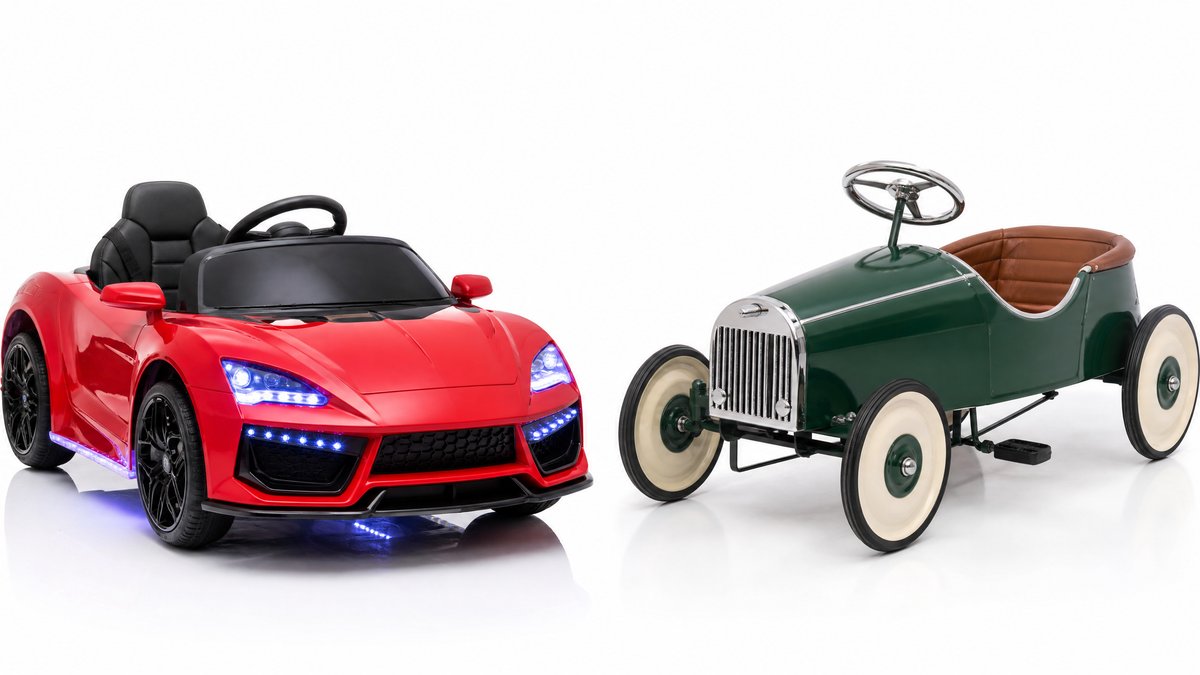
For younger toddlers, foot-to-floor ride-on cars offer the most direct form of cause-and-effect learning. The child's feet remain in constant contact with the ground. Every push against the floor produces an immediate forward or backward displacement. If the child stops pushing, the vehicle stops immediately. This unmediated relationship between muscular effort and movement allows toddlers to easily grasp the direct correlation between their physical exertion and spatial relocation.
Electric Ride-On Cars: Mediated Control and Multi-Sensory Feedback
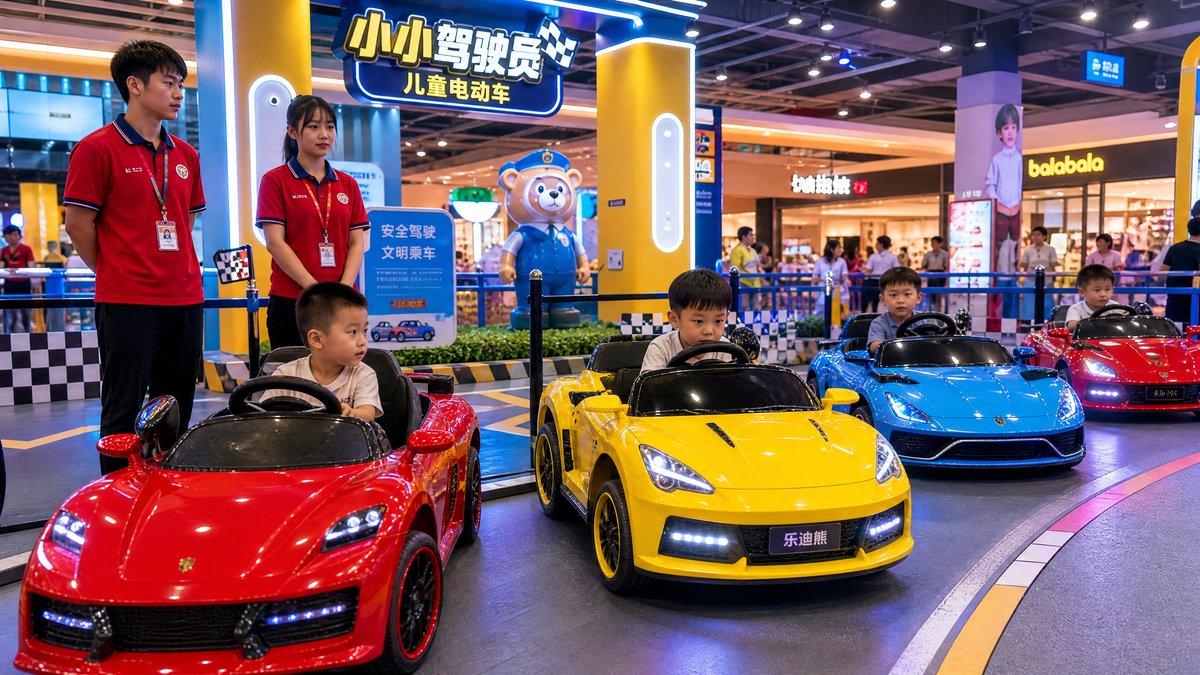
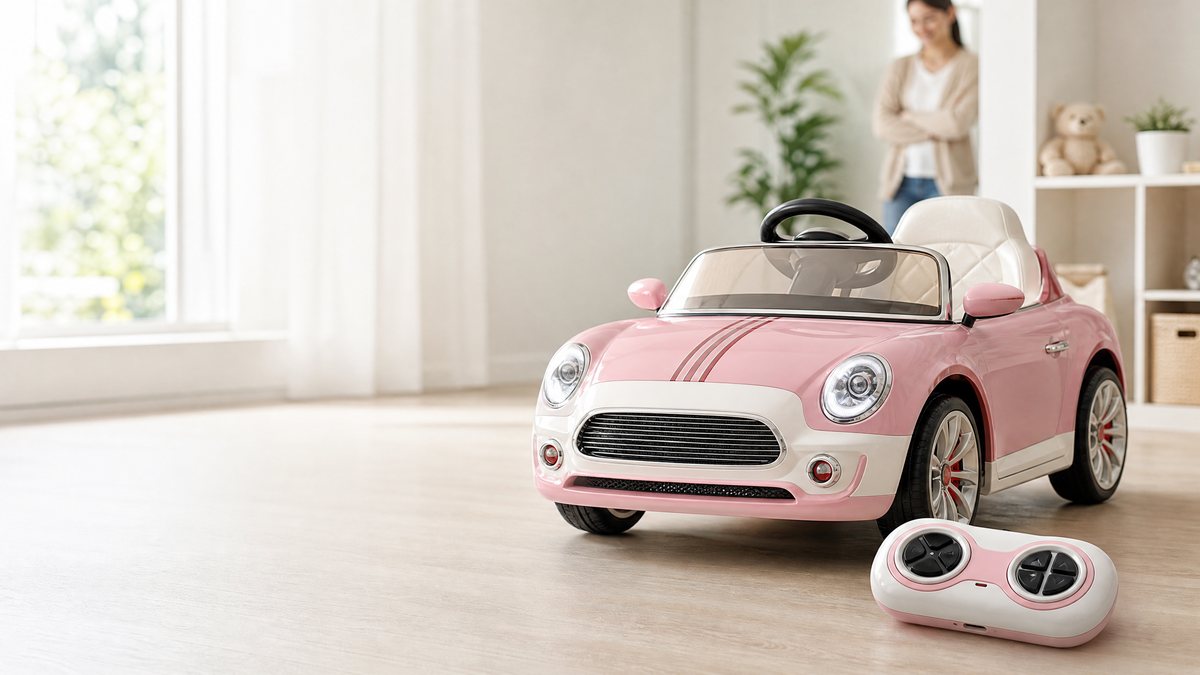
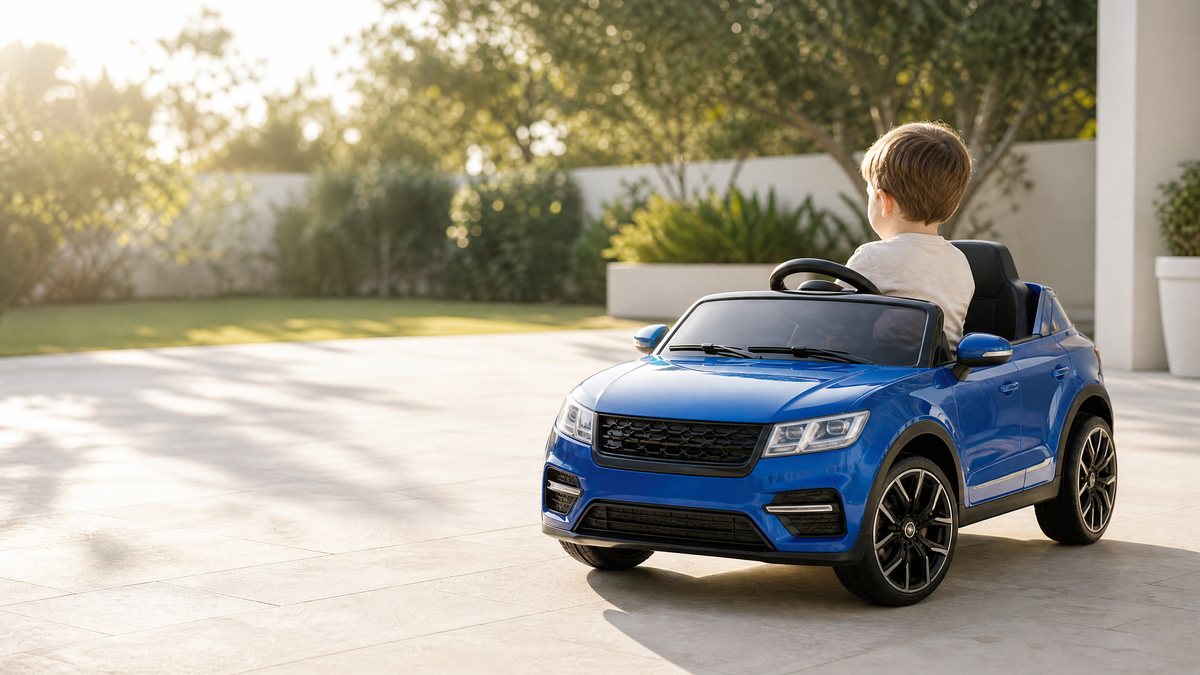
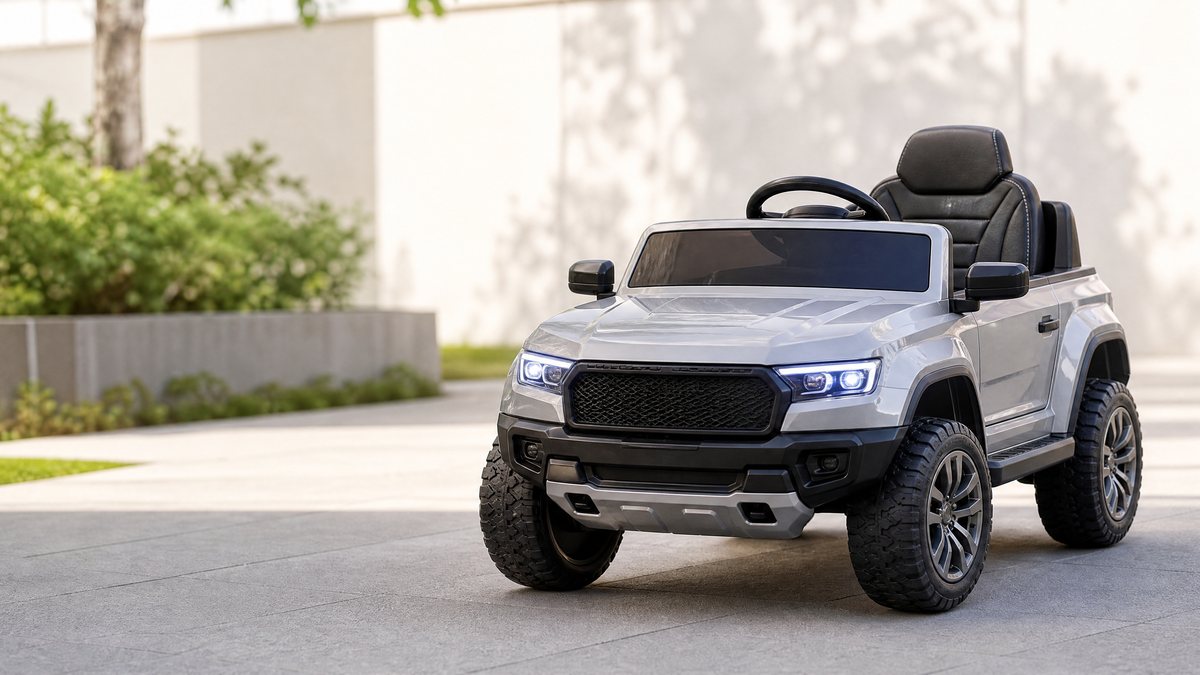
For slightly older toddlers, electric ride-on cars introduce a more complex layer of cause and effect. When equipped with an accelerator pedal or button, pressing down initiates electrical circuit closure, activating the motor and resulting in motion. Releasing the pedal breaks the circuit, engaging deceleration or braking mechanisms (such as spring-loaded return or magnetic braking, depending on the specific model design).
Furthermore, many electric models feature auxiliary interactive elements, such as working horns, functional headlights, music players, or dashboard buttons. When a toddler presses a dashboard button, the resulting sound or light serves as an immediate auditory or visual reward. These multi-sensory feedback loops reinforce cognitive association, teaching children that specific operational inputs yield designated electronic outputs. Retailers and buyers should always verify the exact feature specifications of each specific model in their inventory catalogs, as configurations vary widely across manufacturing lines.
Comparative Analysis of Ride-On Types and Developmental Engagement
To assist B2B procurement specialists, educational institutions, and retail buyers in selecting appropriate inventory, the following table compares different categories of ride-on vehicles based on their developmental impact, control mechanisms, and operational considerations.
| Ride-On Category | Primary Cause-and-Effect Mechanism | Ideal Developmental Stage | Key Supervision & Safety Considerations | Procurement & Retail Focus |
|---|---|---|---|---|
| Foot-to-Floor / Push Cars | Direct muscular push translates to immediate rolling motion. | 12 to 24 months | Continuous adult supervision; recommended for flat, smooth indoor/outdoor surfaces. | High demand for early-learning centers, basic retail, and lightweight shipping. |
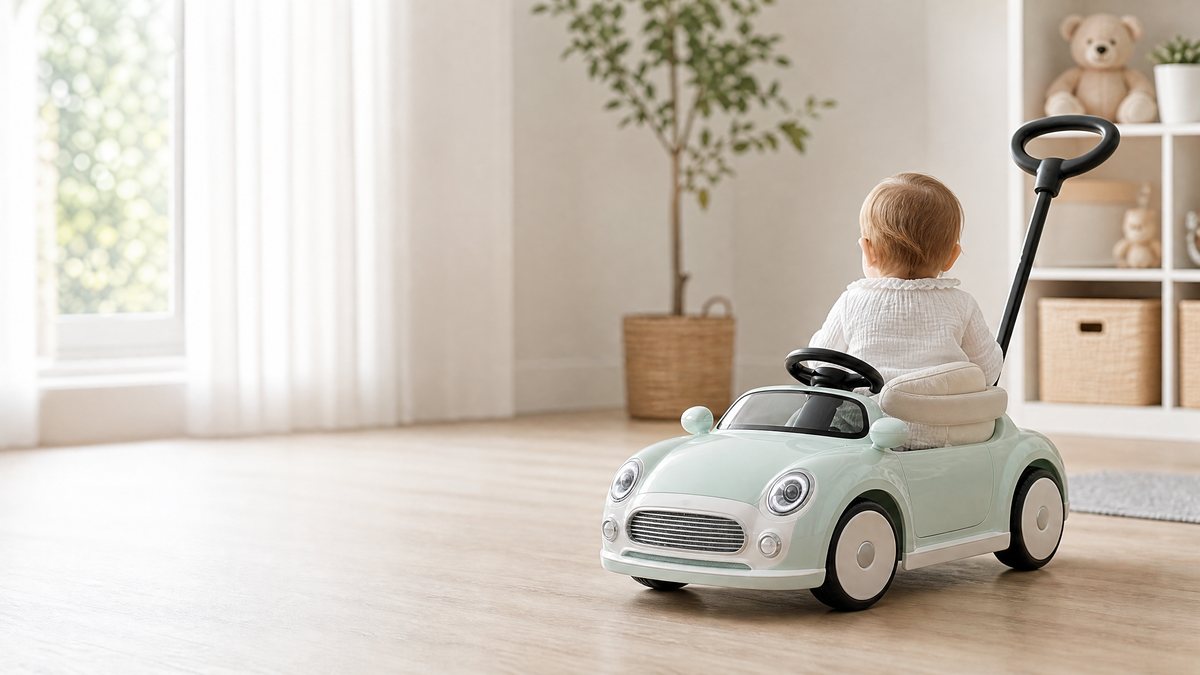
| Parent-Controlled Push-Walkers | Dual-mode: child pushes or adult steers via handle. | 10 to 36 months | Secure locking mechanisms on steering and footrests; adult supervision mandatory. | Popular for urban families and multi-stage growing toys. |
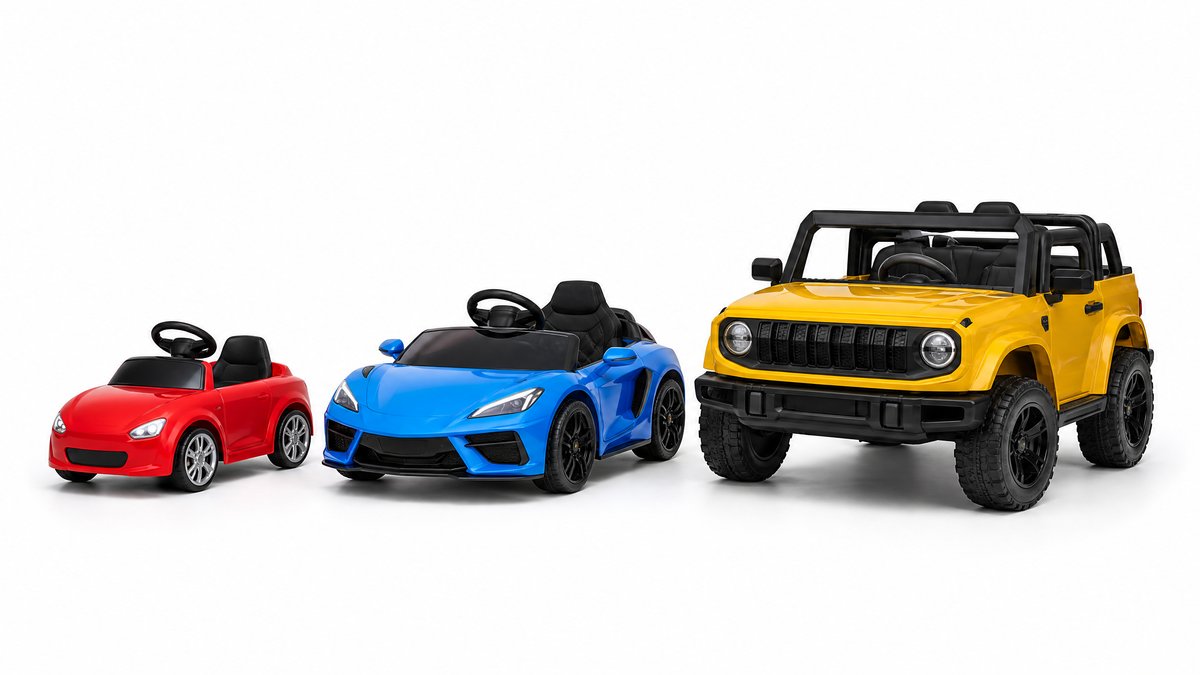
| Battery-Powered Electric Cars | Pedal activation closes circuit to engage motor; releasing stops vehicle. | 24 to 48+ months | Strict adult supervision; adherence to manual speed limits; zero unapproved modifications. | Premium retail, gift markets, and high-margin showroom inventory. |
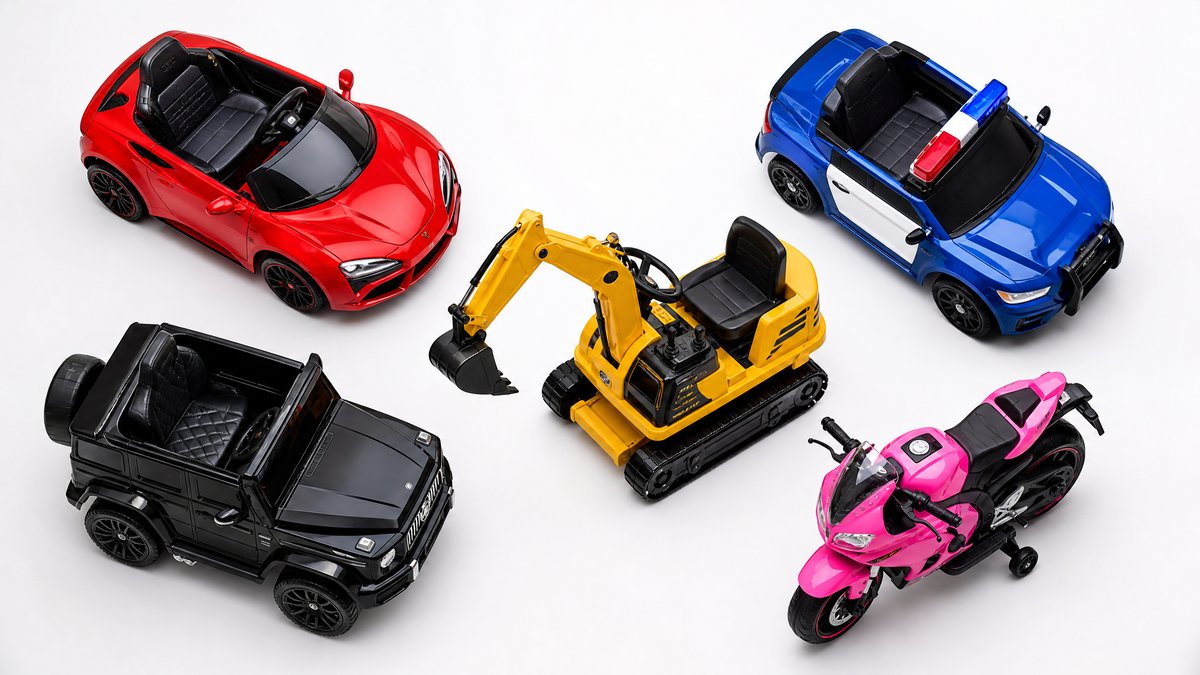
| Multi-Feature Interactive Cars | Dashboard buttons, sound chips, and operational lights paired with motion. | 18 to 48+ months | Battery safety compliance; supervisor monitoring of volume and electronic components. | High visual appeal for e-commerce listings and specialty toy boutiques. |
Supporting Motor Planning, Spatial Awareness, and Coordination
Cognitive understanding does not occur in isolation from physical execution. Learning cause and effect through ride-on cars requires integrated motor planning (praxis) and spatial awareness. As toddlers navigate their vehicles, their brains process vast amounts of sensory data simultaneously.
Gross Motor Development and Muscle Coordination
Operating a ride-on car engages major muscle groups. Foot-to-floor models strengthen leg muscles, core stability, and balance as children coordinate alternate pushing motions. Electric models, while requiring less leg propulsion, demand sustained postural control, hand-eye coordination for steering, and precise timing in foot placement on pedals. Each successful navigation maneuver reinforces the neural pathways responsible for balance and spatial orientation.
Spatial Reasoning and Environmental Navigation
When a toddler steers a ride-on car around furniture, doorways, or park pathways, they encounter spatial boundaries. If they steer too sharply to the left, they may bump into a wall—an immediate physical consequence that teaches spatial limits. Over time, children adjust their steering radius, anticipate turns, and develop mental maps of their environment. This spatial reasoning forms the foundation for advanced mathematical and geometric concepts later in childhood.
The Role of Adult Supervision, Safety Guidelines, and Manufacturer Instructions
While ride-on cars provide exceptional developmental and recreational value, safety remains paramount. B2B distributors, retailers, and consumer buyers must emphasize strict adherence to safety protocols and manufacturer documentation.
The Imperative of Active Adult Supervision
All ride-on vehicles—whether manual or electric—require continuous, attentive adult supervision. Toddlers lack the developed risk-assessment capabilities and reaction times of older children. Supervisors must ensure that play occurs in safe, controlled environments away from traffic, swimming pools, steep inclines, and uneven terrain.
Compliance with Manufacturer Documentation
Every ride-on car is shipped with specific operational manuals, safety notices, and assembly guidelines provided by the manufacturer. Users and institutional buyers must strictly follow these documents. Unapproved modifications—such as altering wiring harnesses, attempting to increase motor voltage, bypassing built-in speed limiters, or installing uncertified replacement batteries—introduce severe safety hazards, including electrical failure, thermal events, or structural compromise.
Protocol for Malfunctions and Component Inspection
Safety requires regular inspection of wheels, steering linkages, braking components, and battery housings (when applicable). If users observe any of the following warning signs, they must immediately cease use, power down the vehicle, keep children away, and contact the manufacturer or qualified repair personnel:
- Persistent chemical odors, smoke, or excessive heat originating from the battery or motor compartment.
- Visible liquid leakage, swelling, or corrosion around battery terminals.
- Water ingress, flooded internal electronics, or submerged mechanical assemblies.
- Frayed, exposed, or damaged internal wiring and compromised charging plugs.
- Erratic braking response, unresponsive steering linkage, or sudden loss of electrical power.
Under no circumstances should consumers attempt to disassemble internal protective housings, touch live battery terminals, measure electrical voltages with multimeters, or execute unauthorized internal repairs. All maintenance queries should be directed to authorized service channels.
Practical Applications for Retailers, Nurseries, and B2B Buyers
For B2B enterprises, toy distributors, and early childhood education facilities, integrating developmental principles into product positioning and marketing creates significant commercial value. Modern institutional buyers and conscious consumers look beyond superficial aesthetics, demanding toys that contribute positively to child development.
Merchandising and Educational Positioning
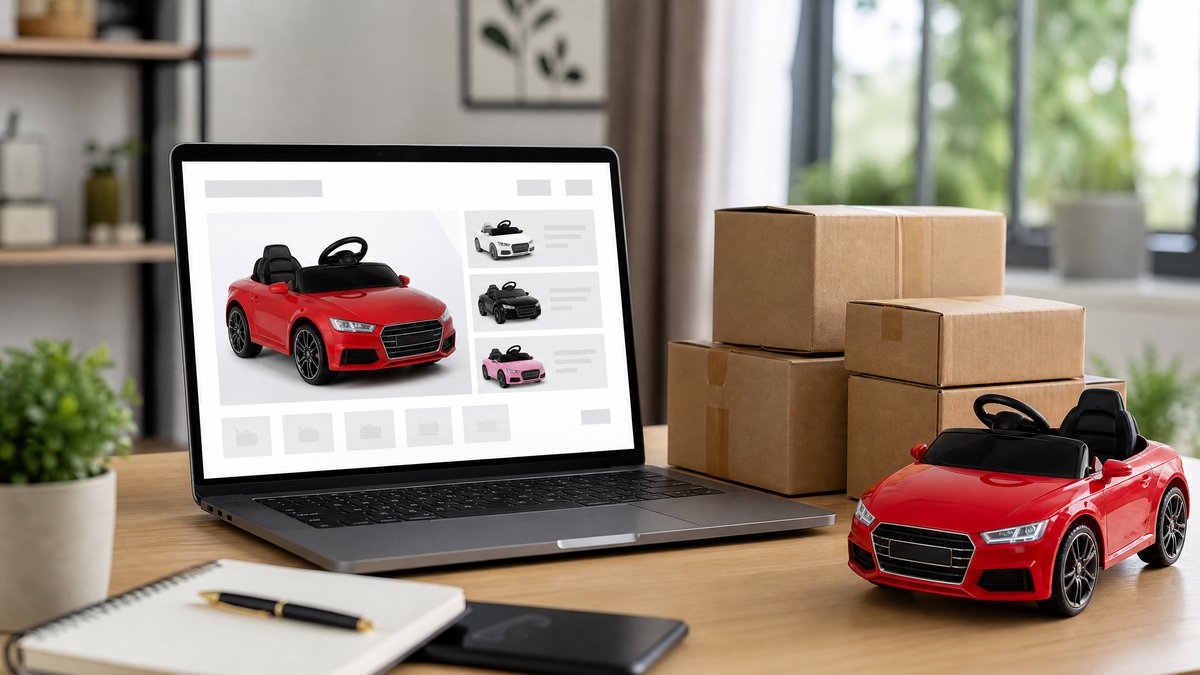
When marketing ride-on cars to B2B clients or retail end-users, highlighting cognitive benefits such as cause-and-effect learning, motor skill enhancement, and spatial awareness elevates the product category from simple leisure goods to developmental educational tools. Retailers can utilize informative product descriptions, point-of-sale displays, and digital content that explains how physical play supports neurological growth in early childhood.
Compliance and Quality Assurance
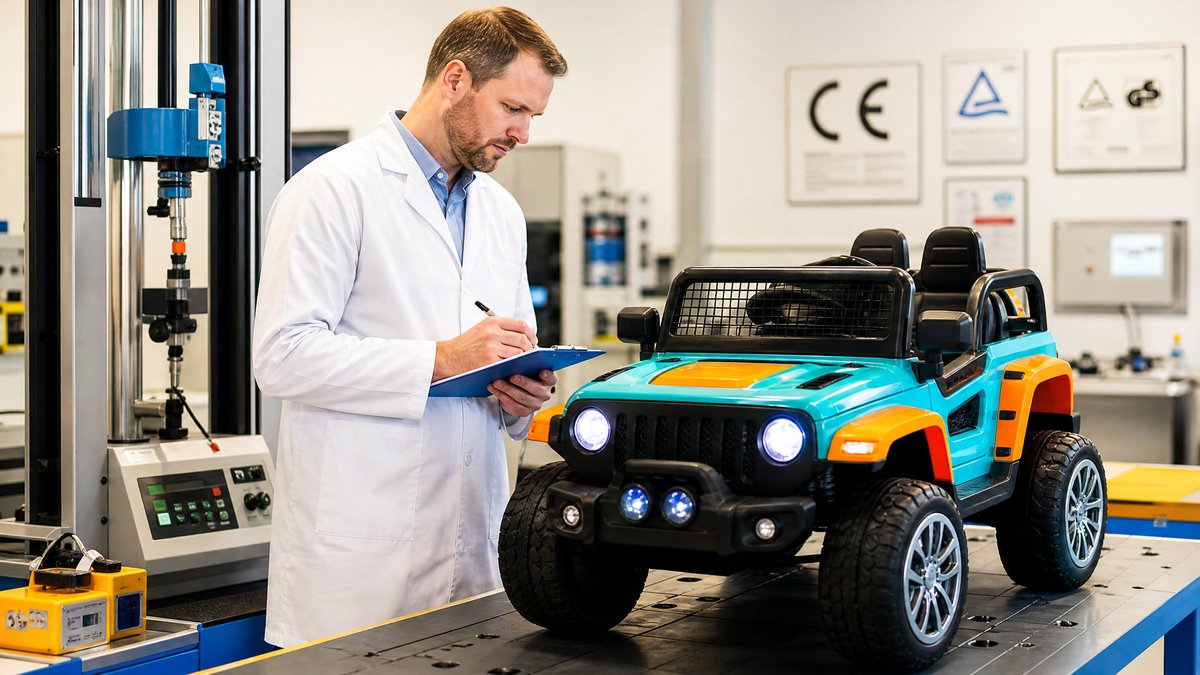
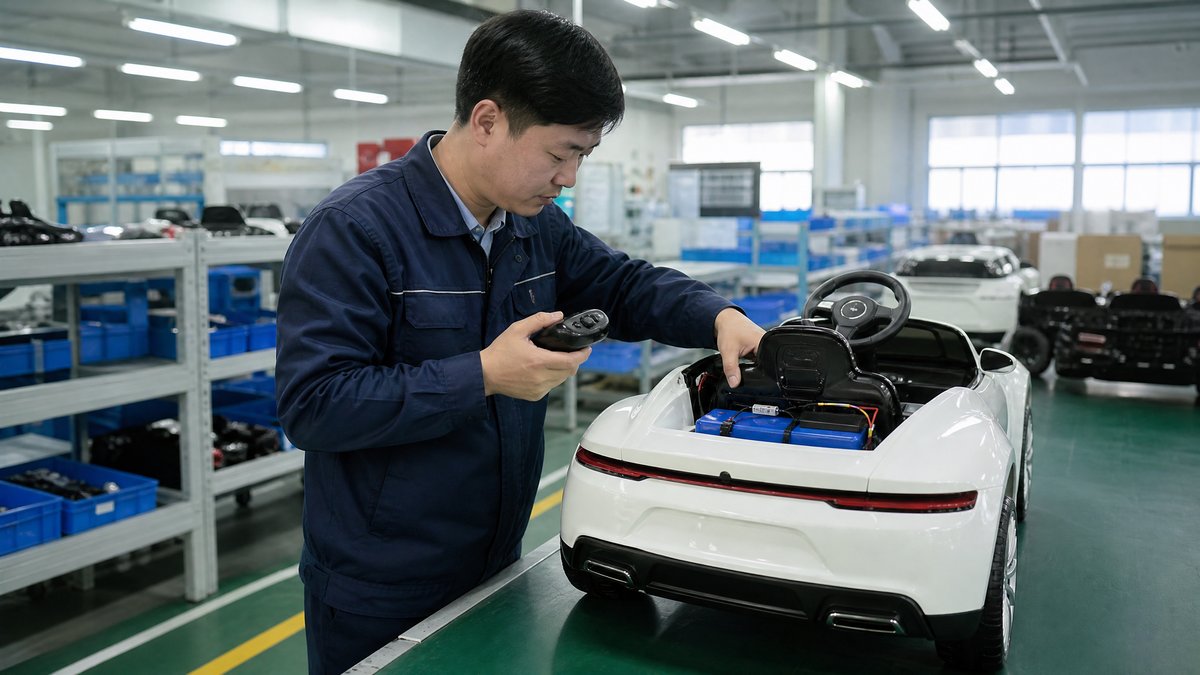
B2B buyers must partner with reputable manufacturers who adhere to recognized international toy safety standards (such as ASTM F963, EN71, or local equivalent certifications). Ensuring that all product batches are accompanied by comprehensive, multilingual instruction manuals and clear safety warnings protects the entire supply chain, reduces return rates, and builds long-term consumer trust.
Request a wholesale quote
Frequently Asked Questions
1. At what age can toddlers begin using ride-on cars safely?
Most foot-to-floor ride-on cars are designed for toddlers starting around 12 to 18 months, once the child can walk independently or maintain stable sitting posture. Battery-powered electric ride-on cars are typically recommended for children aged 24 to 48 months and older, depending on the specific model's size, weight capacity, and control complexity. Always consult the specific manufacturer guidelines provided in the product manual.
2. How do foot-to-floor cars differ from electric cars in promoting cognitive learning?
Foot-to-floor cars provide immediate, unmediated kinetic feedback where the child's own muscle power directly dictates movement, fostering a clear understanding of physical agency. Electric ride-on cars introduce mediated feedback, where pressing a switch or pedal closes an electrical circuit to engage a motor, teaching children multi-step cause-and-effect relationships involving switches, pedals, and electronic responses (when equipped).
3. What safety precautions are essential when operating ride-on cars outdoors?
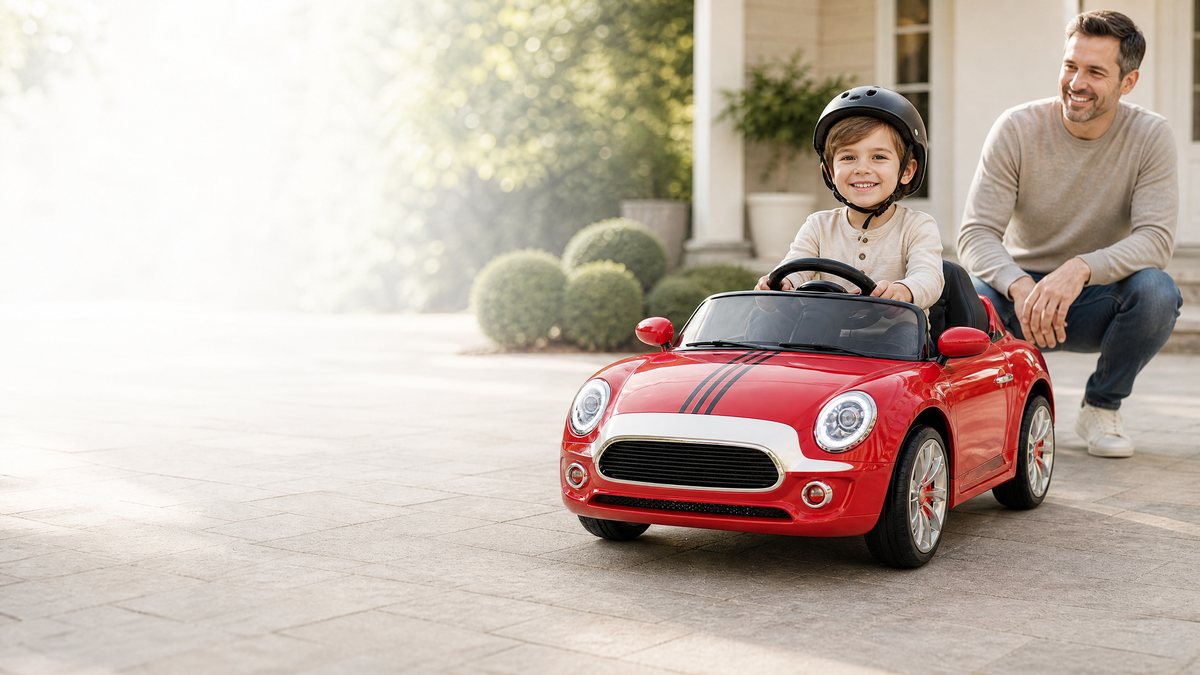
Outdoor play requires constant adult supervision on flat, smooth, designated surfaces away from public roads, driveways, swimming pools, and steep inclines. Helmets and appropriate closed-toe footwear should be worn in accordance with local safety recommendations and manufacturer instructions. Never permit operation in wet weather, rain, or low-visibility conditions.
4. What should be done if an electric ride-on car experiences electrical or mechanical failure?
If users notice smoke, strange odors, excessive heat, frayed wiring, damaged charging plugs, water ingress, or erratic braking, they must immediately turn off the vehicle, disconnect the power source, keep children away, and contact the manufacturer or qualified service personnel. Users must never attempt unauthorized disassembly, internal wiring modifications, or battery repairs.
Conclusion
Ride-on cars represent far more than recreational novelties; they are dynamic developmental tools that actively engage toddlers in physical and cognitive exploration. By translating physical effort and operational inputs into immediate movement and sensory feedback, these vehicles play a vital role in reinforcing cause-and-effect understanding, gross motor coordination, and spatial awareness. For B2B distributors, retailers, and educational institutions, offering well-crafted, compliant ride-on vehicles backed by clear manufacturer instructions and rigorous safety standards meets the growing demand for purposeful, developmental play equipment.
Official References
1. U.S. Consumer Product Safety Commission (CPSC): Toy Safety Education and General Guidance on Supervised Play Equipment. *Note: CPSC educational materials provide general safety principles and do not replace specific manufacturer instructions or certified product user manuals.*
2. American Academy of Pediatrics (AAP): Guidelines on Early Childhood Development, Motor Skill Acquisition, and Safe Play Environments.
3. International Organization for Standardization (ISO) / ASTM International: Safety Standards for Toy Safety (ASTM F963 / EN71 Compliance Frameworks for Wheeled Toys).
Official references
Explore these external resources for current regulatory and trade guidance. Confirm requirements with the relevant authority before placing an order.
Ready to Start?
Factory-Direct · CE & ASTM Certified · MOQ from 50 Units
Our export team works with buyers in 60+ countries. Get a quote within 24 hours.
KR
Written by KidsRideCar
China's leading kids electric ride-on car manufacturer. 500,000+ units shipped annually to 60+ countries. CE, ASTM & EN71 certified.