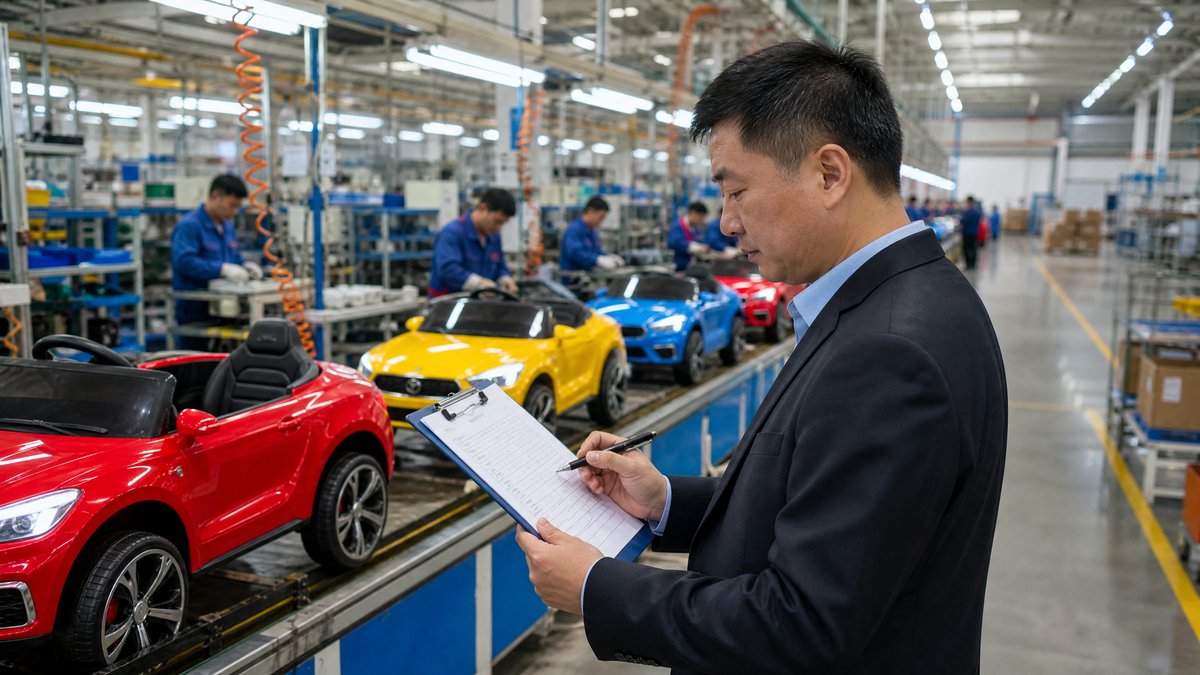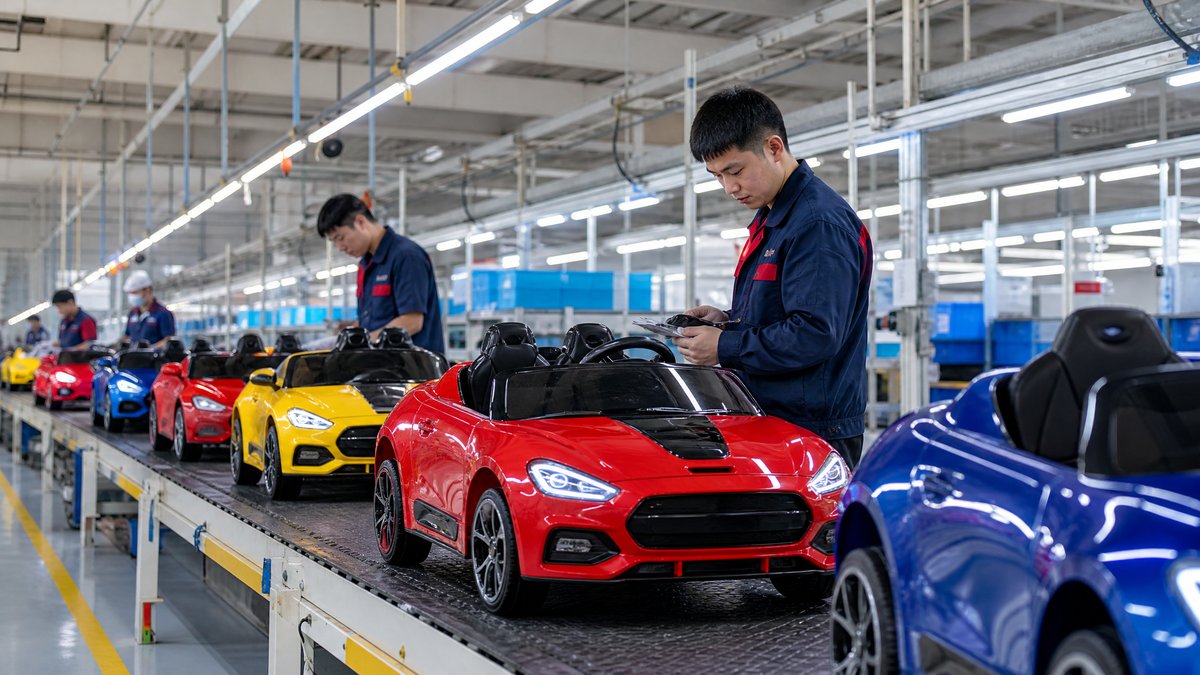
In the global landscape of children’s electric vehicle procurement, the transition from a conceptual product selection to a full-scale mass order represents a significant capital commitment for importers, wholesalers, and professional retailers. For wholesale buyers, the sample approval process is not merely a cursory inspection of a prototype; it is a critical risk-mitigation strategy that serves as the foundation for quality control, legal compliance, and brand reputation. A practical sample approval process is designed to verify that units shipped to a warehouse meet the predefined standards of the buyer and the regulatory requirements of the destination market. The complexity of ride-on cars—incorporating electronic components, mechanical steering, and structural plastic molding—demands a structured approach to sample verification. Relying on informal agreements or vague visual checks often leads to discrepancies during mass production. This guide outlines a professional, multi-phase sample approval framework designed to protect the interests of professional buyers while fostering a transparent relationship with manufacturers.
Why Sample Change Documentation Protects the Order
For a professional importer, the sample approval process is the final checkpoint before the point of no return. Once a mass order is initiated, correcting errors in molding, wiring, or packaging becomes logistically challenging and financially draining. The sample serves as the Golden Sample or the Master Reference, a physical embodiment of the contract between the buyer and the supplier. A robust approval process achieves three primary objectives. First, it validates that the supplier has interpreted the buyer’s technical specifications accurately. Second, it identifies potential production hurdles or design flaws that could impact the product's durability or user experience. Third, it provides a benchmark for future pre-shipment inspections. By establishing a rigorous protocol, buyers aim to mitigate the incidence of returns, warranty claims, and regulatory friction.
Creating a Written Baseline for the Sample
The sample approval process begins long before a physical unit arrives at a buyer's facility. A common pitfall in professional sourcing is the lack of a detailed Sample Requirement Document. Without written expectations, a buyer cannot objectively evaluate the sample provided by the manufacturer. This document should serve as the definitive guide for the factory's engineering and production teams.
Technical Specification Alignment
Before requesting a sample, buyers should provide a detailed Bill of Materials and a technical data sheet. This document should specify the expected motor power, battery voltage and capacity, and the specific materials for the wheels. While buyers should not attempt to dictate internal electrical engineering, they should define the performance outcomes they require and confirm technical feasibility in writing with the supplier. It is essential to discuss these parameters in qualitative terms if specific numbers are not yet finalized, ensuring that the manufacturer understands the intended market positioning of the product.
Defining Aesthetic and Branding Standards
For retailers and wholesalers, the visual appeal of a ride-on car is paramount. The written requirements should include high-resolution renderings or reference photos showing the exact placement of logos, the color of the stitching on the seats, and the finish of the dashboard. Clear communication at this stage prevents the back-and-forth that often delays the sampling phase. Importers should request specific color swatches or material samples if there is any ambiguity regarding the final appearance of the vehicle.
Comparing Revised Documents Against the Baseline
A practical approval process extends beyond the physical product to the documentation that accompanies it. For wholesale buyers, compliance is a non-negotiable aspect of sourcing. Failure to review documents during the sampling phase can lead to shipments being delayed or rejected by major retail partners or customs authorities.
User Manuals and Assembly Instructions
The sample should include a final draft of the user manual. Buyers should review these instructions for clarity, grammatical accuracy, and safety warnings. In the ride-on car category, assembly instructions are a frequent source of customer frustration. A professional buyer will attempt to assemble the sample using only the provided manual to identify any ambiguities that could lead to incorrect assembly by the end-user. The manual should also include clear contact information for customer support and warranty claims.
Warning Labels and Regulatory Markings
Every market has specific requirements for safety labeling. During the document review phase, buyers should verify that the sample features the correct age-grading labels, choking hazard warnings, and battery disposal symbols. It is highly recommended to cross-reference these labels with the applicable regulations in the destination country. Buyers should consult with professional compliance services, local customs brokers, or legal counsel to verify all markings are legally sufficient for their specific region. Do not rely on the manufacturer's assertions regarding regulatory compliance without independent verification.
Packaging Artwork and Structural Integrity
The packaging is the first thing a customer sees, and it is also the primary protection for the product during transit. The sample approval process should include a review of the box artwork, including barcodes, shipping marks, and product imagery. Furthermore, the structural design of the packaging—such as the thickness of the corrugated cardboard and the placement of internal foam supports—should be documented and approved. The goal is to ensure the product can withstand the rigors of international shipping and local last-mile delivery.
Recording External Sample Observations
Once the physical sample is received, the buyer should conduct a systematic observation. This phase is not about destructive testing or technical disassembly, which should be left to certified laboratories. Instead, it focuses on the look and feel and the functional reliability of the unit from a professional buyer's perspective.
Visual Inspection and Build Quality
The buyer should examine the plastic body for molding defects, such as sink marks, flash, or uneven paint application. In high-end ride-on cars, the alignment of body panels and the security of the trim are indicators of the manufacturer’s overall quality control standards. Any gaps or loose components observed in the sample should be noted for mass production correction. The quality of the wheels, the sturdiness of the steering column, and the comfort of the seating area are all critical factors that influence the perceived value of the product.
Functional Verification
A functional check involves testing all user-facing features. This includes verifying the parental remote connects and overrides manual controls, checking the sound quality of pre-loaded music and the functionality of external media inputs, and ensuring that headlights, taillights, and dashboard lights operate as described. The steering and drive systems should be tested for range of motion and smoothness of acceleration. If any internal technical issue is suspected, stop use immediately and request written guidance from the manufacturer or a qualified technician.
Packaging Durability Observation
While buyers should not perform specialized lab tests, a simple observation of arrival condition is vital. If the sample arrives with significant damage to the internal components despite the outer box being intact, it indicates that the internal protective packaging may be insufficient for international shipping. These observations should be recorded immediately and shared with the carrier and the supplier to facilitate improvements in the packaging design.
Maintaining an Approval and Change Record
It is rare for a first sample to be perfect. The hallmark of a professional sourcing operation is how revisions are managed. A practical process requires a formal Sample Feedback Report that tracks every requested change and the manufacturer’s response.
The Sample Feedback Report
The report should be a living document that includes a unique reference for each specific component or feature, a clear description of the observation, photographic evidence highlighting any discrepancies, and the specific action required for improvement. The manufacturer should provide a written acknowledgment that the requested changes are feasible for mass production. This document becomes part of the quality agreement between the two parties.
Confirming the Final Reference Before Production
The final stage of the process is the formal approval of the Golden Sample. This is the unit that represents the exact quality, appearance, and functionality expected for the mass order.
Sealing the Sample
Once a sample is fully approved, it should be sealed. This involves the buyer and the manufacturer both signing a tag attached to the unit, often with a tamper-evident seal. In many professional arrangements, the Golden Sample is kept by the buyer or a third-party inspection agency to serve as the benchmark for pre-shipment inspections. This ensures that the production team has a clear and unchangeable reference point for the quality standards they should meet.
Contractual Alignment
The approval of the sample should be linked to the purchase order. A standard clause might state that all goods delivered should conform to the approved Golden Sample. This provides the buyer with a framework for recourse if the mass-produced items deviate from the agreed-upon standard. It is a vital legal safeguard that protects the importer's investment.
Buyer Checklist for Sample Change Records
To ensure a thorough review, buyers can use the following checklist during their evaluation process.
Pre-Sample Phase: Technical specification sheet sent and confirmed by the factory. Aesthetic and branding assets provided.
Document Review Phase: User manual reviewed for language and safety warnings. Packaging artwork and shipping marks verified for accuracy.
Physical Review Phase: Visual inspection of plastic molding and finish. Functional test of remote control and multimedia features. Observation of internal packaging and transit protection.
Finalization Phase: All discrepancies recorded in the feedback report. Golden Sample sealed and reference photos archived.
Handing Approved Records to the Production Team
After the sample is approved, the focus shifts to ensuring that the manufacturer can replicate this quality at scale. A practical approval process considers the logistical realities of mass production. Buyers should request a pre-production meeting where the factory's production manager reviews the approved sample and the feedback report to confirm the assembly line workers are aware of the specific requirements. Furthermore, the approved sample should be used to calibrate the expectations of the quality control team. Whether using an in-house team or a third-party agency, the inspectors should have access to the Golden Sample or a detailed manual derived from it. This helps verify that the standards established during the sampling phase are maintained throughout the production process.
Frequently Asked Questions
Q: Why is a written requirement list necessary before the sample arrives?
A: A written requirement list acts as the objective benchmark for the evaluation. Without it, the approval process becomes subjective, leading to potential misunderstandings between the buyer and the manufacturer. It helps both parties align on technical specifications, materials, and branding from the outset, saving time and reducing the need for multiple sample iterations. This document ensures that the factory has a clear understanding of the buyer's expectations before any physical work begins.
Q: How should change records be maintained during the sampling phase?
A: Change records should be maintained through a formal feedback report. This document should include a unique reference for each issue, clear descriptions, photographic evidence, and a section for the manufacturer’s confirmation. Keeping a chronological log of these changes prevents specification drift and verifies that the final Golden Sample incorporates every necessary improvement. It also serves as a historical record that can be referenced during future sourcing projects.
Q: What happens if the mass production unit differs from the approved sample?
A: If the mass-produced goods do not match the approved Golden Sample, the buyer has a clear basis for negotiation based on the purchase order terms. This is why sealing the sample and referencing it in the contract is vital. It provides the practical leverage needed to request re-work, discounts, or order cancellation if the quality standards are not met. Buyers should work with their legal advisors to ensure their contracts provide adequate protection in these scenarios.
Conclusion
A practical ride-on car sample approval process is a cornerstone of professional sourcing. By moving from informal checks to a structured framework involving written requirements, rigorous document review, systematic observations, and meticulous change tracking, buyers can secure their investments and build a reputation for quality. The Golden Sample is a physical reference that supports the success of the partnership between the importer and the manufacturer. For wholesalers and distributors looking to scale their operations with reliable children’s electric vehicles, establishing these protocols today will help mitigate the logistical headaches of tomorrow.
Request a wholesale quote
Official references
Explore these external resources for current regulatory and trade guidance. Confirm requirements with the relevant authority before placing an order.
Ready to Start?
Factory-Direct · CE & ASTM Certified · MOQ from 50 Units
Our export team works with buyers in 60+ countries. Get a quote within 24 hours.
KR
Written by KidsRideCar
China's leading kids electric ride-on car manufacturer. 500,000+ units shipped annually to 60+ countries. CE, ASTM & EN71 certified.