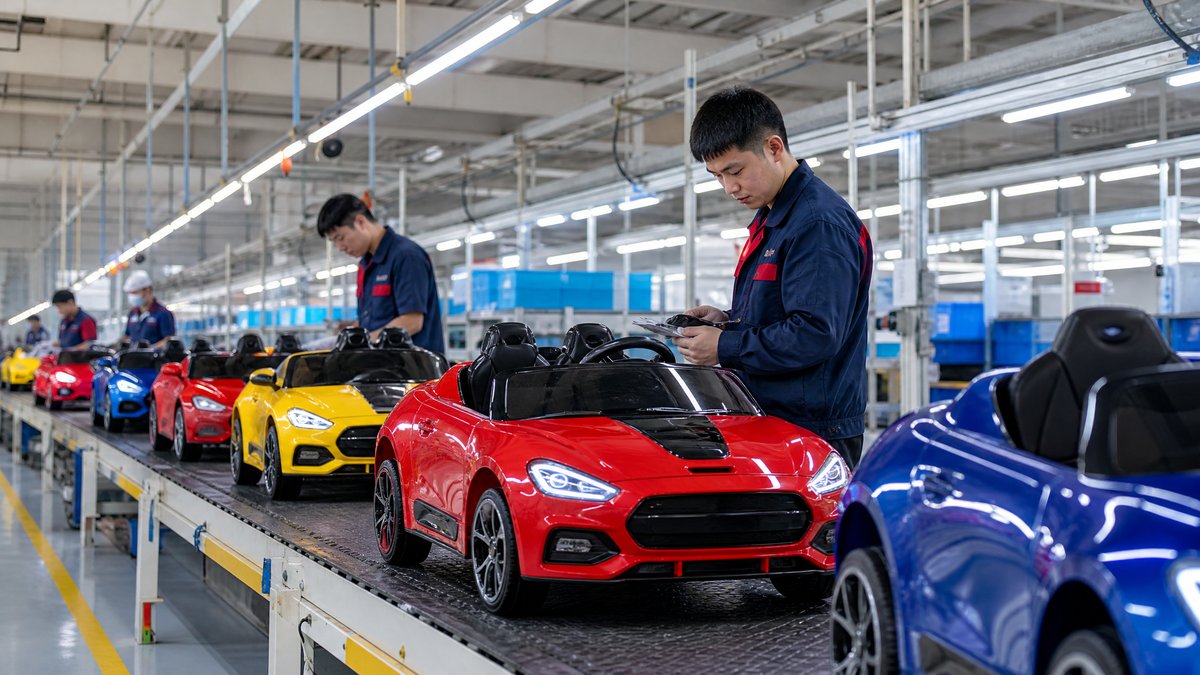
The introduction of a new model in the electric ride-on car sector is not merely a marketing event; it is a complex logistical and strategic operation requiring synchronization between manufacturers, distributors, and retail partners. For professional importers and wholesalers, a successful launch hinges on data precision, supply chain robustness, and communication clarity. In an industry characterized by rapid design iterations and evolving safety standards, distributors must adopt a structured framework for new model integration.
A new model represents both opportunity and risk. While it can revitalize a product catalog, it also introduces variables such as unproven demand and the need for updated compliance documentation. This guide outlines the critical phases of planning a new model launch, focusing on the operational realities of the professional landscape. By prioritizing data readiness, stock keeping unit optimization, and feedback mechanisms, distributors can mitigate risks and maximize the commercial potential of every new release.
Preparing Clear Retailer Product Information
In the professional distribution environment, information is as valuable as the physical product. Before a single unit is shipped, a distributor must ensure that all technical data is verified and organized. This data-first approach prevents downstream delays in customs, warehousing, and retail listing.
Verification of Specifications
Distributors should seek written confirmation from manufacturers regarding all primary specifications. This includes battery capacity, motor wattage, maximum weight capacity, and speed ranges. Relying on generic marketing brochures is insufficient; professional distributors require technical data sheets detailing internal components and construction materials. For instance, the difference in battery capacity significantly impacts runtime and consumer perception of value. Distributors must ensure that the data provided to retailers is accurate to avoid high return rates. All technical parameters should be cross-referenced with the manufacturer's engineering department to ensure consistency across all documentation.
Compliance and Certification Management
Navigating the regulatory landscape is a cornerstone of professional operations. For a new model launch, distributors must collect and verify all necessary certifications relevant to their target markets. It is standard practice to request updated test reports from accredited third-party laboratories to ensure that the specific production batch meets current safety standards. Distributors should maintain a comprehensive compliance folder for each model, containing declarations of conformity, material safety data sheets for batteries, and specialized test summaries. Any questions regarding the applicability of specific regulations should be directed to a qualified legal consultant or a local customs expert to ensure full adherence to regional requirements.
Digital Asset Preparation and Information Integration
High-quality visual assets are essential for sales enablement. A comprehensive asset pack for a new model should include professional studio photography, lifestyle imagery, and assembly videos. For large-scale distributors, integrating this data into a product information management system is equally important. Providing retailers with a pre-formatted digital feed allows them to list the new model on their platforms within a short period, significantly accelerating the time to market. The consistency of digital assets across different sales channels ensures a unified brand presence and reduces consumer confusion.
| Data Category | Key Elements to Verify | Required Format |
|---|---|---|
| Technical Specs | Battery, Motor, Dimensions, Speed | Structured Digital Format |
| Compliance | Regional Safety Standards | Certified Documentation |
| Logistics | Box dimensions, Gross Weight, Palletization | Specification Sheet |
| Media | Images, Videos, Visual Assets | High-Resolution Cloud Link |
Aligning Retailer Materials with the Product Range
A common pitfall in new model launches is over-extending stock keeping unit counts without sufficient market justification. Distributors must balance the desire for variety with the operational costs of inventory management.
Stock Keeping Unit Rationalization and Selection
When a manufacturer introduces a new model, it often comes with multiple color variants and feature packages. Distributors should analyze historical sales data to determine which configurations align with their retailers' price points. Selecting specific hero units—perhaps one entry-level version and one fully-loaded version—often yields better turnover than stocking the entire factory catalog. This process reduces warehouse complexity and ensures that marketing efforts are focused on the most profitable variants. A disciplined approach to selection allows for better inventory control and reduces the risk of obsolete stock.
Tiered Feature Strategy and Power Segmentation
Distributors often plan launches by segmenting the new model into different tiers based on performance and features. A standard model might be the primary offering, while a high-performance version of the same chassis serves the premium segment looking for enhanced capabilities. This strategy allows distributors to capture different demographics without introducing entirely different designs. It is essential to ensure that internal wiring and motor specifications are appropriately matched to the battery specifications, as verified by the manufacturer's engineering team. Any internal technical adjustments must be performed by the manufacturer or qualified professionals to maintain safety standards.
Explaining Availability Assumptions Without Overpromising
Effective inventory planning for a new model requires a blend of historical context and cautious forecasting. Unlike established models, new releases carry the risk of unpredictable demand and production teething issues.
Lead Time Volatility and Production Cycles
Distributors must account for the learning curve at the factory level. The first production run of a new model may take longer than subsequent batches as workers familiarize themselves with the assembly process. Planning a launch timeline should include a buffer timeframe confirmed in writing with the production team. This buffer accounts for potential quality control adjustments, component shortages, and international shipping delays. Maintaining open lines of communication with the manufacturer's production manager is vital for tracking the progress of the initial batch.
Container Load Optimization and Trade Terms
When ordering a new model, distributors must consider how it fits into their existing shipping strategy. New models often have different box dimensions than their predecessors. Using container load optimization methods can help distributors determine the most cost-effective mix of units to fill a large shipping container. Furthermore, the choice of international commercial terms should be evaluated based on the distributor's risk appetite and logistical capabilities. Importers are advised to consult with their freight forwarder to determine the most appropriate terms for their specific supply chain requirements.
Spare Parts Provisioning and Warranty Reserves
A professional launch includes a plan for after-sales support. Industry practices suggest that distributors should secure a spare parts package covering high-wear external components such as chargers, remote controls, and steering motors. Distributors should also establish a warranty reserve in their financial planning for new models to honor commitments to retailers without impacting overall profitability. This reserve should be based on conservative estimates of potential return rates for new designs.
Giving Retailers a Consistent Support Pack
The distributor's primary role during a launch is to empower retail clients. If retailers do not understand the value proposition of the new model, the launch will stall at the warehouse level.
Retailer Education Kits and Training
Distributors should provide comprehensive selling guides for each model. These guides should go beyond basic specifications and highlight unique selling points. For example, if the new model features a simplified assembly system or an upgraded parental control system, these should be featured prominently. In some cases, conducting educational sessions or providing instructional videos for retailers' sales staff can significantly improve sell-through rates. Empowering the retail sales force with knowledge is one of the most effective ways to drive volume.
Business to Business Pre-Order Programs and Incentives
To secure early commitments, many distributors implement business-to-business pre-order programs. Offering early-stage wholesale pricing or priority shipping for the first container load encourages retailers to commit marketing space to the new model. This early buy-in is crucial for building momentum and ensuring the product is visible to consumers as soon as it arrives. Distributors should clearly communicate the benefits of participating in the pre-order program to their top-tier accounts.
Technical Support Infrastructure
A new model launch is often accompanied by an increase in technical inquiries. Distributors should ensure their technical support team is briefed on the new model's documentation and assembly nuances. Providing a dedicated portal where retailers can download high-resolution assets, check real-time stock levels, and submit warranty claims is a hallmark of a sophisticated distribution operation. Technical support must prioritize safety; if a unit exhibits electrical or battery issues, it should be removed from service and the manufacturer contacted immediately for professional guidance.
Coordinating Retailer Communication Before Release
A coordinated communication plan ensures the market is aware of the new model at the right time. This requires a multi-layered approach targeting different levels of the supply chain.
Strategic Business to Business Email Campaigns
Direct communication with existing retail accounts is a highly effective way to drive initial volume. A structured email sequence might include an initial teaser focusing on the silhouette and a single primary feature, followed by a full reveal providing detailed specifications and the wholesale price list. Finally, a stock arrival announcement informs partners that the product is in the warehouse and ready for dispatch. Each email should contain a clear call to action and links to relevant digital assets.
Trade Show and Showroom Integration
If the launch coincides with major industry events, the new model should be the centerpiece of the exhibit. Physical interaction with the product allows professional buyers to assess build quality and material feel. For many importers, a successful trade show demonstration is the catalyst for large-scale container orders. Showrooms should be updated with the latest models to provide a hands-on experience for visiting retail partners.
Collecting Retailer Questions Before Launch Day
Launching a new model involves inherent risks that must be managed through operational safeguards and feedback mechanisms.
Intellectual Property and Quality Control
For licensed models, distributors must ensure the manufacturer holds a valid license for the specific territory. Requesting a copy of the licensing agreement or a letter of authorization is a standard due diligence step. Additionally, for the first batch of a new model, distributors should consider a higher level of inspection. A distributor might opt for an enhanced inspection of the initial units to identify any systemic assembly issues before export, as confirmed with an independent inspection agency. This proactive approach minimizes the risk of receiving a large batch of defective products.
The Buyer Feedback Loop
The launch process does not end when the first invoice is paid. Professional distributors use the initial post-launch period to gather data informing future procurement. Regular check-ins with top-tier retail partners can reveal valuable insights into consumer preferences and product performance. Monitoring the sell-through rate helps distributors decide whether to increase their orders or pivot to other models. Furthermore, tracking the rate of defect for the first batch is essential. If a specific component shows a high failure frequency, this data must be relayed to the manufacturer's engineering team immediately for improvement in subsequent production runs.
Frequently Asked Questions
Q: How should distributors handle discrepancies between the factory sample and mass production units?
A: It is standard practice for distributors to require a reference sample from the actual production line before the full shipment departs. Any discrepancies should be documented in a formal quality inspection report, and the distributor should seek written confirmation from the manufacturer on how these will be rectified. Professional importers should never assume that production units will perfectly match a hand-built prototype.
Q: What is the recommended approach for color distribution in a new model launch?
A: Distributors should validate color splits against their specific regional sales history and market data. While general trends exist, a ratio based on verified historical performance is the most reliable approach for new model inventory planning. It is often safer to start with a conservative mix of popular colors before expanding to more niche options.
Q: Should a new model launch be timed with the peak holiday season?
A: Launching just before the peak season can maximize volume but increases the risk of logistical delays. Many distributors prefer a soft launch in a quieter period to stabilize the supply chain, followed by a full push during the peak season, as confirmed with their logistics partners. This allows for any early production issues to be resolved before the highest demand period.
Request a wholesale quote
Official references
Explore these external resources for current regulatory and trade guidance. Confirm requirements with the relevant authority before placing an order.
Ready to Start?
Factory-Direct · CE & ASTM Certified · MOQ from 50 Units
Our export team works with buyers in 60+ countries. Get a quote within 24 hours.
KR
Written by KidsRideCar
China's leading kids electric ride-on car manufacturer. 500,000+ units shipped annually to 60+ countries. CE, ASTM & EN71 certified.